ADA-Compliant Glass Systems for Senior-Living Facilities (Bathrooms, Railings, Partitions & Mirrors)
Updated on December 8, 2025 By Muhammad Bilal
Senior-living facilities—including assisted living, memory-care centers, and skilled nursing homes must meet strict ADA (Americans with Disabilities Act) standards to ensure the safety, accessibility, and dignity of aging residents. With mobility limitations, fall risks, vision challenges, and cognitive decline common among seniors, every building material must support wellness, safety, and ease of movement.
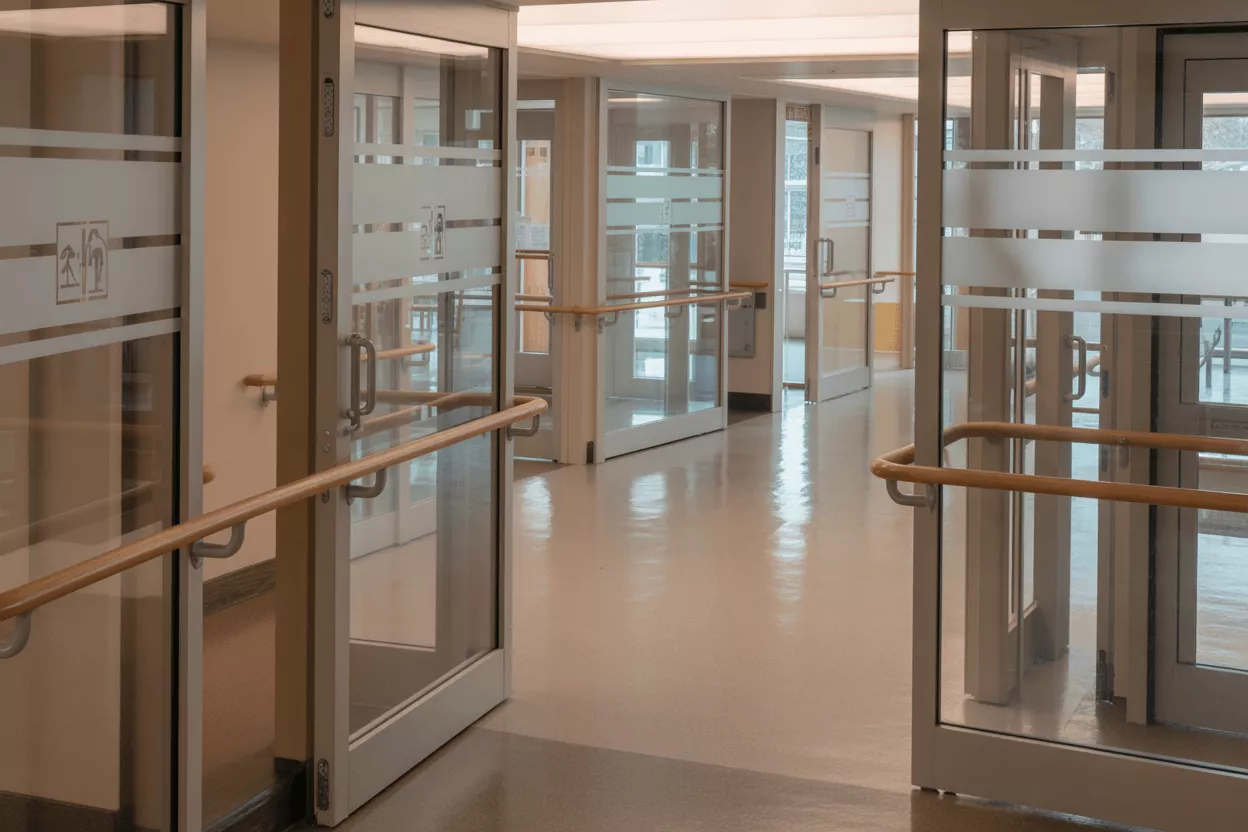
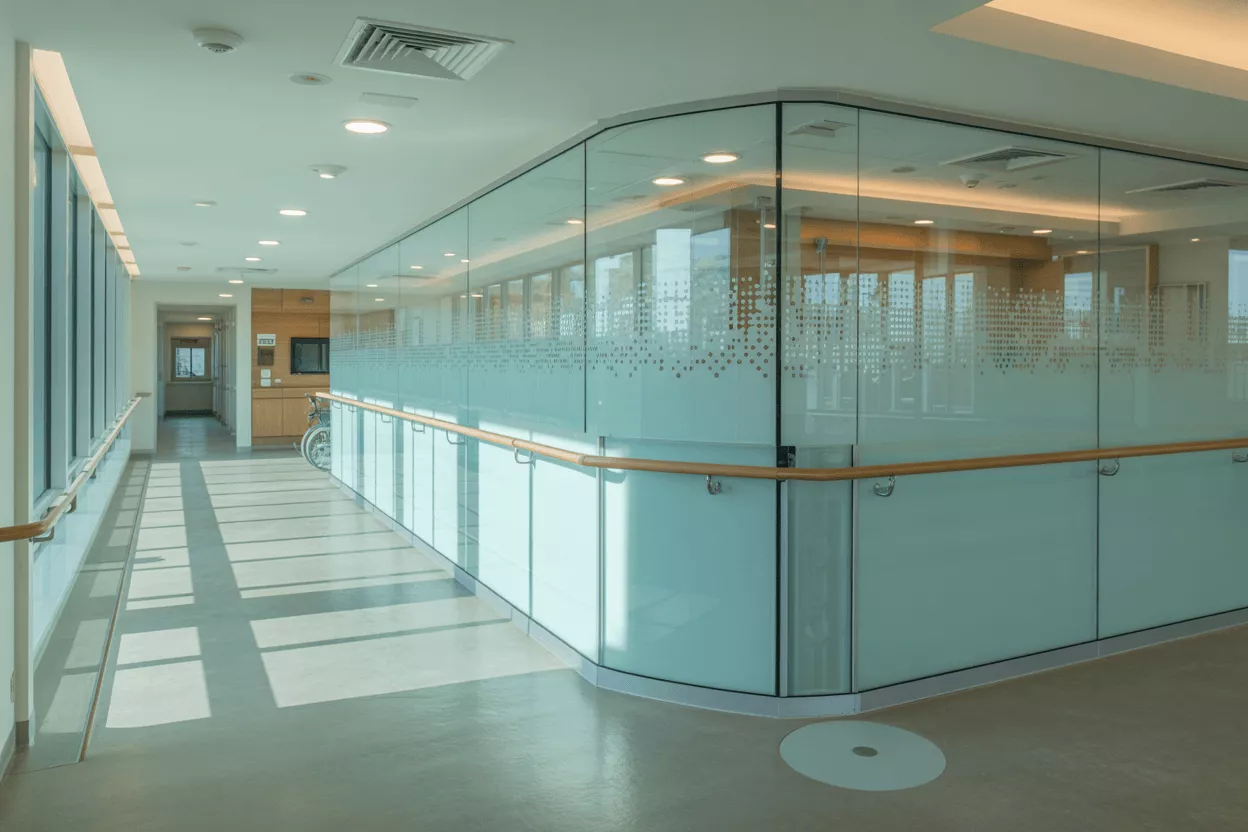
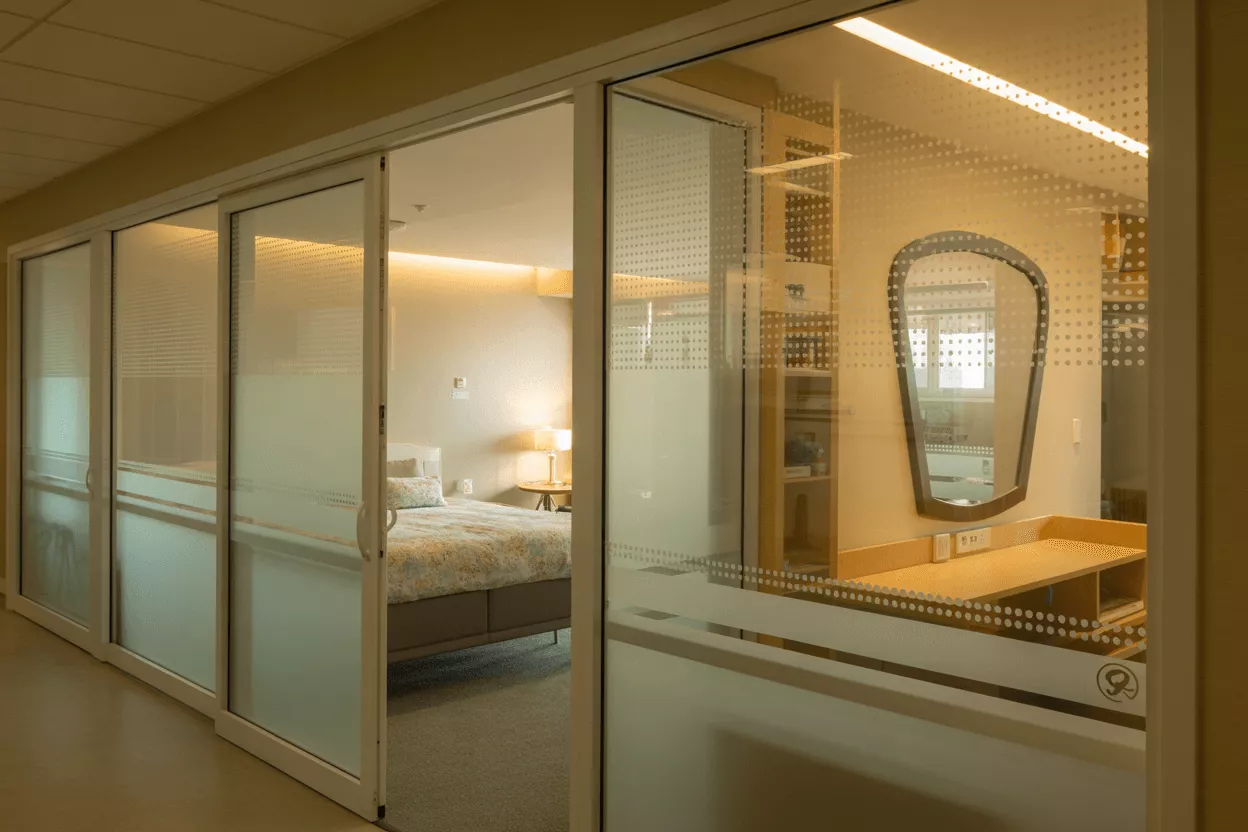
Glass has become one of the most essential components of modern senior-living design. It enhances visibility, reducing fall hazards; improves sanitation; limits bacteria; enables staff supervision; and creates psychologically calming environments. Fab Glass and Mirror supports these needs by providing durable, ADA-friendly glass solutions specifically designed for high-safety senior-care environments.This comprehensive guide explores every ADA-compliant glass system required in senior-living design, including bathrooms, shower systems, railings, partitions, nurse stations, privacy zones, and LED mirrors. Whether planning new construction or renovating existing facilities, this article provides the depth, standards, and solutions needed to deliver safe, compliant, high-performing environments for older adults.
Why ADA Compliance Is Critical in Senior-Living Facilities
Unlike standard housing, senior-living communities must:
Accommodate reduced mobility
Support wheelchair access
Provide clear visibility
Minimize fall and slip risks
Ensure easy operation of doors, handles, and partitions
Avoid sharp edges or shatter-hazard materials
Failure to meet ADA guidelines can result in:
Legal penalties
Failed inspections
Safety hazards
Costly reconstruction
Increased liability
Lower CMS (Centers for Medicare & Medicaid Services) ratings
Glass systems play a direct role in reducing injuries, improving accessibility, and ensuring regulatory compliance throughout the building. from bathrooms to hallways.
The Role of Glass in Senior-Living Design
Glass is no longer used only for aesthetics. Its modern functions include:
1. Visibility & Monitoring
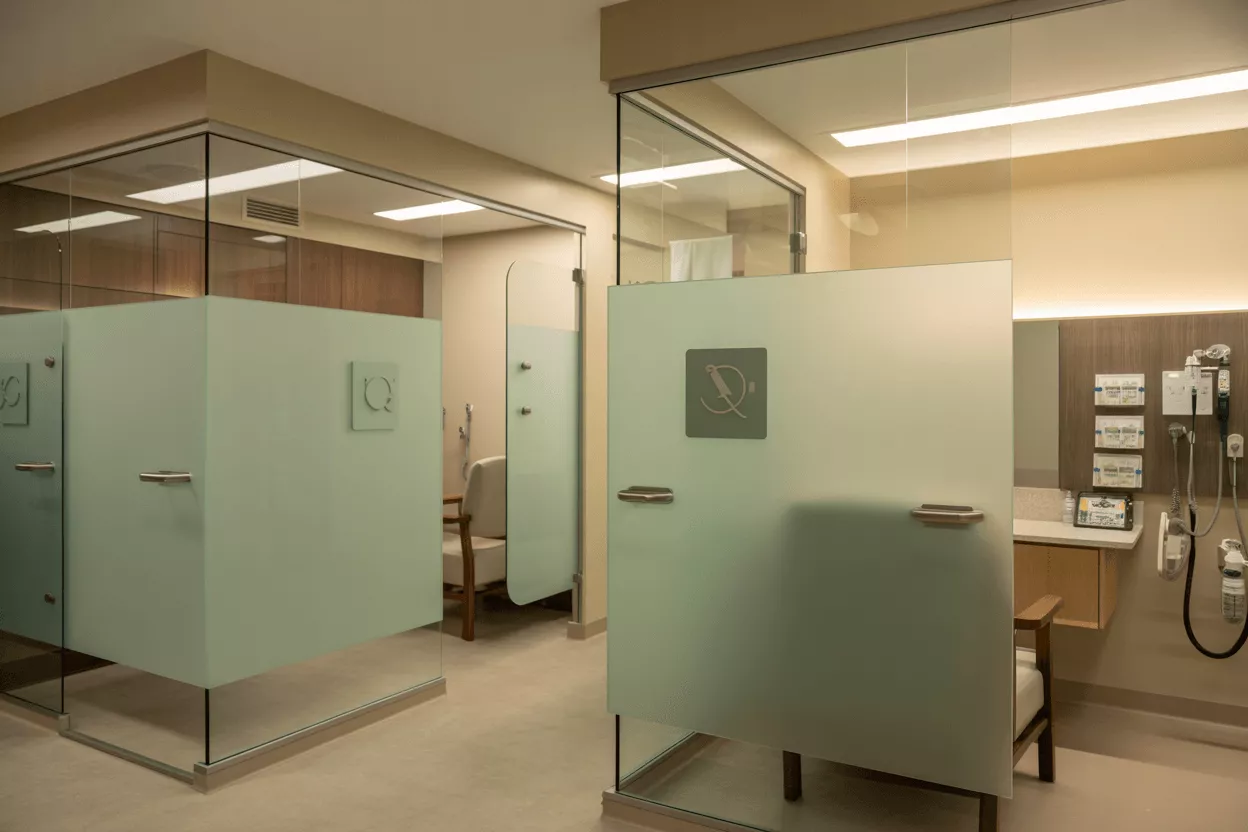
Nurses can monitor residents without invading privacy.
2. Light Distribution
Well-lit environments reduce falls—a major cause of injuries in seniors.
3. Hygiene & Cleanability
Glass is nonporous, antimicrobial, and far more sanitary than curtains or drywall.
4. Accessibility
Glass partitions allow barrier-free designs, wider pathways, and wheelchair-friendly layouts.
5. Noise Control
Acoustic laminated glass reduces noise in nurse stations and memory-care wings.
6. Safety
Laminated and tempered safety glass prevents severe injuries if impacted.
This combination of clarity, safety, sanitation, and durability makes glass the ideal material for senior-living environments.
ADA Glass Standards & Regulations (What Facilities Must Follow)
Senior-living facilities must comply with:
ADA Requirements
Section 302: Flooring and surface safety
Section 308: Reach ranges for switches, mirrors, and controls
Section 309: Easy-to-operate handles and knobs
Section 404: Door opening widths
Section 610: Grab bar support and spacing
Section 803: Bathroom facility requirements
Glass-Specific Safety Codes
ANSI Z97.1
CPSC 16 CFR 1201
IBC (International Building Code)
NFPA fire standards
ASTM structural testing
Mandatory Features for ADA Glass
Tempered or laminated safety glazing
Slip-free access areas
No floor obstructions
Smooth, rounded edges
ADA-mandated mounting heights
Lever-style handles and operable parts
Non-shattering behavior
High-visibility markers for low-vision seniors
Failure to meet these can stop a project, trigger penalties, or require costly redesigns.
ADA-Compliant Bathroom & Shower Glass Systems
Bathrooms account for over 60% of senior-living injuries, making ADA-designed glass critical.
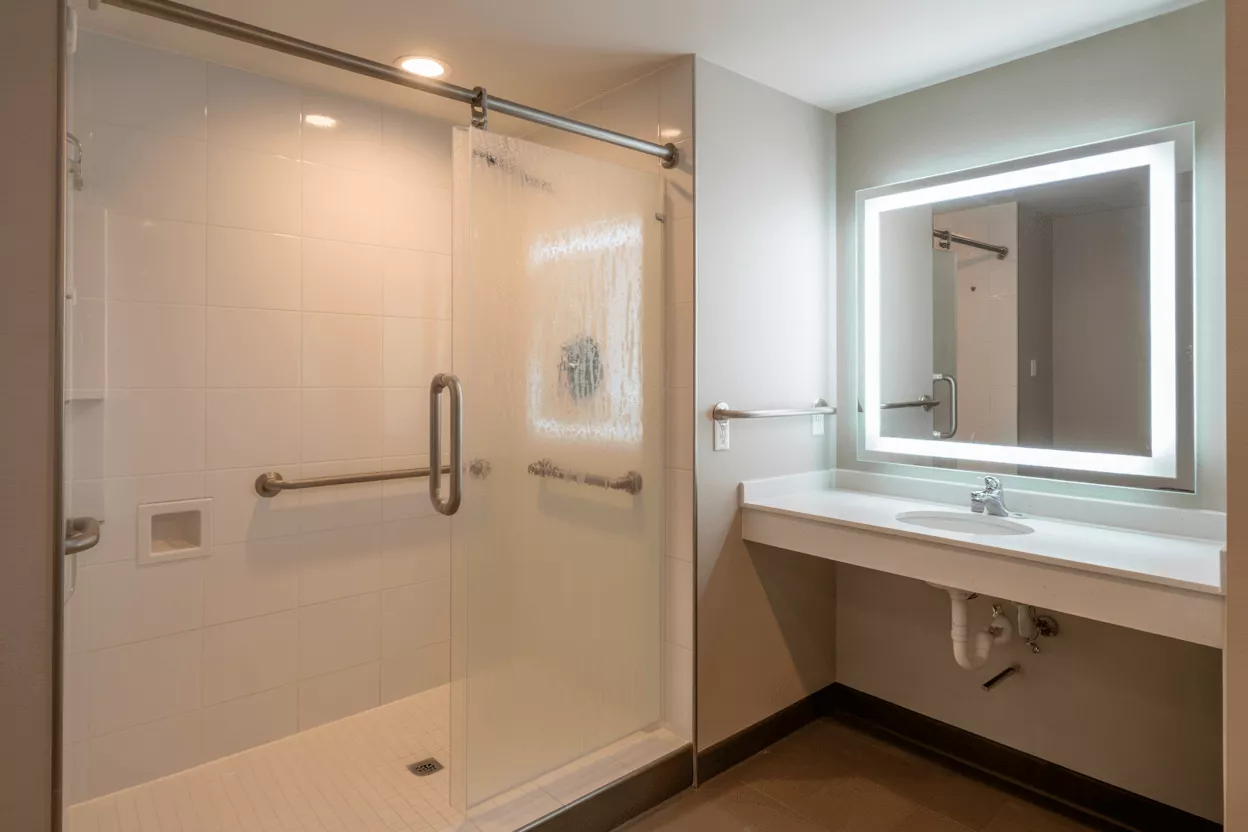
Roll-In Shower Glass Systems
These are essential for wheelchair users and seniors with mobility impairments.
ADA Requirements:
Minimum 36″ opening for roll-in access
No threshold or a maximum 1/2″ beveled threshold
No bottom track that impedes wheels or walkers
Easy-grip ADA-compliant handles
Laminated or tempered safety glass
Anti-slip frosted textures for safety
Best Glass Options:
3/8″ tempered glass
Laminated tempered for extra impact resistance
Low-iron glass for enhanced clarity
Roll-in showers allow caregivers to assist more safely while maintaining resident dignity.
Shower Doors & Panels for Assisted Baths
Many facilities use fixed glass panels or pivoting doors that provide a wide, unobstructed entrance.
Features:
Large openings
Grab-bar compatibility
Privacy frosted glass
Rounded, polished edges
ADA-friendly reach-access handles
ADA Vanity & Bathroom Mirrors
ADA requires that:
Bottom of the reflecting surface is max 40″ above the finished floor
Mirrors must be usable by both standing and seated residents
AI-Integrated Mirrors: Monitor lighting, fog, and humidity changes.
Laminated-Low Iron Combos: High clarity with maximum safety.
Final ADA Compliance Checklist for Senior-Living Facilities
Tempered or laminated safety glass used everywhere
ADA-compliant shower access with no bottom tracks
Mirrors installed at ≤ 40″ to the bottom edge
Safety railings with laminated glass
Privacy glass in bathrooms and resident zones
Acoustic partitions in nurse stations
Impact-safe glass in memory-care units
Fire-rated glass where required by IBC
Rounded, polished edges
Slip-free transitions and compliant hardware
Conclusion
ADA-compliant glass systems are essential for creating safe, dignified, functional senior-living facilities. From showers and bathrooms to railings, partitions, and nurse stations, the right glass solutions reduce injury risks, improve accessibility, and support the emotional and physical well-being of older adults.
Facilities that adopt modern glass systems not only meet ADA requirements—they enhance resident comfort, support caregivers, and build long-term operational safety. As the senior population grows, investing in compliant, durable, healthcare-grade glass solutions is no longer optional.
FAQs
ADA bathrooms require tempered or laminated safety glass that prevents sharp breakage, includes smooth edges, and provides wide, unobstructed access.
In most cases, no. ADA standards require zero-threshold or minimal-threshold showers without bottom tracks that obstruct wheelchair access.
The bottom of the reflecting surface must be no higher than 40 inches above the floor, ensuring visibility for seated users.
Laminated glass remains intact if cracked, preventing falls and reducing injury risk—making it ideal for staircases and ramps.
Yes. Frosted, satin-etched, and back-painted glass all provide privacy while maintaining ADA visibility and safety standards.
Impact-resistant laminated glass with rounded edges and low-reflection finishes is best to prevent injuries and reduce agitation.
Muhammad Bilal
Muhammad Bilal is a senior writer with 17 years of experience, specializing in engaging, well-researched content on glass and mirror products. His writing offers practical tips and insights tailored for homeowners and designers alike. With a clear, approachable style, he helps readers solve problems and explore ideas with confidence.
Related Posts
Explore all things glass—from stylish table tops and insulated options to tinted and frosted designs. Discover guides on glass railings, custom cut glass, shelves, and stunning backsplash ideas for a modern home or office upgrade.