
My Cart
You have no items in your shopping cart.

Not all glass is created equal. Annealed glass (standard, untreated glass) and tempered glass (heat-strengthened safety glass) differ significantly in strength, safety, and usage. If you’re unsure which to choose for your windows, doors, furniture, or remodeling project, this guide will help. We’ll explain the differences between annealed and tempered glass, their pros and cons, and when each is the right choice. While annealed glass is easier to cut and more budget-friendly, tempered glass is essential where safety is required.
Table of Contents
Use annealed for decorative, interior applications or custom-cut glass needs where safety is not a major concern.
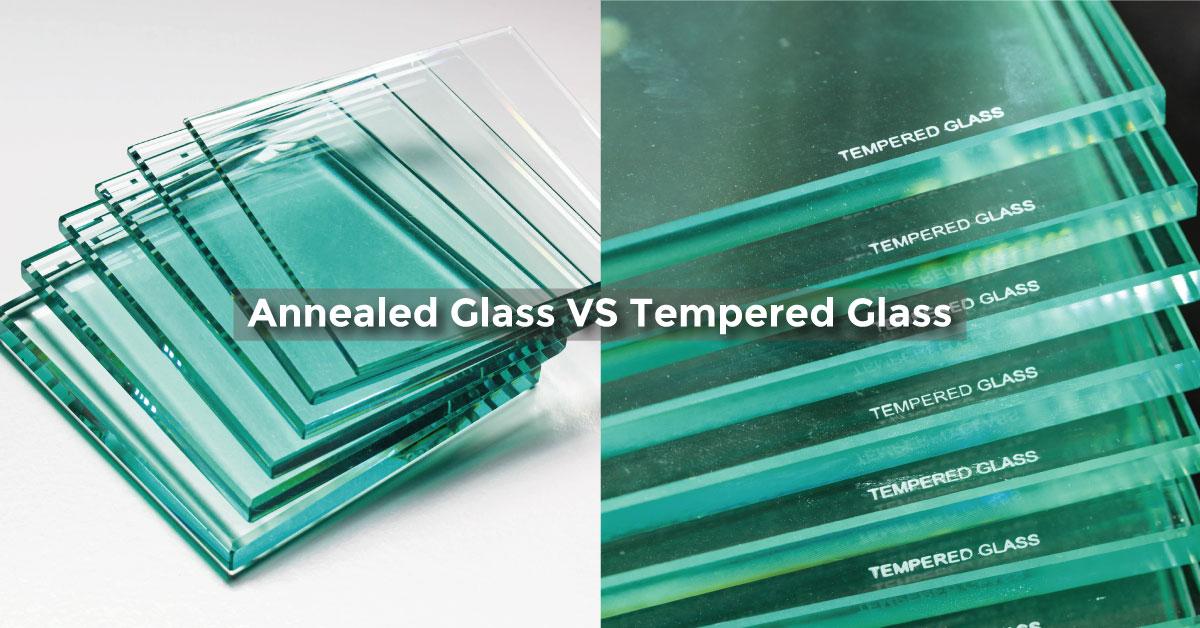


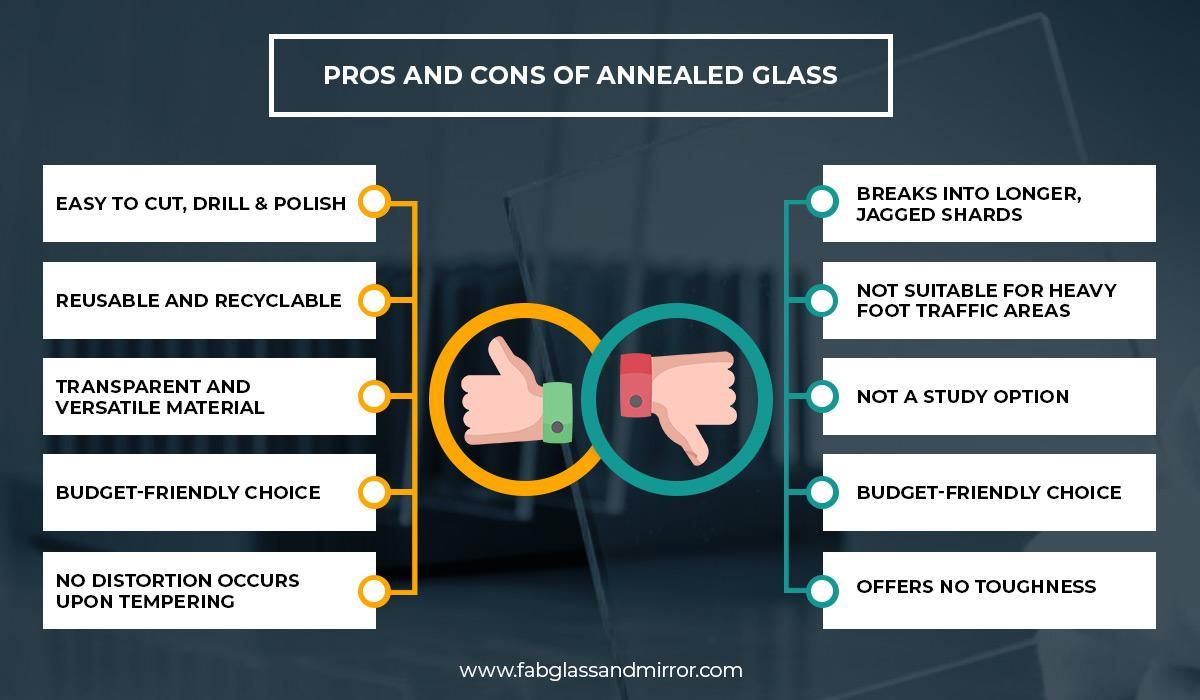
Annealed glass is the most basic form of glass, created by slowly cooling molten glass to relieve internal stresses. It’s sometimes called “float glass,” “non-tempered glass,” or “standard glass.” While cost-effective and easy to cut, making it ideal for tempered glass cutting before the tempering process, it’s fragile and breaks into large, sharp shards. This makes it unsafe for high-impact or human-contact areas unless laminated. It’s typically used where customization or budget is more important than safety.

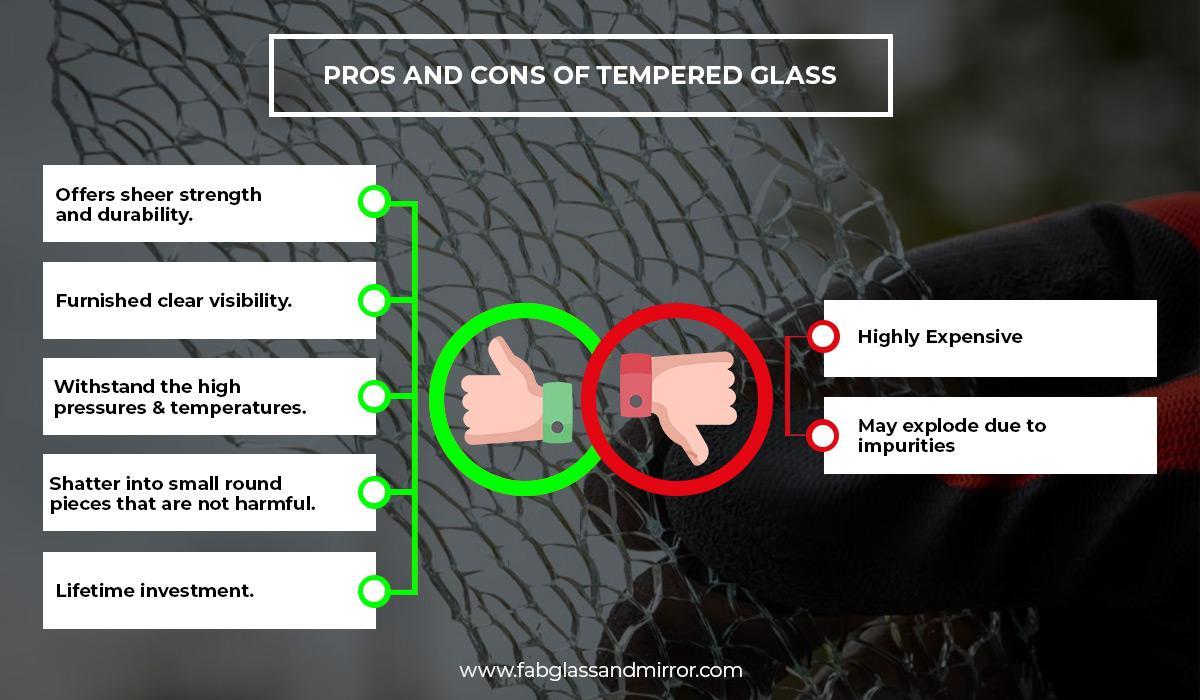
Tempered glass is a type of safety glass that’s heat-treated to be about four to five times stronger than ordinary glass. It’s created by heating annealed glass and rapidly cooling it, which builds internal tension. This makes it durable and resistant to impact. When it breaks, it shatters into small, blunt pieces that are far less dangerous. Tempered glass is used in shower doors, automobile windows, glass railings, and anywhere safety codes apply.It’s often compared in ceramic vs tempered glass discussions. Learn more about the tempering process.
When choosing glass for your project, the decision comes down to safety, cost, and customization needs. Here’s a breakdown of where each type is most appropriate:

Use annealed glass when safety is not a priority and you’re working on a low-cost, customizable project. Ideal uses include:

Use tempered glass wherever strength and safety are essential — especially in areas governed by building codes. Common applications:
In summary, annealed glass is best for budget-friendly, low-risk applications that require cutting or shaping, while tempered glass is the preferred choice for safety, strength, and durability. Though tempered glass is more expensive, its safety benefits far outweigh the cost in many home and commercial uses. When in doubt, consult professionals like Fab Glass and Mirror, a leading glass and mirror retailer ensure you’re choosing the right type of glass for your project — your safety could depend on it.
Explore all things glass—from stylish table tops and insulated options to tinted and frosted designs. Discover guides on glass railings, custom cut glass, shelves, and stunning backsplash ideas for a modern home or office upgrade.