
My Cart
You have no items in your shopping cart.



Windows are a mandatory part of every building structure. Weather insulation, ventilation, and flow of natural light are some of the main reasons for integrating windows into a building structure. However, there are a few window designs that just take the building aesthetics to a whole new level. Bay and bow window designs come at the top of this list.
Both bow and bay windows are regal architectural features. These window designs have their roots in the 17th century. However, bay and bow windows are still widely used for their aesthetic brilliance. They highlight the architectural qualities of a building and help set up a well-lit interior. There are many other structural benefits of bay and bow windows. A key consideration for homeowners is understanding how custom insulated glass can enhance the functionality of these window styles. However, the one thing that bothers most homeowners is differentiating between bow and bay windows. Just like their names, there are many other similarities in the form and function of these windows, which make it hard to tell the bay and bow windows apart. We are here with an elaborate bay vs. bow window comparison to help you differentiate between the two. So let’s dive right in.
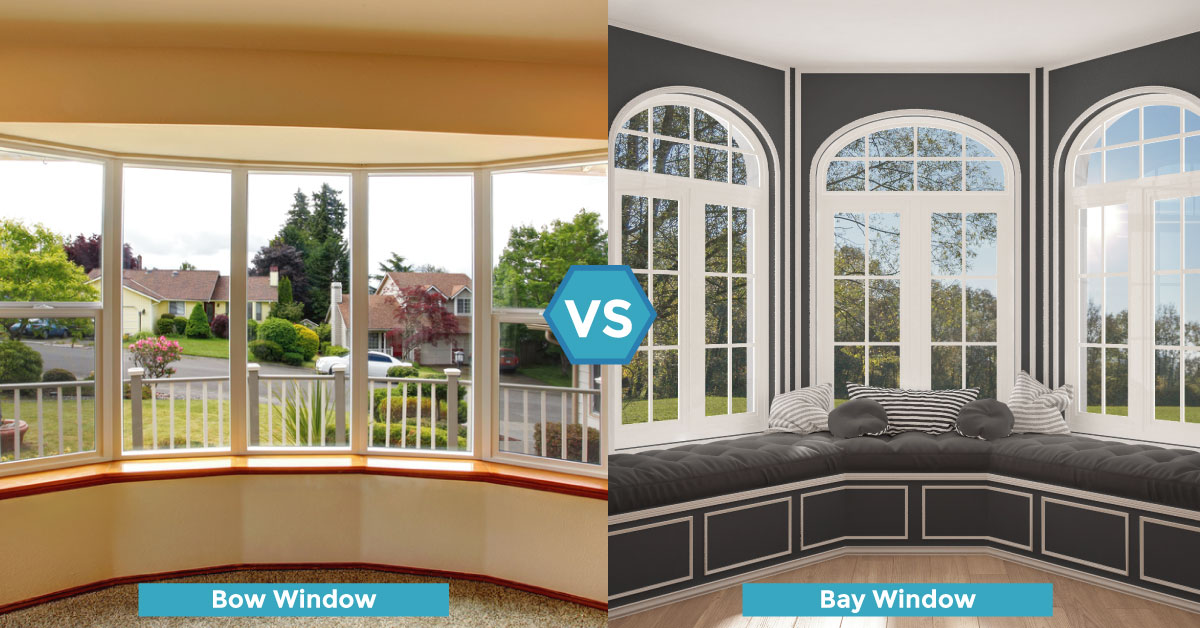
Table of Contents
Bow windows have four or more window segments in their design. All the glass panels in a bow window are of the same size and shape. The bow windows feature a subtle protrusion due to the higher number of glass panels in their structure, making them ideal for larger spaces. The seamless design can be enhanced further with an insulated glass wall, offering better energy efficiency and aesthetic appeal. These windows are more suitable for covering a larger area.
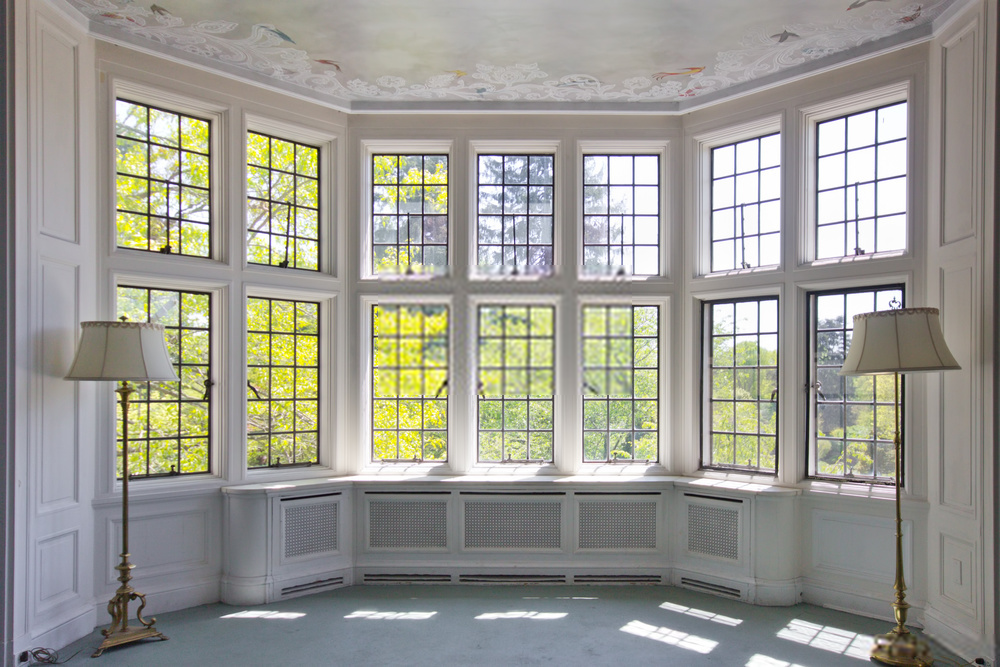
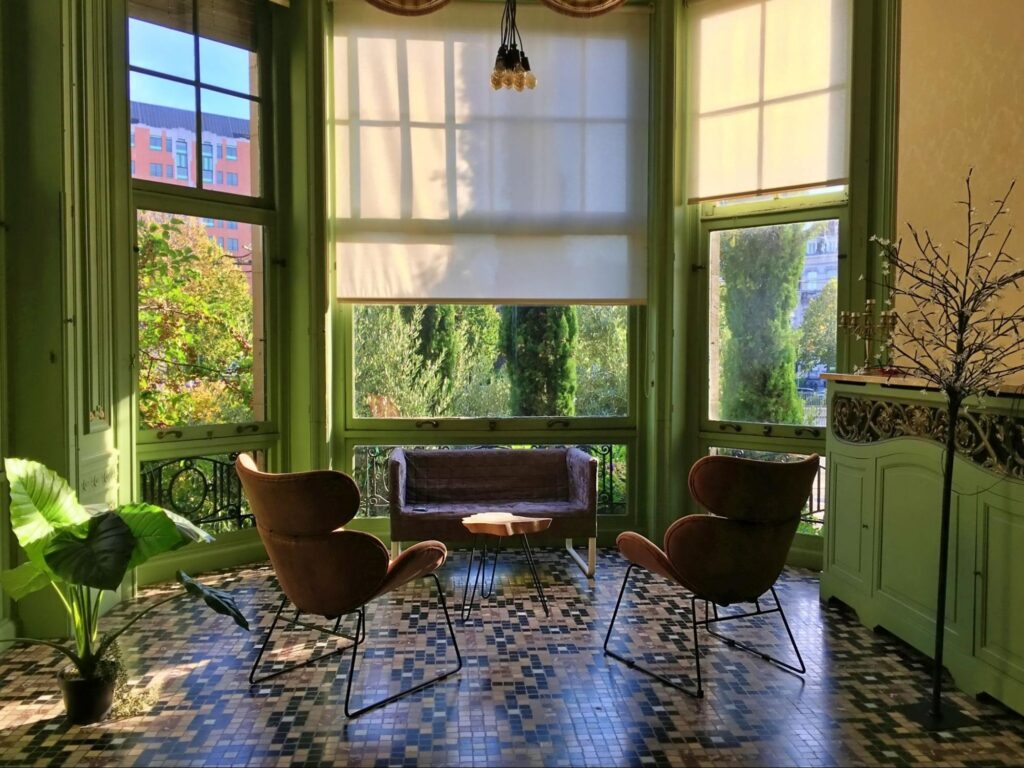
A bay window typically has three segments of glass panels that extend outwards. The middle panel is a picture window while the glass panels on either side of the picture window are operable. The side panels make an angle of 45 or 90 degrees with the central picture window to achieve convex formation.
You might not be able to identify the difference between a bay and bow window at first glance, as the variations are often subtle. Both bay and bow windows consist of multiple glass panels connected in a way that causes the window to extend outward from the house wall, creating an elegant and spacious effect. They enhance the aesthetics of both the interior and exterior of your home. However, there are functional differences that can influence your decision when choosing between them. Additionally, understanding aspects like maintenance, such as how to clean foggy glass windows, can also factor into your preference. Here’s a closer look at the distinctions between these two window styles.

The most common difference between bay and bow windows is in construction. Bay window features a combination of three glass panels while bow windows can have even five or six window panels in the basic structure.
Due to lesser glass panels, the bay window has a rather sharp protrusion while bow windows offer a subtle projection. The bow window has an arched framework that gives a curved look to the building exterior.
The size and expanse of bay and bow windows are quite different from one another. Bay windows take up less space. You can consider bay windows for a wall with at least 40-inch of window openings.
Bow windows need around 80 inches or more space to function properly. The multiple glass panels structure requires considerably large space to shine their excellence. Bow windows typically have operable glass windows that make them a better option for achieving a well-ventilated interior.
Bay windows feature a sharp protrusion due to their fewer glass panels, while bow windows provide a more subtle projection. With an arched framework, bow windows add a graceful curve to the building’s exterior, seamlessly blending style and functionality, making them an appealing choice for homeowners seeking to enhance aesthetics and even fix double pane window concerns.
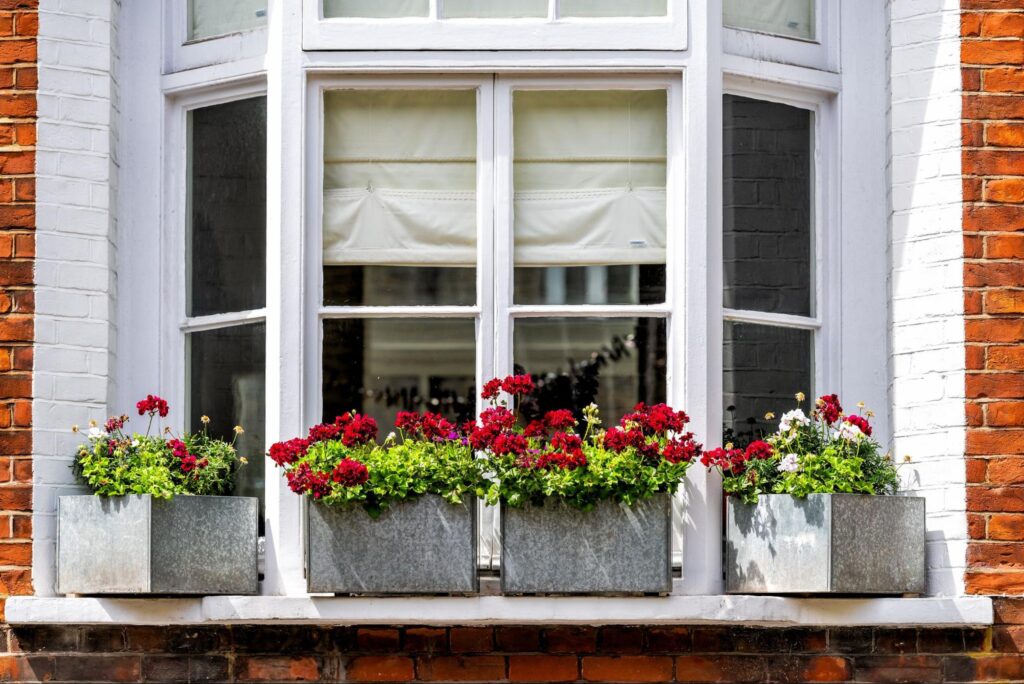
Both these windows can be integrated into any home, however, the bow windows are most commonly seen in classic Victorian-style homes. The quintessential arched shape of bow windows gives a royal vibe to the home. While bay windows are a statement design feature of contemporary homes. The window seat along the bay windows also gives a futuristic feel to the interior.
Due to the central fixed window, the bay window is better at saving energy as compared to the operable bow window. A fixed panel bow window, however, is the better of the two for achieving high energy efficiency.
In order to cater to the issue of energy efficiency, insulated glass can be used. Insulated glass completely blocks the flow of air through the glass panels. Bay and bow windows especially need energy-efficient glass because they cover a considerable wall space leaving more opportunities for the outside air to enter and affect the interior temperature. So it’s important to choose the right glass type for the protruding windows.
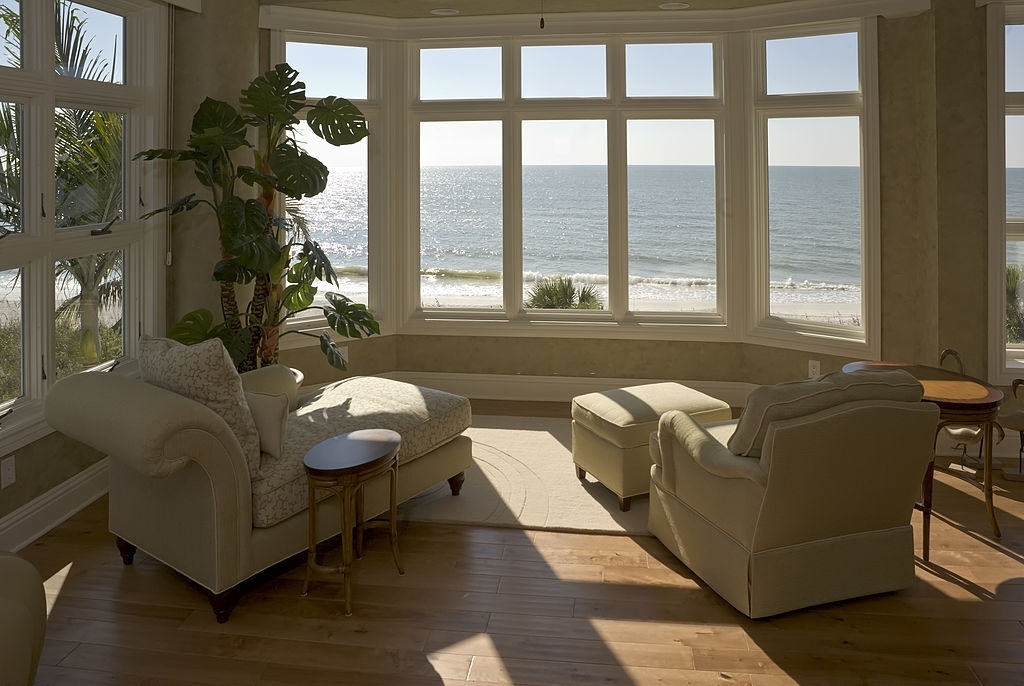
Illumination and ample airflow are the key traits of bow and bay windows. Both of these window designs extend on a wider space than a standard window. So it is beyond doubt that the light flow is better in the case of bay and bow windows.
As bow windows have more glass panes and fewer frames so they typically perform better at illuminating the space than bay windows. Bow windows are available in fixed and operable variants. If you want better air circulation, go for movable bow windows. But if the purpose is only to illuminate the interior space, then fixed bow windows would be a better choice for adding value to the architecture. Bay windows on the contrary follow the standard rule of two operable and one picture windows. If you are looking for moderate airflow, the bay window is the window style for you.
Considering the size and amount of glass panels used, a bow window costs more than a bay window. But it is to be noted that both bay and bow windows are pricier than the standard window styles.
A standard bay window costs around $1000 at the low-end and the price can go up to $7500 for high-end customizations. On the other hand, the price of a bow window depends on the number of panels used. The price increases with the number of glass panels. For a standard 5-panel bow window expect to pay an average of $3500 to $5000. While a standard 6-panel bow window costs around $4000 to $6000. For high-end bow window customizations, you should set $10000 to $15000 aside as the budget.

Key Takeaway!
Both bay and bow windows come under the category of a remarkable window design. Whether you choose a bow or a bay window, it would surely give your home structure an aesthetic push. You can effectively achieve a more contemporary look with these windows. Companies like glass and mirror company can assist you in finding the perfect design to suit your space. So get the protruding windows installed in your home and set up your favorite corner alongside the window.
Explore all things glass—from stylish table tops and insulated options to tinted and frosted designs. Discover guides on glass railings, custom cut glass, shelves, and stunning backsplash ideas for a modern home or office upgrade.