
My Cart
You have no items in your shopping cart.

Mirrors are more than just reflective surfaces, they shape the light, mood, and spaciousness of any room. The right mirror can make a small room feel larger, elevate your décor, or even serve as a statement piece of art.
Yet most homeowners face a similar dilemma: what type of mirror should I choose?
In this definitive guide, we will explore the different types of mirrors, their designs, materials, and best uses and help you understand how to choose the right mirror for your space.

Table of Contents
Not all mirrors are created equal. Some are built for precise reflection, others for atmosphere and design. Broadly, mirrors fall into two categories:
Technical Mirrors: Defined by their reflective surface and shape (plane, concave, convex).
Decorative Mirrors: Defined by their frame, finish, mounting style, and intended use.
In home design, these categories often overlap. Let’s break them down.
These are the scientific foundations of all mirrors, the base for both decorative and functional use.
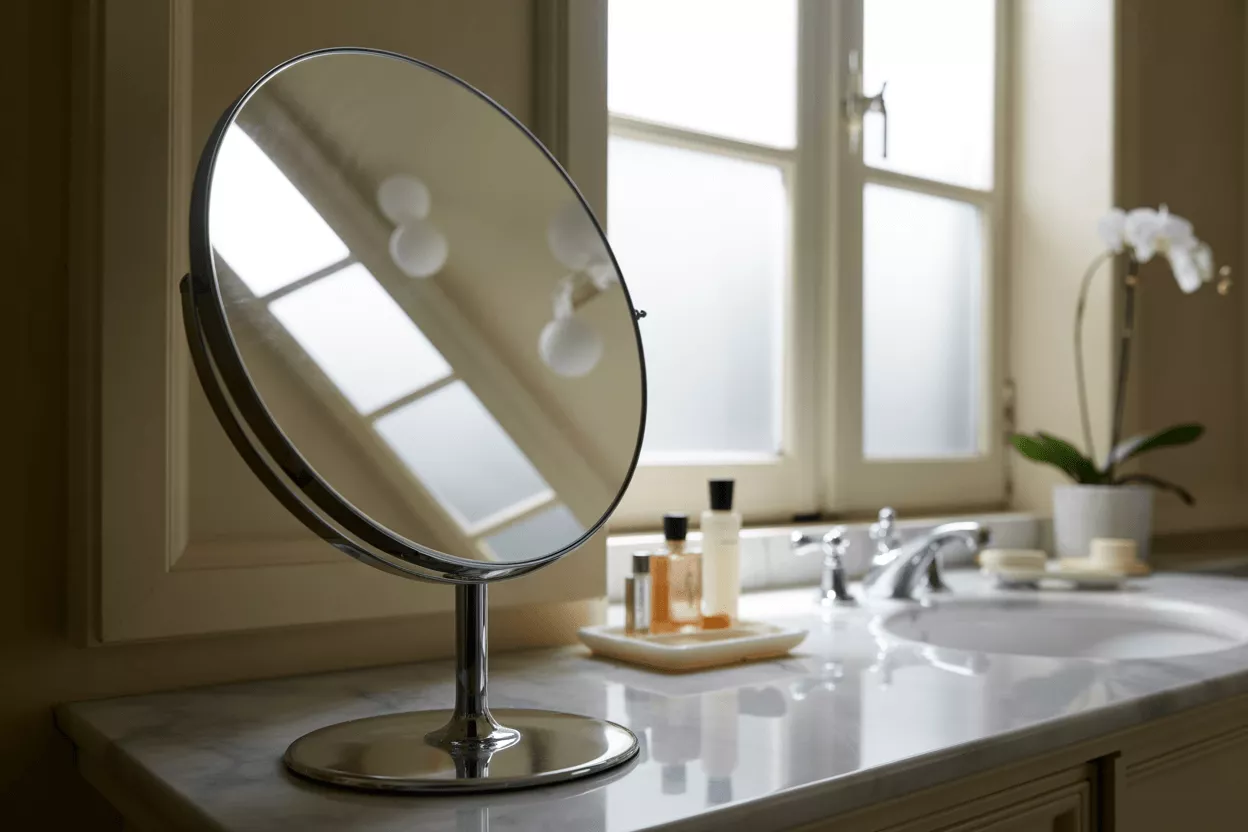
Design Tip: Perfect for close-up tasks requiring precision, shaving, grooming, or makeup application.
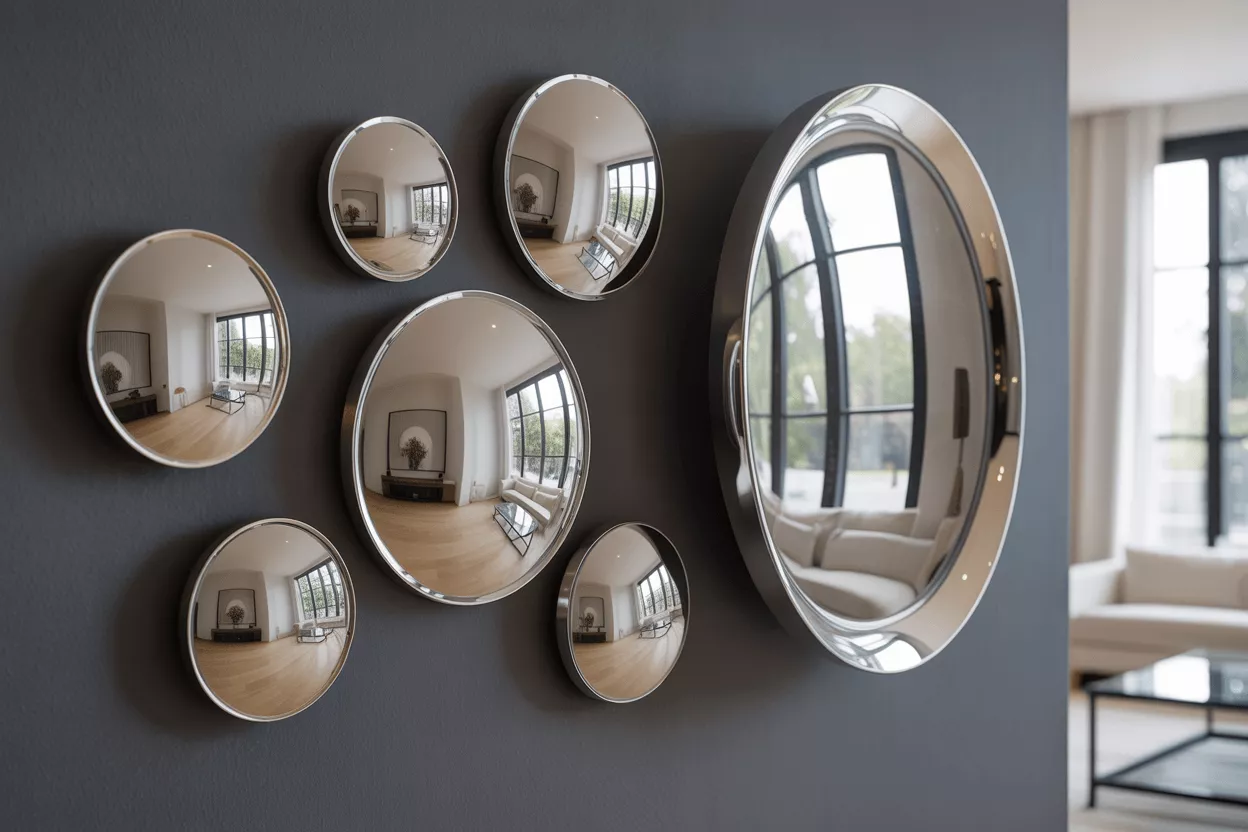
Design Tip: Try small convex accent mirrors to add artistic curvature to modern interiors.
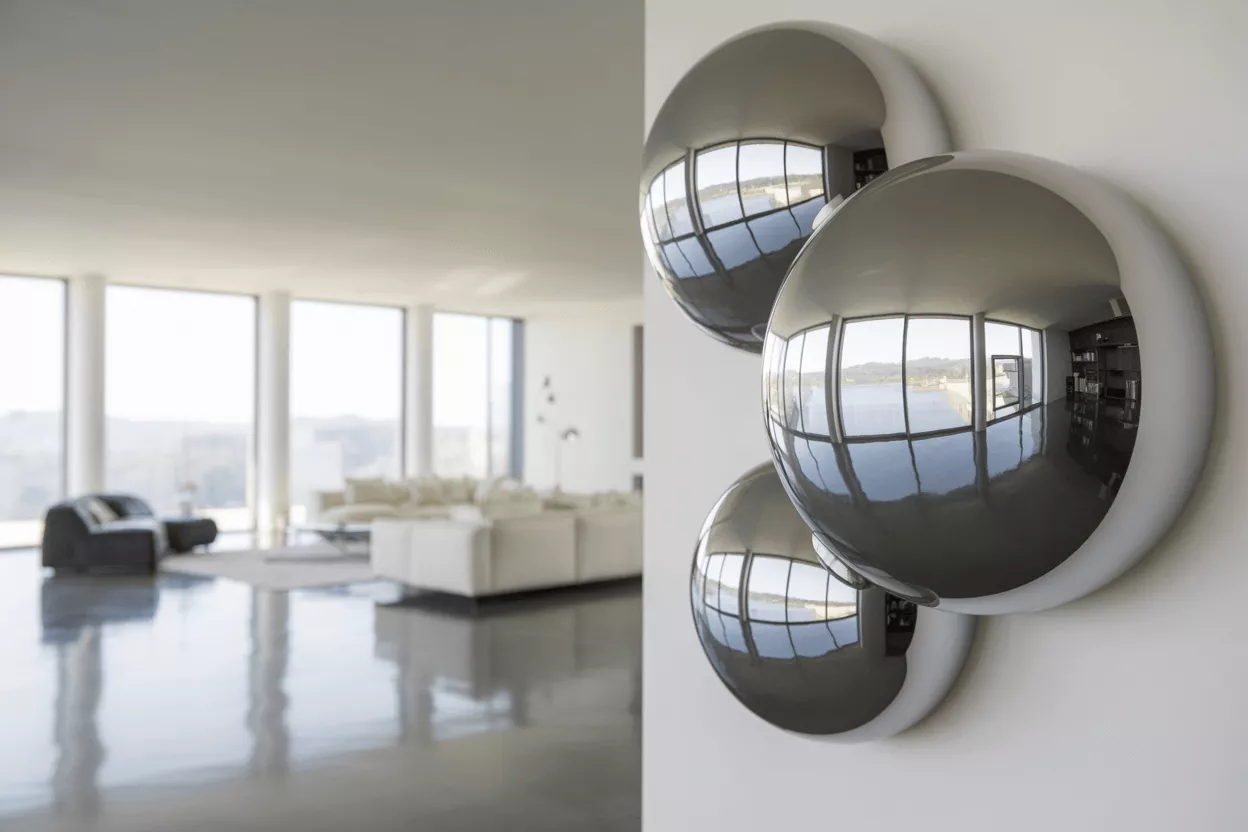
Design Tip: When installed in open-plan rooms, spherical mirrors create captivating panoramic reflections.
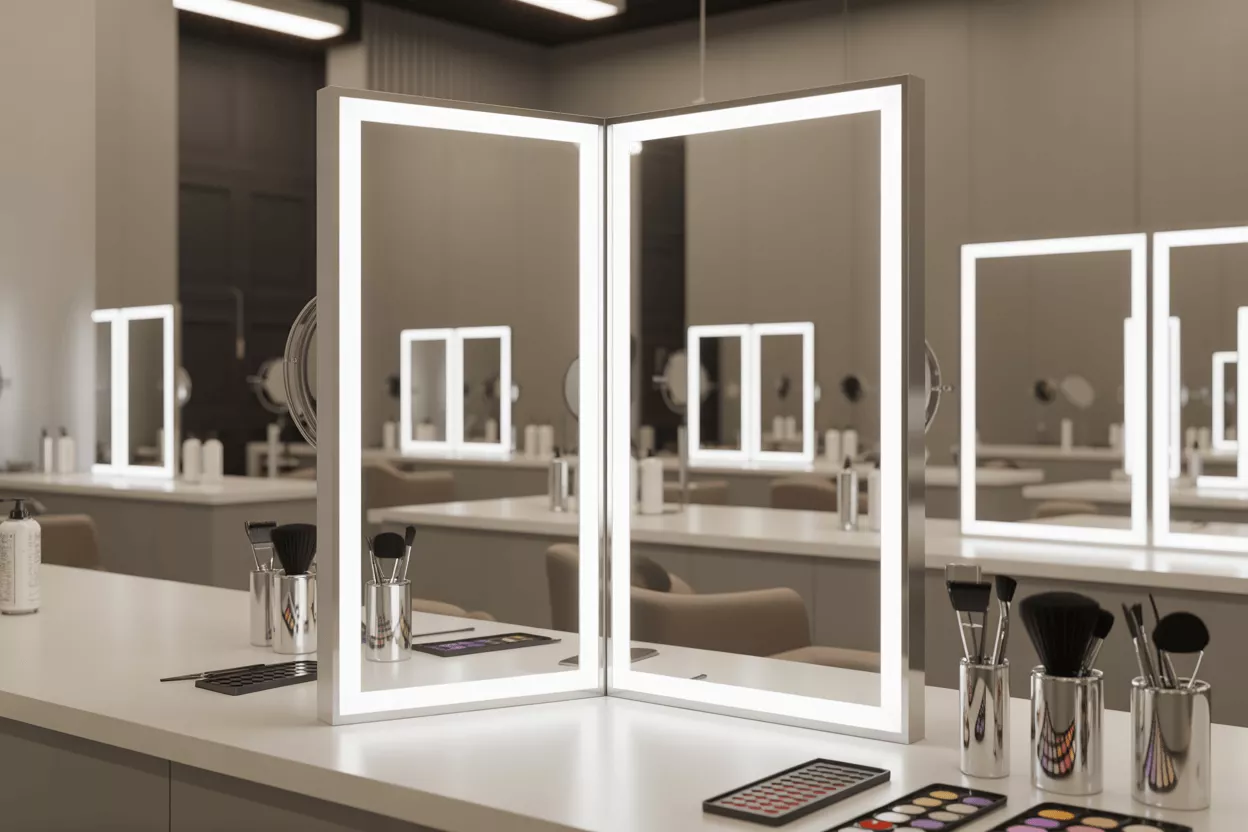
Design Tip: Ideal for clients who need true perspective, makeup professionals and stylists often use them for color accuracy.

Design Tip: For residential design, use two-way mirrors over embedded TVs or smart displays for a seamless tech-meets-design experience.

Design Tip: In home use, a highly reflective mirror can intensify brightness in dark hallways or windowless rooms.

Design Tip: These are versatile and cost-effective, blending seamlessly with any frame or décor style.
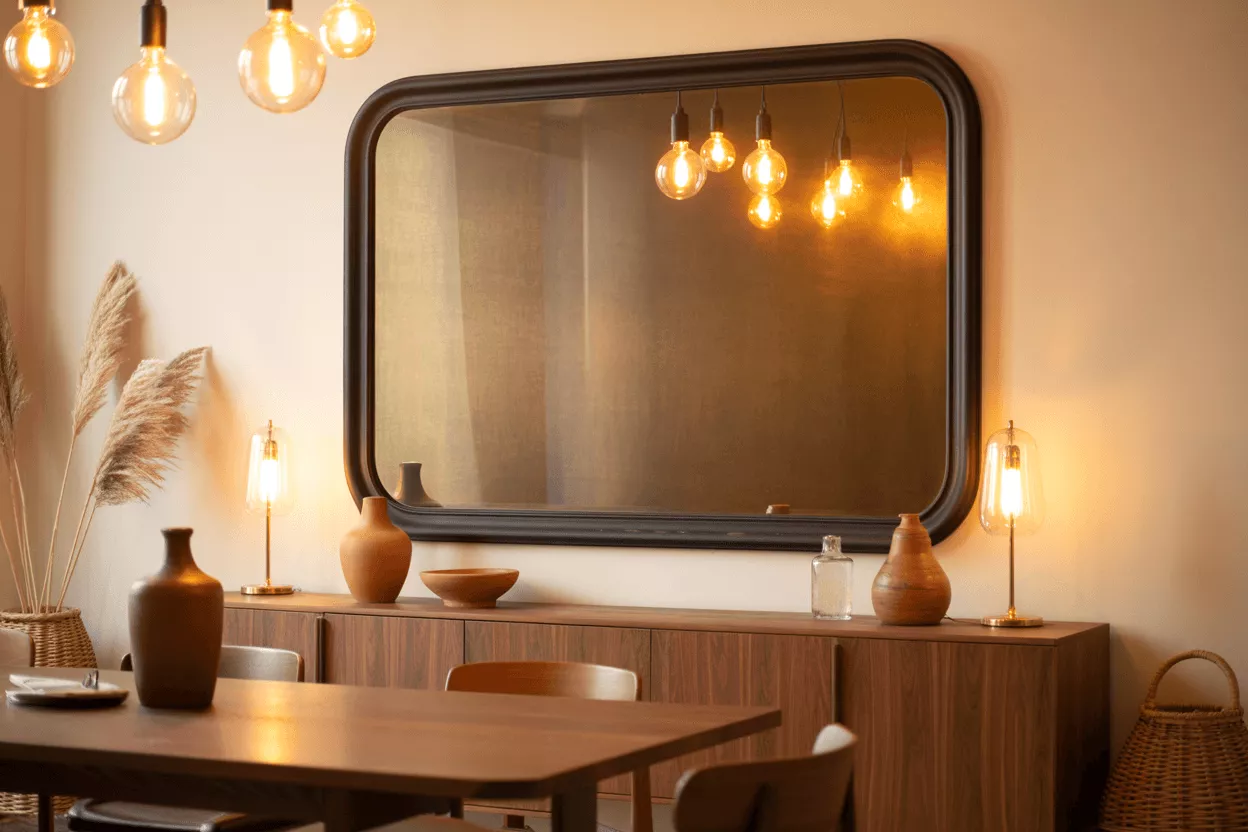
Design Tip: Perfect for interiors with wooden or earthy palettes; they create a cozy, ambient glow.
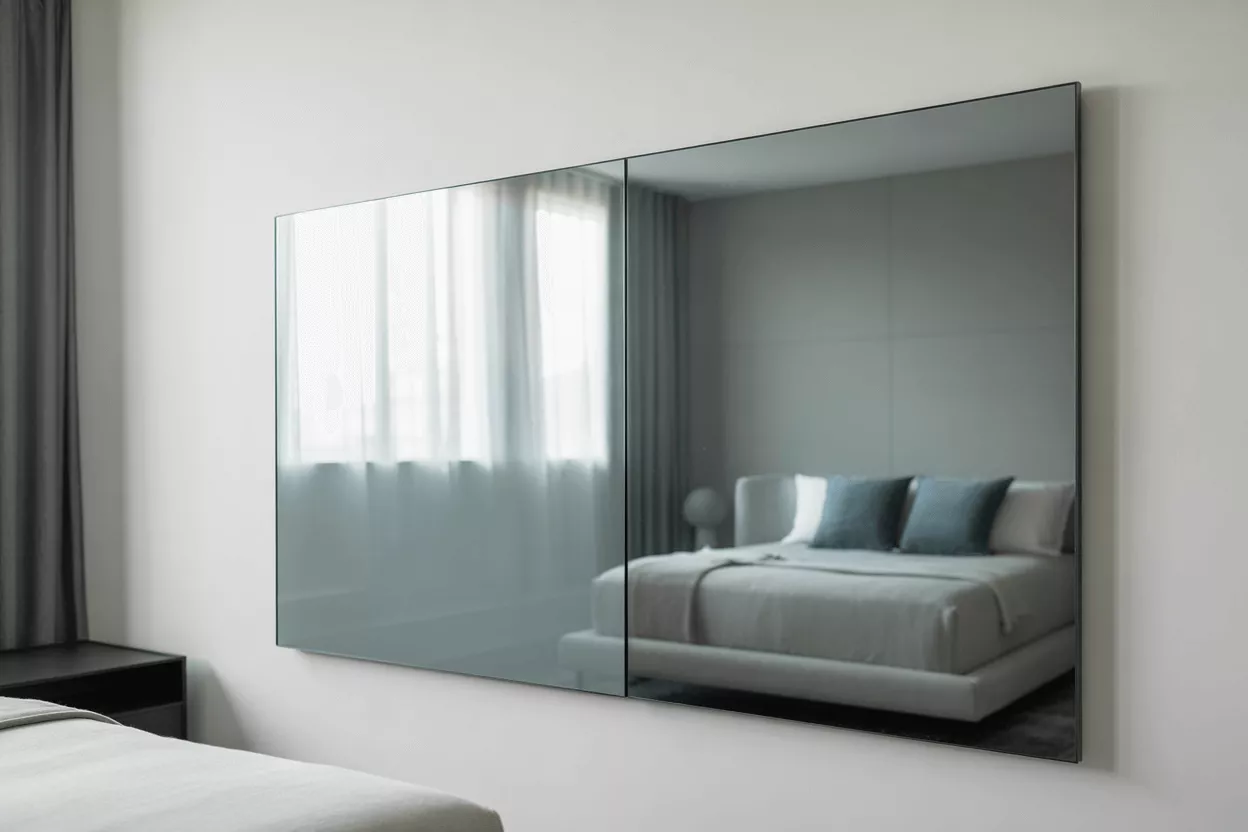
Design Tip: Combine gray mirrors with metallic frames for a sleek, urban aesthetic.
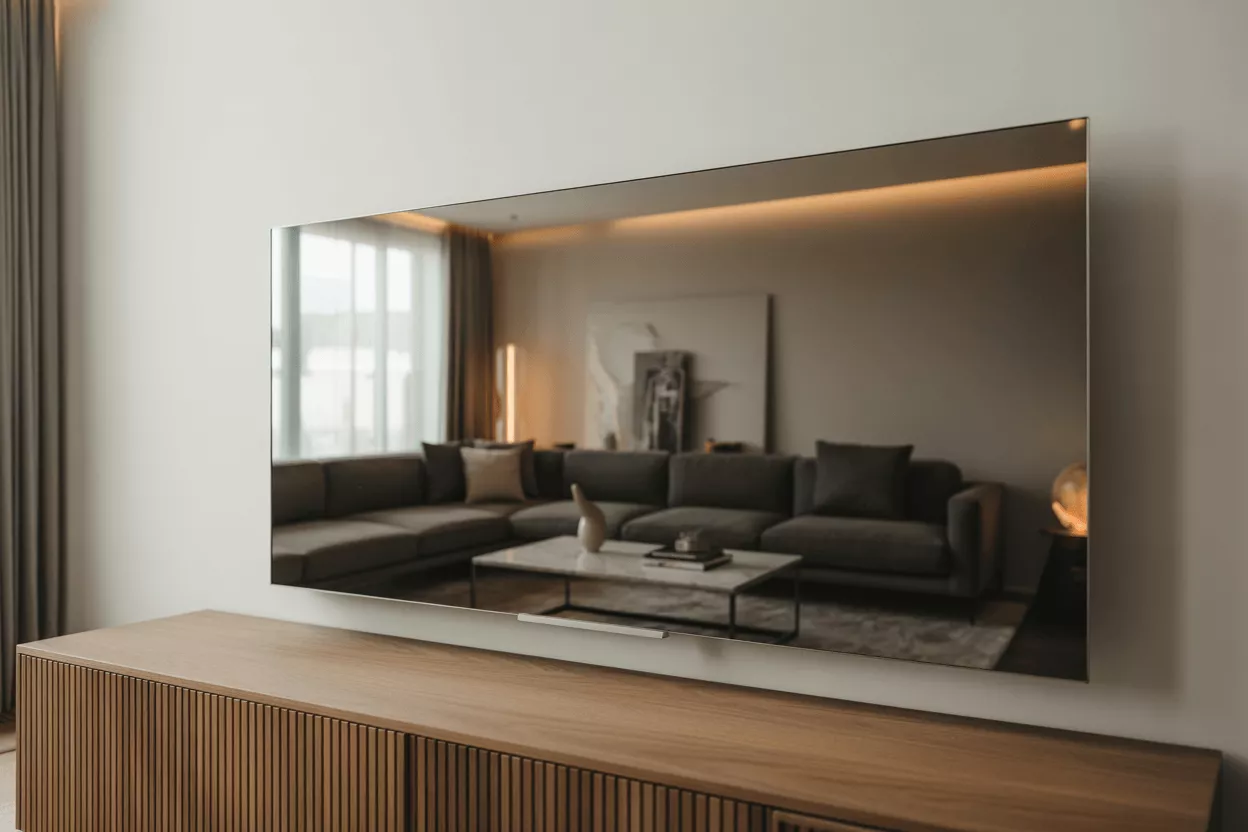
Design Tip: Ideal for high-end spaces integrating media and décor, use MirrorView glass to disguise TVs behind elegant reflective panels.
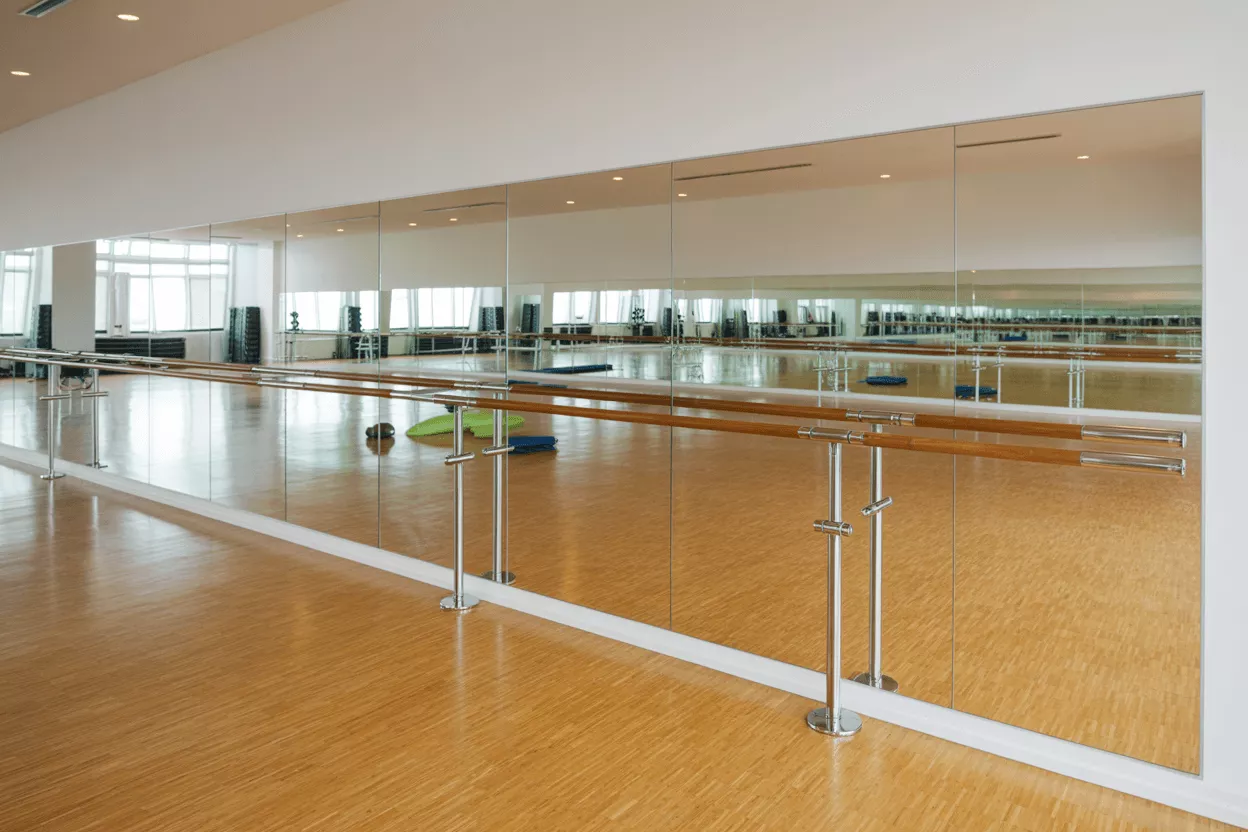
Made from highly reflective metalized film instead of glass, resulting in a lightweight and shatterproof design.
Design Tip: Choose glassless mirrors where weight or safety is a concern, they provide crystal-clear reflection without risk of breakage.
Can’t find a mirror that fits your wall size or décor?”
Get a custom-cut mirror tailored to your exact dimensions, finish, and style, crafted with precision by Fab Glass and Mirror experts.
This is where mirror selection becomes art, choosing the right shape, frame, and placement to complement your home’s architecture.
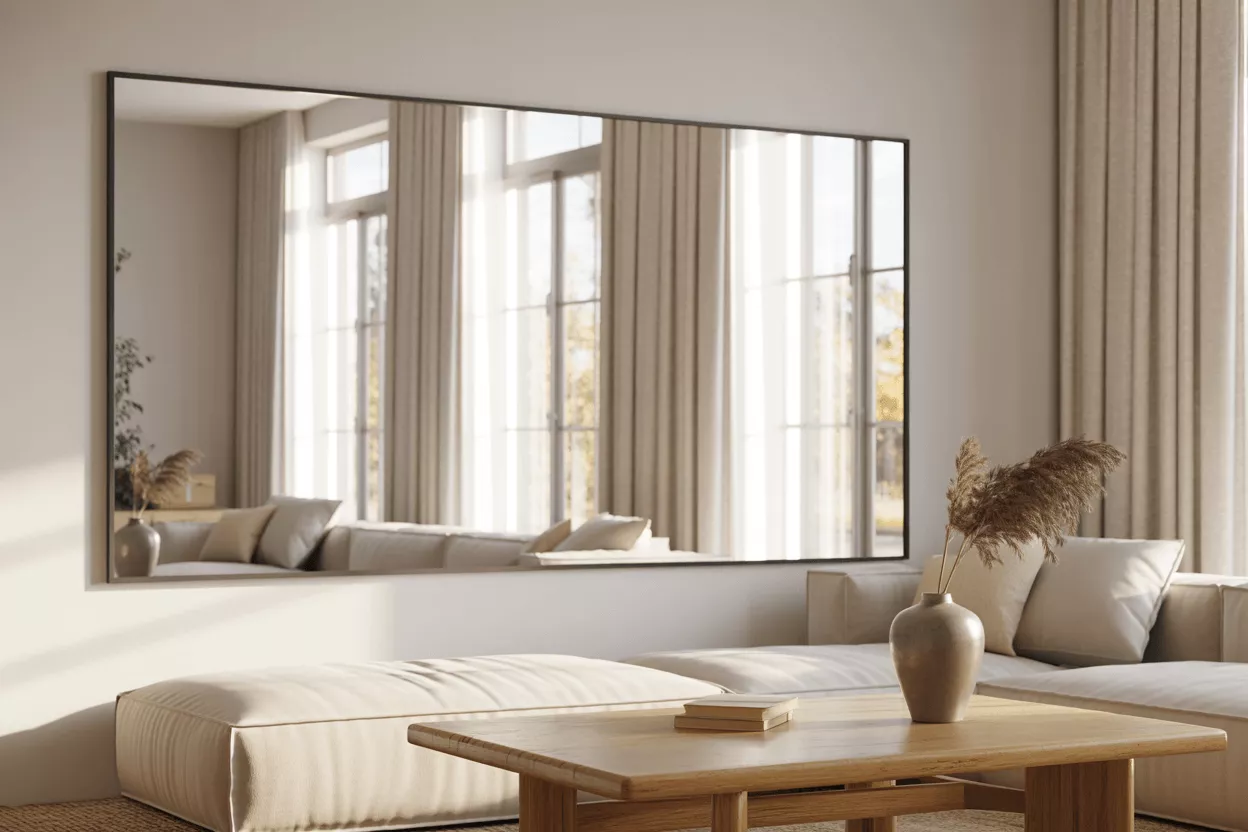
Style Insight: Position a wall mirror opposite a window to amplify natural light and open up the room.

Design Tip: A framed floor mirror leaning slightly against the wall creates an effortless, luxurious vibe.
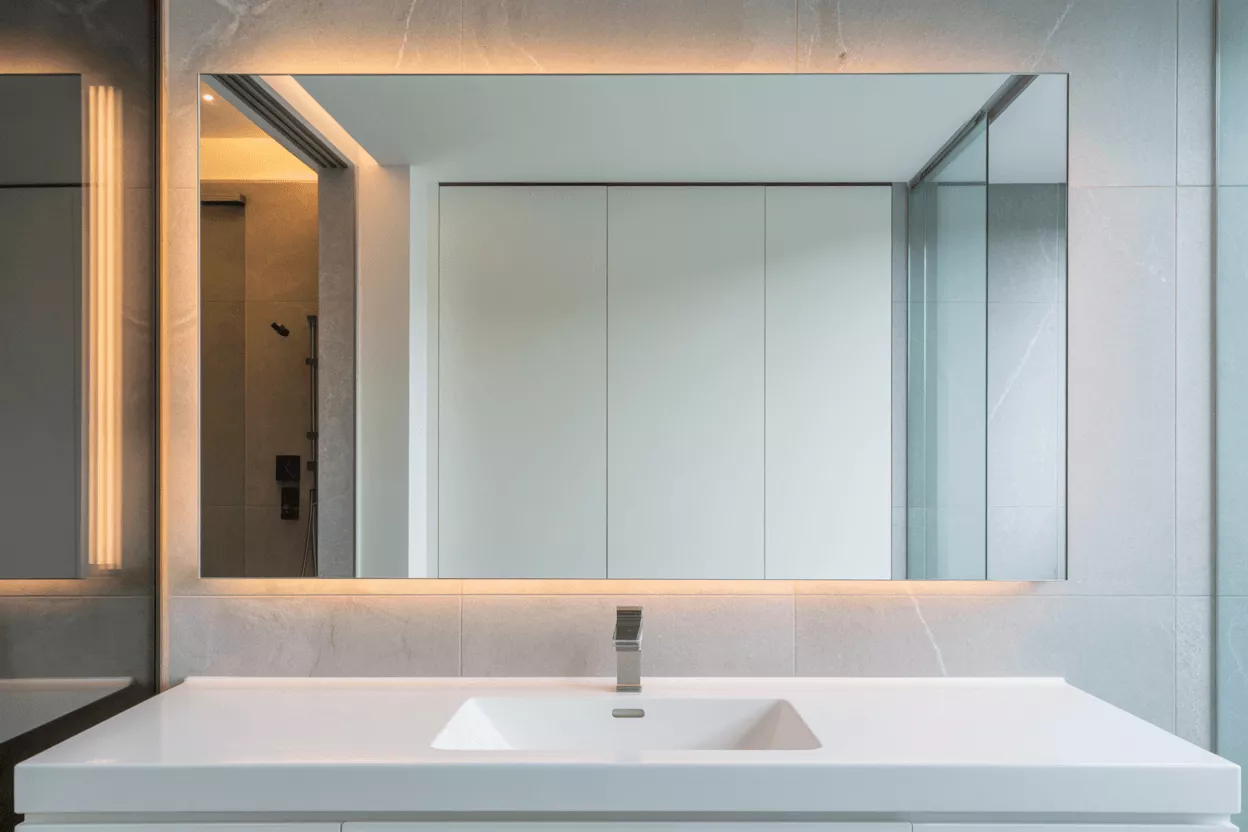
Design Tip: Upgrade to LED-backlit or anti-fog mirrors for a blend of beauty and utility.

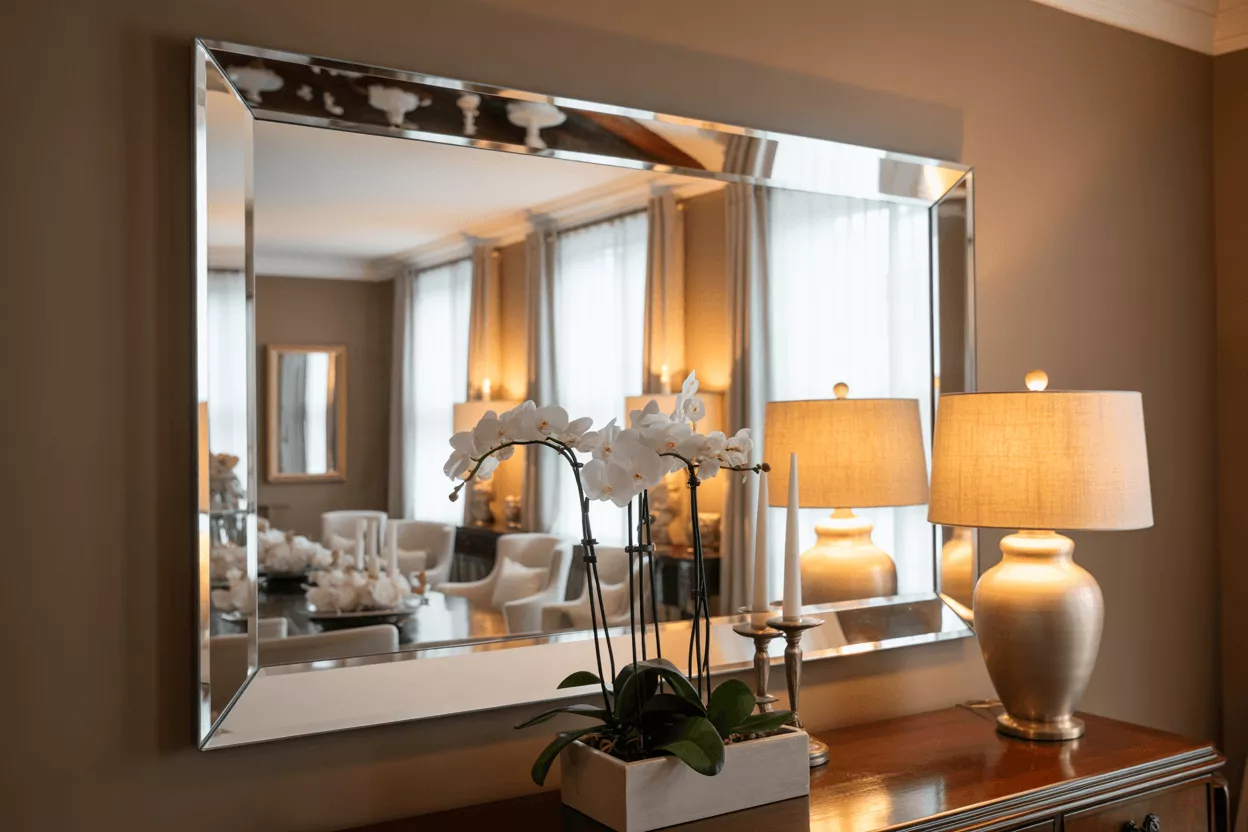
Design Tip:Match frame color with existing furniture tones for cohesion.
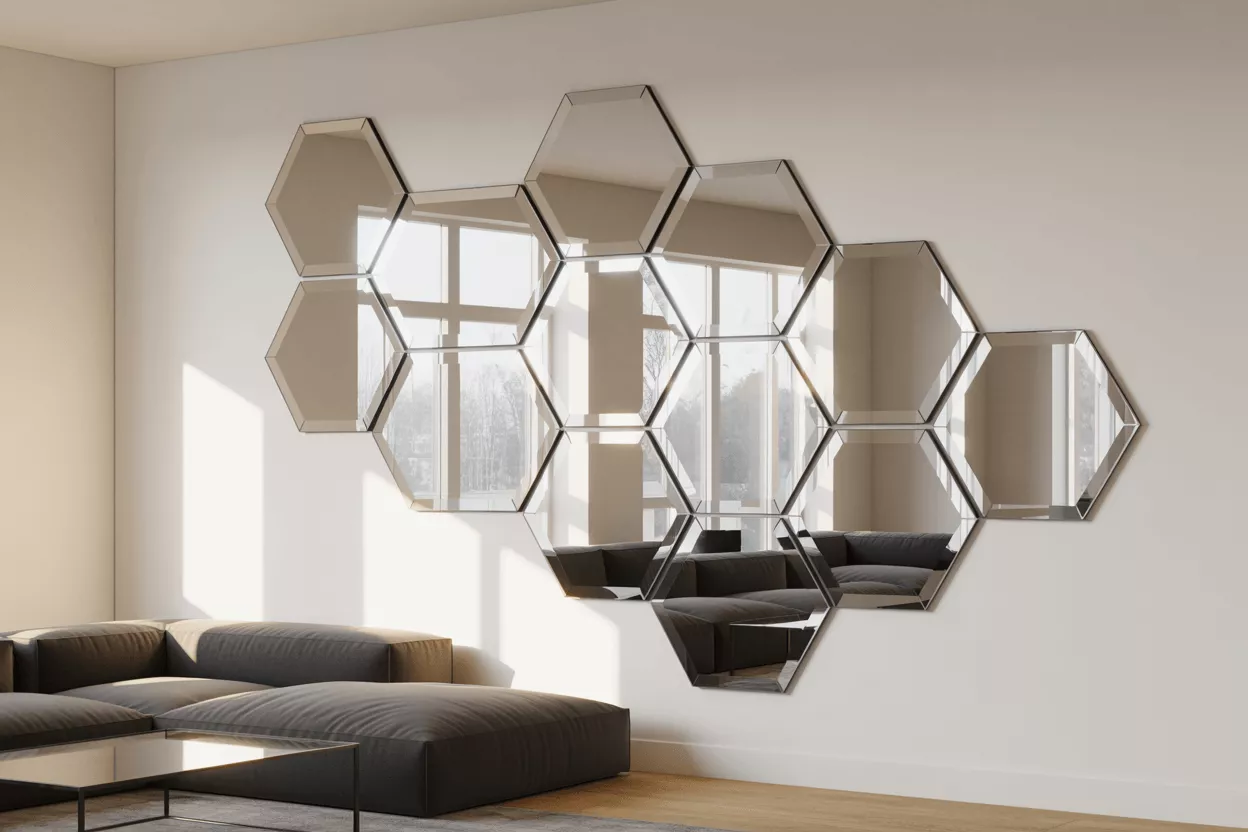
Design Tip: Use multiple frameless mirrors in geometric arrangements for an artistic statement wall.
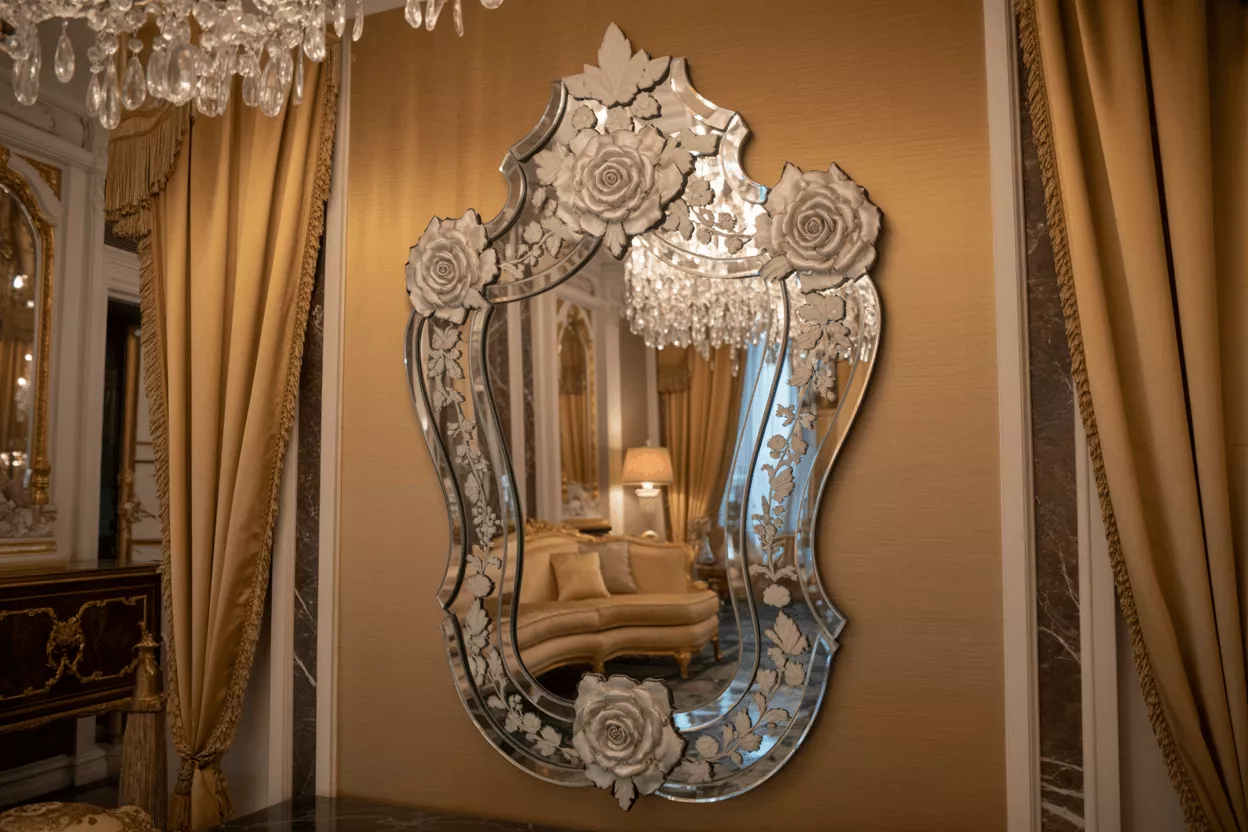
Design Tip: Pair with crystal lighting to accentuate their craftsmanship.
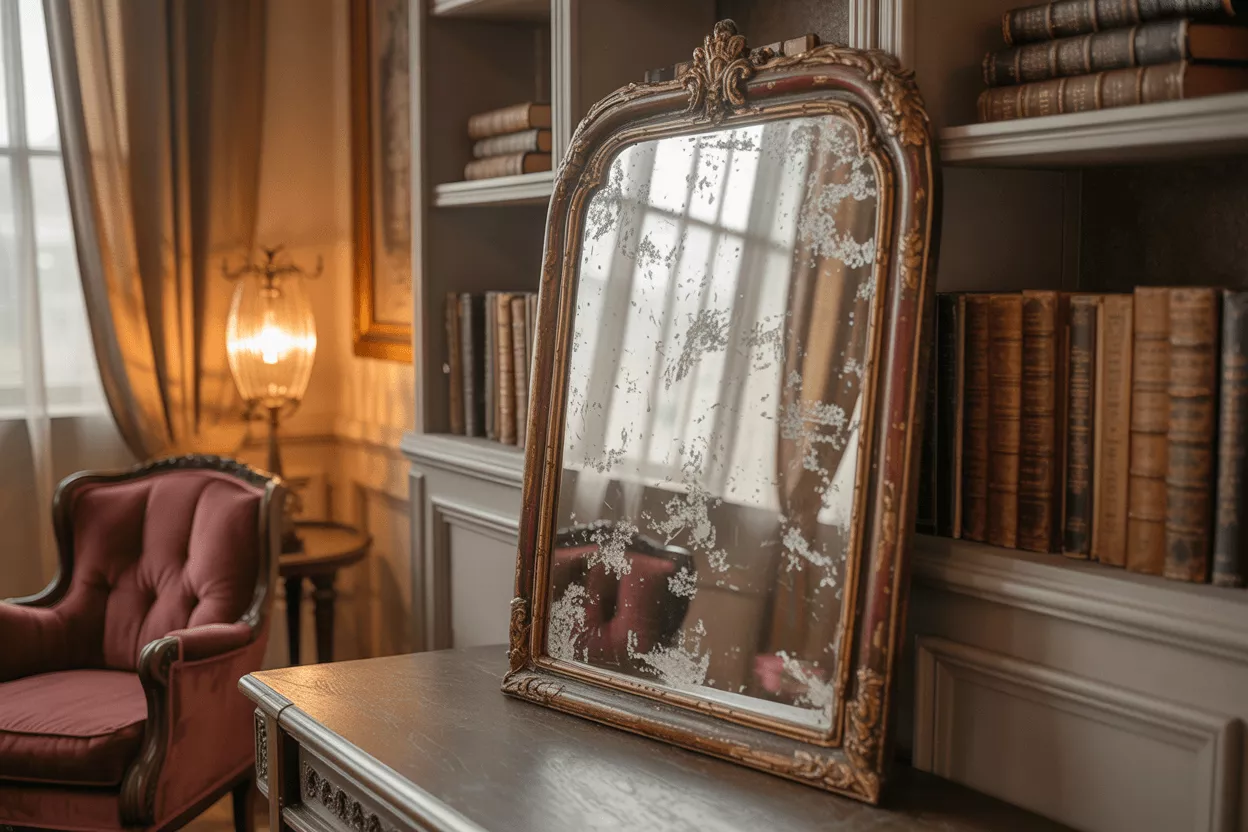
Design Tip: Use sparingly as accent pieces, their visual weight can dominate a small space.
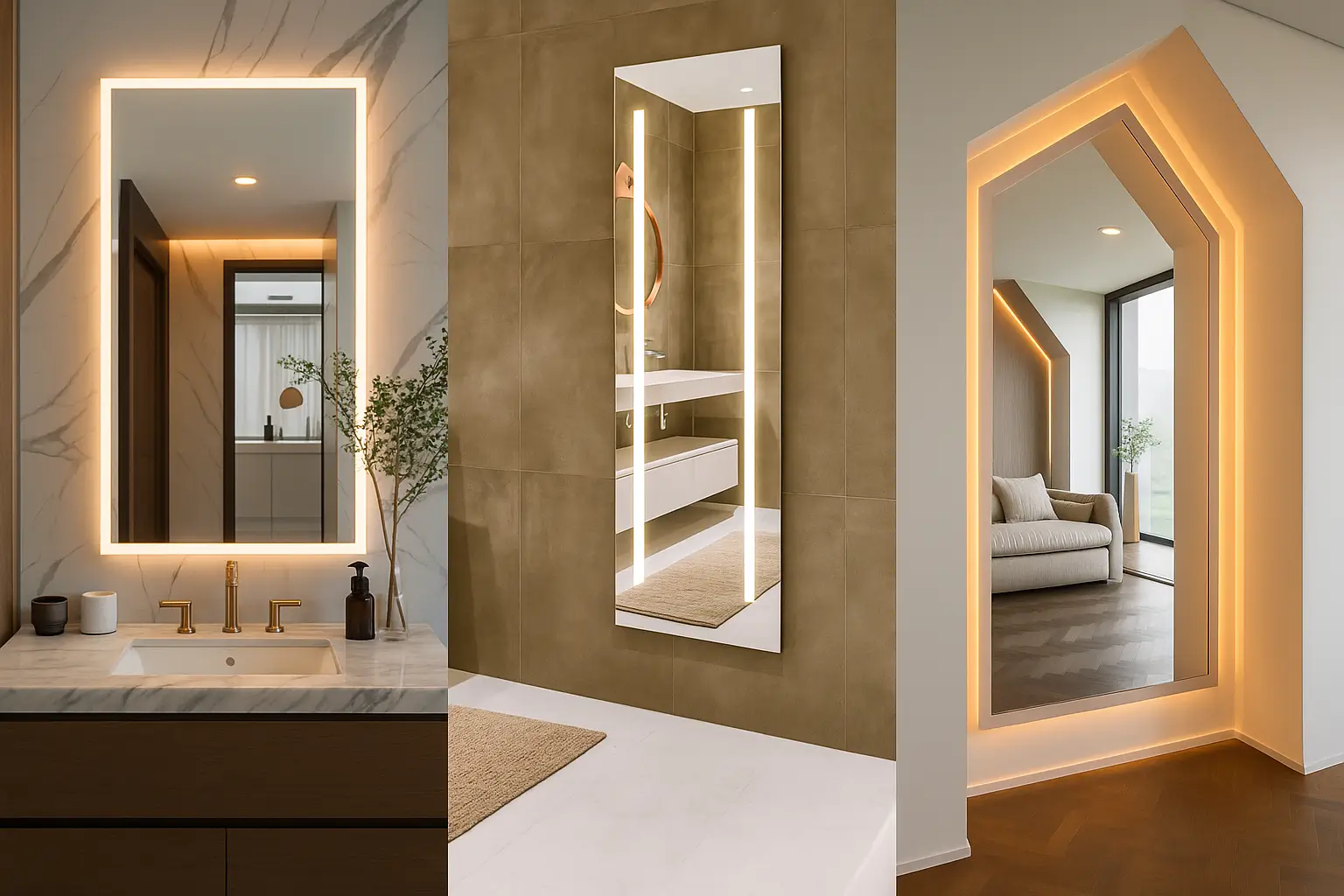
Innovation has expanded the mirror landscape far beyond simple reflection.
Integrated with built-in lighting, perfect for bathrooms or vanity spaces.
Mirrors with digital displays for time, temperature, or personal reminders.
Tailored to any dimension, shape, tint, or finish.
Design Tip:Custom-cut mirrors from Fab Glass and Mirror can fit alcoves, sloped ceilings, or oversized walls with precision.
Looking for a stylish LED mirror that brightens your bathroom or vanity area?
Transform your space with energy-efficient LED mirrors that combine elegance, illumination, and modern technology.
Different shapes evoke different visual effects. Selecting the right one helps harmonize a room’s geometry.
| Shape | Effect | Best Room Type |
| Round/Oval | Softens angular rooms, adds organic flow | Living rooms, bedrooms |
| Rectangular | Emphasizes height or width, creates structure | Hallways, bathrooms |
| Square | Balanced, symmetrical | Modern or minimalist designs |
| Arch/Irregular | Adds creativity and focal interest | Entryways, artistic interiors |
The frame transforms a mirror from functional to expressive.
A gold or brass frame can add warmth to cool-toned rooms, while black frames anchor light-colored spaces with bold contrast.
Along with mirror, there are different mounting styles. Some types of mirrors are freestanding while the others are fixed on the wall. The choice of the right mirror highly depends on its style. Therefore, we are covering different mirror styles here.
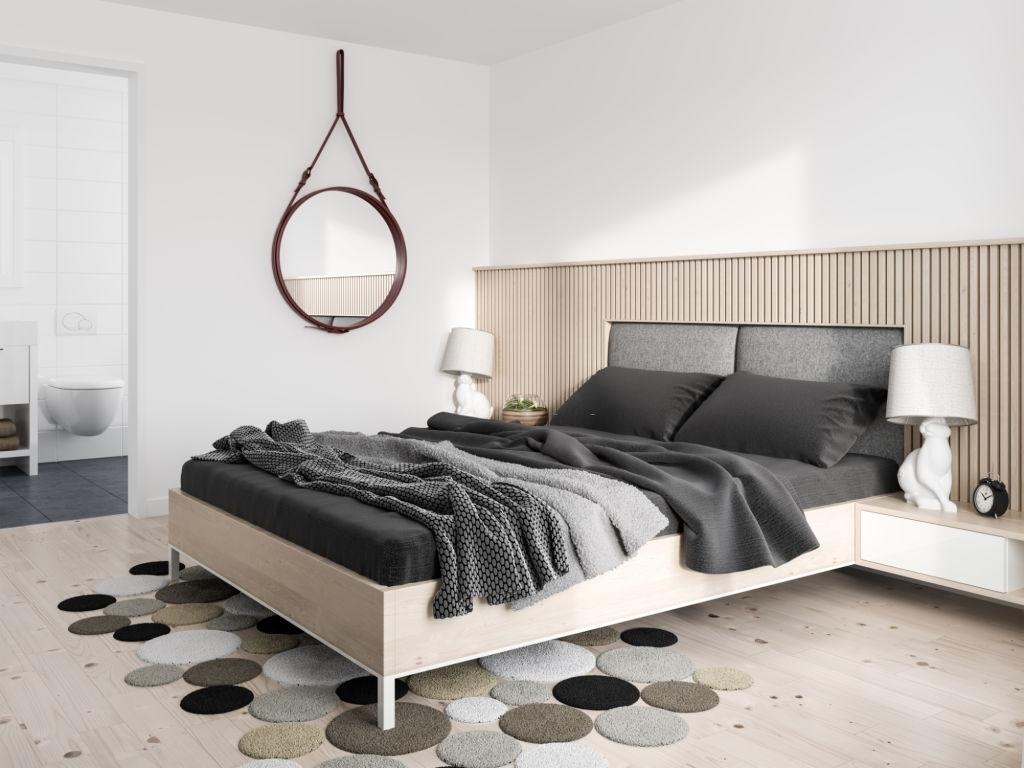
We all are familiar with hanging mirrors. This is the most common style of mirrors. Lightweight mirrors can easily be hung using a rack or hanging while heavy-duty wires and even French cleats are used to hang large and heavy mirrors. These mirror types can be hung on walls, doors or even closets. They are available in every shape, size and design. You also have the option to buy custom mirrors.
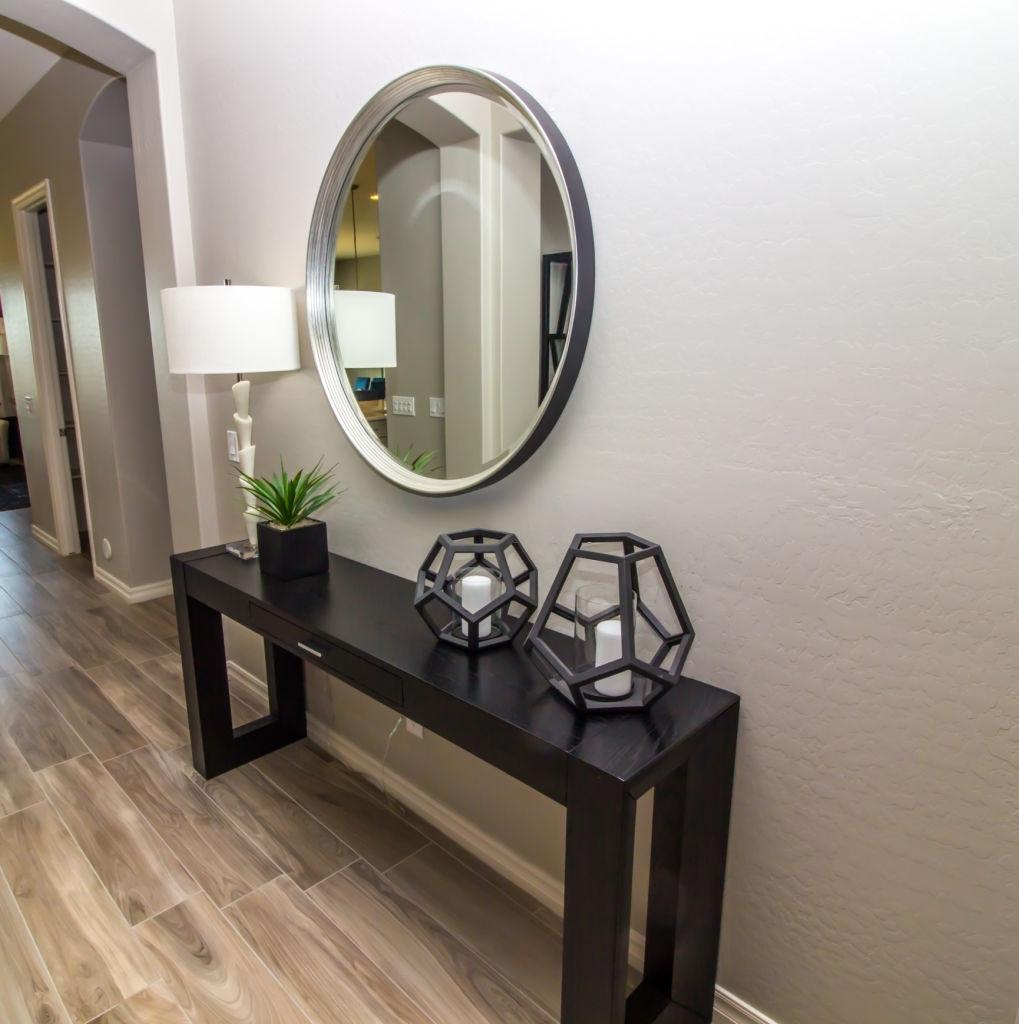
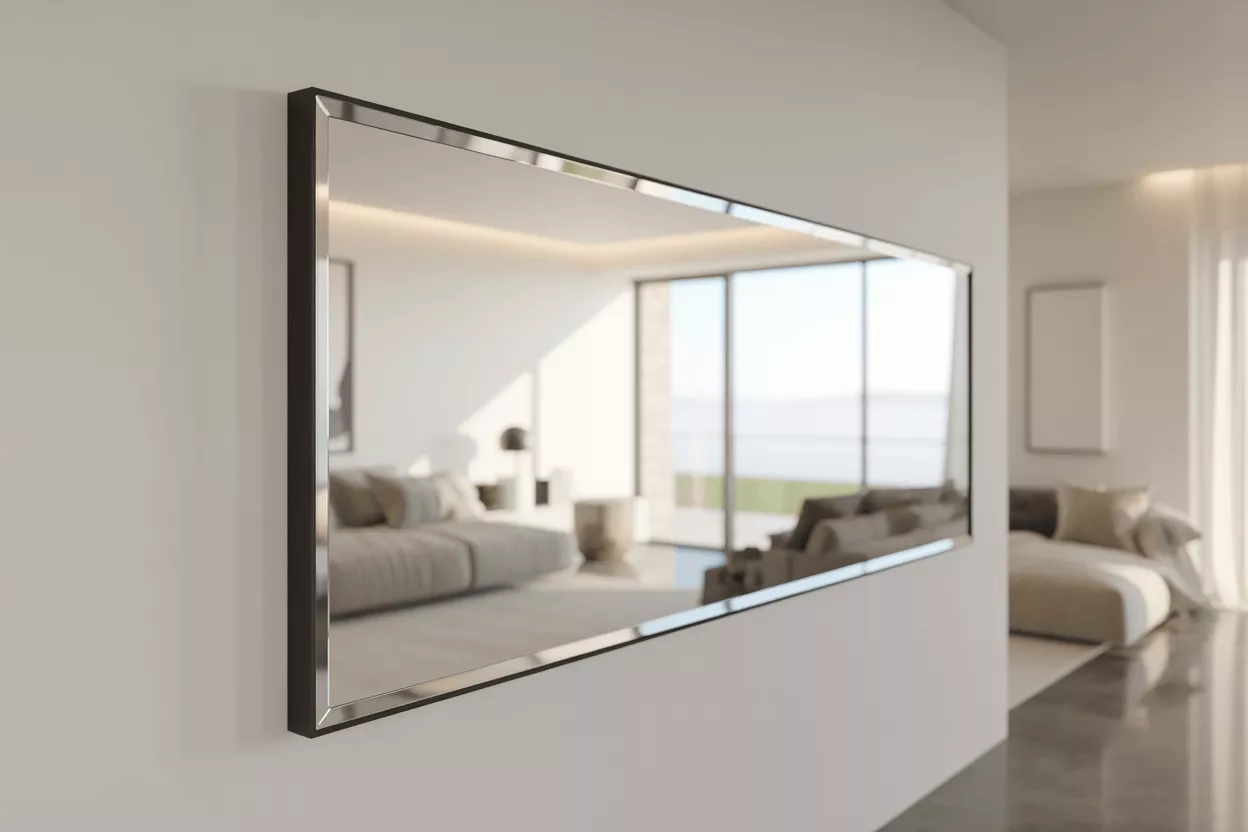
Wall-mounted mirrors are fixed on the walls. They can be huge as well as small in size. These mirrors can be fixed with a mounting tape or specified wall-mounting hardware. Wall-mounted mirrors are a practical choice for small interiors as you can effectively save some floor space by incorporating them.
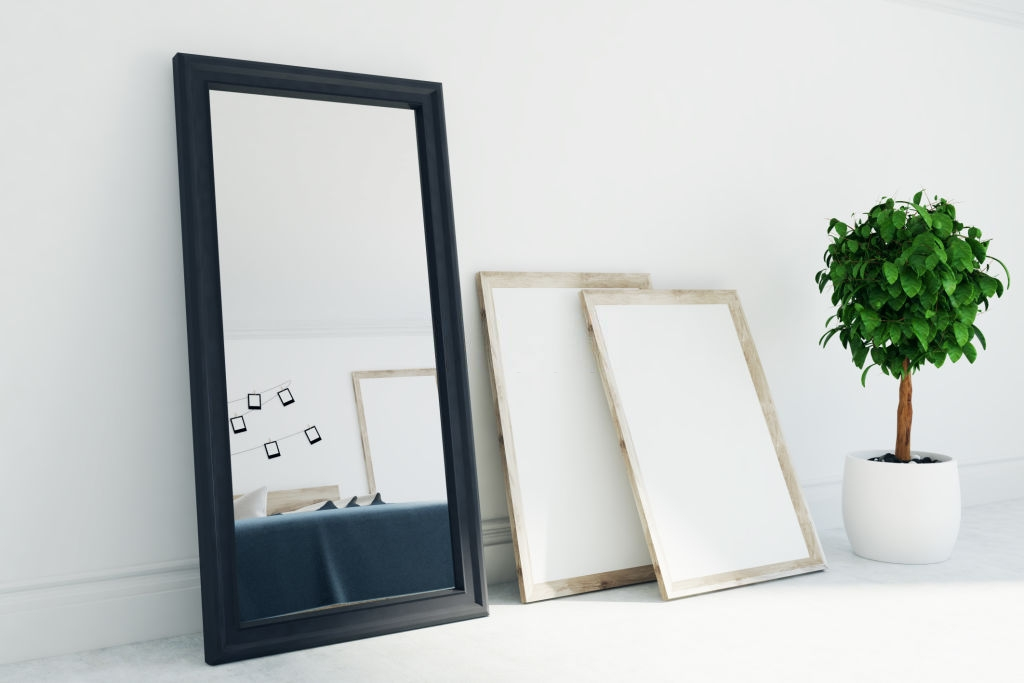
Free standing mirror comes with standing support. They are usually full-length mirrors. Freestanding full length mirrors are considered a mist part of the contemporary interiors as they add a futuristic flair to the space. They are portable and simple to set up. Some freestanding mirrors also come with storage racks and hanging ladders which make them a multipurpose design element.

Leaning mirrors are another popular type of full-length mirror for contemporary interiors. These full-length mirrors don’t have a support stall, instead they lean along the wall. Leaning mirrors can be used as a statement piece for sitting areas or a functional item in dressing rooms.
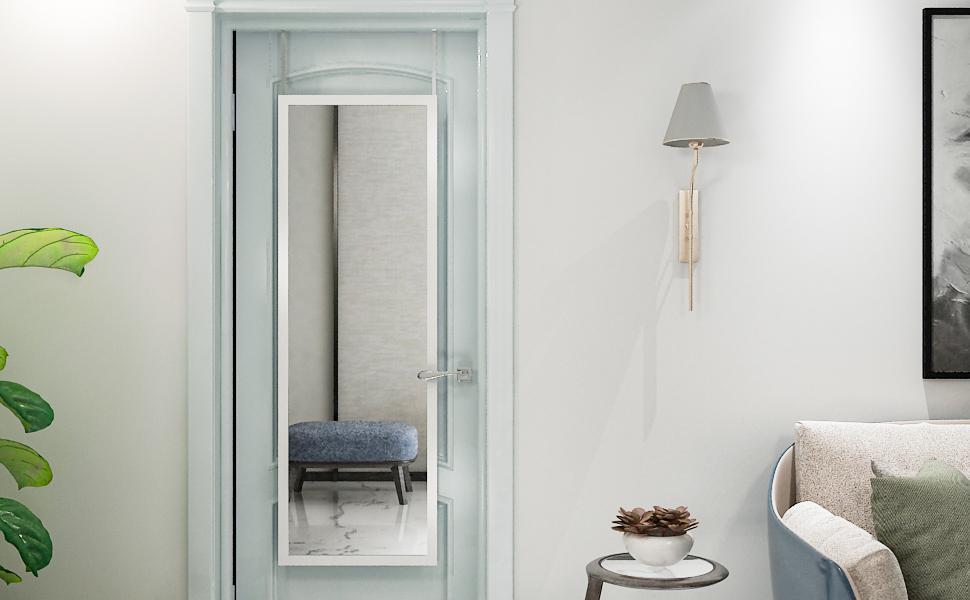
As the name suggests, these mirrors are installed over the doors. They are perfect for small spaces because they don’t take up any floor space. Over the Door mirrors are typically affordable and simple to install.
Mirrors are a remarkable design element. They are not just an aesthetic addition but also elevate the practical value of the space. Let’s glance over some benefits of mirrors here.
Choosing a mirror is both an art and a strategy. Here’s how professionals think about it:
If standard sizes or shapes don’t match your space, a custom mirror offers the perfect solution. Fab Glass and Mirror provide custom sizing, edge finishes, and mounting options tailored to your design vision.
Even premium mirrors lose their brilliance without care.
At present, mirrors have become more than décor, they are integrated design features.
Textured Finishes: Frosted edges and tinted glass add artistic flair.
You can never go wrong with mirrors. They are a classic design element that has always been around and it is not going to fade away anytime soon. So, you can certainly add the excellence of mirrors to your home. You can choose any types of mirrors in your home. Plane mirrors of 1/8, 3/16-, or 1/4-inch thickness are typically used in home interiors. However, it is best to keep your personal preferences and interior requirements in mind while choosing one. Make sure to consider the effect you want to achieve with the mirror. If you have plenty of space, you can go with free-standing full-length mirrors. However, if you want a full-length mirror but have limited space, go for a wall-mounted or wardrobe full-length mirror to fulfill your requirements. Similarly, an intricate frame will be best for an accent piece while a sleek black frame would be a better choice for the standing mirror. Consider all the options and make the choice accordingly.
The three main types are plane, concave, and convex mirrors. Plane mirrors provide true reflection, concave mirrors magnify details, and convex mirrors widen the view. Most home mirrors use plane glass for clear, accurate reflection.
Large plane or wall mirrors make a room appear more spacious by reflecting light and depth. Position them opposite windows or light sources to maximize brightness and openness.
LED or anti-fog mirrors are best for bathrooms. They resist moisture, provide consistent lighting, and improve visibility during grooming. Frameless or minimal-frame designs enhance modern bathroom aesthetics.
Match the mirror’s function and proportion to your space. Use full-length mirrors in bedrooms, statement mirrors in living rooms, and illuminated ones in bathrooms. Always consider lighting, frame style, and wall size.
Framed mirrors add decorative character and suit traditional or rustic interiors. Frameless mirrors offer a sleek, modern look that visually expands space — ideal for minimalist or contemporary rooms.
Yes. Custom mirrors let you choose exact dimensions, edges, and shapes to fit unique spaces. They enhance balance, maximize light, and reflect personal style — a smart investment for tailored interiors.
Explore all things glass—from stylish table tops and insulated options to tinted and frosted designs. Discover guides on glass railings, custom cut glass, shelves, and stunning backsplash ideas for a modern home or office upgrade.