
My Cart
You have no items in your shopping cart.



When it comes to protecting and enhancing glass surfaces, nothing can beat the practical excellence of glass coatings. From water repellent coating for shower glass to windows and table tops to doors, surface coatings demonstrate their functional worth in every application.
Glass coatings provide protection against environmental hazards and improve the durability of glass by minimizing daily wear and tear. They also elevate the energy efficiency of the glass. We will cover everything you need to know about clear surface coatings in this blog along with suggestions for the best shower glass coating options.
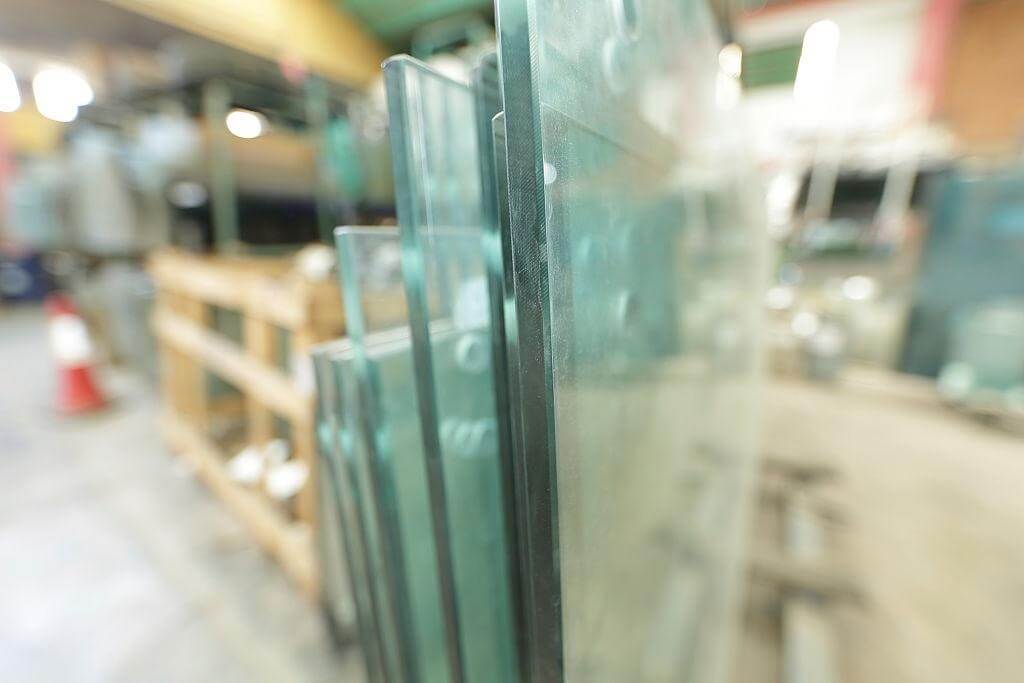
Table of Contents
Glass coating refers to a thin layer of silicon dioxide or a related compound, applied to the surface of the glass to improve its properties. It makes the glass more scratch-resistant, durable, and easy to clean. UV protection and improved thermal insulation are some added benefits of glass coats.
There are several different types of coatings, each designed to provide a specific set of benefits. Here are some commonly-used types.
This type of coating uses nanoparticles to create a thin, protective layer on the surface of the glass. These coatings add water-resistance properties to the glass surface.
EnduroShield is the nanotechnology water-repellent coating for shower glass. The microscopic particles of the coating bond with the glass surface, filling the tiny pores and creating a smooth, water-repellent surface. This coating makes it easier to clean and maintain the glass surface. It also protects against the damaging environmental hazards.
In this coating, silica or a related compound is used to create a hydrophobic layer on the surface of the glass. It repels water and reduces the adhesion of dirt and other contaminants to the glass surface.
Luxclear is a silica-based coating. It is used to enhance durability, has a scratch-resistant nature, and repels water on the glass. This coating is suitable for shower doors, glass railings, and glass table tops.
Ceramic coatings use ceramic nanoparticles to create a protective layer on the surface of the glass. This coating provides protection against scratches, UV damage, and daily wear and tear.
Diamond Fusion is the coating that uses a patented chemical vapor deposition process to deposit a thin layer of ceramic coating onto the glass surface. This coating improves the durability and scratch resistance and makes it easy to clean the glass.
Polymer-based coatings use a thin layer of polymer to create a protective barrier on the surface of the glass. The polymer coatings typically create a permanent bond with the glass surface making it more scratch resistant, hydrophobic, and durable.
ShowerGuard is a coating that uses a polymer formula to create a protective layer on glass surfaces. The coating bonds with the glass surface, creating a protective barrier against staining and corrosion. The polymer shower glass treatment is particularly popular as it prevents staining and corrosion caused by water and soap scum.
Glass surface coatings are a useful addition to the glass. They can be used for a wide range of applications such as shower doors, windows, table tops, and glass railings. It is generally deemed suitable for many types of glass, but it doesn’t necessarily mean that surface coating is compatible with all types of glass. Some types of glass may not be compatible with certain coatings. The suitability of a clear coating depends on the types of glass, its application, and the specific project requirements. So it’s important to consider these factors first. Some major applications of glass surface coatings are as follows.
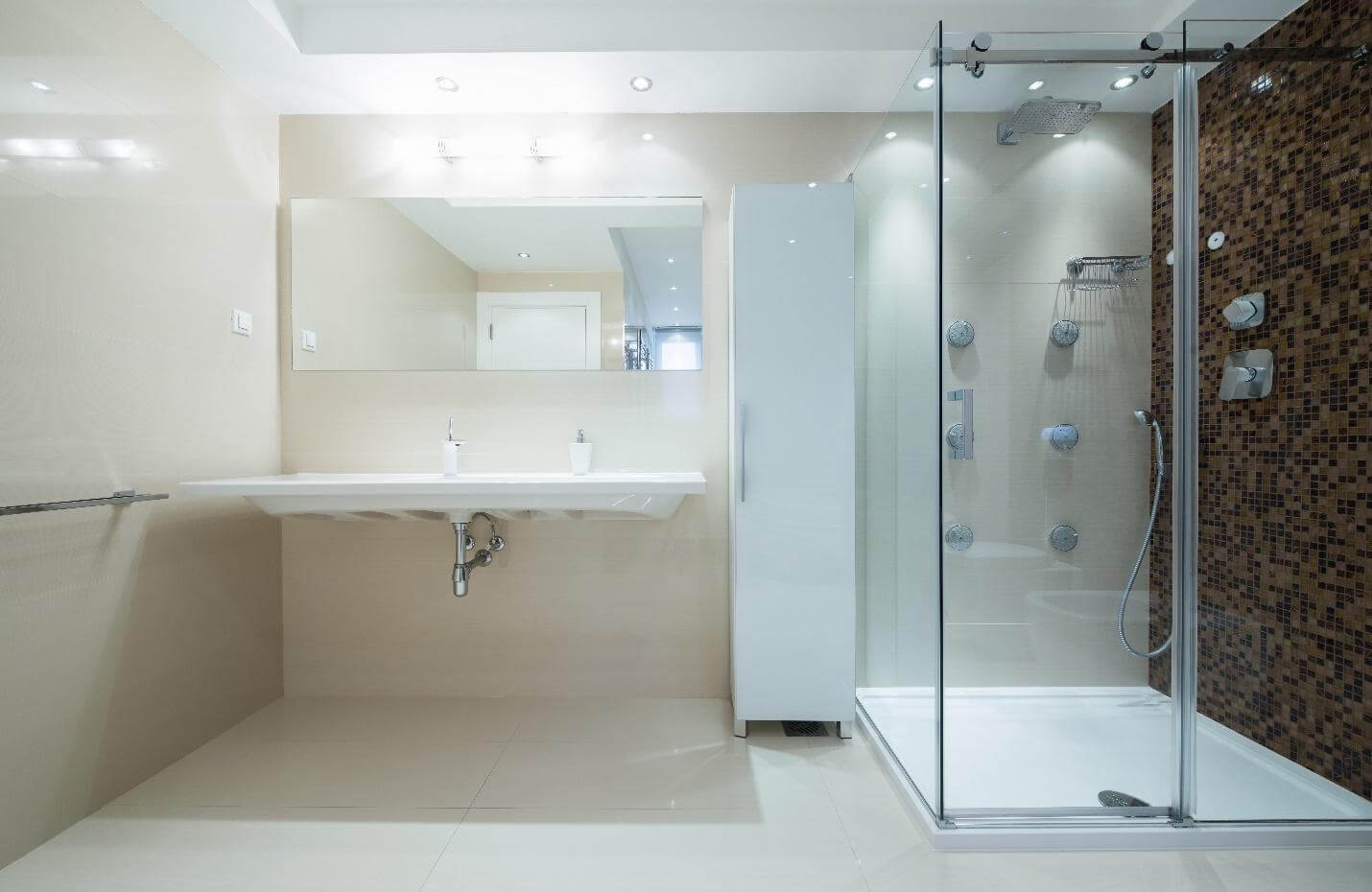
Shower glass coating is applied to shower doors to make them water-resistant, durable, and easier to clean. It helps prevent soap scum build-up, hard water stains, and other forms of dirt and grime. There are different types of shower glass treatments. Fab Glass and Mirror provides the best shower glass coating options to boost the functionality of glass shower doors.
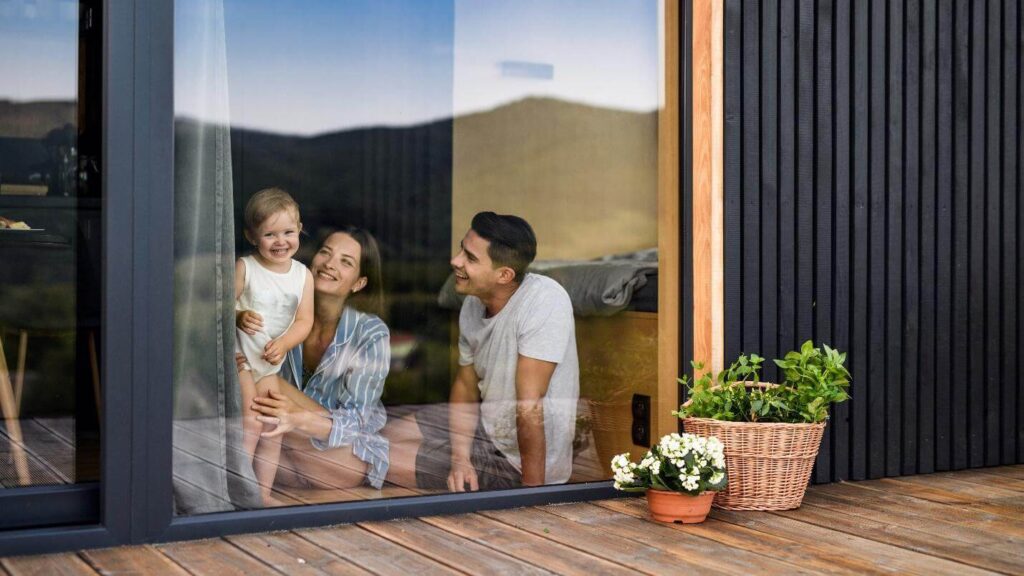
Window coatings improve the energy efficiency of the windows. They also reduce glare and offer UV protection. Whether you need EnduroShield glass treatment, Luxclear, or ShowerGuard window coating, Fab Glass and Mirror is the right place to head over to.
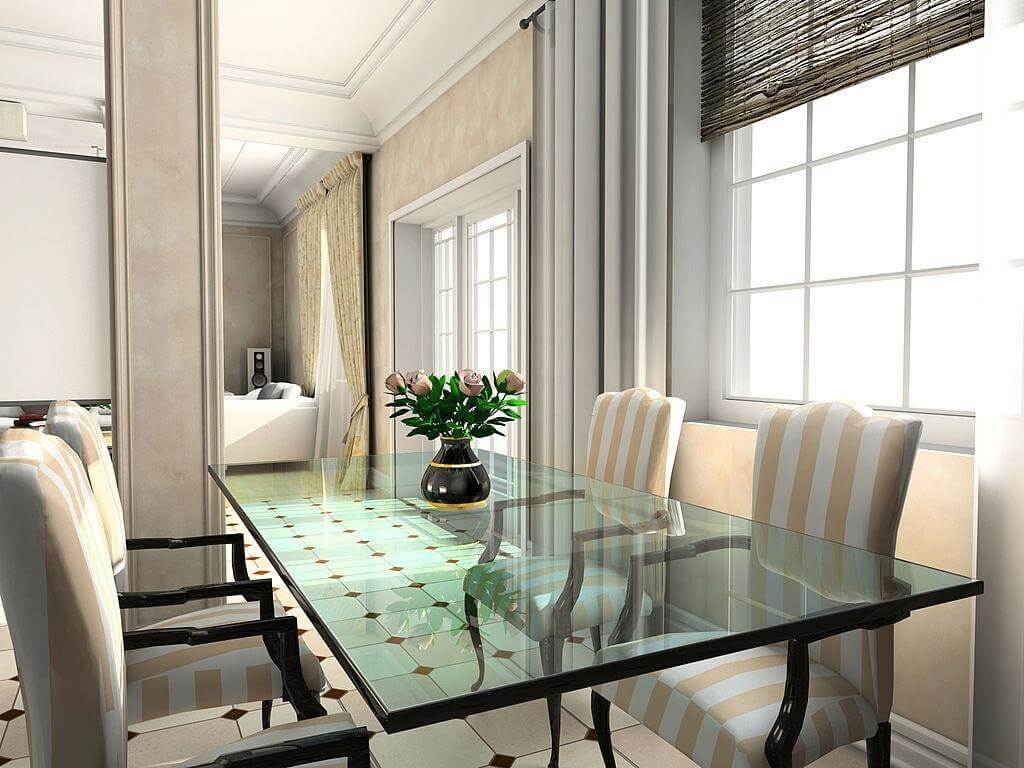
The surface coating is applied to table tops to protect them from spills, scratches, and daily wear and tear. It also makes the table tops scratch-resistant and easy to clean and maintain.
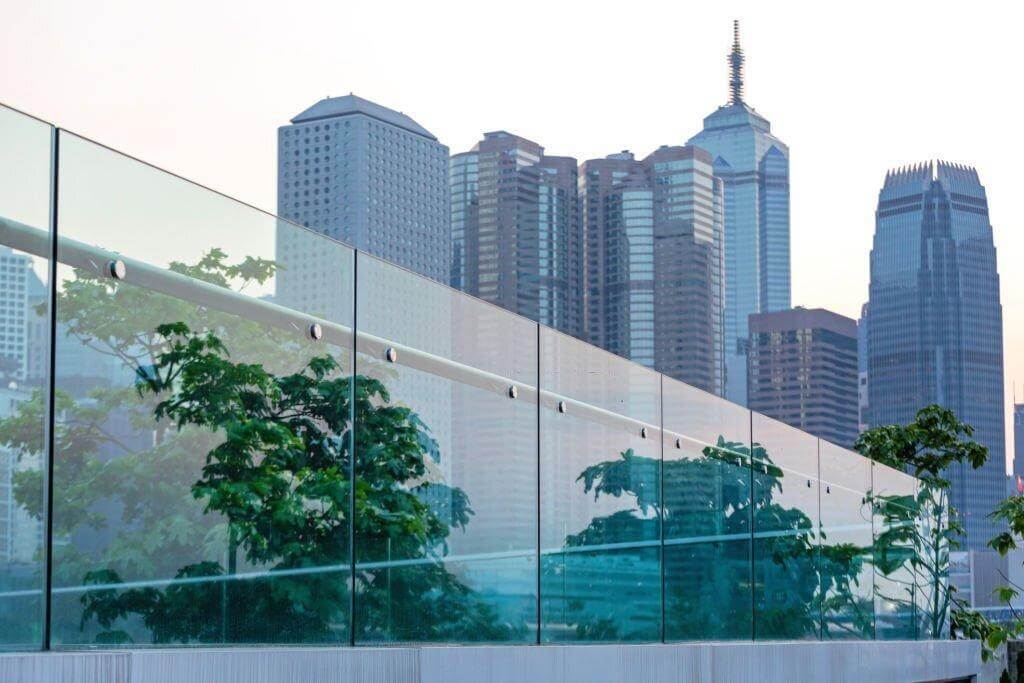
Surface coating is used in heavy-duty applications like glass railing to add an additional strength value to the design element. It protects the railings from damage caused by regular use and exposure to environmental elements.

Glass surface coating is used in windshields, side windows, and rear windows to maximize their strength and effectiveness.

The screens of smartphones, tablets, and televisions typically have a surface coating to improve visibility, reduce glare, and enhance their durability.

Glass coating is used in architectural glass applications, such as building facades, windows and skylights to ensure maximum strength and durability. Fab Glass and Mirror offers a wide range of glass surface coating options for different applications.
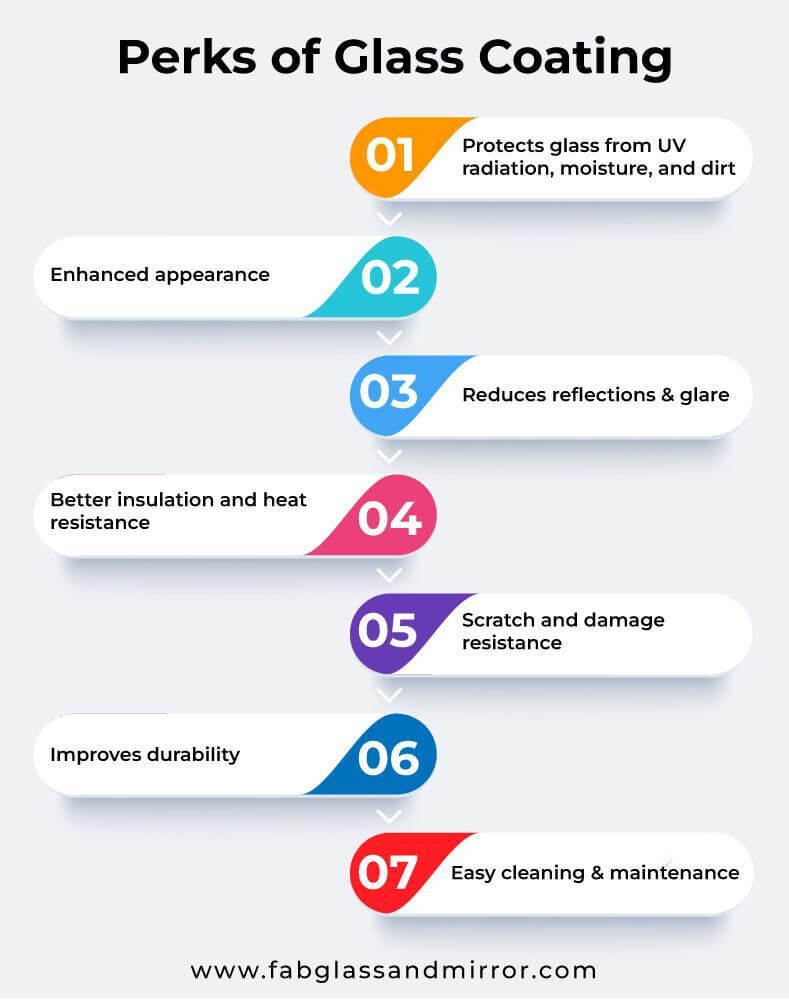
Glass surface coating provides a plethora of benefits. Here is an overview of the major benefits of surface protection coatings.
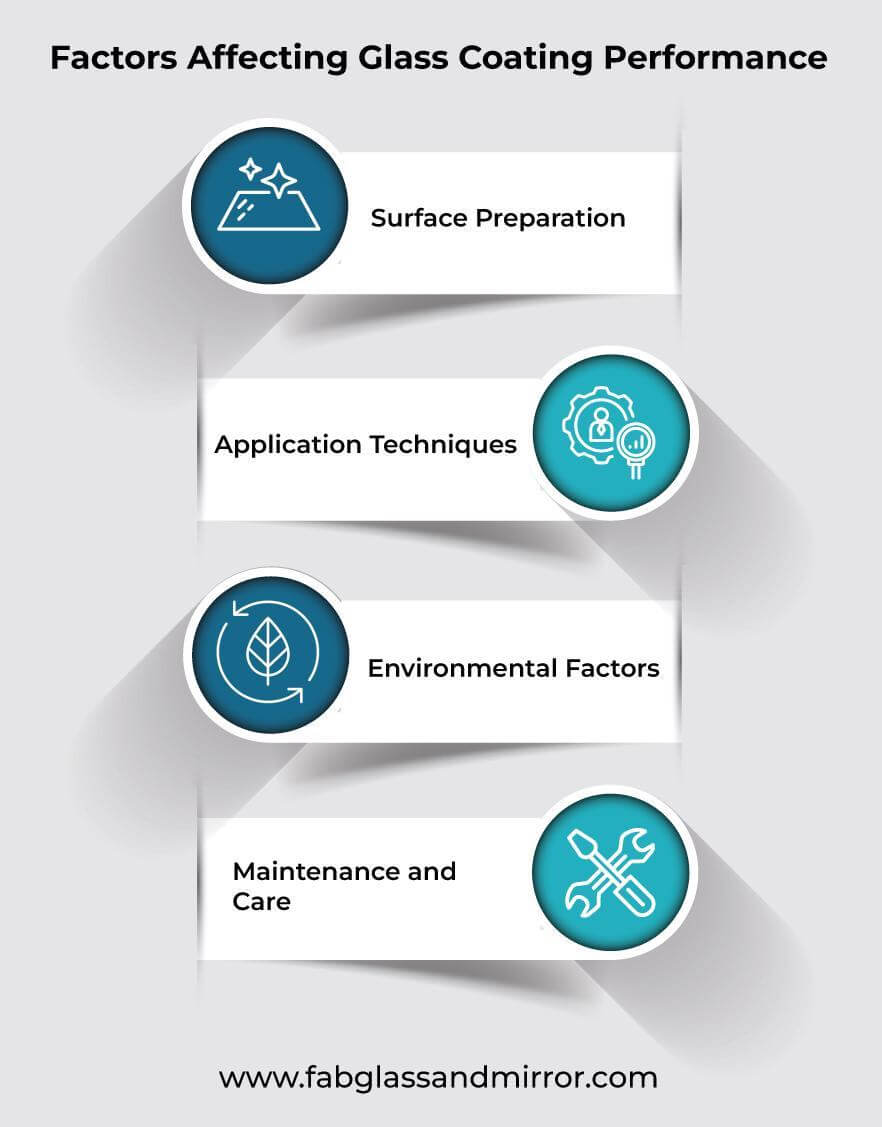
The performance of surface coatings varies depending on the effectiveness of the coating applications. There are some factors that need to be considered. For instance proper surface preparation, application techniques, consideration of environmental factors, and regular maintenance to ensure optimal performance and longevity of surface coatings.
1. Surface Preparation
Proper surface preparation is important for ensuring proper adhesion of the coating layer to the glass surface and optimal performance of the coating. The glass surface must be clean, dry, and free of any contaminants.
2. Application Techniques
The application technique used for the water repellent coating for shower glass highly affects its performance. It is important to follow the manufacturer’s recommended method of application to achieve the best results.
3. Environmental Factors
The elements like temperature and humidity during the application process can affect the performance of the glass surface coating. Some coatings are designed to be more resistant to environmental factors than others. So you should choose a coating whose properties match your requirements.
4. Maintenance and Care
Regular cleaning and maintenance can prolong the service life of the coating and ensure optimal performance. It’s important to follow the manufacturer’s recommended care instructions to avoid any damage to the coating.
Glass surface coatings and traditional coatings differ significantly in their composition and application methods. Thus leading to differences in their performance and properties. Here is a comparison between the two.
Glass surface coatings are typically made from silica, ceramic, or polymer. While traditional coatings are made of oil-based or water-based paints, varnishes, and lacquers. Glass surface coatings are meant to provide more effective protection against scratches and stains as compared to traditional coatings.
Glass surface coatings require specific application techniques to ensure optimal adhesion and performance. They are either applied in a thin layer using a spray or fused into the glass during the manufacturing process. On the contrary, traditional coatings require multiple coats and may need to be sanded or buffed between coats.
Glass shower coatings are more effective as compared to the traditional coatings. They offer better protection against environmental elements. Traditional coatings require extensive maintenance and do not provide the same level of protection against environmental factors.
Glass surface coatings enhance the appearance of glass giving it a uniform and refined finish. They also improve color clarity. Traditional coatings also enhance the appearance of the surfaces but they do not offer the same level of clarity or uniformity as glass coats.
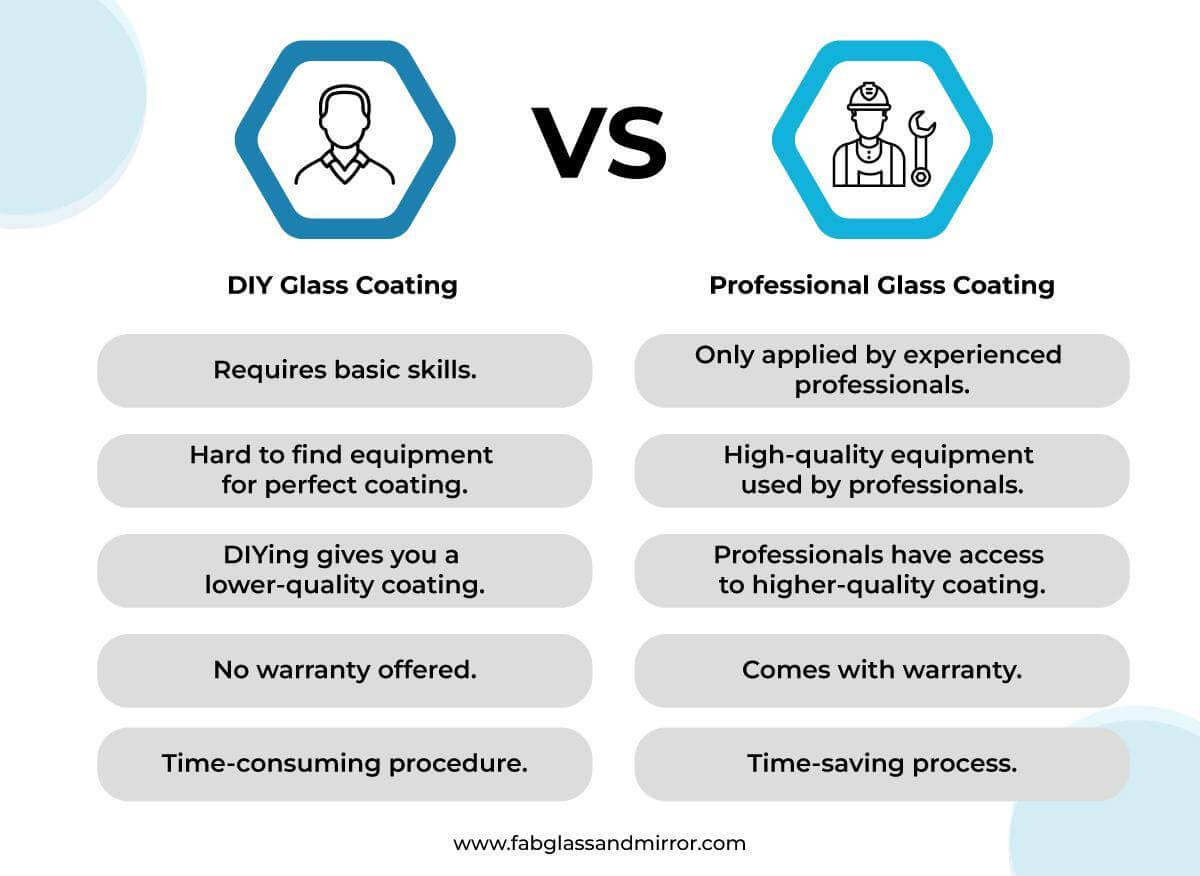
Due to the spray-on options, it is possible to DIY coat the glass surface. However, is it as effective as a professional coating? Let’s discuss this.
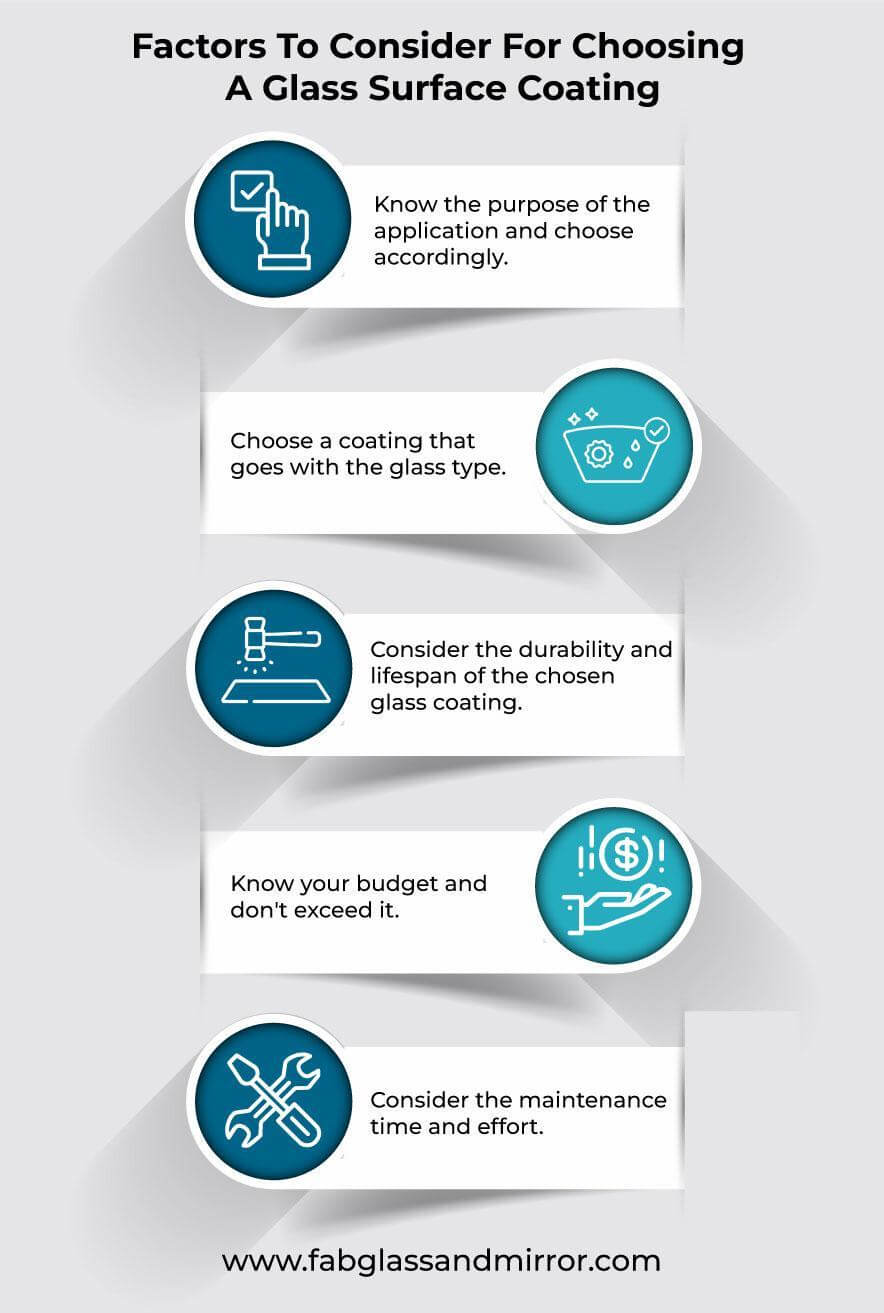
The availability of different types of glass surface coating can overwhelm you. EnduroShield vs ShowerGuard vs Luxclear, which one to choose? There are a number of questions that may come to your mind. So here are some factors that you should consider while choosing a surface coating for glass.
The reason for application would determine the type of coating you need. Whether you need a coating for aesthetic purposes or functional reasons, identify and choose accordingly.
Not all glass surface coatings are suitable for all types of glass surfaces. Make sure you choose a coating that is compatible with the type of glass you are using.
Consider your requirements, how long you want the coating to last and the type of wear and tear it will be subjected to.
It’s important to consider your budget while choosing a coating.
Some coatings require more maintenance than others, so consider how much time and effort you are willing to invest in the maintenance.
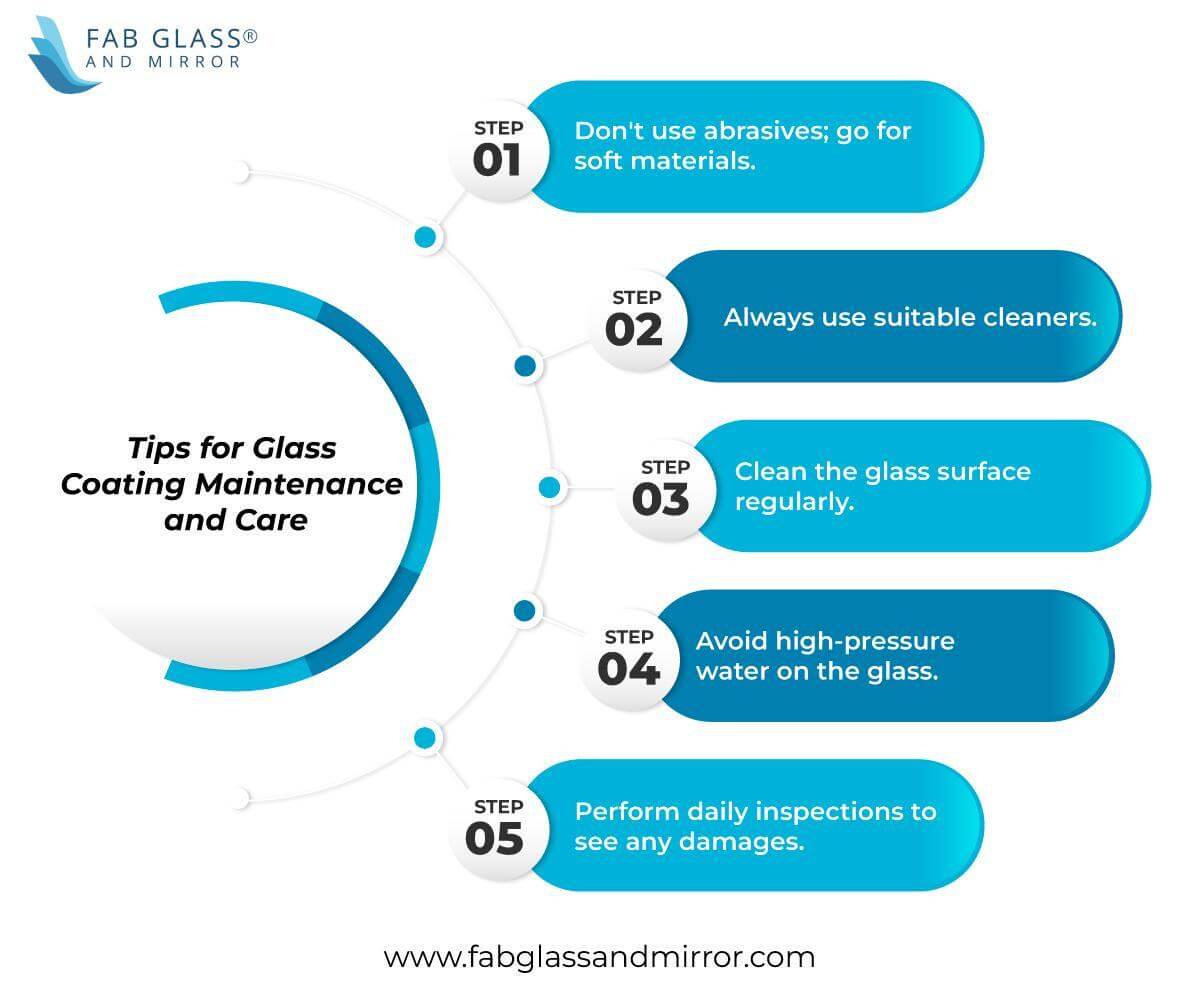
Proper maintenance and care are important to ensure the longevity and effectiveness of your glass surface coats. Here are some tips for maintaining your glass surface coating.
Glass coating is an effective way of enhancing the surface life of glass products. There are some misconceptions about it being expensive. In fact, it is a worthwhile investment as it keeps your glass surface from getting damaged for a long time. When compared to the cost of replacing damaged or worn glass, surface coating is a cost-effective solution. It is undoubtedly one of the best ways of protecting and enhancing the appearance of glass surfaces.
Fab Glass and Mirror offers a variety of water repellent coating for shower glass with guidance on choosing the best option according to your needs. Fab Glass and Mirror ensures coating perfection through professional expertise and advanced application techniques. Browse through the options to find the best fit for your requirements.
Explore all things glass—from stylish table tops and insulated options to tinted and frosted designs. Discover guides on glass railings, custom cut glass, shelves, and stunning backsplash ideas for a modern home or office upgrade.