
My Cart
You have no items in your shopping cart.

The modern workplace has undergone a dramatic transformation in the last two decades. Open-plan offices once ruled as the go-to design, promising collaboration and transparency. Yet, in reality, they often led to noise distractions, lack of privacy, and decreased productivity. At the other end of the spectrum, fully enclosed cubicles and drywall partitions created a sense of isolation, hampering collaboration and creativity.
So, what’s the middle ground? The answer lies in glass office wall partitions, a solution that combines openness with structure, aesthetics with practicality.
By using glass panels for office walls partition, businesses can create flexible workspaces that maximize natural light, encourage collaboration, and maintain a sense of privacy. This article dives deep into why glass office partitions are an optimum workspace solution, their benefits, types, applications, costs, and future trends.
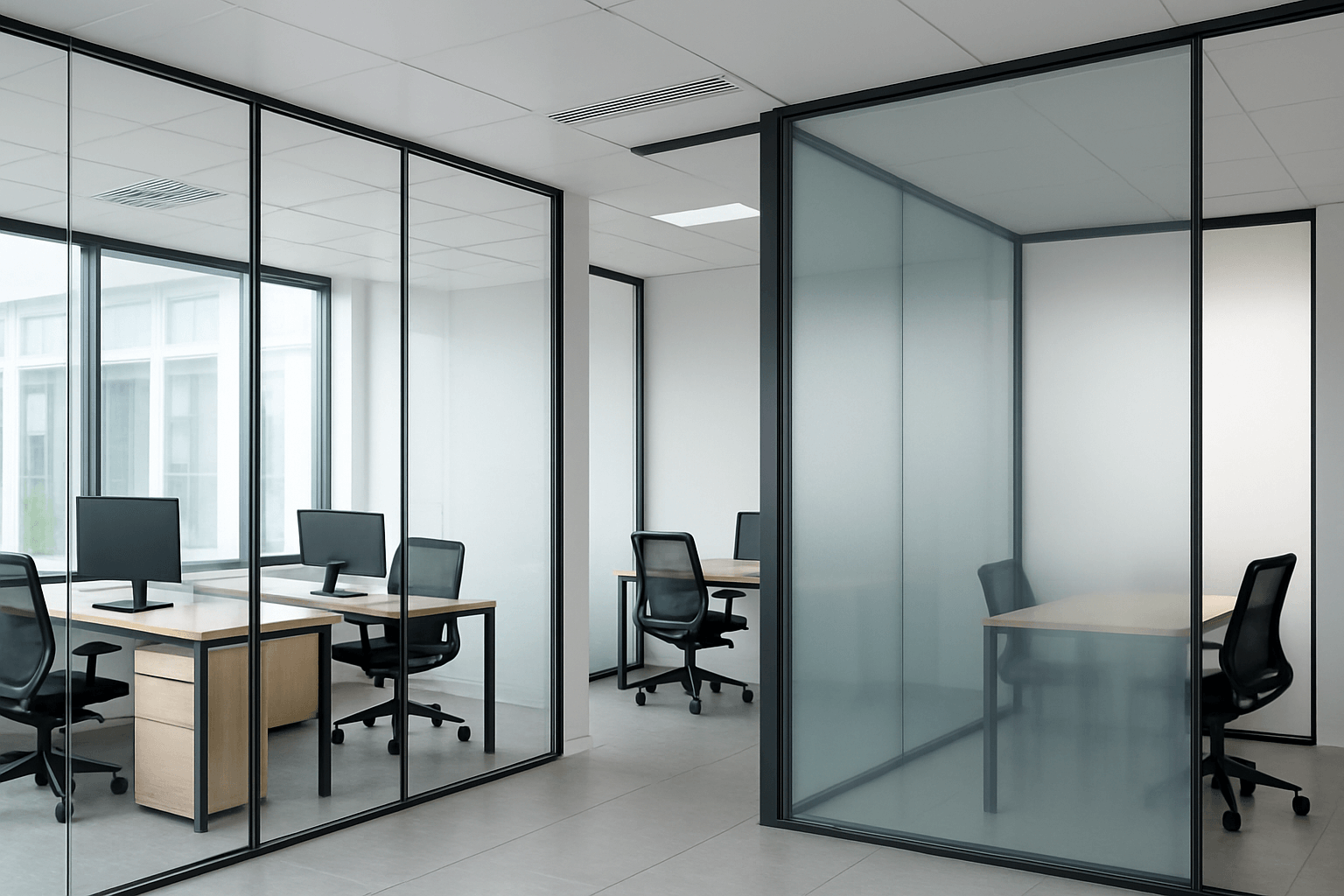
Table of Contents
Glass partition walls are non-load-bearing dividers made from tempered or laminated glass. They serve as functional barriers within an office space while keeping an open and transparent atmosphere.
Unlike traditional drywall or wood partitions, office glass partition walls are designed to:

Workplace design research consistently shows that natural light exposure improves employee health, mood, and productivity. Unlike solid walls, glass wall partitions for offices allow light to flood across the workspace, reducing reliance on artificial lighting and lowering energy costs.
Today’s businesses evolve rapidly. Unlike permanent drywall structures, office wall partitions with glass can be reconfigured, expanded, or relocated as the team grows or downsizes. This adaptability makes them a long-term investment.
A common misconception is that glass means poor sound insulation. In reality, Double Pane Insulated Glass Units and double-glazed systems provide impressive noise control, making them ideal for meeting rooms and private cabins.
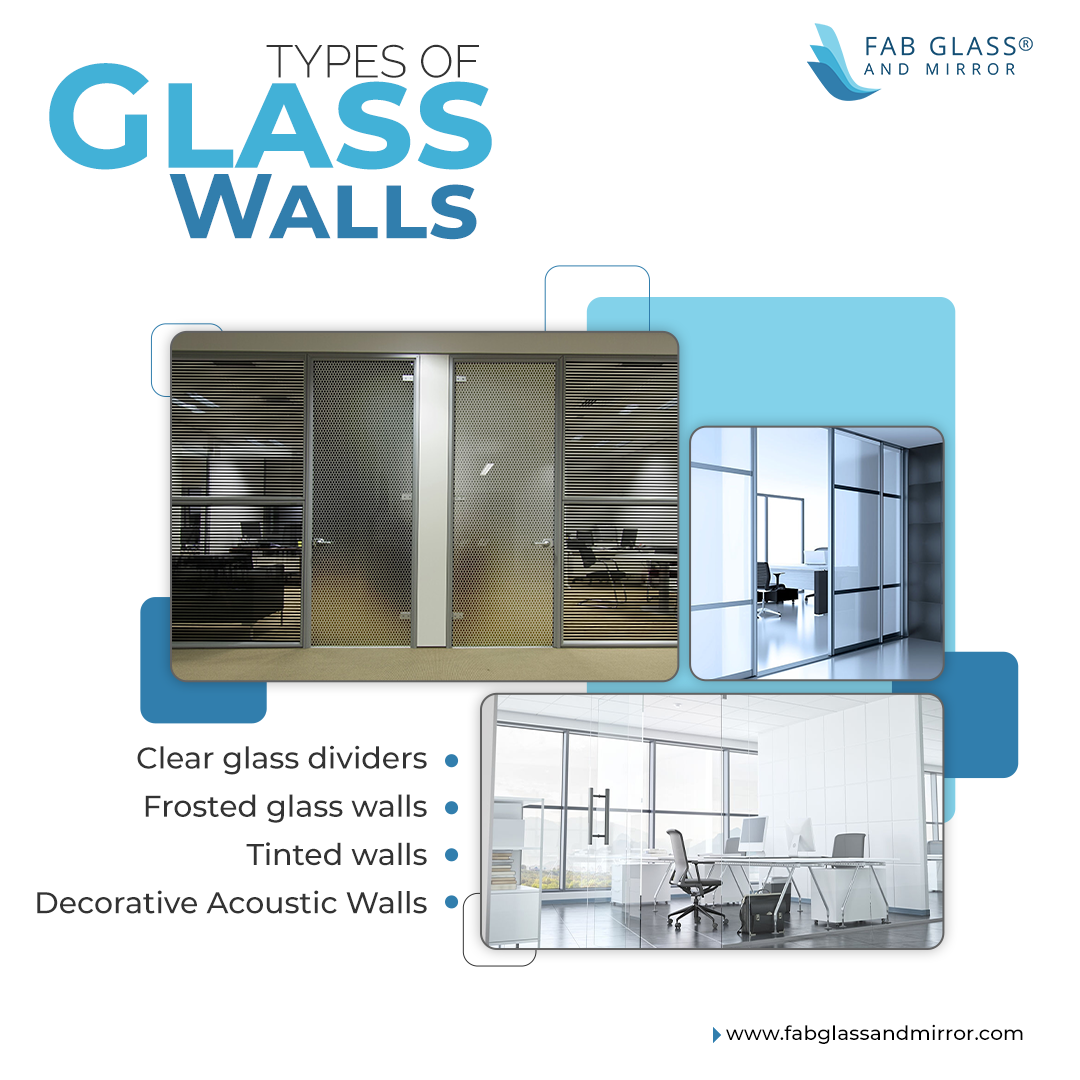
A workspace speaks volumes about a company’s culture. With glass office wall partitions, businesses can incorporate frosted designs, etched logos, or decorative films that reinforce brand identity while maintaining elegance.
| Factor | Glass Partition Walls | Drywall/Traditional Walls |
| Natural Light | Bright and airy | Blocks light completely |
| Flexibility | Can be moved/reconfigured | Permanent structures |
| Aesthetics | Sleek and modern | Dull and outdated |
| Installation Time | Quick (2–3 days) | Lengthy (weeks) |
| Cost Efficiency | Medium upfront, high long-term value | Low upfront, expensive to remodel |
| Employee Productivity | Boosts morale & accountability | Can isolate teams |
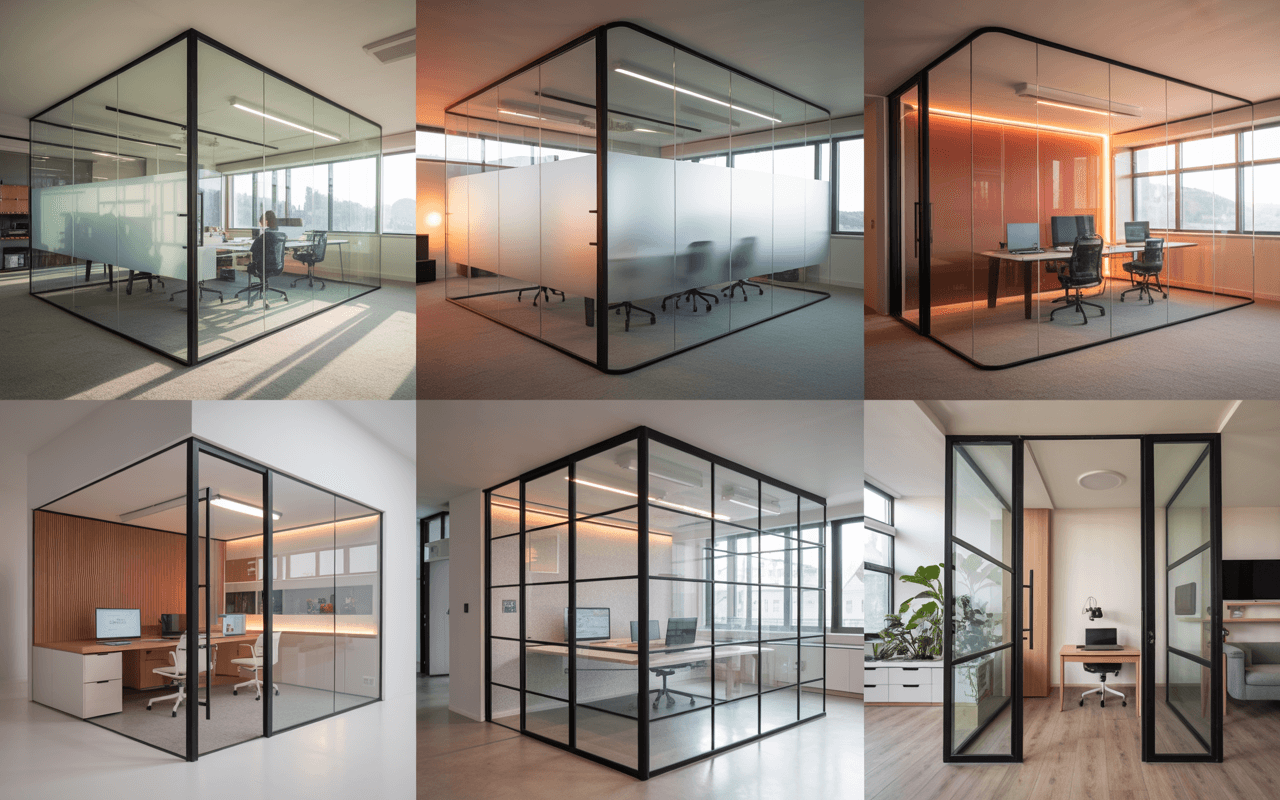
The office glass partition walls cost depends on:
Daylight reduces fatigue, improves mood, and helps regulate circadian rhythms.
Transparency fosters accountability and teamwork while still offering focused workspaces.
Modern, sleek glass walls create an image of innovation and professionalism.
Reduced electricity bills and flexible configurations save money long-term.
WeWork and other co-working hubs rely heavily on office glass partition walls to ensure adaptability for different tenants.
Freelancers and remote workers increasingly install glass partition walls for home offices, creating dedicated work areas without major renovations.
From cost efficiency and design flexibility to employee well-being and client impressions, glass partitions tick all the boxes. Whether you’re outfitting a corporate office, a startup hub, or a home office, choosing glass partition walls for offices is a decision that blends practicality with aesthetics. They are not just a design choice, they are a strategic move toward creating workspaces that inspire productivity, collaboration, and long-term adaptability.
Yes. Tempered and laminated glass is designed to resist impact and, if broken, crumbles into blunt pieces rather than sharp shards.
Yes, frosted or tinted glass partition wall office solutions ensure privacy while still letting in light.
Insulated glass units can reduce noise transfer by 40–45 decibels, making them excellent for conference rooms.
Absolutely. You can add frosted films, etched company logos, or even smart switchable glass.
With proper care, they last for decades, often outlasting traditional drywall structures.
Explore all things glass—from stylish table tops and insulated options to tinted and frosted designs. Discover guides on glass railings, custom cut glass, shelves, and stunning backsplash ideas for a modern home or office upgrade.