

My Cart
You have no items in your shopping cart.



Scratches on glass are more than just cosmetic annoyances, they can affect clarity, durability, and even safety. While some marks on glass table tops can be polished away with the right tools and techniques, others are signs of deeper damage that demand professional help or replacement.
This guide will help you understand the different types of scratches, how to choose the right repair method, and when to stop before making matters worse.Disclaimer: DIY methods can improve the appearance of scratches, but they do not restore the original structural strength of glass. Subsurface damage may remain hidden. Proceed carefully and consult a professional if unsure.
Table of Contents
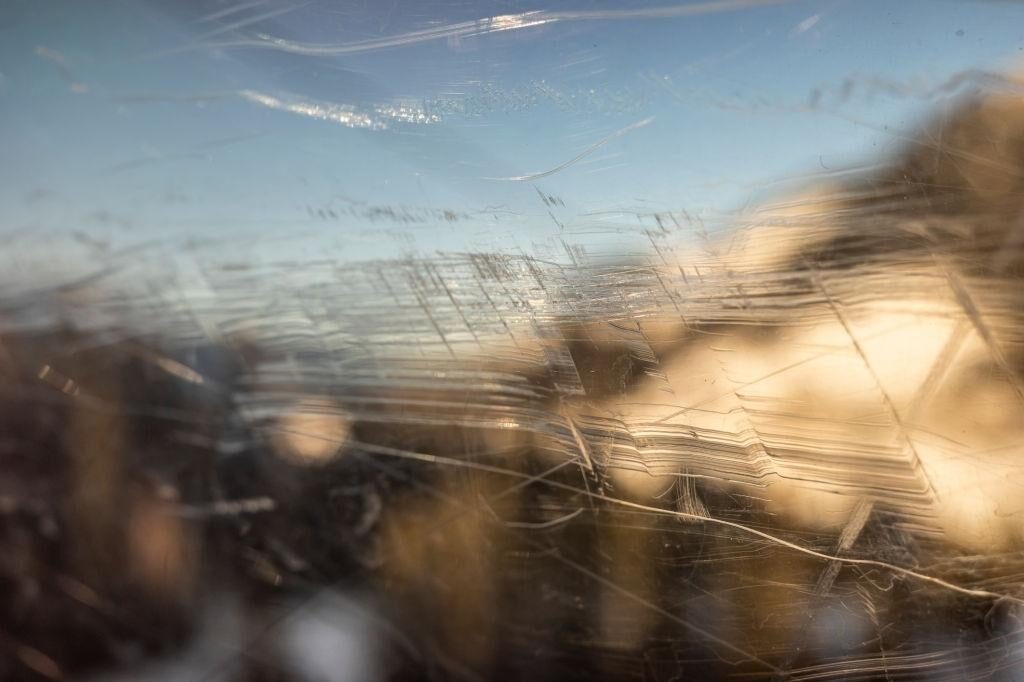
Firstly, the glass that’s used in windows, doors, tabletops, etc. is tempered glass, meaning it is heat-treated, which makes it stronger than the ordinary glass. However, sometimes this glass doesn’t get washed properly during its manufacturing and before going inside the tempering furnace; hence, there is still debris or dust on it that gets fused on the glass’s surface. These dust and debris are not visible to the naked human eye, so whenever that glass is cleaned, this very debris can get dislodged and end up being dragged across the glass’s surface. This will result in scratches.
Secondly, there are external factors that can cause scratches on glass as well. For instance, placing heavy items on glass table tops can cause scratches. Not to mention, dragging items across the glass surface can result in scratches as well. In the case of glass windows and doors, the outside environment, like all kinds of debris, small animals, insects, hanging signs, etc. can cause scratches as well.
Not all scratches are created equal. Understanding the depth and type of scratch is crucial before attempting any repair.
| Category | Description | Repair Feasibility |
| Surface scratches (micro-scratches) | Shallow, confined to the very top layer; often hairline marks visible at certain angles. | Usually removable with careful polishing. |
| Subsurface cracks / microfractures | Cracks just beneath the surface, often branching; sometimes invisible until under stress. | Very difficult to remove; polishing may only improve appearance. |
| Deep gouges / through-layer scratches | Penetrates coatings or significant glass depth; visible ridges or chips. | Cannot be polished away; requires filling, professional work, or replacement. |
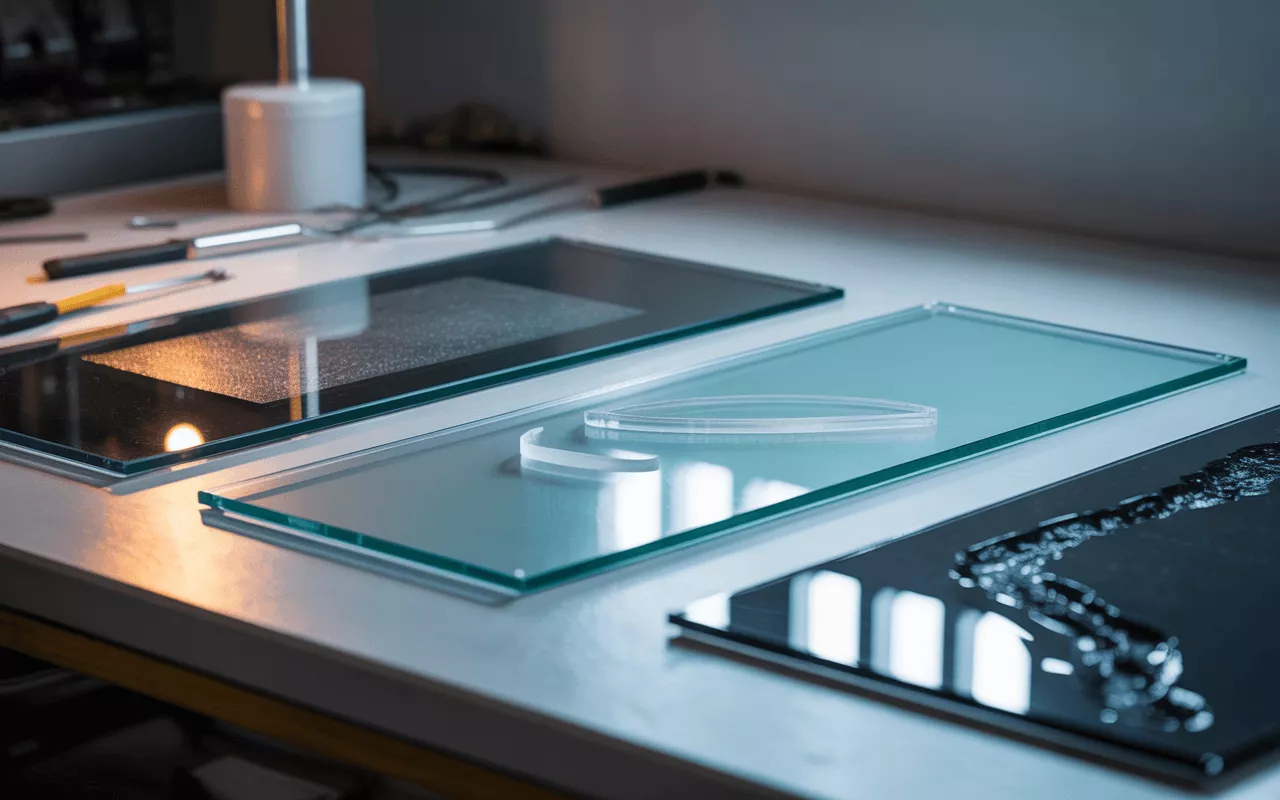
Pros: Inexpensive, effective for shallow scratches.
Cons: Limited depth removal; risk of hazing if over-polished.
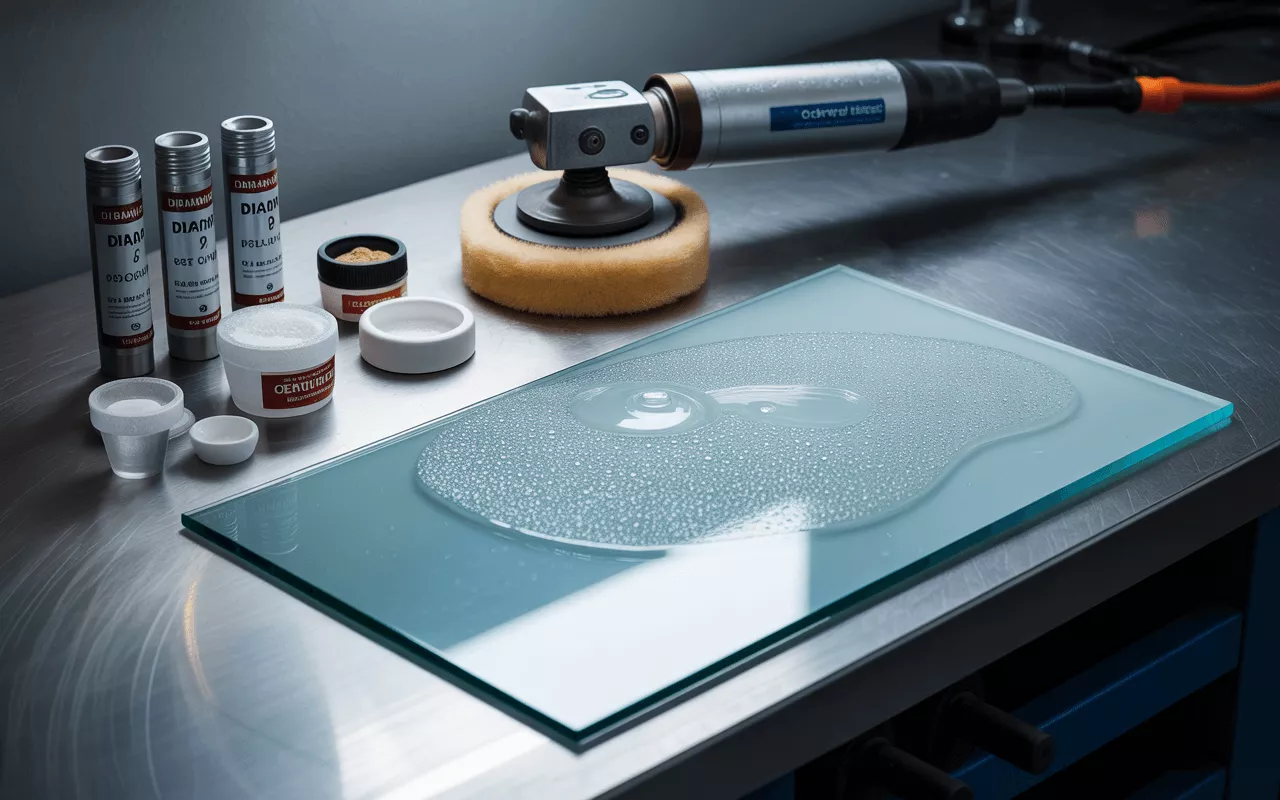
Pros: Can improve moderately deep scratches.
Cons: Requires skill; easy to create distortion or divots.
This level is best left to experienced DIYers or professionals using controlled tools.
Pros: Restores clarity or ensures safety.
Cons: Epoxy repairs often remain visible; replacement can be costly.
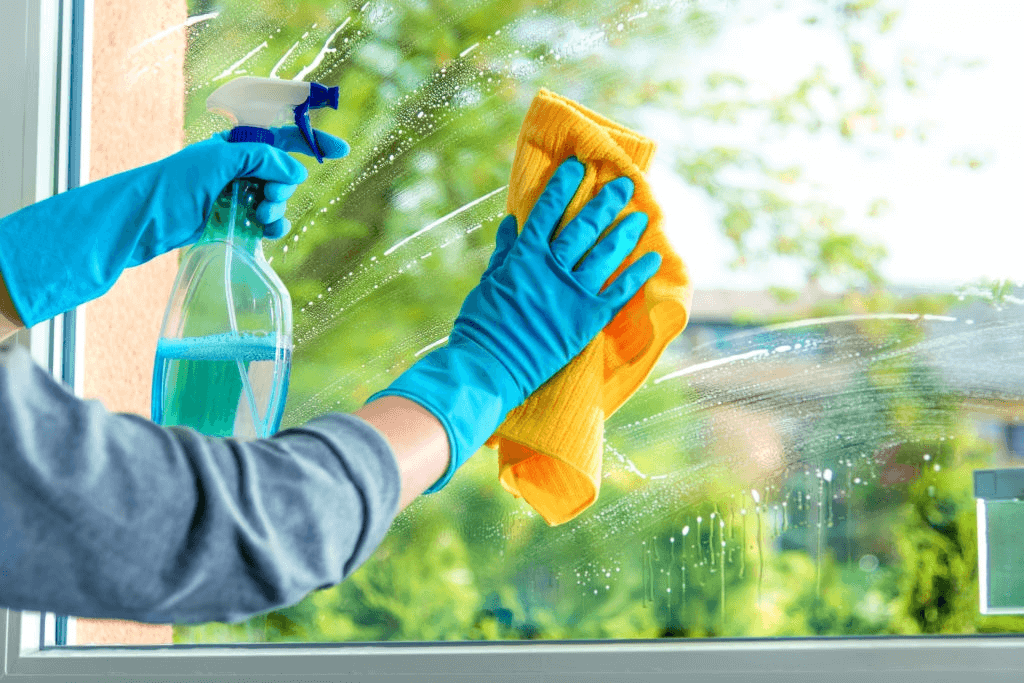
How to get scratches out of glass windows? Simple, by using baking soda! You can use your everyday baking soda in order to polish your glass and get rid of scratches. Follow the steps below to find out how:
1. Use warm water and a clean cloth to wash your window. Make sure that the fabric you use is clean in order to avoid further scratches due to debris.
2. Create a mixture using a tablespoon of water and baking soda in a clean container. Get rid of any big baking soda particles that did not dissolve. Once it starts to look like a paste, that’s when you stop mixing.
3. Use another clean cloth, smaller in size, and cover your first finger with it. Dip that wrapped finger into the baking soda mixture. Make sure that you pick only a little amount of that paste.
4. Using a circular motion, gently apply that paste on the scratch. Keep rubbing for about thirty seconds. Soon enough, you’ll notice that the scratch starts going off.
5. Do this with all of the visible scratches.
6. Once you’re done, use another new cloth to rinse and clean the glass in order to get rid of all of the baking soda.
Note: This method can be used for glass tabletops and glass doors as well.
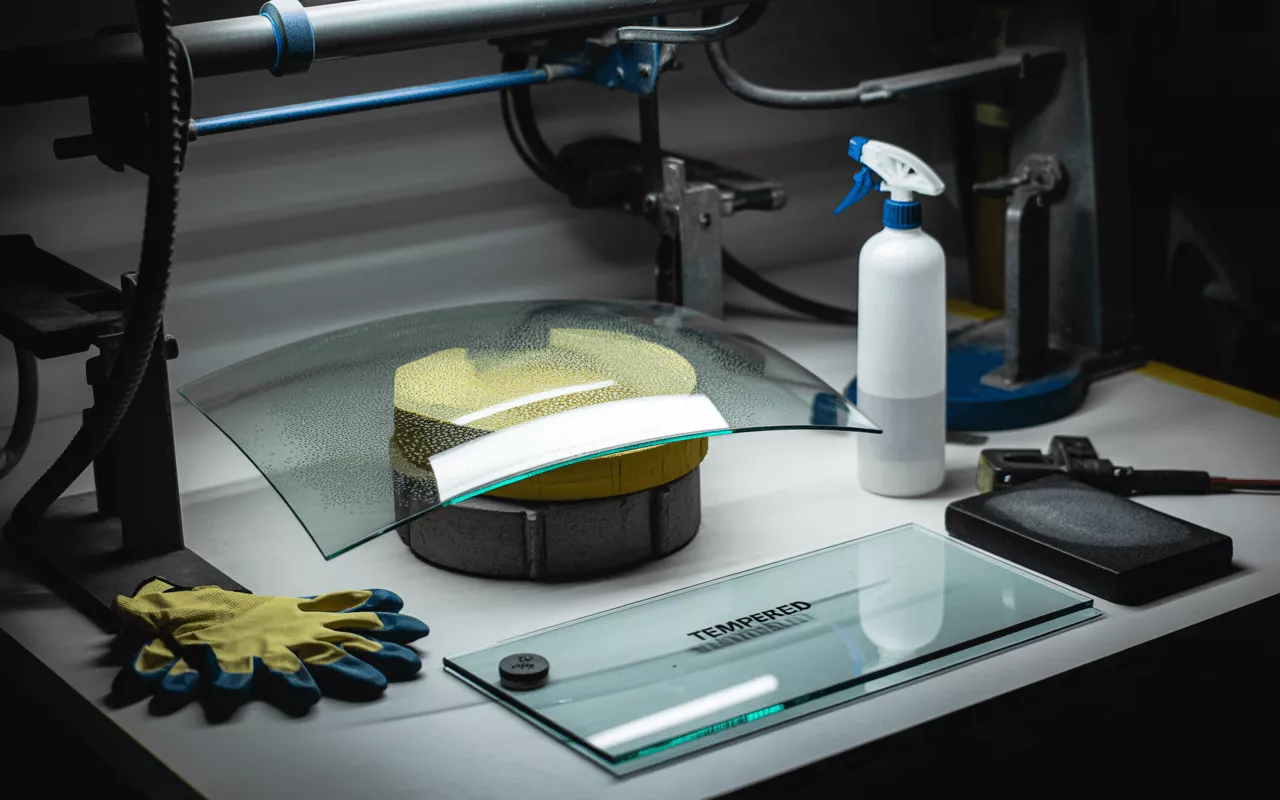

Stop DIY repair if:
In these cases, a professional repair or full replacement is the safest option.
Adding before-and-after photos or microscope images in your article will help readers see these limits clearly.
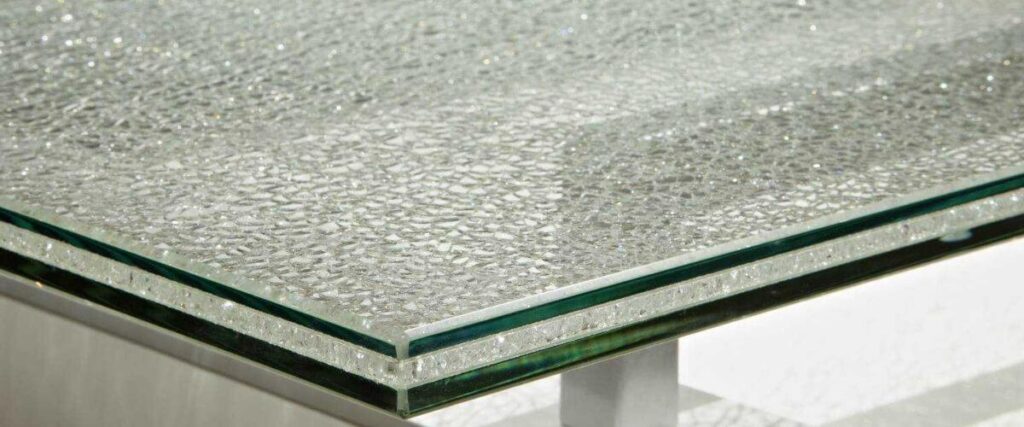
Removing scratches from rectangle glass shelves is possible, but only under the right conditions. Superficial marks can often be polished away with patience and the right compounds. Subsurface cracks and deep gouges, however, cross into unsafe territory where only professionals or replacement make sense.
By classifying scratches accurately, choosing the correct method, and respecting the limits of DIY solutions, you can achieve clearer, more attractive glass surfaces without risking further damage.
No. Only surface-level scratches can usually be improved with DIY polishing. Subsurface cracks or deep gouges typically require professional repair or replacement.
Cerium oxide is the industry standard for polishing out light scratches. For deeper ones, fine diamond paste followed by cerium oxide may be used, but with caution.
No. Polishing tempered glass can cause it to shatter, and polishing coated glass can strip away its protective or reflective layers.
Stop if the scratch doesn’t improve after several attempts, if hazing or distortion appears, or if the scratch is deep enough to catch your fingernail.
If scratches are deep, through-layer, on safety glass, or if polishing introduces haze or distortion, it’s time to seek professional help or consider replacement.
Explore all things glass—from stylish table tops and insulated options to tinted and frosted designs. Discover guides on glass railings, custom cut glass, shelves, and stunning backsplash ideas for a modern home or office upgrade.