

My Cart
You have no items in your shopping cart.
At Fab Glass and Mirror, we handle premium glass every day. Removing stickers isn’t just about cleaning; it’s about protecting the integrity of the glass surface. Whether you are dealing with car window decals or old jar labels, here is the definitive guide to getting stickers off glass without leaving a single scratch.
Table of Contents
| Sticker Type | Recommended Method | Why? |
| Price Tags / Paper Stickers | Hot Soapy Water | Dissolves the paper backing quickly. |
| Stubborn Adhesive Gunk | WD-40 or Goo Gone | Breaks down chemical bonds of glue. |
| Car Decals / Large Vinyl | Hair Dryer (Heat) | Softens the bond for a clean peel. |
| Eco-Friendly / Kitchen Glass | White Vinegar | Non-toxic and cuts through film. |
| Old, Gummy Residue | Rubbing Alcohol | Evaporates quickly; great for small spots. |
This is the safest starting point for most glass items.
Expert Advice: Use your fingernail or a plastic scraper (never metal) to peel the softened paper.
Vinegar contains acetic acid, which acts as a mild solvent to eat through the adhesive.
Why it works: It’s especially effective for removing the cloudy residue left behind after the paper is gone.
When soap and water fail, you need a petroleum-based solvent.
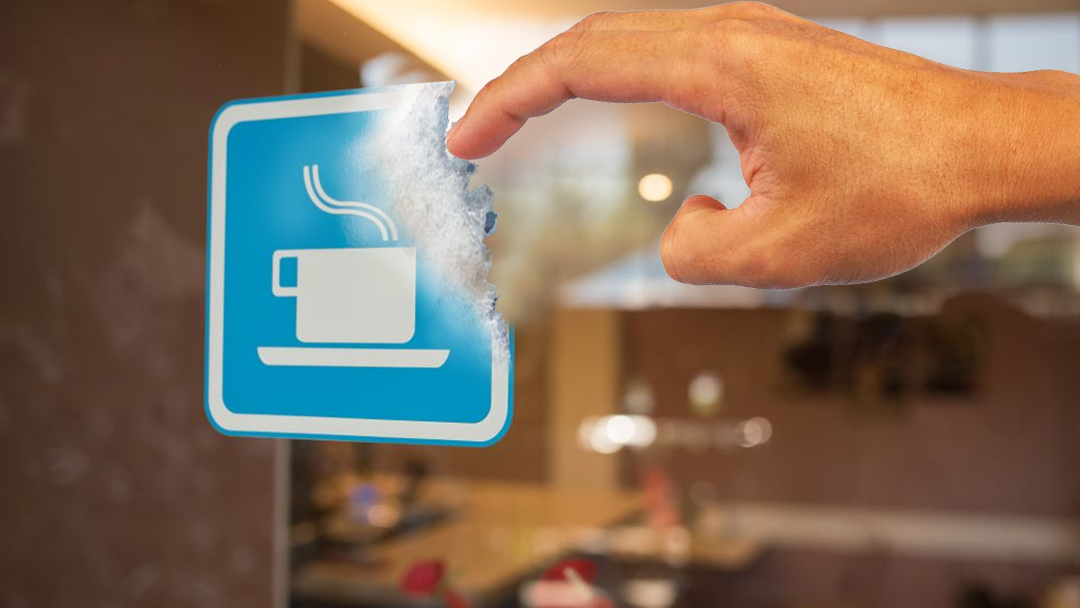
Heat softens the adhesive, making it pliable enough to pull the sticker off in one piece.
Isopropyl alcohol is excellent for small, stubborn sticky spots.
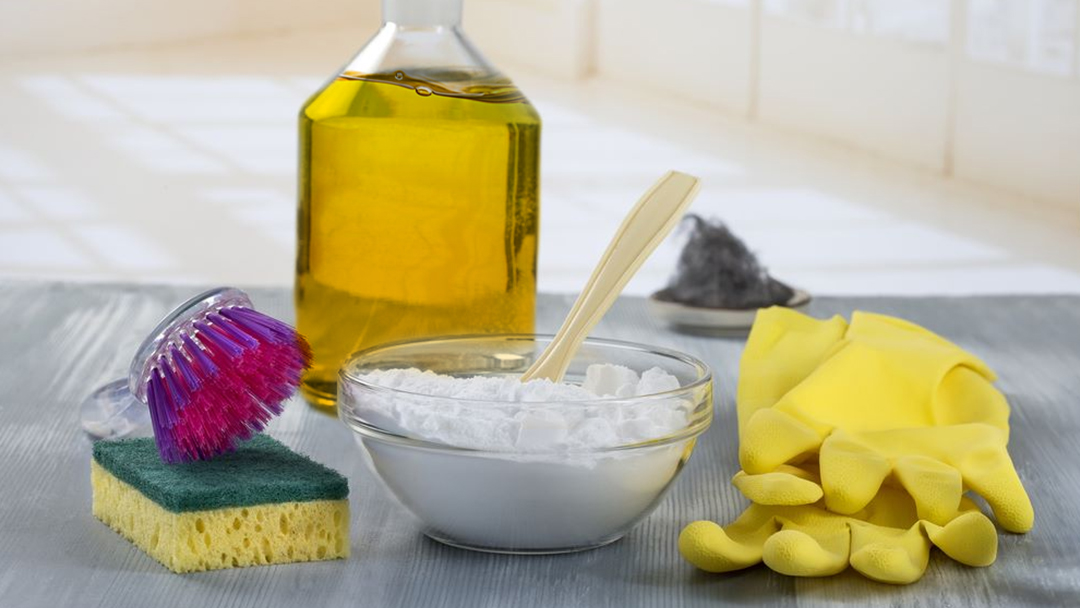
If you want to avoid chemicals, look in your pantry.
For thick, gummy adhesives that just smear when you touch them, you need to do the opposite of heating: freeze them.
Removing a sticker shouldn’t feel like a high-stakes surgery. By matching the right solvent to the type of adhesive, you can keep your glass surfaces looking brand new without the frustration of sticky residue. Remember, the key is patience: let your cleaning agent (whether it’s vinegar, oil, or heat) do the heavy lifting so you don’t have to scrub.If you find that your glass or mirrors have become permanently clouded or scratched over time from improper cleaning, it might be time for an upgrade. At Fab Glass and Mirror, we specialize in custom-cut glass, tempered glass, and designer wall mirrors tailored to your exact needs. Explore our shop today to find the perfect, crystal-clear addition to your home.
Stick to the Vinegar or Alcohol methods. Avoid soaking the edges of the mirror in water for long periods, as moisture can seep behind the glass and cause black edge.
No, WD-40 is safe for the glass itself, but it can degrade rubber seals or plastic frames if left to sit. Always wipe it off promptly.
Heat is your best friend for permanent adhesives. Soften it with a hair dryer first, then use a solvent like Goo Gone to clean up the remainder.
Laminated glass is safer and more versatile. It holds together when broken, preventing injuries and break-ins. Plus, it blocks noise and those harmful UV rays that fade your furniture. If you want extra protection and peace of mind, laminated glass is the way to go.”
Only on plain glass. Never use it on tinted car windows or smart glass, as the acetone can melt the plastic films and coatings.
Avoid abrasives like baking soda on frosted glass, as it can polish away the texture. Use the Heat or Alcohol method instead to lift the adhesive out of the “pores” of the glass.

Explore all things glass—from stylish table tops and insulated options to tinted and frosted designs. Discover guides on glass railings, custom cut glass, shelves, and stunning backsplash ideas for a modern home or office upgrade.