
My Cart
You have no items in your shopping cart.

Modern architecture and home design demand more than just visual appeal. Energy efficiency, comfort, and sustainability have become non-negotiable. At the center of this shift stands the insulated glass panel, a building material that blends style with practical function. Whether for residential homes, commercial façades, or skylights, insulated glass panels (IGPs) have become the standard for performance-oriented glazing.
This article explains what insulated glass is, explores the different types, and outlines the benefits, applications, costs, and maintenance considerations. If you are exploring insulated glass panels for windows, custom insulated glass panels, or even insulated glass roof panels, this comprehensive article provides the knowledge you need to make an informed decision.
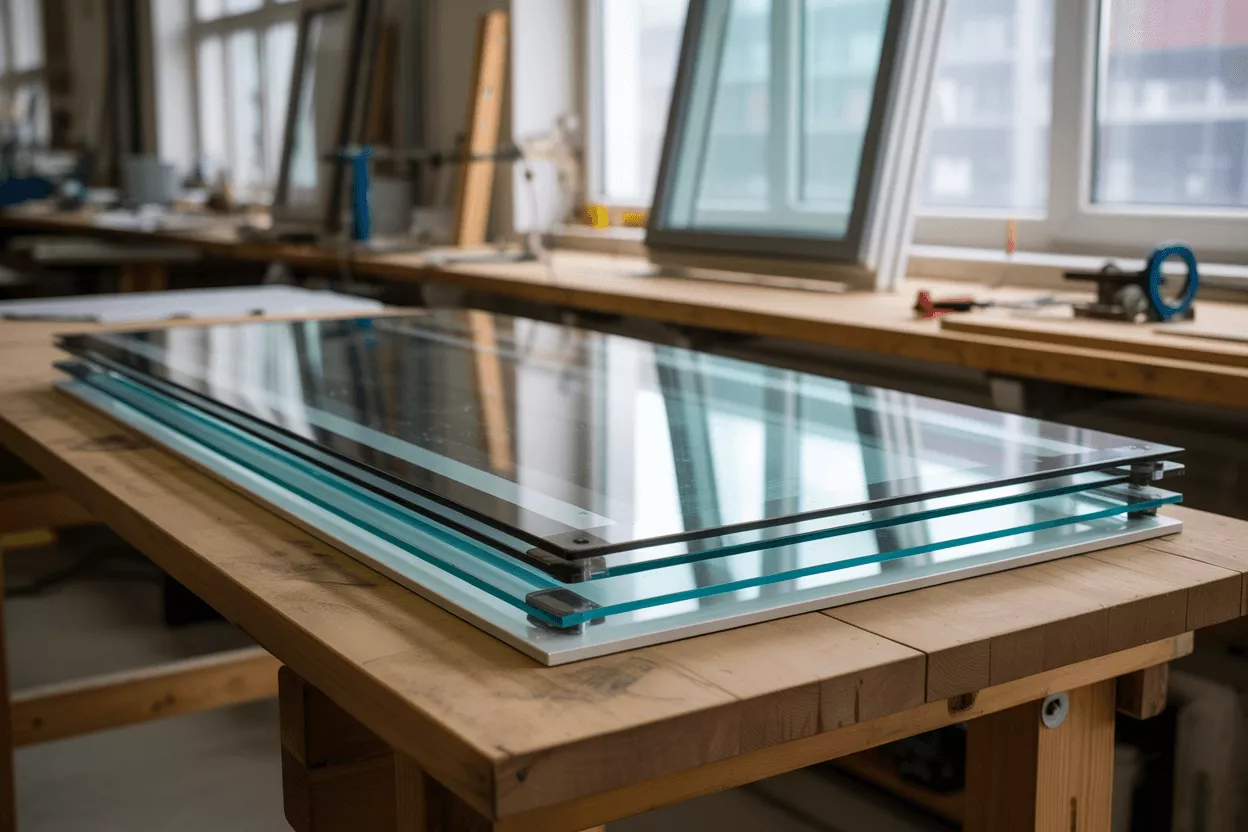
Table of Contents
Insulated glass panels, also called insulated glass units (IGUs), are multiple panes of glass separated by a spacer and sealed to create an airtight cavity. This cavity may be filled with air, argon, or krypton gas. The result is a barrier that reduces heat transfer, minimizes noise, and improves comfort compared to single-pane glass.
Unlike traditional glazing, which easily conducts heat and cold, insulated glass slows energy loss through three main mechanisms:
By addressing these, insulated glass delivers superior energy performance and long-term value.
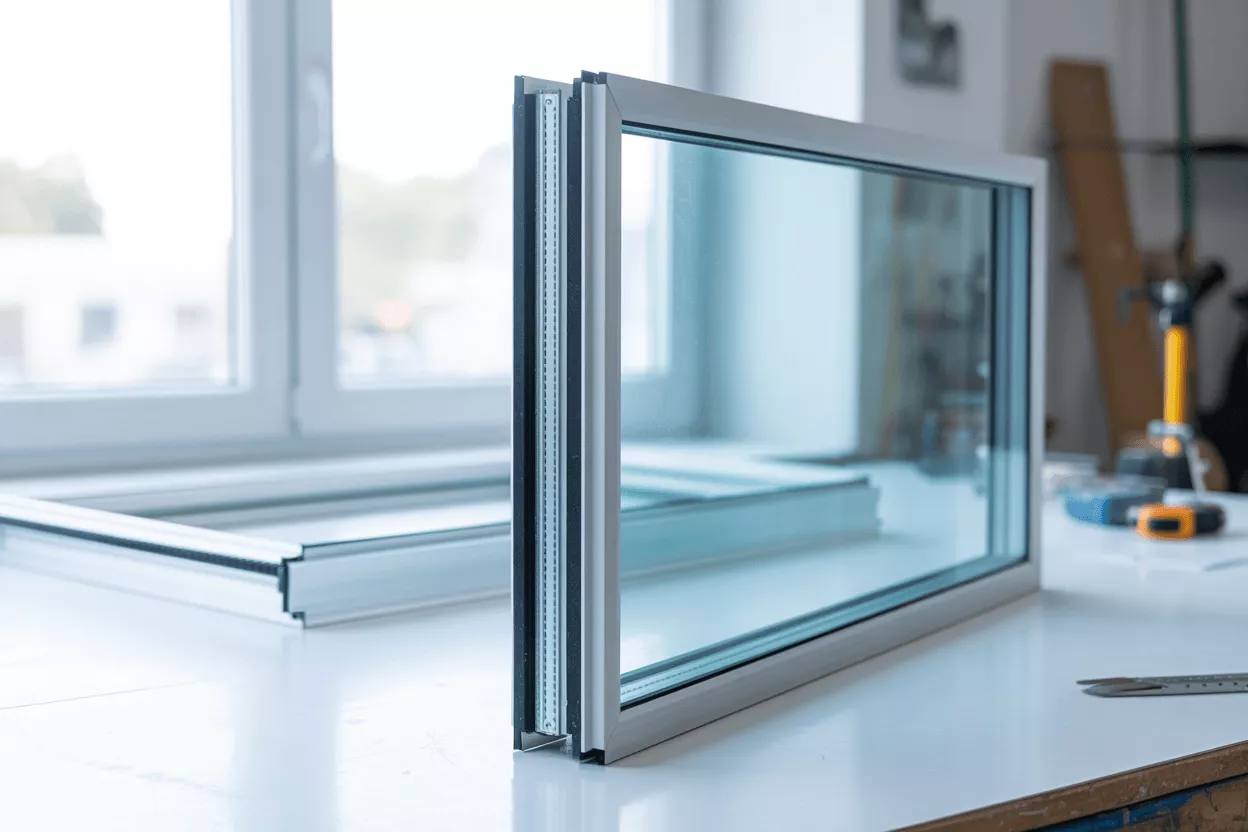
The most common type, consisting of two panes with one cavity. They are affordable, effective, and suitable for most climates.
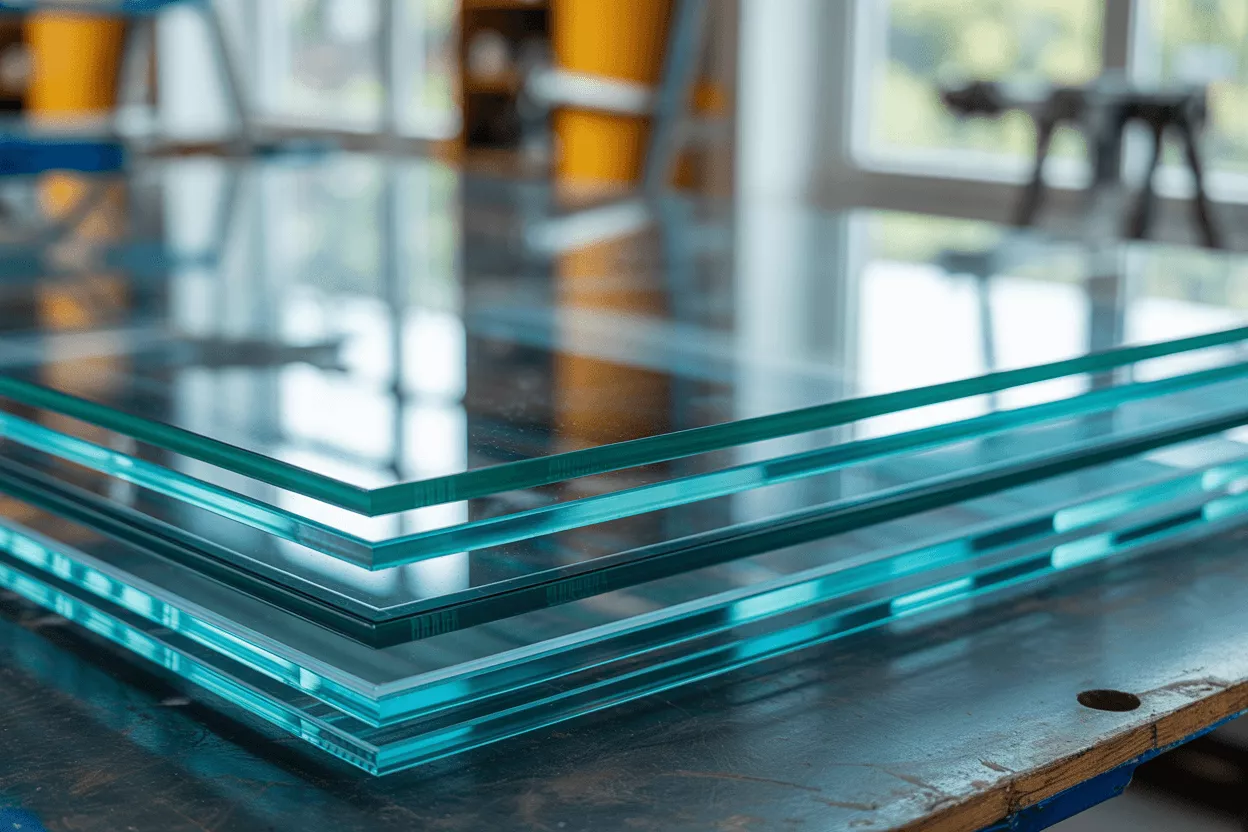
Built with three panes and two cavities, these panels provide stronger insulation and sound reduction. They are heavier and costlier but excel in extreme climates or noisy urban environments.
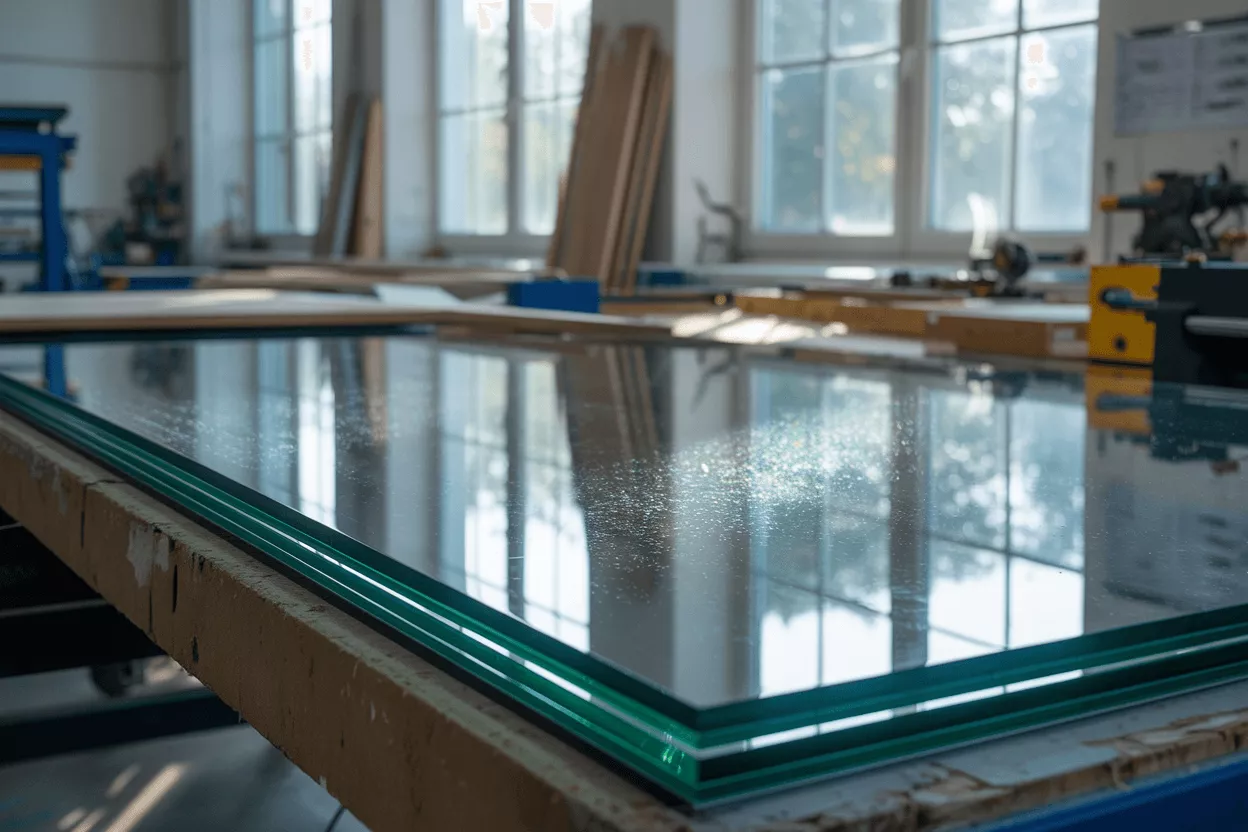
These panels feature a microscopically thin metallic coating that reflects infrared energy. This keeps heat inside during winter and blocks solar gain in summer while letting visible light through.
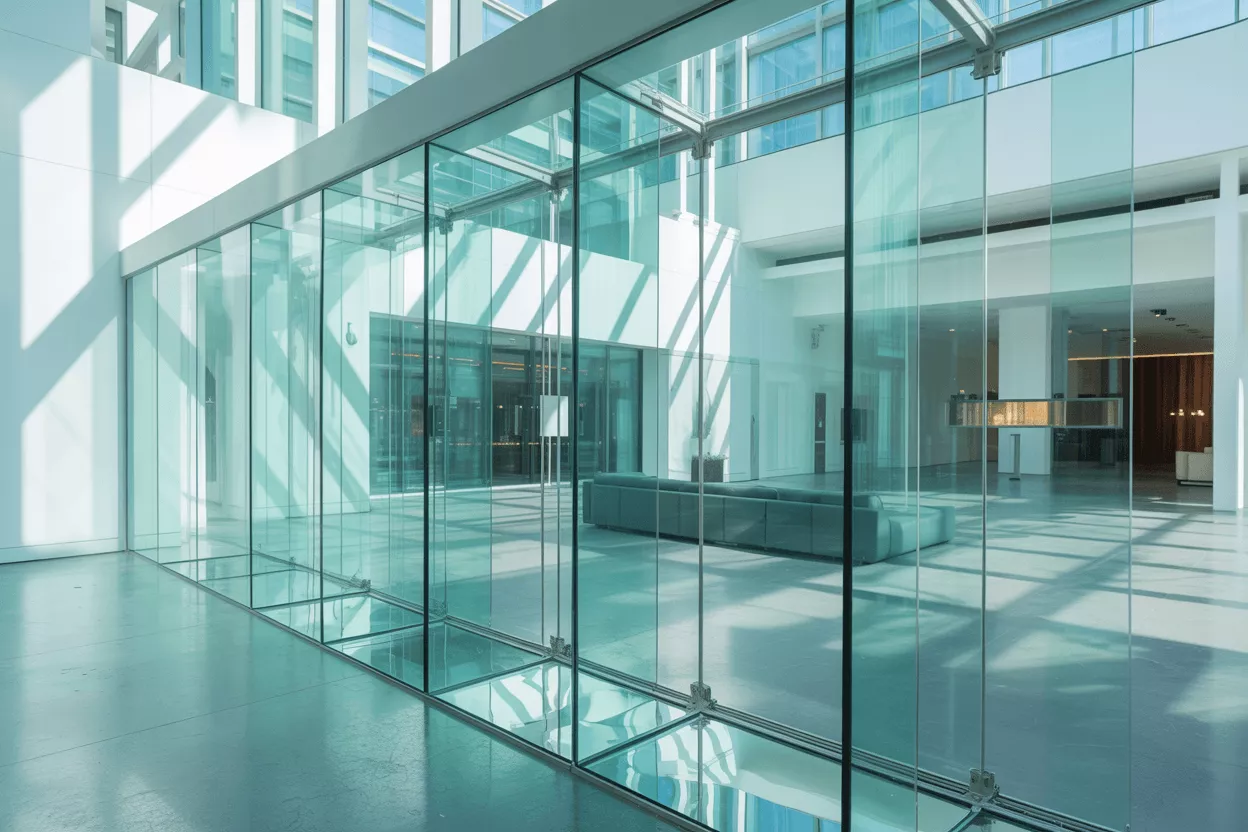
Minimalist and modern, these are designed without bulky frames, creating a clean, contemporary look. They are often used in glass walls, partitions, or storefronts.
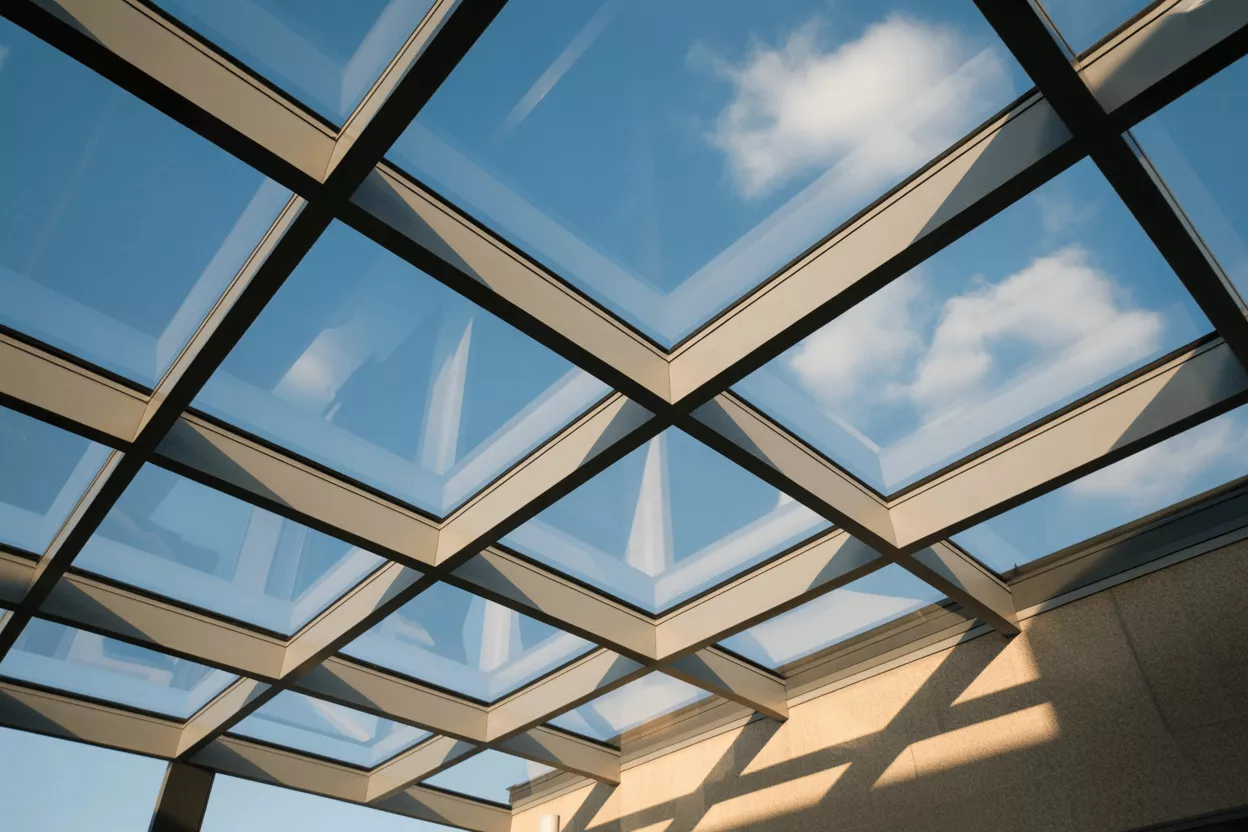
Perfect for skylights, conservatories, and sunrooms. These allow natural light to flood interiors while limiting heat transfer and controlling solar glare.
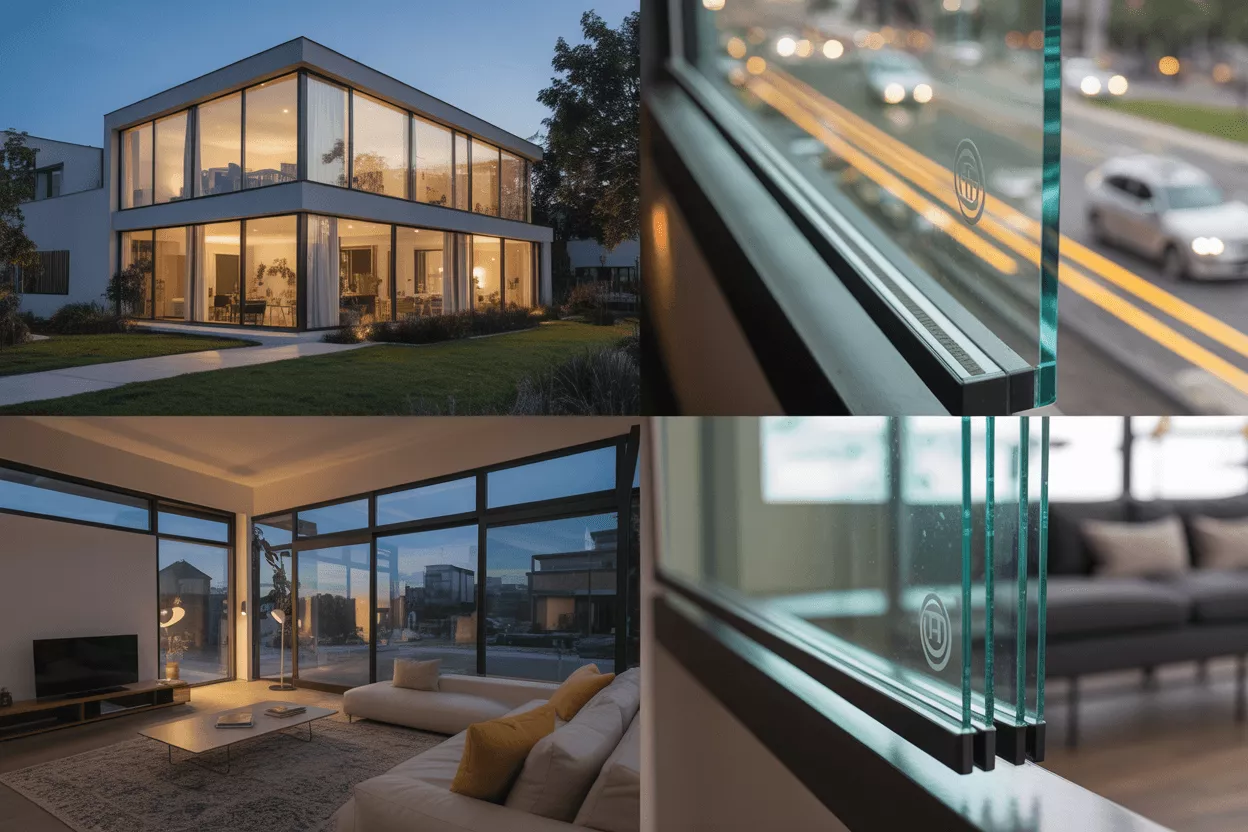
Insulated glass dramatically reduces heating and cooling losses. Homes equipped with double insulated glass panels can cut energy bills by up to 30%.
The sealed cavity creates a buffer against outdoor sounds. In high-traffic areas, triple insulated glass panels can significantly improve indoor quietness.
By stabilizing indoor temperatures, insulated glass prevents cold drafts and hot spots. This improves comfort in all seasons.
The cavity design and warm-edge spacers reduce condensation, protecting against mold and water damage.
Replacement insulated glass panels often come with tempered or laminated glass options that resist impact and enhance safety.
From frameless insulated glass panels to decorative finishes, insulated glass adapts to both functional and design needs.
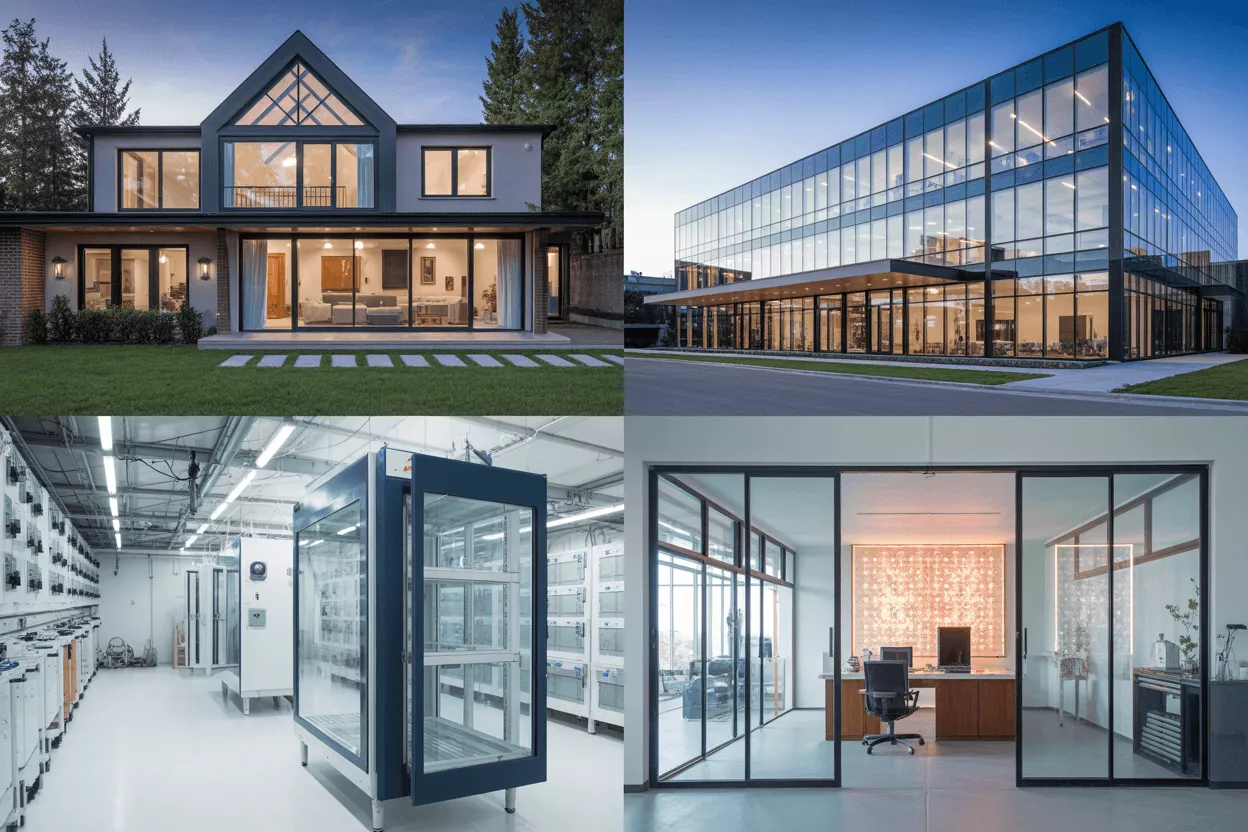
Fab Glass and Mirror delivers precision-engineered insulated glass panels that instantly boost thermal performance and reduce monthly energy costs.
Insulated glass panels have wide-ranging applications:
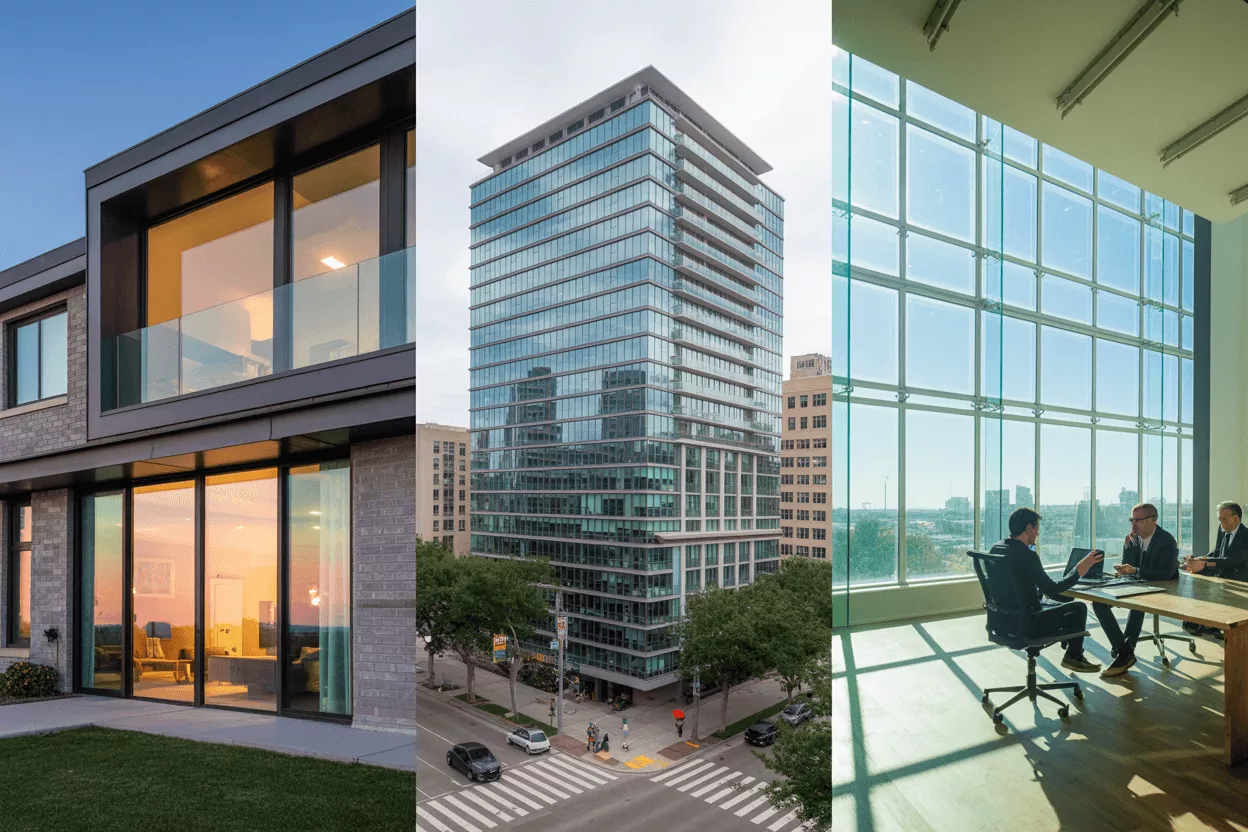
A homeowner in Dallas replaced old single-pane windows with low-E double insulated glass panels. Their summer cooling costs dropped by nearly 35%, and the home interior stayed noticeably more comfortable.
An apartment building near a busy intersection replaced windows with triple pane insulated glass panels. Tenants reported quieter interiors and improved sleep quality, highlighting the acoustic benefits of IGUs.
A mid-sized office tower upgraded its façade with insulated glass panels. HVAC loads dropped 25%, and indoor comfort improved, proving that glazing can transform building performance.
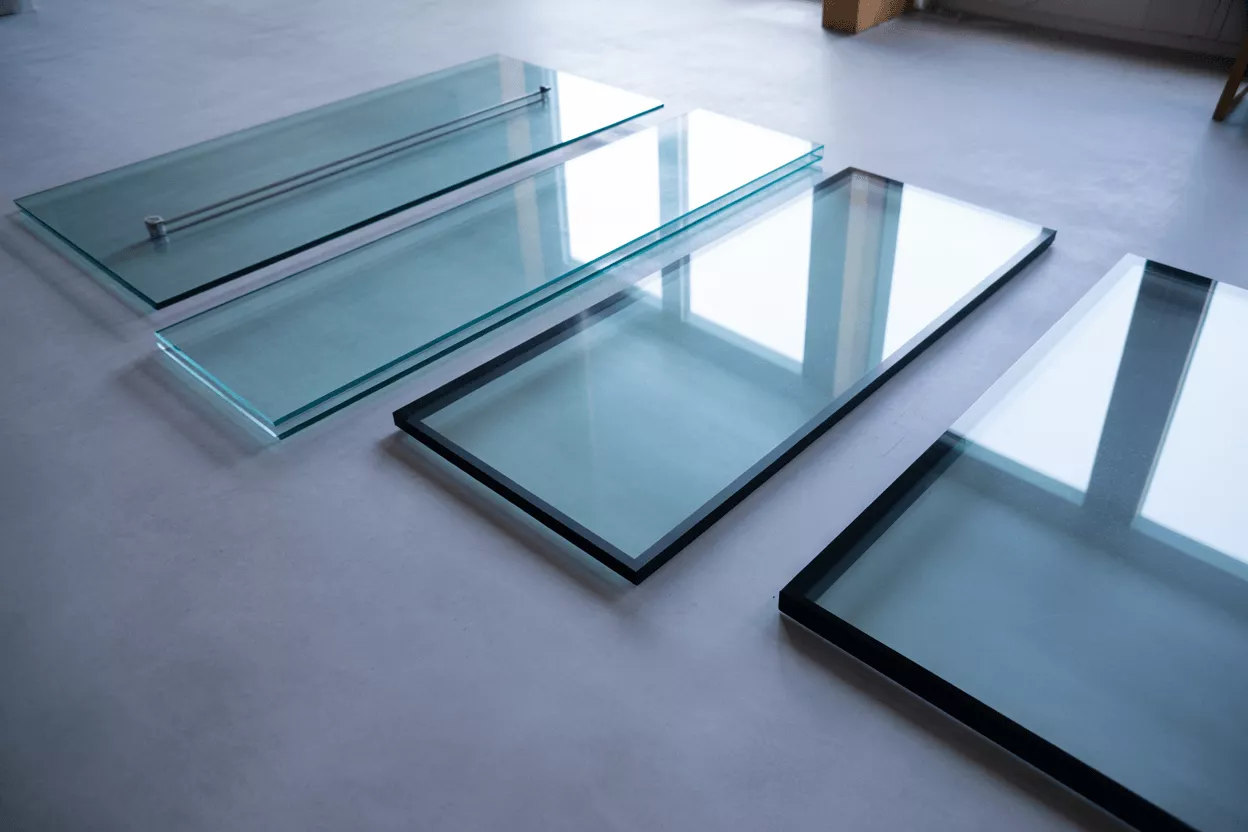
Our custom insulated replacement panels eliminate drafts, block noise, and restore clarity—without requiring a full window replacement.
The insulated glass panels cost depends on type, size, and customization:
Though initial investment is higher, energy savings often pay back costs within 5–10 years, depending on climate and energy rates.
If you’re searching for insulated glass panels for sale, compare suppliers for warranties, shipping reliability, and customization options.
Insulated glass panels typically last 15–25 years. Signs of failure include condensation between panes or reduced energy performance. Fortunately, replacement insulated glass panels can often be fitted into existing frames without replacing the entire window.
Replace panels promptly if fogging occurs
Clean with non-abrasive solutions
Inspect seals annually
Avoid stress on glass edges
We build custom insulated glass solutions—double, triple, Low-E, roof, or frameless—crafted to fit your exact project needs.
Insulated glass panels have become a cornerstone of modern building design, offering unmatched performance in energy savings, comfort, and aesthetics. From double pane insulated glass panels for homes to custom insulated glass panels for unique projects, the options are vast and versatile.
Whether upgrading residential windows, outfitting a commercial façade, or installing insulated glass roof panels, investing in insulated glass is not just about design—it’s about sustainable living and long-term value.
With benefits spanning energy efficiency, noise reduction, and safety, insulated glass panels are more than just windows; they are a practical solution for modern life.
Insulated glass is a sealed unit of two or more panes with an air or gas-filled cavity, designed to reduce heat loss, control noise, and improve comfort.
In most climates, yes. For very cold or noisy areas, triple-pane panels may be worth considering.
They are available from local glass shops, manufacturers, and online retailers. Options include insulated glass panels online, replacement insulated glass panels, and frameless insulated glass panels.
Typically, 15–25 years, depending on quality and installation.
These panels are ideal for skylights and conservatories, letting in natural light while limiting unwanted heat gain.
Explore all things glass—from stylish table tops and insulated options to tinted and frosted designs. Discover guides on glass railings, custom cut glass, shelves, and stunning backsplash ideas for a modern home or office upgrade.