
My Cart
You have no items in your shopping cart.

Installing a mirror doesn’t involve any rocket science, but at the same time, it’s not easy for everyone. Mirror installation is not a big deal for professionals; however, with no prior knowledge, you may end up damaging the walls and mirror, both.
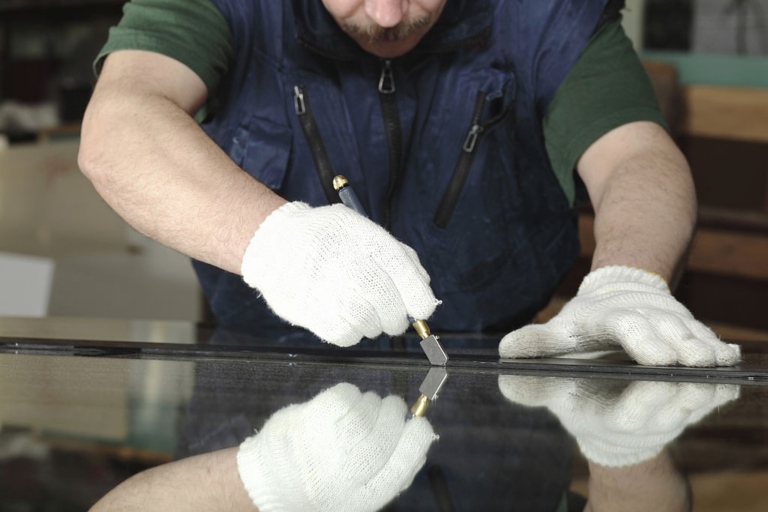
Every day we encounter several queries from our customers and the most common one is, “How to hang a mirror?” Hanging an oval, round, rectangle, or any other mirror design includes the same installation procedure. In this blog, we will enlighten you on the mirror installation process, a brief differentiation between hanging a framed and frameless mirror, and some pros and cons of the DIY installation of a mirror.
So, let’s begin.

Table of Contents
Before digging right into the installation procedure, let’s have a look at the mirror types. Mainly, there are two types of mirrors:
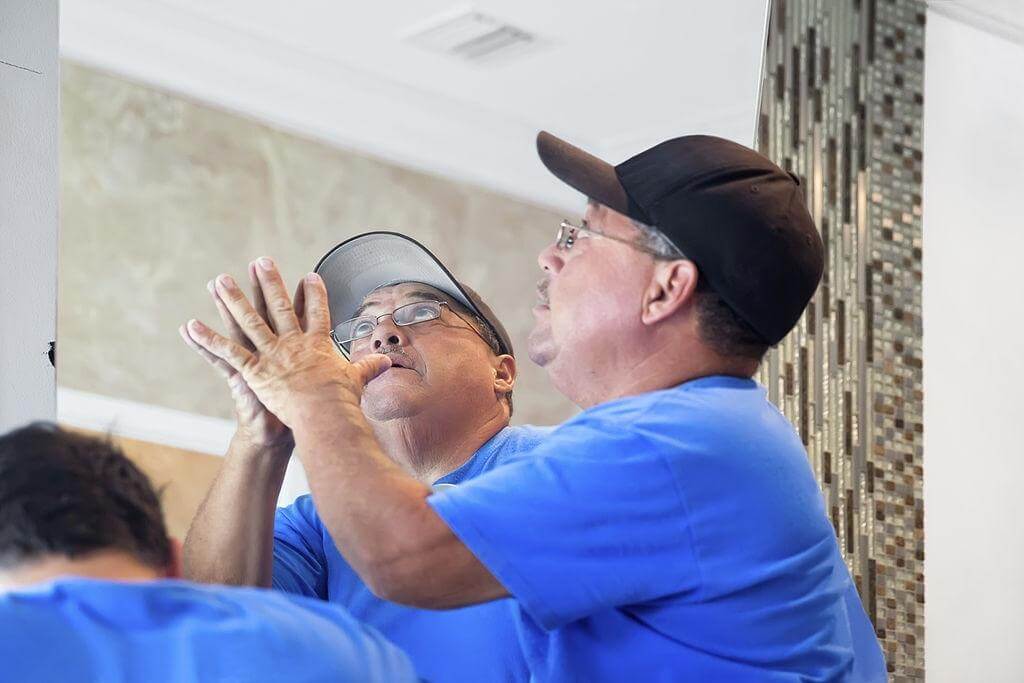
Technically, framed mirrors are easy to install compared to frameless mirrors. However, the framed mirrors occupy more space, and hence they are not an ideal choice for small and limited spaces.
Whereas the frameless mirrors are commonly placed in bathrooms, and they add a sleek look to your place that matches all types of decor. Such mirrors are permanently fixed in the wall using glue or hanging brackets.
Installing a lightweight mirror is quick and easy. For a secure, flush mount, use the included brackets to attach it directly to the wall. If you prefer a more flexible setup, you can hang it with a chain, allowing for easy adjustments.
The hardware for heavy mirror includes:

Tools & Materials You’ll Need
Always take safety measures before initiating a small/large project. Since the mirror installation uses power tools, Fab Glass and Mirror recommends its readers to wear safety goggles and ear protection while completing the installation of the mirror.

The first step is to know the place to hang a mirror. Placing the right design and size of mirror at the right place is an important task. Your bathroom requires a LED vanity mirror. You can place a full-length mirror in your bedroom, antique mirror in the living room and a round sleekly designed framed mirror at the entryway.
These are some common places that require a mirror for practical as well as the decor purposes.

Carefully look for the mirror size and style that beautifully complements your place. Go for the frameless mirrors in the bathrooms and entryway as they suit best there. The framed mirrors can be a fine addition to the bedrooms and large hallways.

There are many mirror hanging techniques that work well according to the mirror size. Go for the adhesive hanging technique for small and frameless mirrors. For framed mirrors, the hanging wire mounted behind the mirror is the best solution. Moreover, you can use the brackets to hang your mirror.
Some mirrors come with pre-installed D-clips that give you easy installation.
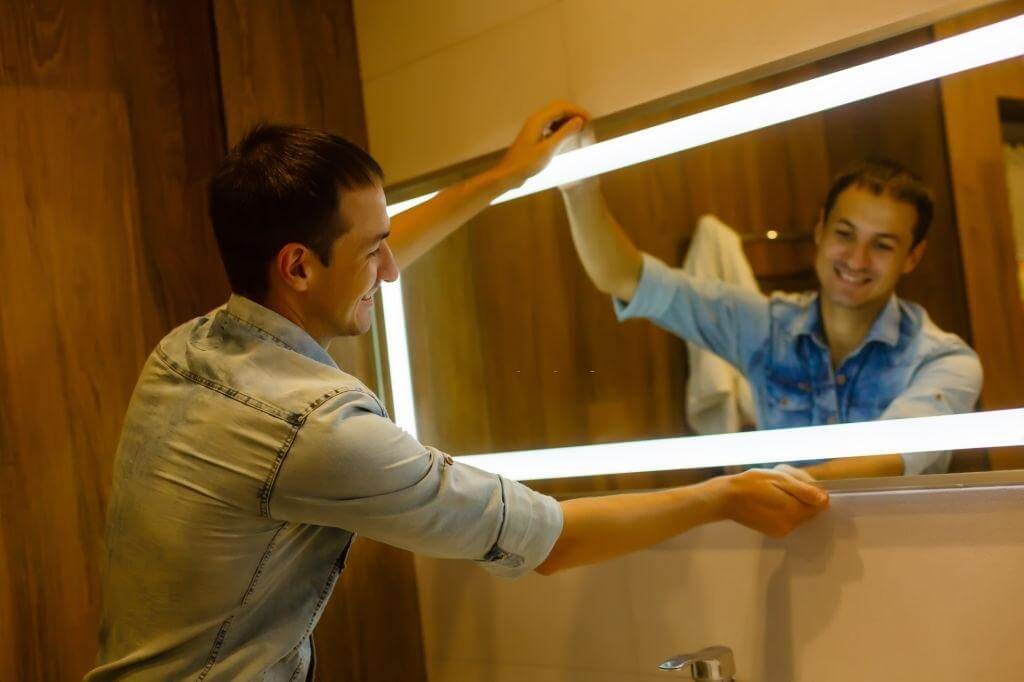
When you are to make the final decision, keep in your mind that safety and proper installation should be your priorities. You must hire a professional to complete the job where the chances of structural damages are high. Go for the DIY mirror installation if you consider yourself the master and know your abilities.
Fab Glass and Mirror has all the glass solutions for your residential and commercial needs. Just visit the Fab Glass and Mirror website and enter the glass world that fulfills all your needs.
Explore all things glass—from stylish table tops and insulated options to tinted and frosted designs. Discover guides on glass railings, custom cut glass, shelves, and stunning backsplash ideas for a modern home or office upgrade.