
My Cart
You have no items in your shopping cart.

Modern retail success isn’t just about what you sell, it is about how you present it. Across the United States, store owners are upgrading their spaces with high-quality glass panels that create brighter displays, improve product visibility, and increase perceived value. Whether you are building out a new retail location, remodeling an existing space, or upgrading your display fixtures, choosing the right type of glass is a critical decision that directly impacts safety, sales, and store aesthetics.
Many retailers now source their commercial-grade panels from Fab Glass and Mirror to ensure dependable quality, precise fabrication, and visually consistent displays that elevate the entire shopping experience.
This guide breaks down everything U.S. retailers must know about selecting, buying, installing, and maintaining commercial glass panels.
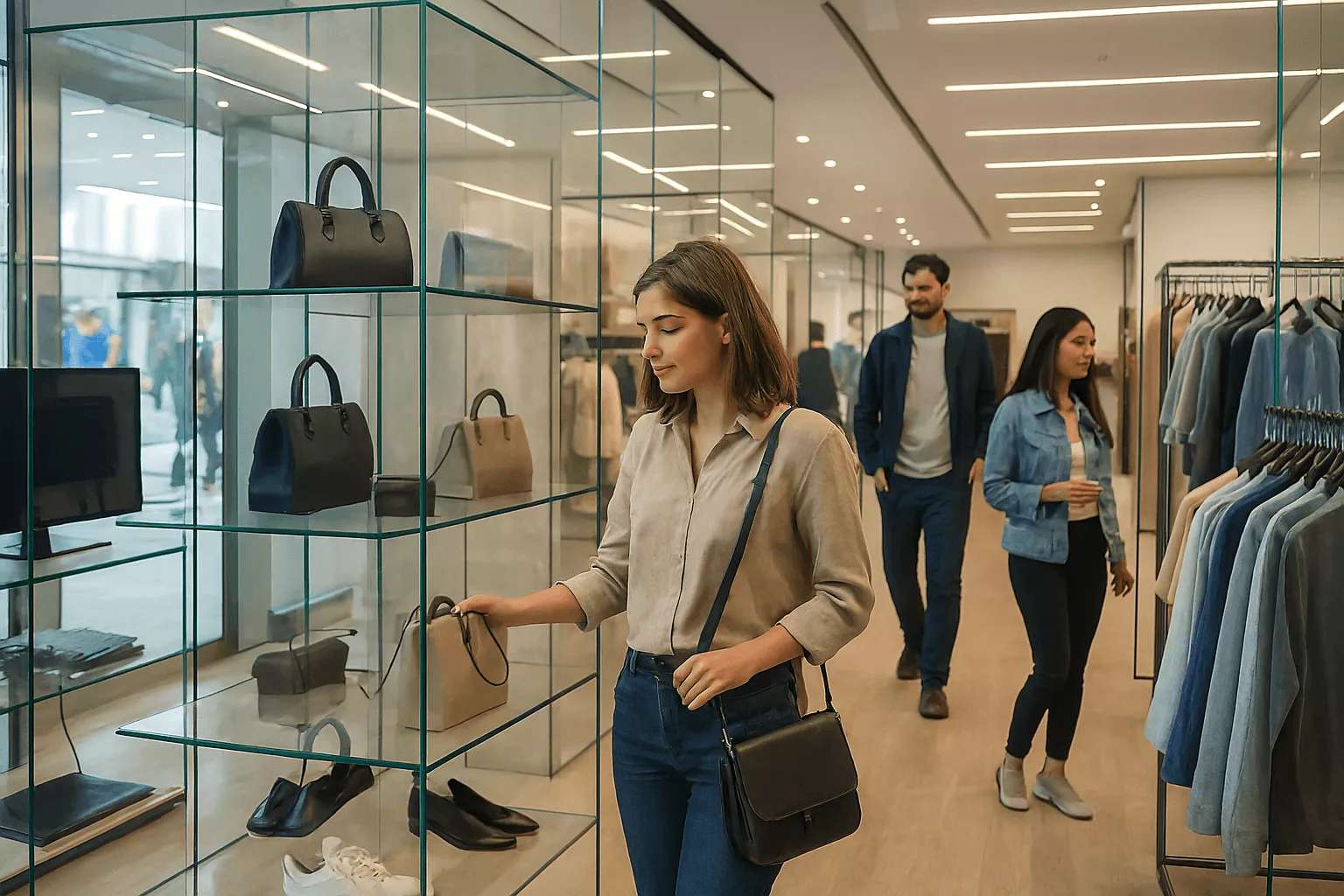
Table of Contents
Retail glass panels are commercial-grade glass sheets used for storefronts, shelving, display cases, partitions, doors, and branding surfaces inside retail environments. Unlike residential glass, retail glass must meet strict commercial safety standards, offer better durability, and withstand heavy daily traffic.
U.S. retailers increasingly use glass to:
The result? Higher conversion rates, more browsing time, and stronger customer engagement.

Research in retail psychology shows:
Different sectors across the U.S. depend heavily on custom glass:
These industries use glass not just for appearance, but because it protects inventory, improves display efficiency, and drives sales.

Retailers don’t choose glass by accident. The benefits are tangible, measurable, and directly tied to store performance.
Customers won’t buy what they can’t clearly see. Retail glass panels increases:
Low-iron glass, specially makes colors appear more vibrant, which is a priority for jewelry and beauty stores.
Retail store glass panels amplify natural and artificial lighting. Retailers gain:
It’s visual merchandising at its most efficient.
Commercial environments require shatter-resistant materials:
This is non-negotiable, especially for storefronts, doors, and display cases.
Laminated glass delays forced entry, making smash-and-grab theft nearly impossible. High-risk retailers such as jewelry, electronics, and smoke shops rely heavily on security glass for retail theft prevention.
Glass:
The ROI is clear.

Choosing the wrong storefront glass types is the fastest way to ruin a store’s appearance, safety, or display efficiency. Here is what U.S. retailers must know.
Acrylic advantages: lightweight, flexible

Different retail industries require specific glass types for safety, clarity, and performance. These tailored recommendations help you choose the best glass solutions based on your store’s products, environment, and customer needs.
Jewelry displays demand absolute clarity.
Recommended:
The Goal: Color accuracy + anti-theft protection.
Electronics require bright, anti-glare retail displays that let customers clearly see screens and details from different angles.
Recommended:
Customers want to see details, especially screens and gadgets.
Clothing stores rely on:
For apparel: Space and lighting matter more than thickness.
These environments deal with heavy daily use.
Recommended:
Durability > aesthetics here.
Makeup and skincare need true color visibility.
Recommended:
The wrong glass makes colors appear dull, killing sales.

Tempered glass panels serve multiple roles in modern retail, enhancing storefront visibility, protecting merchandise, improving display aesthetics, and creating open, customer-friendly layouts across retail glass shelves, cases, partitions, doors, and branded presentation areas.
Must comply with:
Key selection factors:
Jewelry, electronics, vape shops — all rely on these.
Critical considerations:
Retail shelving is functional and visual — both must align.
Tempered glass counters protect surfaces and elevate aesthetics.
Used for:
Glass partitions keep stores modern and spacious.
Frosted or mirrored panels create premium shopper experiences.
Glass delivers a clean, professional finish and is often used for:
Frameless glass doors are a hallmark of high-end retail.
Retailers often make the wrong choice because they don’t understand specs. Here is what matters.
Low-iron gives the most accurate product visibility.
All U.S. commercial retail installations must follow:
Important for:
Wrong hardware = installation failure.
These coatings significantly improve customer experience.
Here is where search intent is highest.
Ranges from $150 to $900+ depending on:
Labor varies by city:
DIY is only acceptable for:
Not acceptable for:
Professional installation protects you from liability.
Retailers must use:
Full retail build: 1–3 weeks

Use:
Switching to low-iron glass increased:
Sales uplift: 18% on premium pieces.
Anti-glare glass reduced reflections by 40%, improving device inspection.
A frameless storefront increased foot traffic by 23% within two months.
Heads straight to breakage or bending.
Leads to fines or failed inspections.
Illegal in most commercial spaces.
Causes sagging or catastrophic failure.
Glass panels for retail displays have become a foundational element of modern U.S. retail design because they do far more than simply look good, they directly influence visibility, customer psychology, and purchasing behavior. The right glass transforms a store into a brighter, more open, and more premium shopping environment while meeting the safety and durability demands of commercial spaces. Whether you are upgrading glass display panels, installing new shelving, redesigning your storefront, or building a full retail interior from scratch, choosing the correct glass type, thickness, and coating determines both the aesthetic impact and long-term performance of your store.
With the right guidance, retailers can create displays that not only elevate their brand but also improve product visibility, enhance customer experience, and protect valuable inventory. For U.S. retailers who want custom-cut, safety-certified, and professionally crafted glass solutions, Fab Glass & Mirror provides the reliability, precision, and nationwide delivery needed to bring any retail vision to life.
Tempered glass is the best all-around option for U.S. retail stores because it’s strong, shatter-resistant, and required by most safety codes.
Low-iron (ultra-clear) glass is ideal because it eliminates the green tint and shows true product colors, especially for jewelry, electronics, and cosmetics.
Most retail shelves require ⅜” or ½” tempered glass, depending on load weight and shelf span.
Yes, laminated glass is strongly recommended for storefronts because it improves security, blocks UV light, and stays intact even if cracked.
Tempered glass is heat-treated for impact resistance, while laminated glass uses multiple layers bonded together to prevent break-ins and contain shards.
Yes. U.S. commercial spaces must use glass that meets ANSI Z97.1, CPSC 16 CFR 1201, and applicable local building codes.
Most retail-grade glass costs $20–$70 per sq ft, depending on type, thickness, and customization.
Yes, laminated security glass makes forced entry much harder and is commonly used in jewelry, electronics, and vape stores.
Anti-reflective, fingerprint-resistant, and UV-protective coatings improve clarity, reduce glare, and keep displays clean.
Retail glass should be inspected monthly for shelves and display cases, and quarterly for storefront panels to ensure safety and stability.
Explore all things glass—from stylish table tops and insulated options to tinted and frosted designs. Discover guides on glass railings, custom cut glass, shelves, and stunning backsplash ideas for a modern home or office upgrade.