
My Cart
You have no items in your shopping cart.


While fiberglass is often used for its affordability, it cannot match the structural benefits of tempered glass, such as safety-shatter patterns and superior thermal stability.
This guide compares tempered glass vs. fiberglass shower doors to help you decide based on safety, durability, cost, and visual appeal. Whether you’re remodeling or building new, understanding the pros and cons of each material will help you make a more informed choice.
As a glass specialist, Fab Glass and Mirror recommends tempered glass for permanent bathroom installations due to its safety certification, strength, and aesthetic appeal. According to industry standards, tempered or equivalent safety glass is required for all enclosed shower applications to ensure maximum protection and longevity.
Table of Contents
| Feature | Tempered Glass | Fiberglass |
| Durability | Highly durable and scratch-resistant | Prone to wear, scratches, and fading |
| Safety | Shatters into safe chunks | Can crack or chip dangerously |
| Cost | Higher upfront cost | Lower initial cost |
| Maintenance | Easy to clean | More susceptible to discoloration |
| Customization | High – textures, tints, thickness | Limited textures and colors |
| Installation | Professional recommended | DIY-friendly and lightweight |
For example, adding a unique texture on top of the shower enclosure or choosing a unique tinted glass. Similarly, you can also go with bespoke shower doors, along with either tempered glass or fiberglass shower doors.
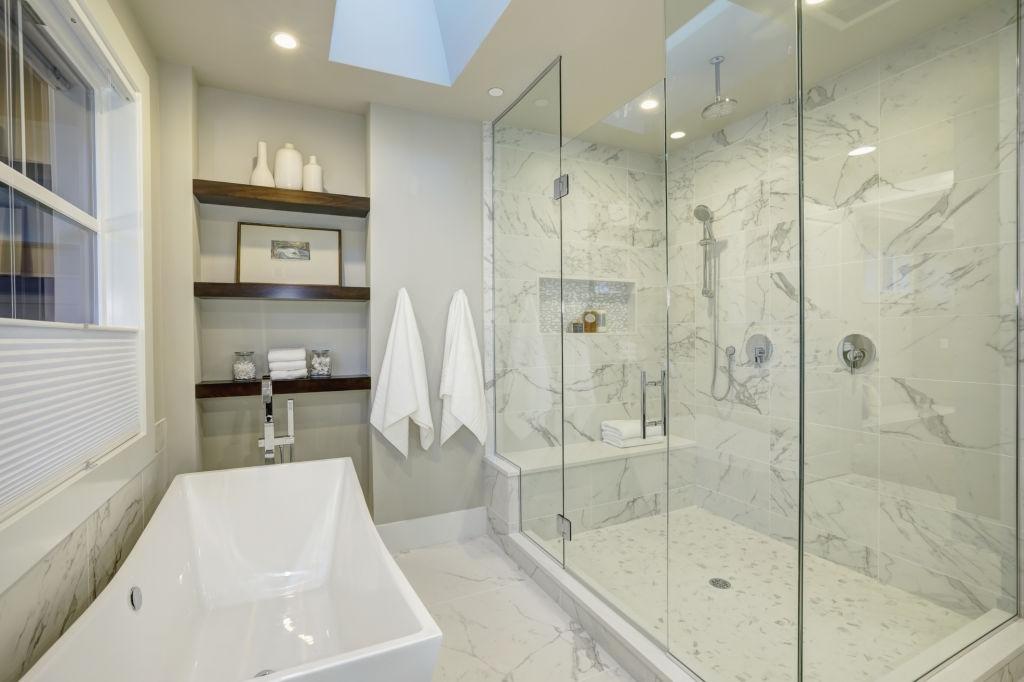
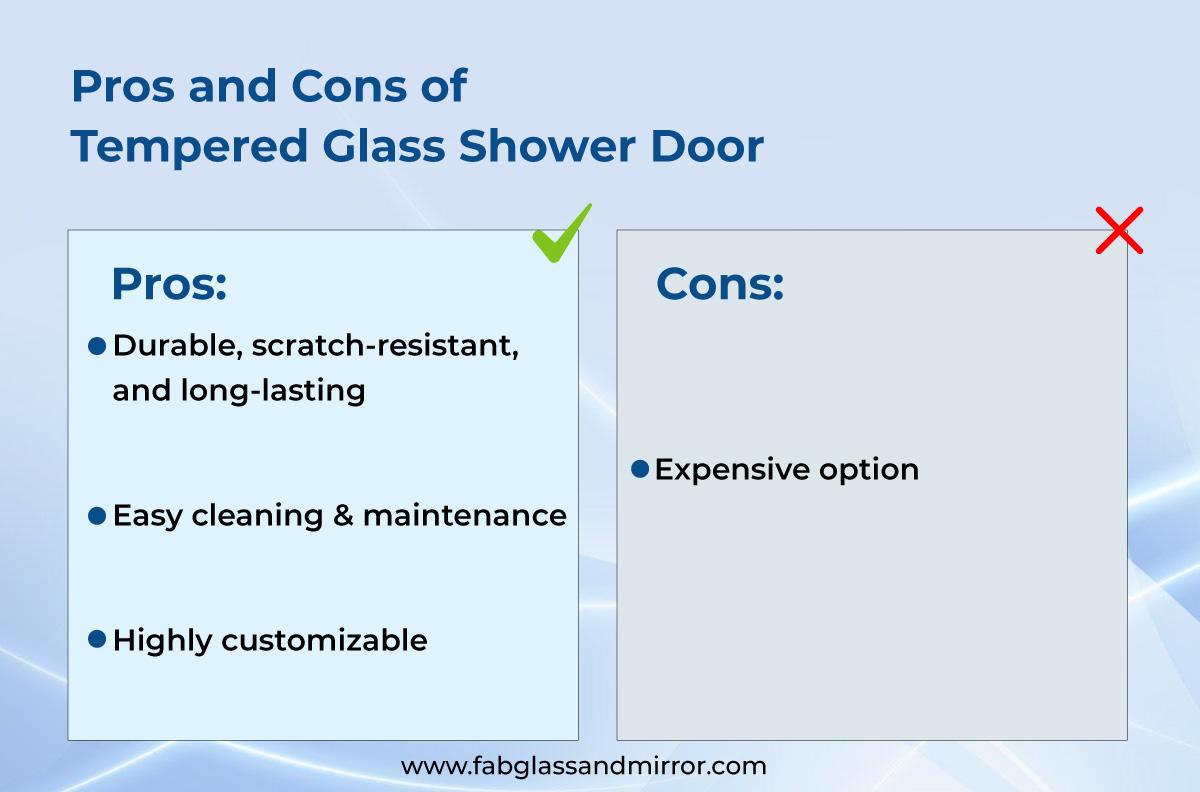
Tempered glass shower doors are among the best glass shower door ideas for shower enclosures. They are strong, durable, and last long. In addition, unlike other types of shower glass, they go through extensive processing. This adds to their strength and overall durability. Here are some benefits of tempered glass shower doors.
Pros:
Tempered glass is ideal for wet, humid environments like showers because of its strength and resistance to thermal shock from hot water. If broken, the glass safely shatters into harmless granules, minimizing injury risk in slippery spaces. For high-end frameless designs, understanding laminated glass vs tempered glass differences can help you choose a door that stays in one piece even if it sustains a heavy impact.
Maintains clarity and a high-end finish for years without yellowing or clouding.

The non-porous, smooth surface of tempered glass naturally resists soap scum, water spots, and mildew buildup. It’s easy to clean with everyday household cleaners, making it a low-maintenance option for busy homeowners. This ease of upkeep is one of the main reasons why tempered glass is a preferred choice for modern bathroom upgrades.
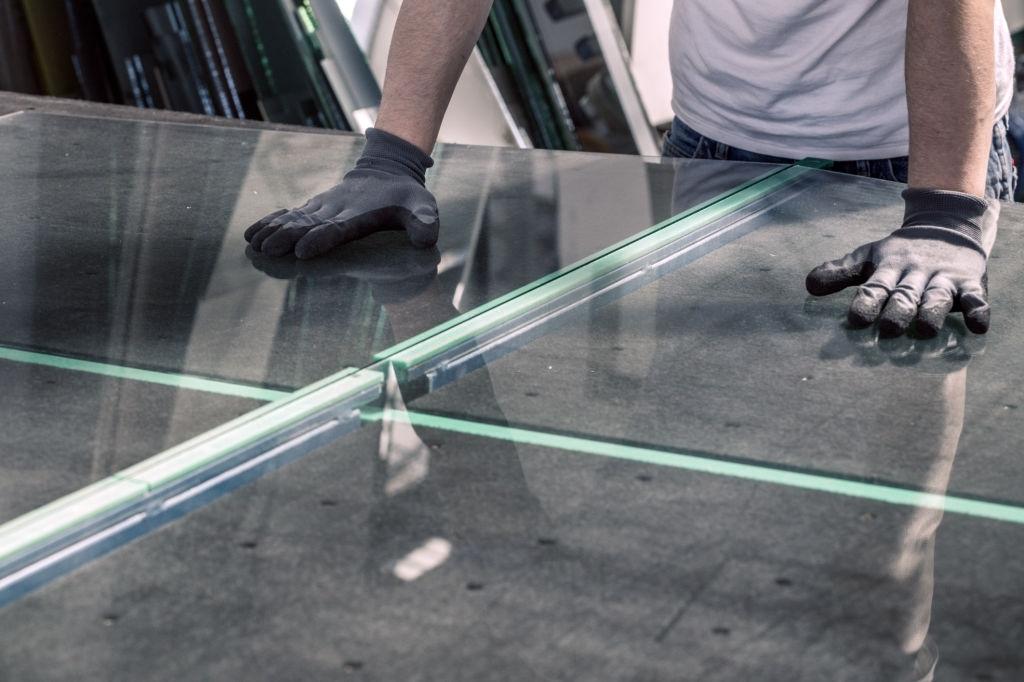
Tempered glass offers extensive design flexibility — it’s available in a wide range of finishes, thicknesses, textures, and tints, making it ideal for bespoke shower enclosures. Whether you’re aiming for a frosted privacy look, a bold tinted style, or elegant textured glass, you can create a bathroom that reflects your personal taste. Customized glass partitions for showers also add a distinctive, upscale touch to any shower space.
Cons:
Usually, it’s the shower glass door installation cost that may let down some homeowners. While it offers long-term value, the upfront cost is more than fiberglass. It justifies the extra cost by offering great strength and premium looks.
Due to its density, installation requires proper structural support.
Custom fabrication and safety compliance usually require skilled installation. To ensure your shower enclosure is both safe and watertight, always use tempered glass cut to size by a professional fabricator to avoid edge gaps.
Tempered glass is often mandatory under building codes for shower enclosures, which may limit DIY flexibility.
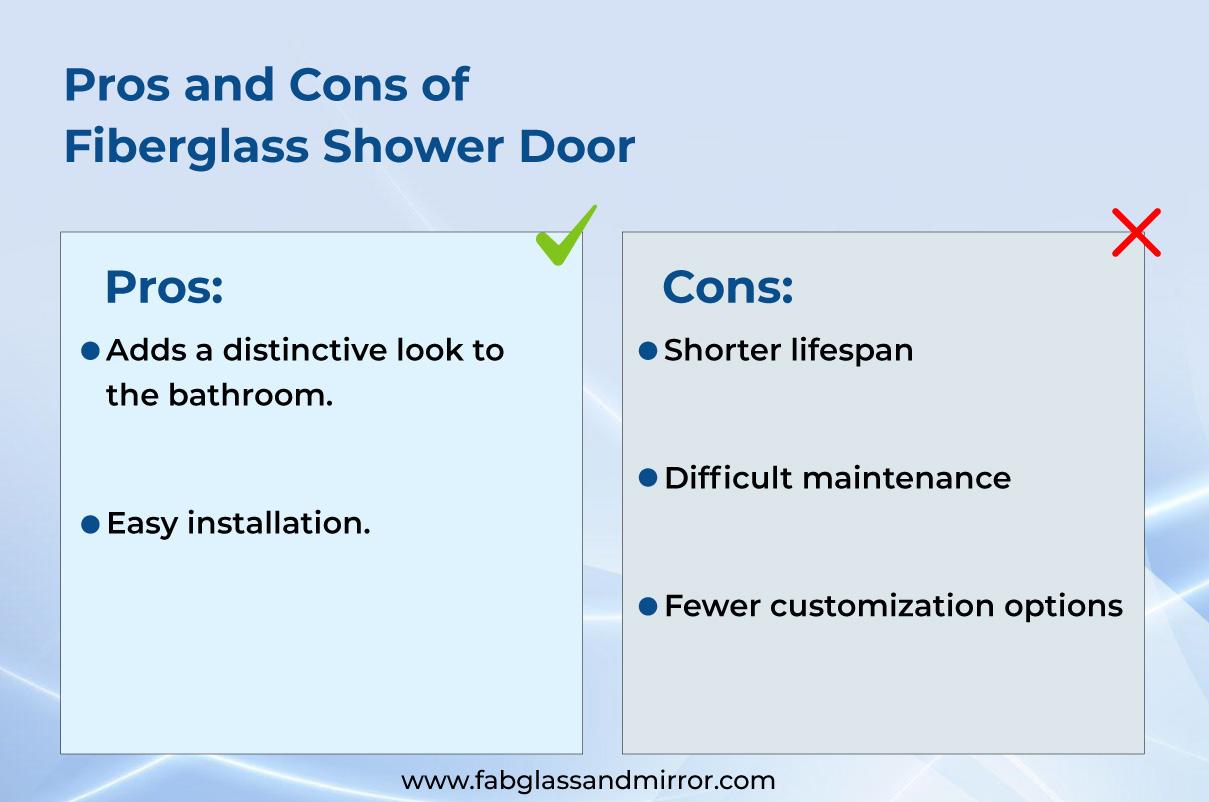
Many homeowners also like fiberglass shower doors. Though they are relatively inexpensive, their repairs can be expensive. Anyhow, let’s take a look at some of their benefits.
Pros:
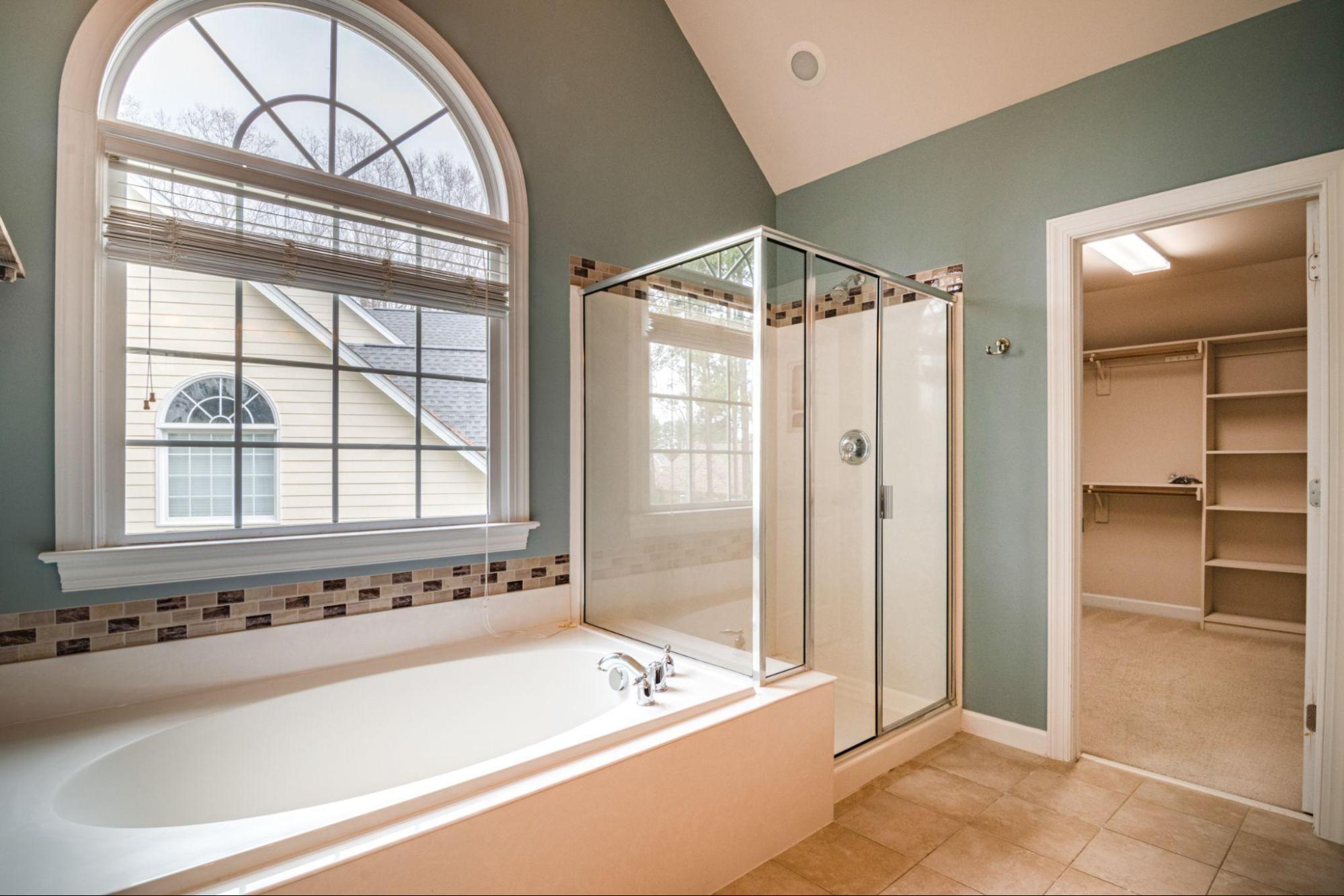
Budget-friendly and widely available, fiberglass shower doors are a cost-effective choice for homeowners working within a limited budget. They offer a practical solution without compromising on functionality, making them ideal for quick renovations or rental properties.
However, it is important to distinguish these budget-friendly materials from specialized installations. While standard steam showers use tempered glass, specialized commercial saunas may require heat-resistant glass solutions that share characteristics with ceramic fireplace glass. While these advanced glass types offer superior durability under extreme temperatures, fiberglass remains the preferred option for those prioritizing an affordable and functional residential bathroom upgrade.
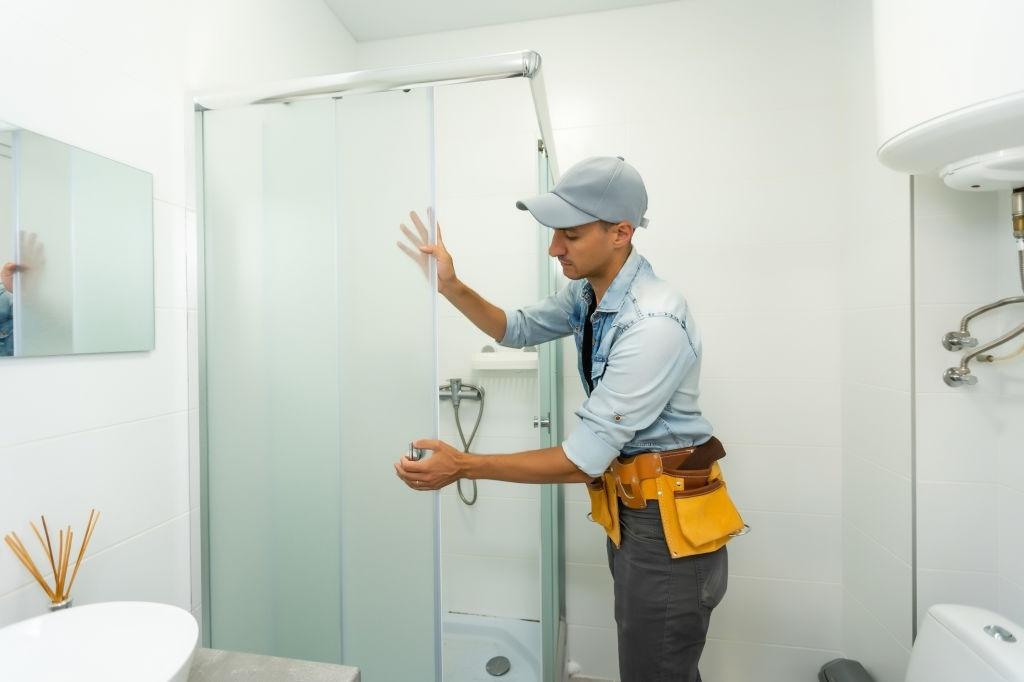
Easy to handle, cut, and install, fiberglass doors are a favorite among DIY enthusiasts. Their lightweight structure reduces the need for specialized tools or labor, allowing homeowners to complete bathroom upgrades with minimal effort and expense.
Can mimic the look of glass and suits various bathroom styles. If you’re looking to enhance the appearance and longevity of your shower, glass restoration can provide a refreshed, crystal-clear finish that adds a distinctive look to your bathroom.
Ideal for faster installations or temporary remodels, making them quite easy to install. Similarly, bathroom shower wall panels are also straightforward to install. However, this doesn’t imply that tempered glass shower enclosures are difficult to install.
Cons:
More prone to damage from wear, discoloration, and cracking over time. If you want your glass shower enclosure to last long, a fiberglass shower door may not be the right option. That’s because fiberglass is more susceptible to scratches, cracks, and general damage. Moreover, over time, its color can fade. After just a couple of years, it may require replacement—even due to minor issues.
Damage is often costly to fix, and replacement may be more economical. If you plan to repair a damaged fiberglass shower door, you’ll likely face high repair costs. That’s one of the main reasons we mentioned its shorter lifespan. In most cases, replacing the door is more practical, as repair costs are rarely budget-friendly.
Fewer options in textures, colors, and finishes. Customization is a key factor that encourages homeowners to choose seamless shower glass doors. However, not all materials offer the same level of flexibility. For example, fiberglass shower doors can’t be customized to a great extent. Additionally, there are very few color and texture options available to choose from.
Installing tempered vs non tempered glass in a bathroom isn’t just a choice; it’s a legal requirement to ensure that a slip in the shower doesn’t result in dangerous jagged shards. Tempered glass is ideal for these wet, humid environments because of its strength and resistance to thermal shock from hot water. In the event of an accident, the glass safely shatters into harmless granules rather than sharp pieces, significantly minimizing injury risk in slippery spaces.
Tempered glass shower doors are the go-to solution for homeowners who prioritize long-term durability, premium aesthetics, and code-compliant safety. They’re perfect for high-end renovations and permanent installations with affordable glass and mirror products.
On the other hand, fiberglass shower doors are an economical choice for temporary setups or quick DIY projects. Once you decide to upgrade from a fiberglass stall, you can order custom glass directly to match your bathroom’s unique layout and hardware requirements. Ultimately, your decision depends on your budget and priorities—but if safety, customization, and style matter most, tempered glass is the superior choice.

Explore all things glass—from stylish table tops and insulated options to tinted and frosted designs. Discover guides on glass railings, custom cut glass, shelves, and stunning backsplash ideas for a modern home or office upgrade.