
My Cart
You have no items in your shopping cart.


We’ll cover how each glass is made, how they perform under high temperatures, their pros and cons, and where they’re best used. Whether you prioritize impact resistance or extreme heat tolerance, this comparison will help you choose the right option. For specialized projects involving high heat or impact, working with a professional glass and mirror company allows you to consult on material limits before you buy.
Table of Contents
Tempered glass is strong and shatter-resistant, ideal for everyday safety applications like doors and windows — but it can fail under prolonged heat. Ceramic glass, however, is specially engineered to withstand extreme temperatures (up to 1000°F) without losing strength, making it the superior choice for fireplaces, stoves, and cooktops.
We will be highlighting all the common differences between these two glass options. So, let us dive in!
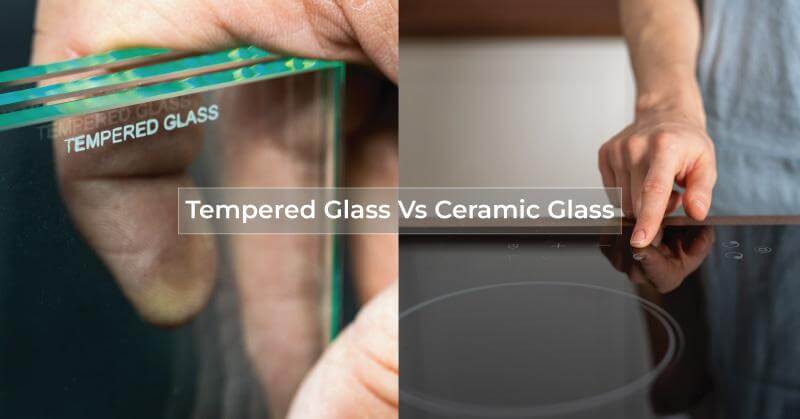
The primary difference between tempered glass and ceramic glass is its heat strength. If you’re wondering what is tempered glass? Or how to cut tempered glass, it’s important to note that it requires specialized tools and techniques, as cutting tempered glass improperly can cause it to shatter due to its internal stress.
So, the main difference between both these glass options is their heat-resistant capability. Both of them can survive exposure to constant heat, but toughened glass loses its strength over time. Therefore, ceramic glass is a preferred glass option for fireplaces and cooktops. While ceramic is necessary for wood stoves, standard tempered glass panels are the more cost-effective choice for oven doors or kitchen splashbacks that don’t face direct flames.


Tempered Glass Meaning and its manufacturing process involve specialized thermal treatments. Tempered glass is made by heating ordinary glass to over 600°C and rapidly cooling it — a process called tempering — which increases its strength and shatter resistance. Learn more about the tempering process.
Ceramic glass is manufactured differently. It’s not just heat-treated glass—it’s composed of a glass-ceramic material that remains stable even at extreme temperatures. Ceramic glass is technically a glass-ceramic hybrid, making it much more specialized—and expensive—than ordinary plate glass used in everyday furniture. It can withstand up to 600°F of temperature, which means it can be used for fireplaces, glass stoves, and cooktops. This makes it suitable for fireplaces, wood-burning stove windows, and oven doors.
Ceramic glass is a go-to material for any application involving sustained high heat. This includes:
Its ability to withstand rapid and extreme temperature changes makes it essential for these applications.
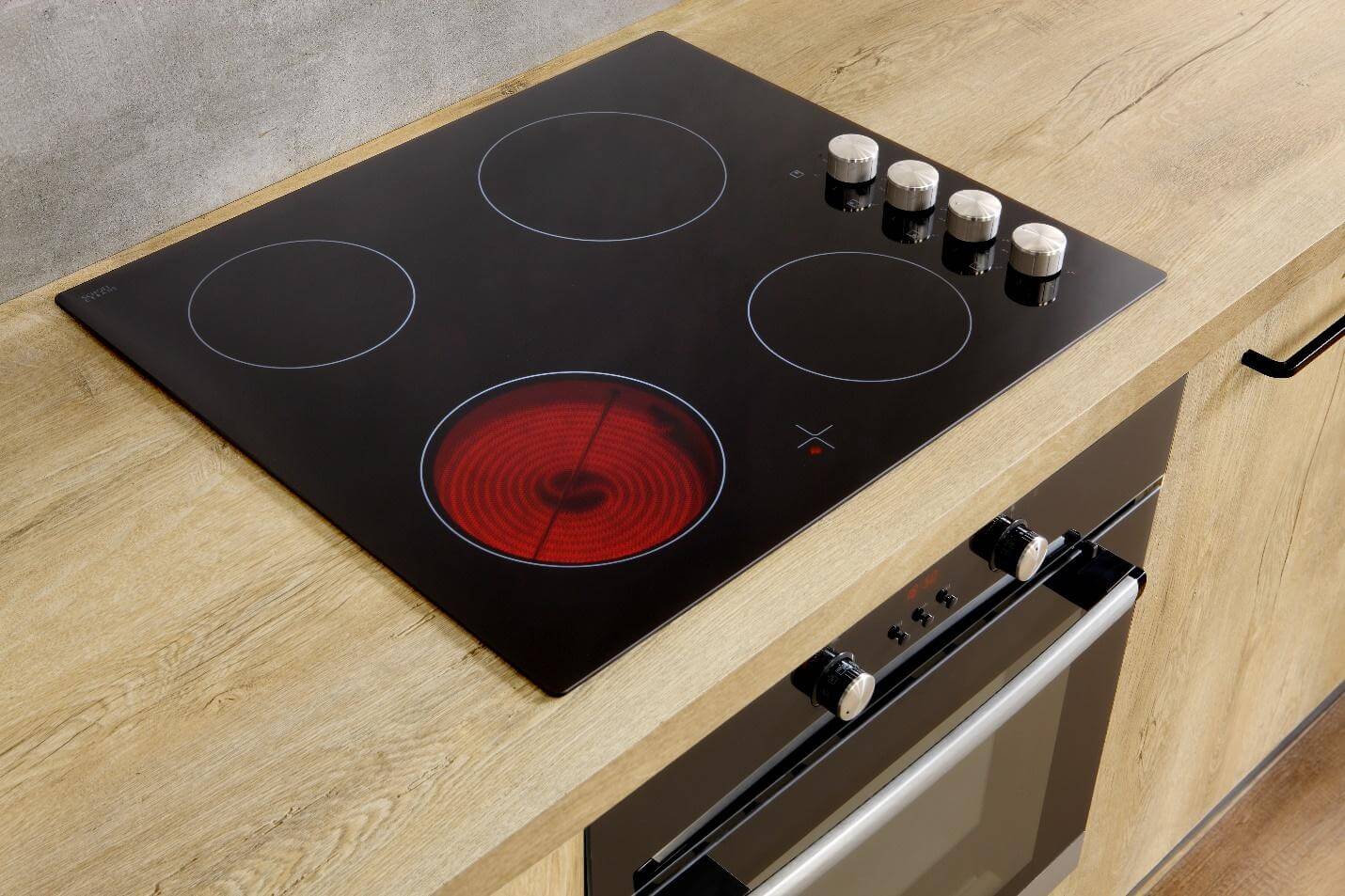
These days, ceramic cooktops are widely available. However, homeowners prefer to invest in a cooktop that can last for years. That’s why various manufacturers use ceramic glass to ensure maximum strength and reliability.
Ceramic glass can also bend without breaking. Because of all these reasons, it is widely used in making cooktops.

Fireplaces are a must-have for homes located in colder regions. So, for maximum protection fireplace glass is installed around a fireplace. Even here, ceramic glass is preferred since it can bear high temperatures for longer periods of time.
Below mentioned are a few pros and cons of ceramic glass.
Now let’s explore tempered glass’s best applications and strengths — especially where ceramic glass isn’t needed.
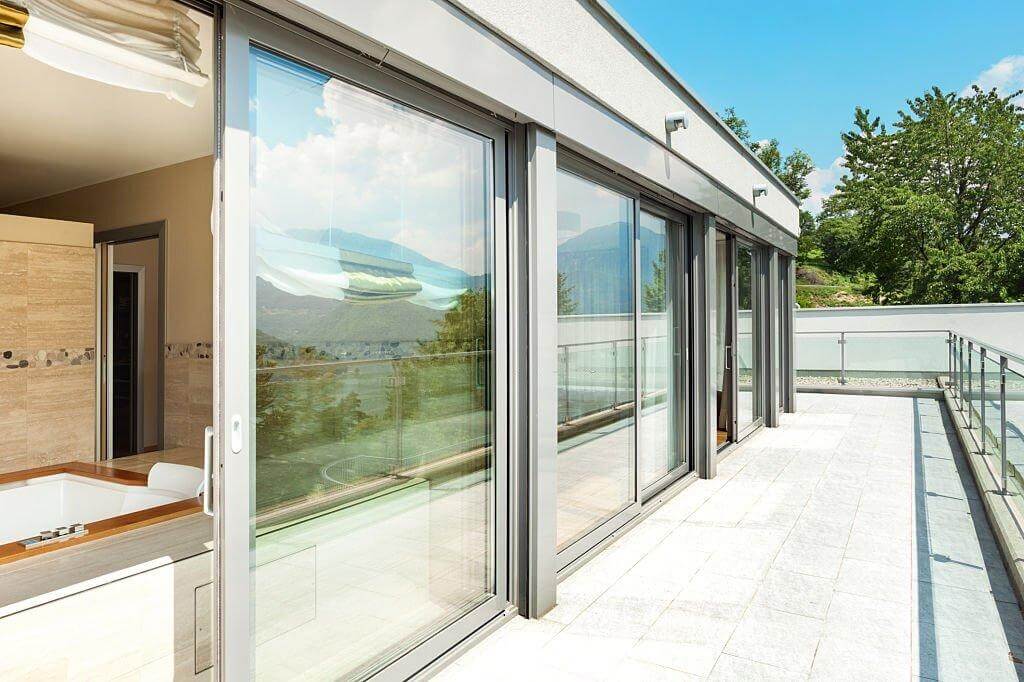
From the perspective of safety and cost-effectiveness we now see glass windows, including attic windows, installed in every home and commercial space. So, for windows, tempered glass is usually preferred.
That’s because it’s a decent safety standard glass and also doesn’t cost that much.
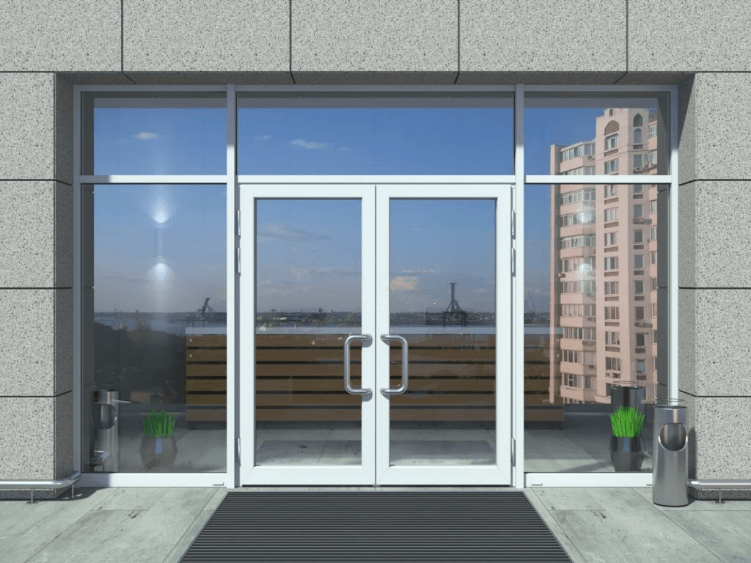
Just as you would choose ceramic for a wood stove, the tempered glass vs fiberglass choice is the standard debate for bathroom renovations; selecting the right material depends entirely on the environmental stressors like heat or moisture. Because of its strength and resistance to thermal shock from hot water, tempered glass is ideal for these wet, humid environments. If broken, the glass safely shatters into harmless granules, minimizing injury risk in slippery spaces.
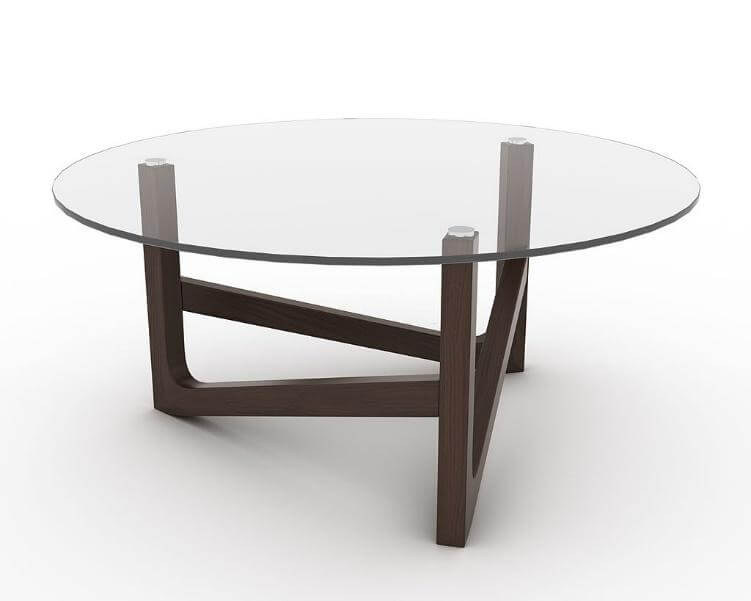
custom glass tops also need optimum protection. Therefore, tempered glass is also used in the making of various types of glass table tops.
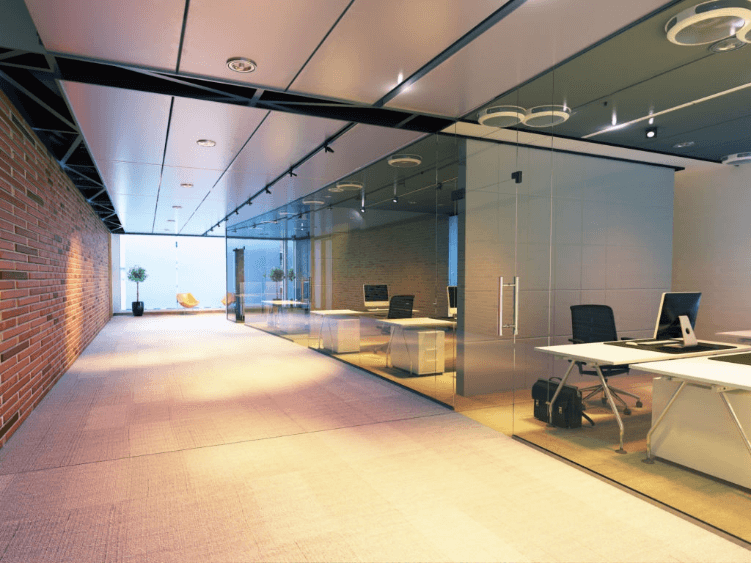
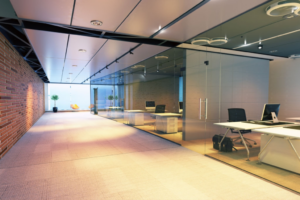
Tempered glass is an impact-resistant glass and comparatively cheaper than ceramic glass, it is widely used in the making of glass office partitions. Additionally, wall finishing materials can also play a significant role in enhancing the aesthetics and functionality of such workspaces.
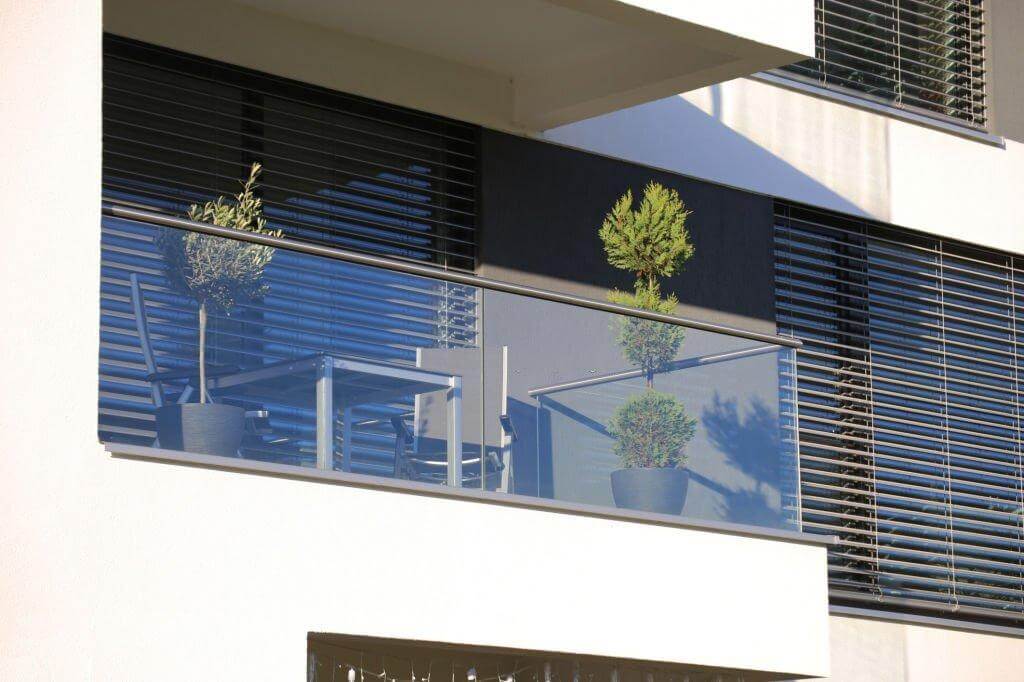
Tempered glass is also a decent option for different deck railings. For maximum safety, thicker tempered glass is usually used.
Now, let us explore a few pros and cons of tempered glass.
If your project involves everyday safety, such as windows, doors, or furniture, tempered glass is the perfect fit—it’s strong, customizable, and cost-effective. But if you’re working with fireplaces, cooktops, or anywhere with constant high heat, ceramic glass is the clear winner thanks to its exceptional thermal resistance. However, if your project focuses on preventing break-ins rather than resisting heat, the laminated glass properties of impact-bonding make it a better choice than ceramic panels. Understanding the key difference—strength vs. heat endurance vs. security—is crucial to making the right choice.
At Fab Glass and Mirror, we offer tempered, laminated, and specialty glass solutions to meet your needs with precision and safety. If you’re looking to explore your options further, you can shop for glass and mirrors online to find the perfect fit for your needs.

Explore all things glass—from stylish table tops and insulated options to tinted and frosted designs. Discover guides on glass railings, custom cut glass, shelves, and stunning backsplash ideas for a modern home or office upgrade.