
My Cart
You have no items in your shopping cart.


Windows can completely change the outlook of a house structure. They are essentially the eyes of the home as you can enjoy the outside views through the windows. Not only that, but windows are also responsible for regulating the airflow through the house. Ventilation and light transmission also depends on the type of windows you choose. Windows play an important role in enhancing the curb appeal of the house as well as setting the interior ambiance, so make sure to take your time and choose the right type of window. There are different types of windows designed for different locations and purposes. Whether you intend to embark on a house building or renovation project, make sure to explore the different types of windows for home. Understand the unique properties of different types of windows and then make the purchase decision. We will discuss the various types of windows for home in this blog.
Table of Contents
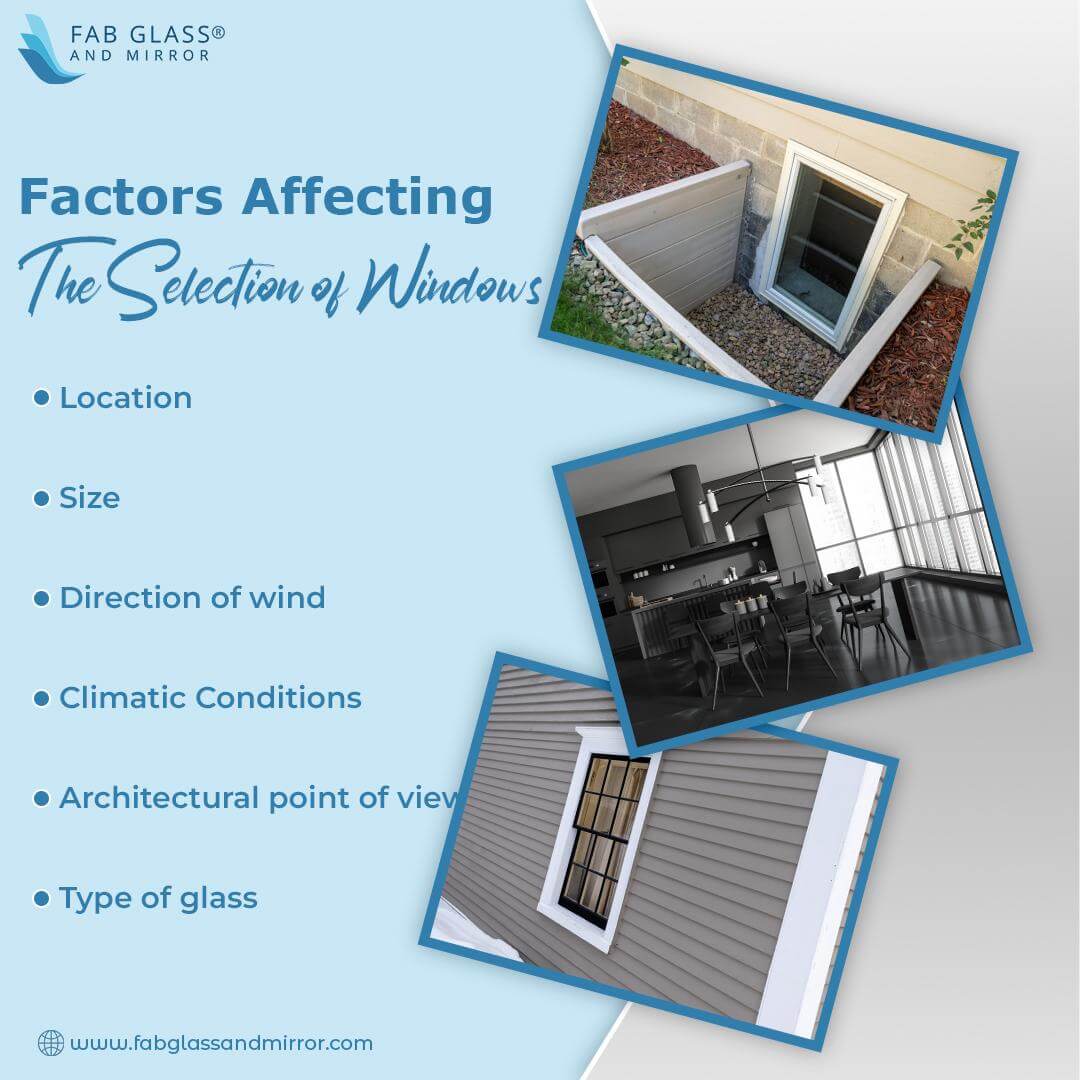
There are some factors that define whether a window is suitable for your individual requirements or not. Here is a brief run-through of the factors influencing the selection of windows.
The location of window installation determines the type of window that you should go for. A bathroom window meant for ventilation is different from the living room window that is there to uplift the curb appeal.
The size of the window is evaluated based on its utility. For instance, a window in the sitting area is typically large while ventilation windows along the stairway are smaller.
The flow, speed, and direction of the wind also help in choosing the right type of window. Choose a horizontal window if the window panes are subjected to harsh winds. A vertical window, on the contrary, is better if you live in an area with the moderate wind flow.
One of the most important defining factors in choosing the right window type is the climatic conditions of the region you reside in. You would require stronger glass if the weather changes are extreme. However, the standard glass would work perfectly fine for an area with moderate climatic conditions.
Make sure to take the architectural structure of the house into account to choose the right window type. For reference, a casement window would be better for a ranch-style house. But if you want to give a royal feel to the house, arched or vintage-retro-style windows would be a great option.
The choice of glass makes or breaks the functional value of a window. Inappropriate glass type would render the whole window useless. So take some time out to reflect on this point before making the purchase decision. Tempered glass is the standard choice for windows, insulated glass is an ideal option for ensuring thermal insulation while laminated glass windows are used in high-profile buildings to ensure maximum safety.
Let’s explore different types of windows briefly to understand their utility. This quick guide will help you evaluate the basic functionality of a window type and decide whether or not it would work for you.
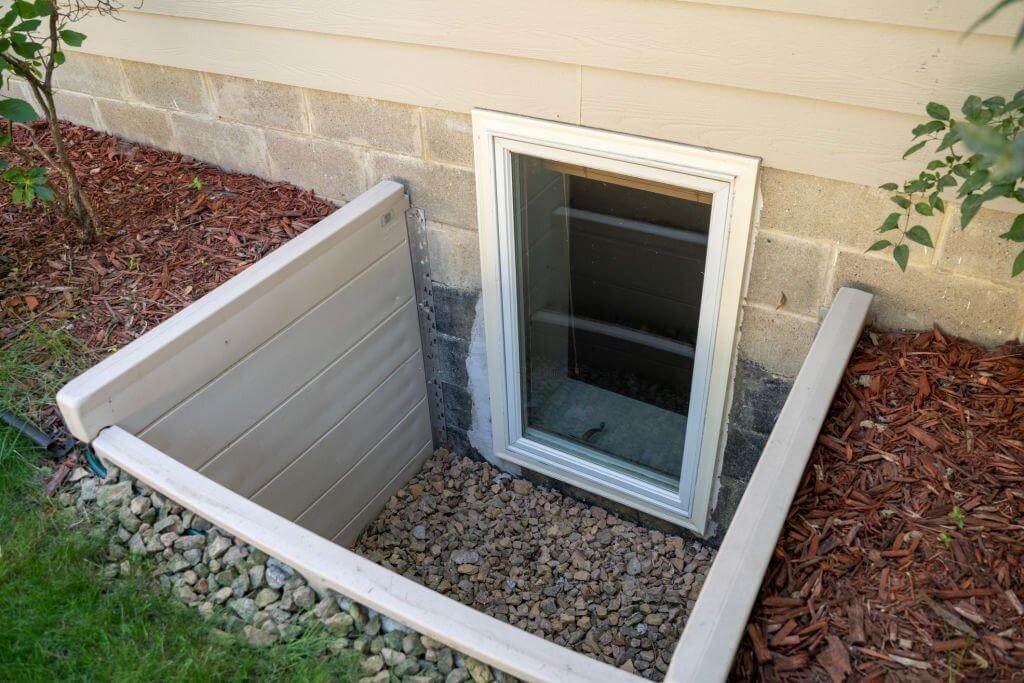
Egress windows are considered an important design element to declare a basement into a safe living space. An egress window is similar to a typical large window in appearance. However, it opens completely, allowing enough space for escaping the basement in case of emergency. Egress windows also improve the natural lighting and ventilation in the basement. So they are a practical addition to the basement.

As the name suggests, floor to ceiling windows feature glass panes that extend from the floor and go all the way up to the ceiling imitating the aesthetics of a window wall. Due to the all-glass appearance, floor to ceiling windows adds posh aesthetics to the building. They are typically installed in high-end restaurants, malls, and mansions.

Corner windows get their name from their corner installation. The windows have two perpendicular window frames with a central connection. The perpendicular design allows more light and air to enter from two separate directions into the interior space. Corner windows also give a more visually pleasing look to the building structure.
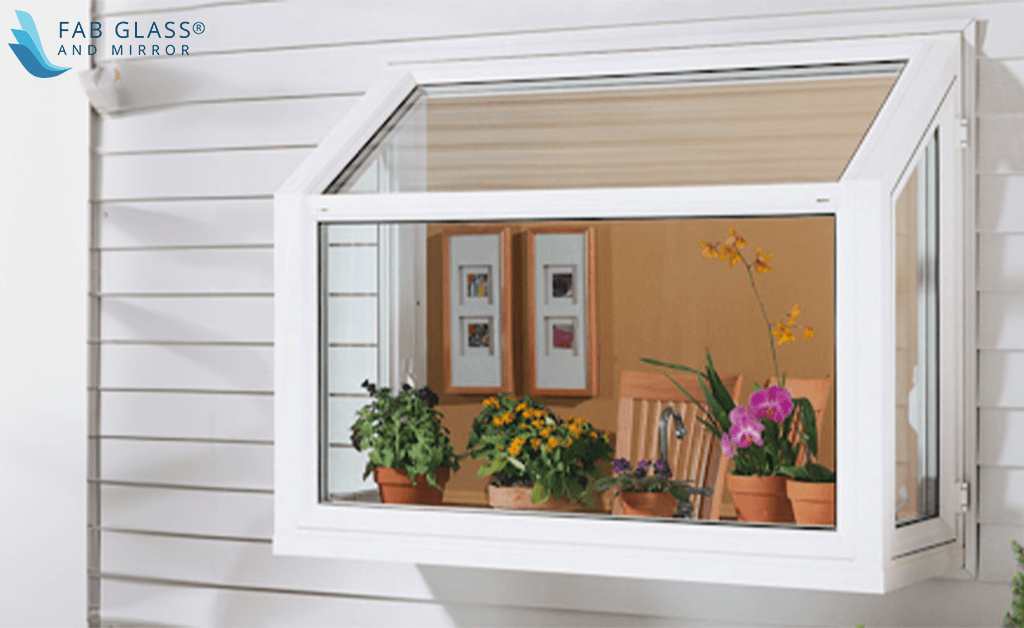
Garden windows are a dream come true for gardening enthusiasts. These windows extend out from the wall of the house like bay and bow windows. However, garden windows are quite smaller than bay or bow windows. Its extended part serves as the shelf for holding your indoor plants. The three-dimensional glass structure around the plant pots works as a mini-greenhouse for plants. Garden windows are mostly installed in the kitchens. However, you can get them installed in any other room of the house.

Picture windows consist of fixed glass panels. They are immovable, thus the name picture windows is given to them. The goal behind the use of picture windows is to keep everything as minimalistic as possible. Picture windows are typically quite huge and used in conjunction with other window types. They cannot be used for ventilation purposes. A picture window is a perfect way to highlight and connect the exquisite outdoor views with the interior.
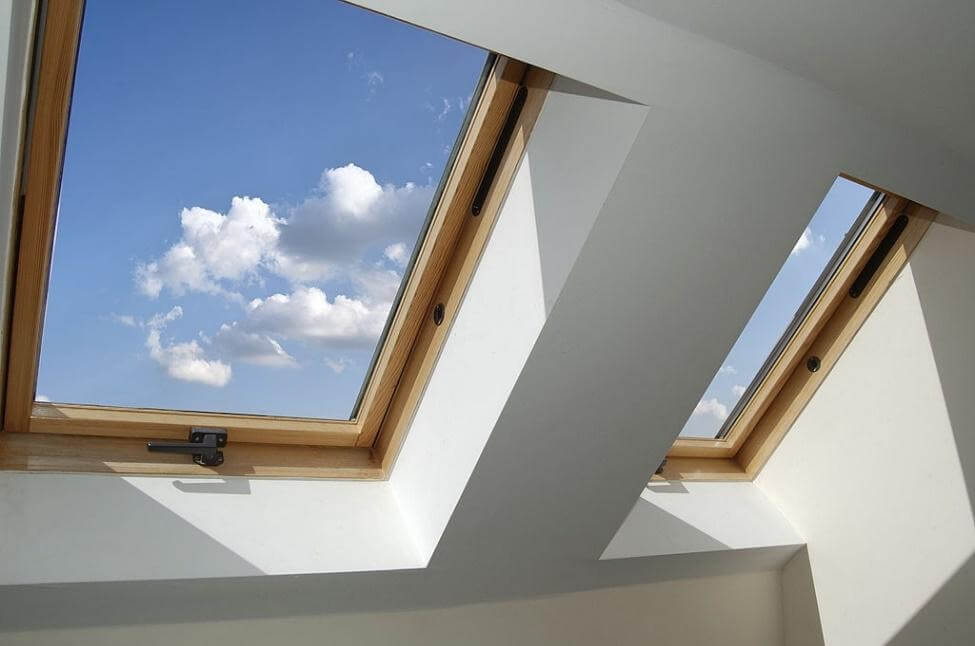
Roof windows, often referred to as roof lights, are windows built into the roof with the intention of letting natural light into the building. Most of the roof windows open outward. However, some roof windows are inoperable and consist only of a glass panel to maximize the flow of natural light into the interior space. Roof windows can be added during the construction phase or added to the structure afterward.
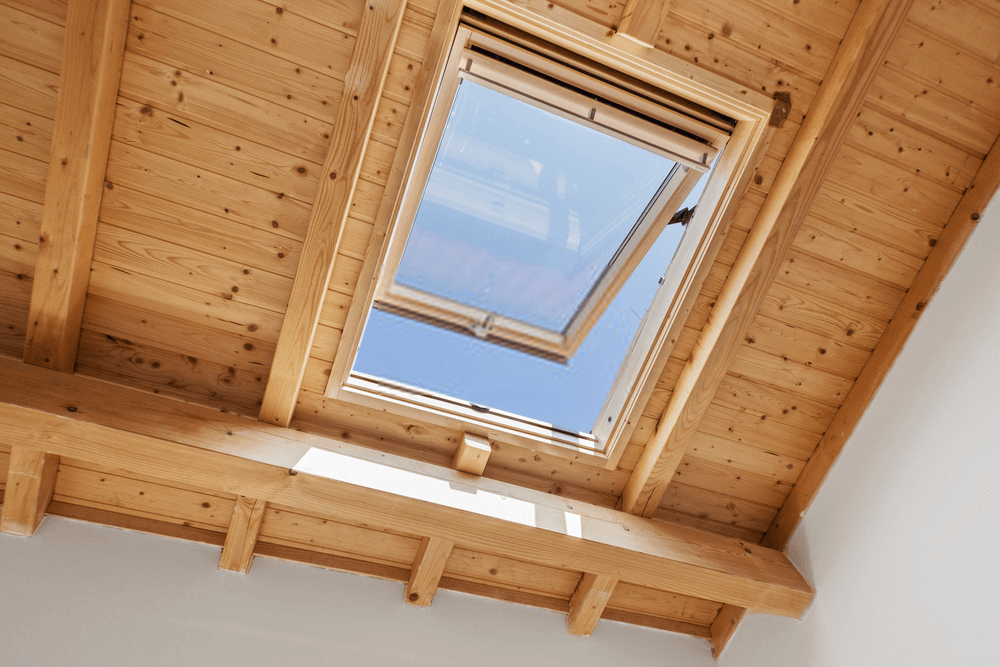
Skylights are installed at the peak of the sloped roofs. They allow light to flow into the room during the day while serving as an outlet to stargaze at night. It is installed parallel to the inclining roof to ensure maximum light flow. Skylights can be opened when required. However, they are properly sealed to waterproof them.
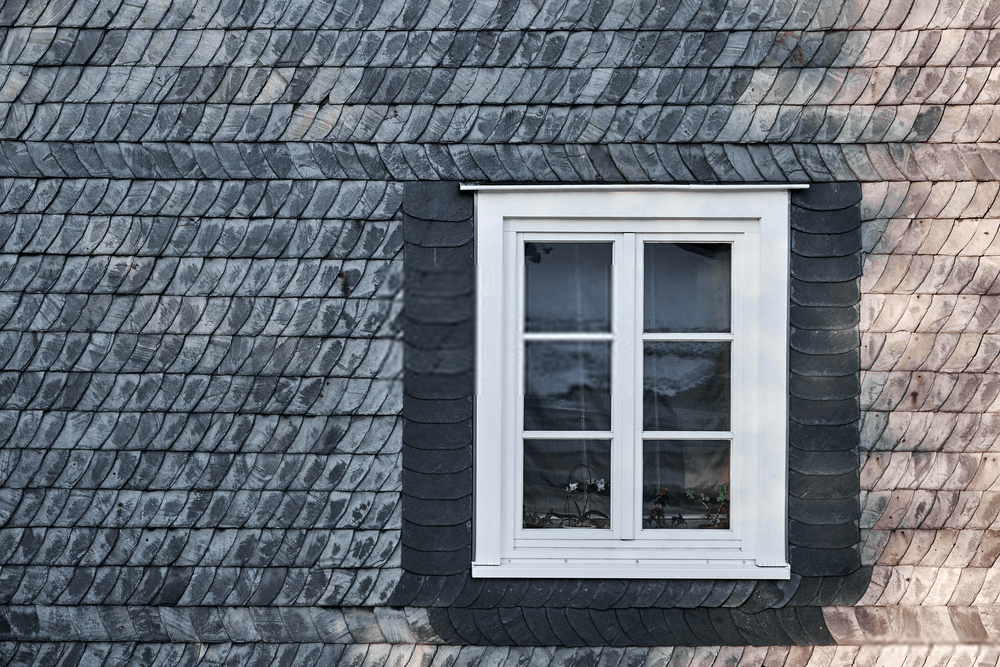
Casement windows are one of the most common types of windows. The operable panel of the window is held to the window frame through a hinge. Due to the hinged design, casement windows operate like a door. Due to their easy operation mechanism, casement windows are mostly used above the doorways, in stairwells, and in other difficult-to-reach areas.
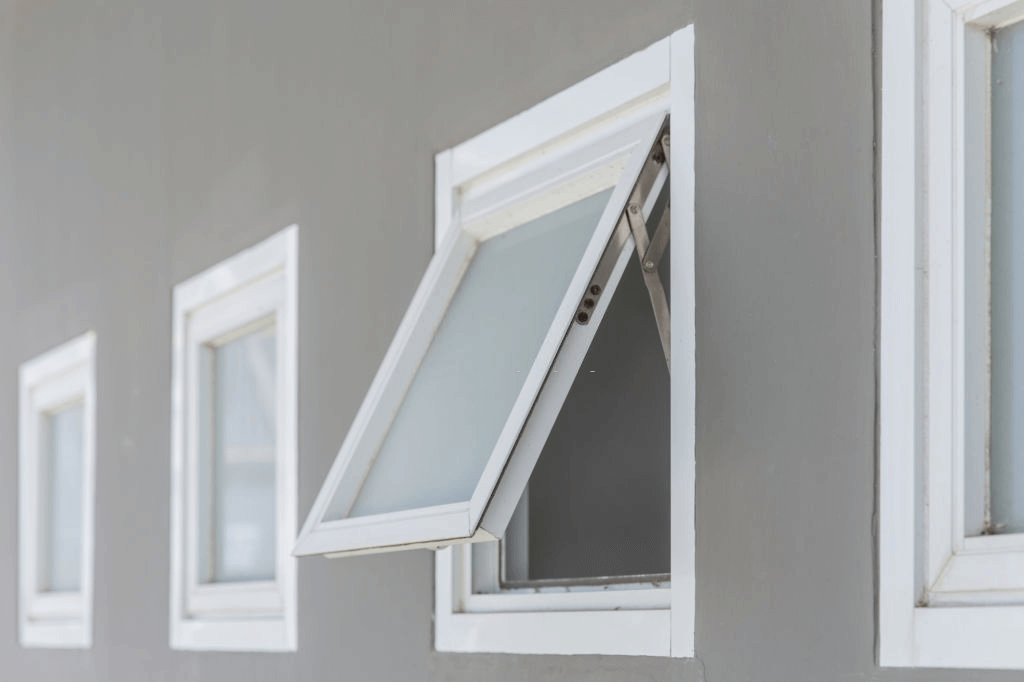
Awning windows are essentially casement windows with vertical alignment. Awning windows have hinges at the top of the window frame allowing for a vertical window operation. The window sash pushes out to operate. This window is particularly beneficial in allowing airflow while preventing debris or rain from entering the interior space. Awning windows are also used in entrances, stairwells, and hard-to-access places.
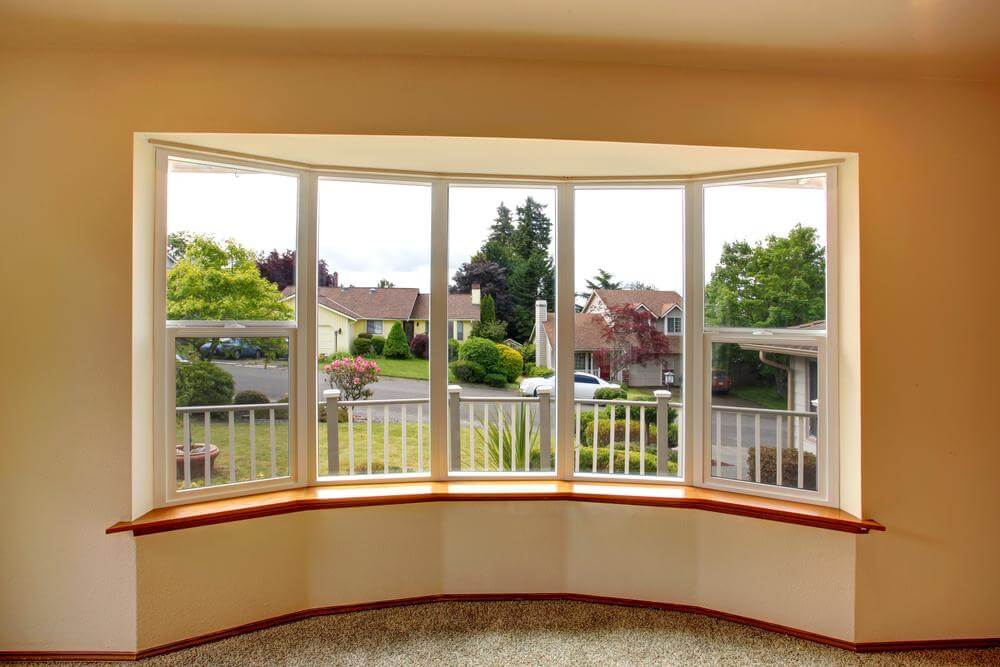
Bow windows bulge out of the building structure creating an additional interior space beside the window to sit and relax. These windows employ multiple glass panels to achieve the curved design. Bow windows are a great option for enhancing the building’s aesthetics and allowing more light to enter the house. Bow windows are typically more expensive than standard windows.
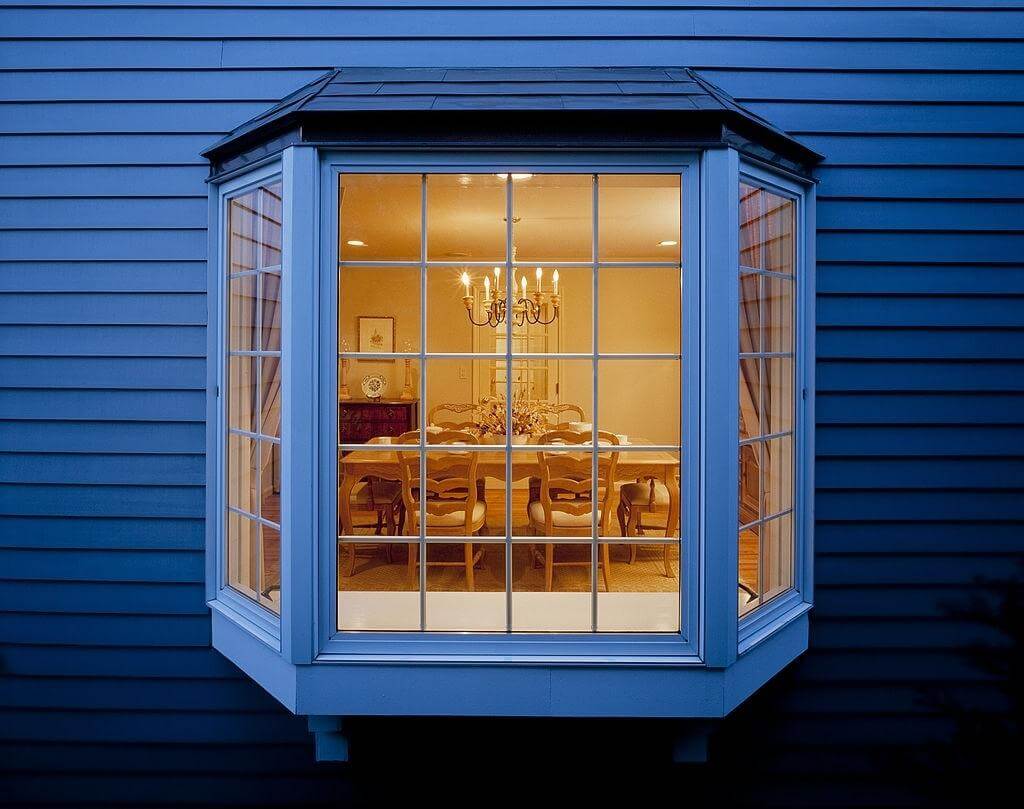
Bay windows are similar to that bow windows in the sense that they protrude outward. However, they have a geometric design and require lesser glass panels as compared to bow windows. Bay windows are known for their use in royal buildings and therefore used to add a vintage-majestic vibe to the building structure. A large bay window in the living room or bedroom not only elevates the building’s curb appeal but also adds some extra space to the interior.
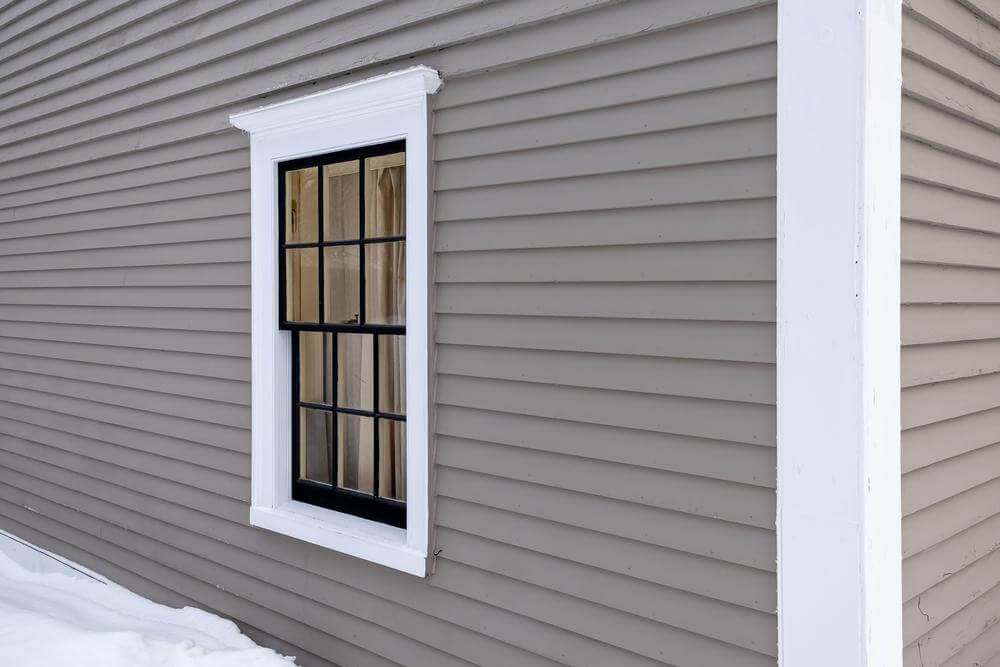
In single hung windows, two glass panels are used in the window frame. Out of the two window sashes, only one is operable while the other one stays stationary in its place. They are good for ventilation and airflow. They are frequently used in restrooms and smaller bedrooms. Single hung windows are easy to install and relatively cheap options.
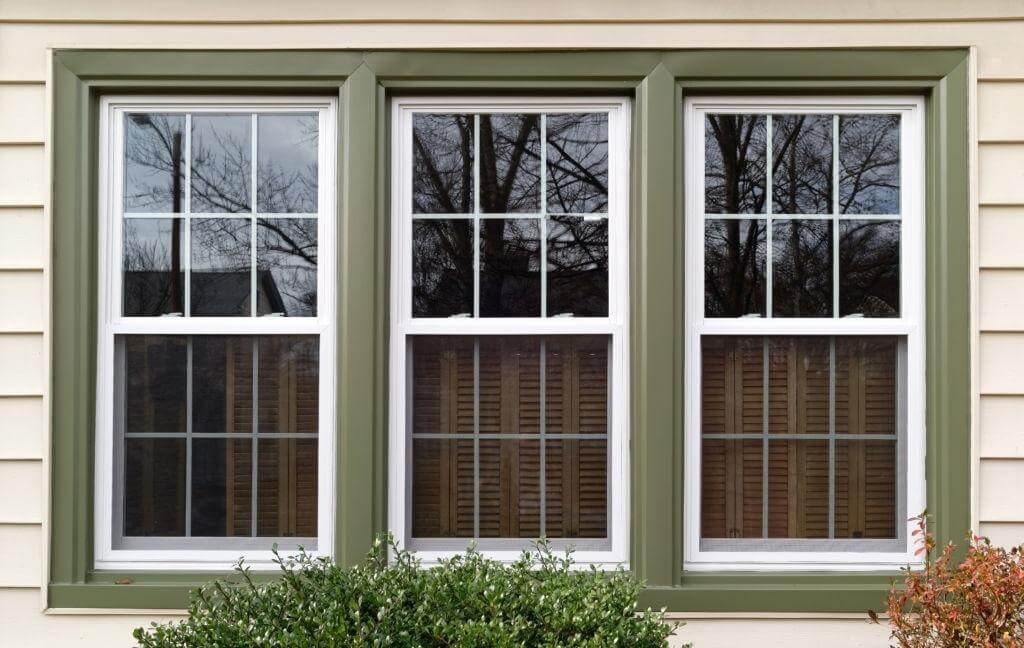
Double hung windows feature two window sashes. Both of the glass panes are operable. The vertically positioned window panels can be completely raised or lowered according to the requirement. The simple operation makes double hung windows an ideal option for use in bathrooms and bedrooms. They provide better ventilation than a single sash window.
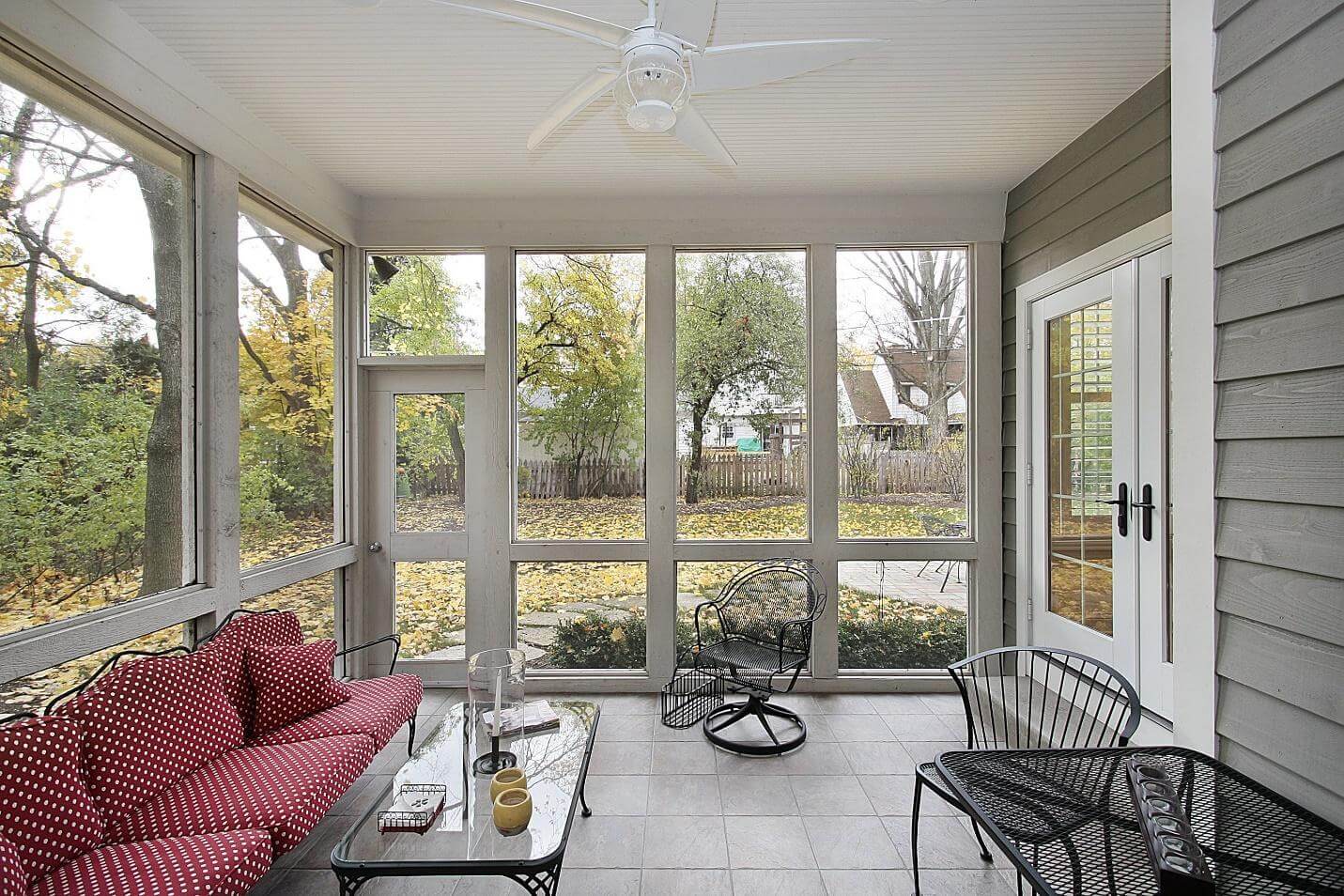
Porch windows are installed in the extended screened porches of the houses. Porch windows add an effective outlet for airflow and ventilation to the house porches. Thus making the screened porch an ideal house extension to enjoy friend gatherings and family dinners.
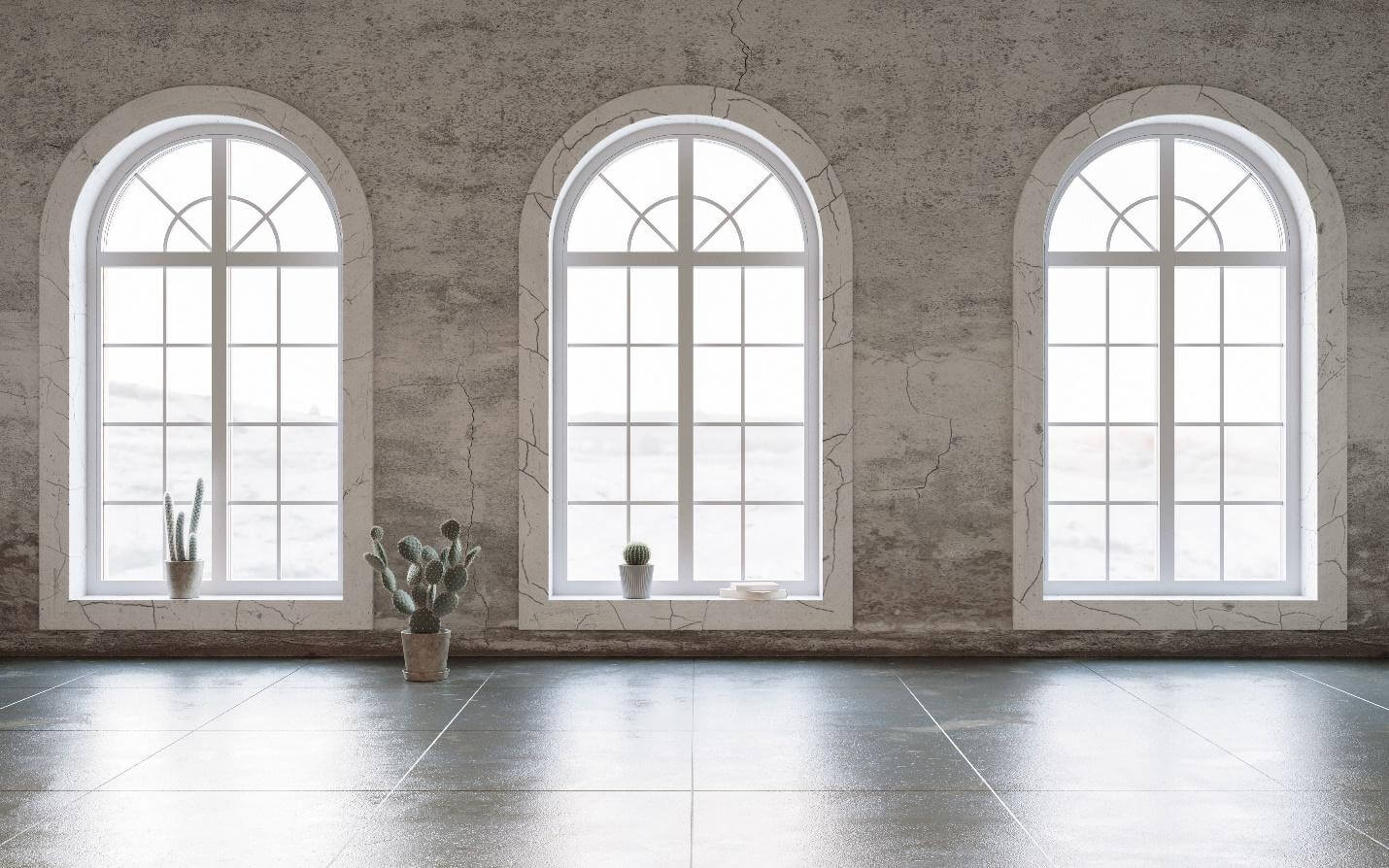
Arched windows feature a geometric window topped with a semi-circular window frame. The unique construction of the arched windows makes them a fascinating design element. Arched windows are mostly used to add a novel feeling of royalty to the building structure.
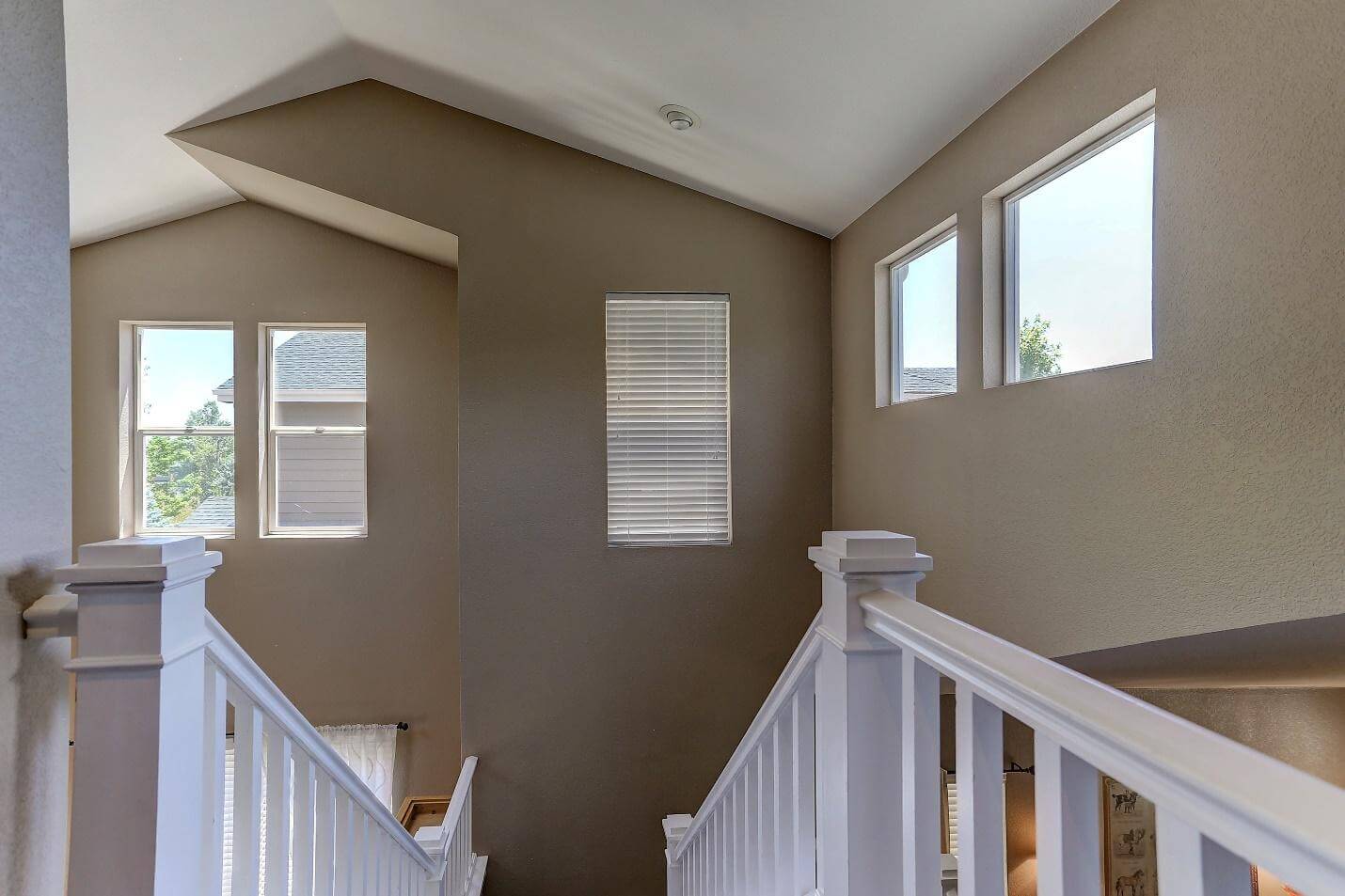
Clerestory windows are typically used in interior spaces with higher ceilings. These windows serve as an additional point of airflow for rooms with relatively higher ceilings. The light can enter through a higher point thus illuminating the whole room. These windows also improve the aesthetic appeal of the building.
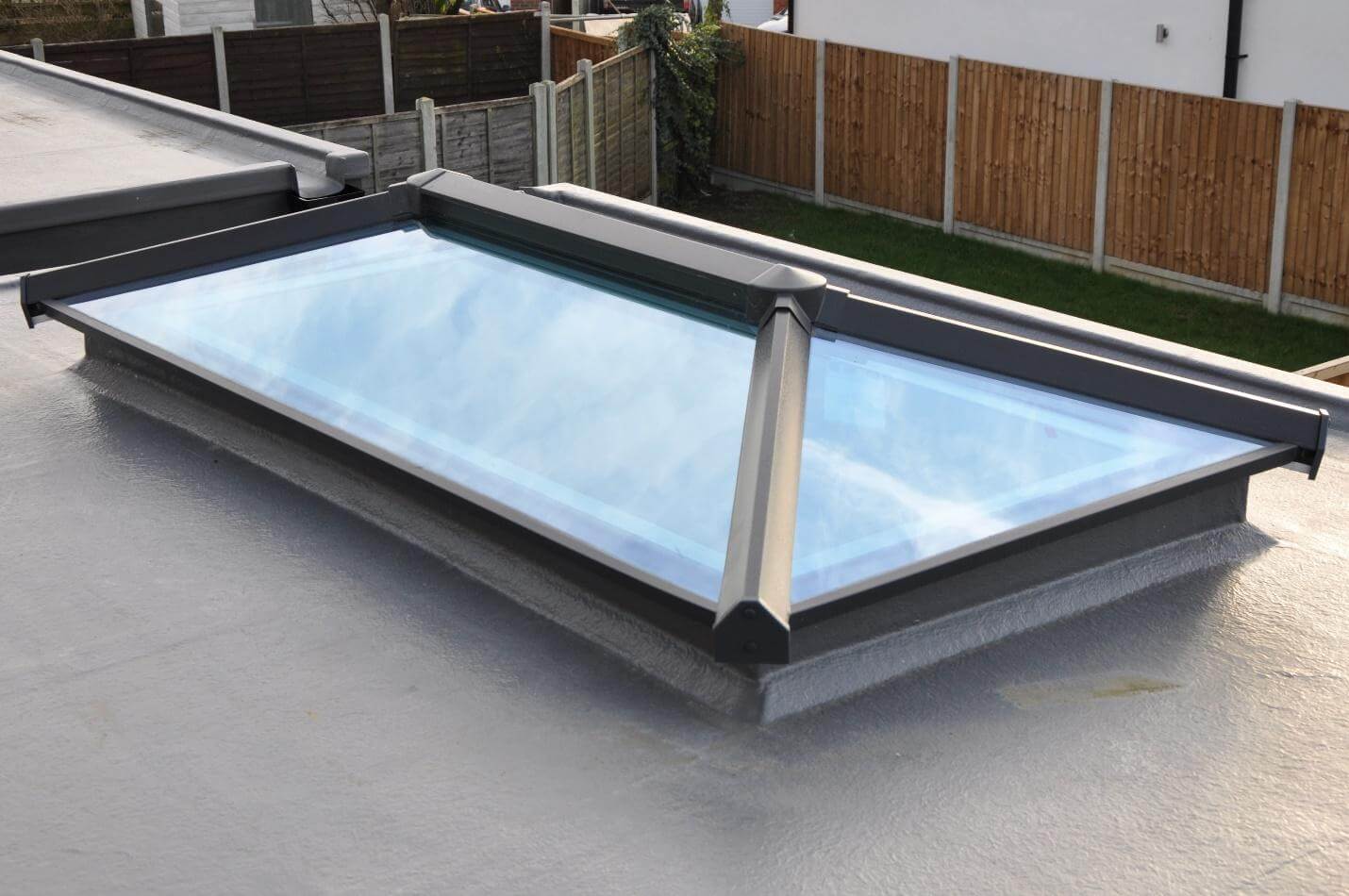
Lantern windows are installed over flat roofs. The glass panels protrude out of the flat roof thus creating a bulge in the roof. The primary function of these windows is to increase the amount of light and airflow in the interior spaces. Lantern windows are properly sealed to avoid any weather leakage in case of rain.
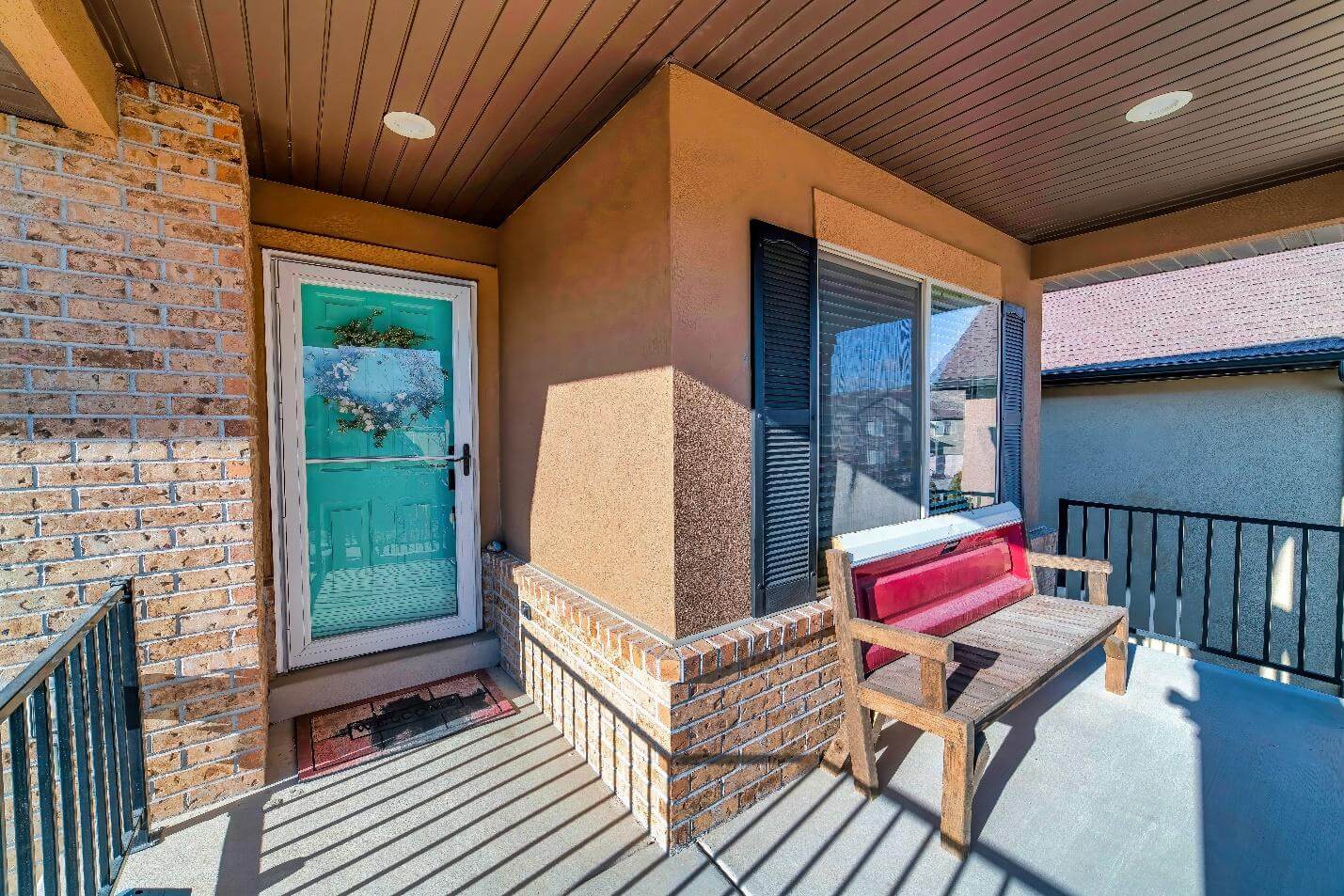
Storm windows put function before aesthetics. They are installed to withstand strong winds, rain, and even hail storms. Storm windows are added to an existing window pane to add an extra layer of safety to the house windows. They are best for use in places with harsh weather conditions. You can use them as a protective layer against hurricanes, tornadoes, and strong windstorms.
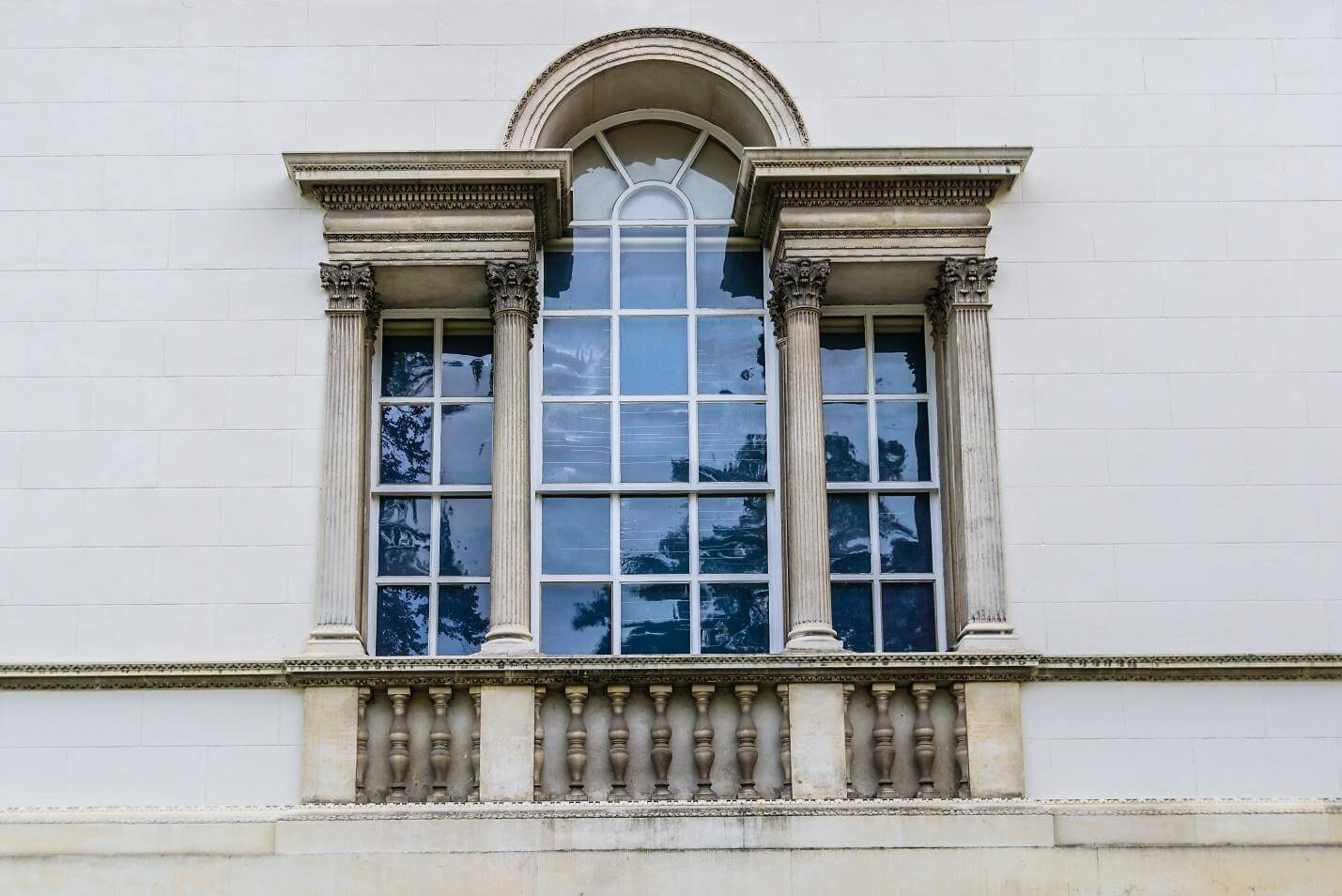
Palladian windows feature a somewhat vintage design. They have three window panes in their basic design with an ornate central Venetian window. Palladian windows are mostly seen in Italian architecture. However, it can also be used in different buildings to give a retro-vintage vibe to the architecture.
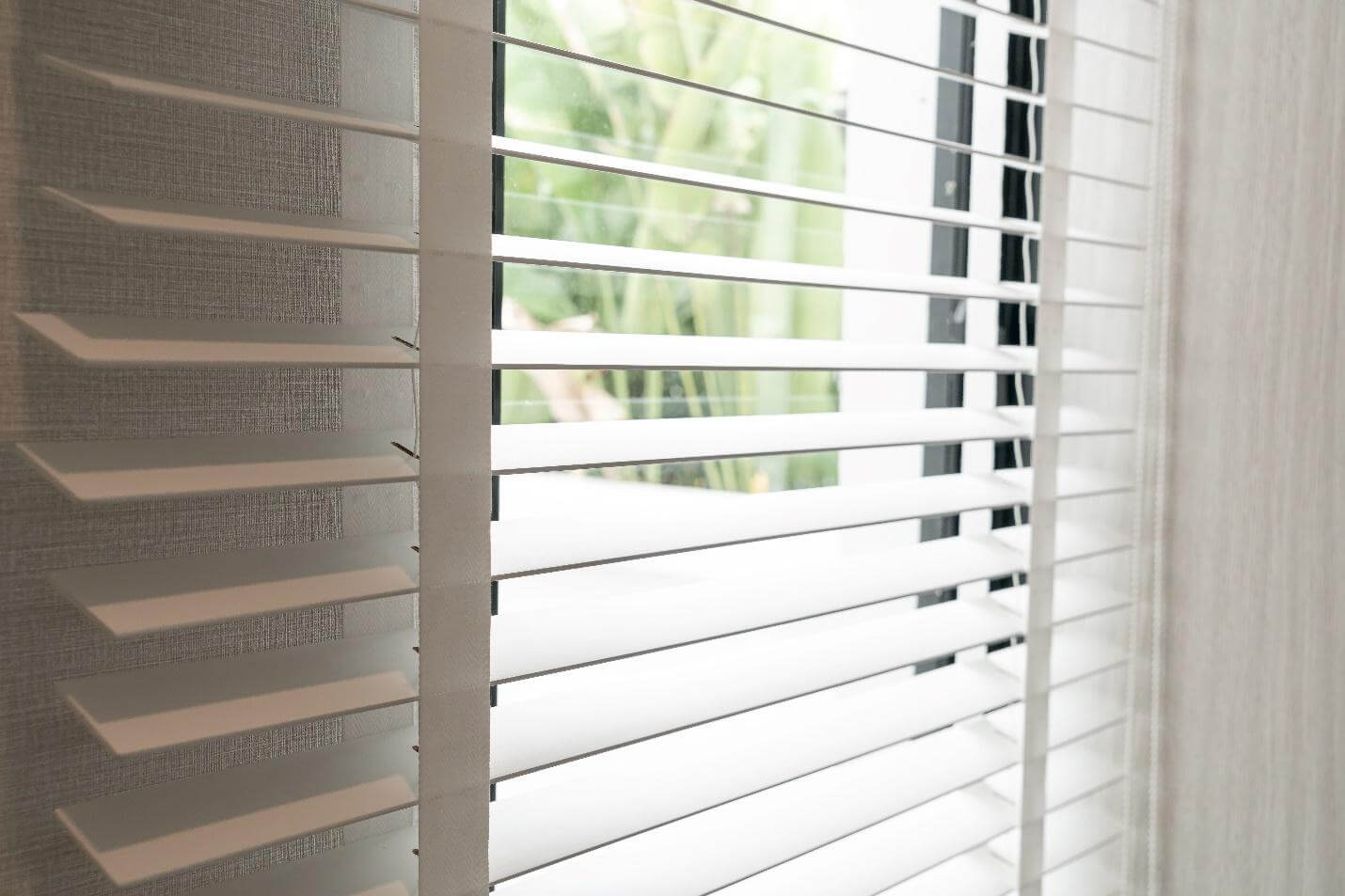
Jalousie windows have thin, evenly spaced strips of glass. The spaced-apart strips of glass can be opened and closed like Venetian blinds. They are not commonly used in modern architecture. However, kitchens, dining rooms, and entryways are typically great places for the installation of jalousie windows.
There are a plethora of different types of windows for home. Even a sneak peek into the main design and function of the different types of windows is enough for you to determine the window type that suits your individual project requirements. Make sure to explore your options before making a purchase decision!
Explore all things glass—from stylish table tops and insulated options to tinted and frosted designs. Discover guides on glass railings, custom cut glass, shelves, and stunning backsplash ideas for a modern home or office upgrade.