
My Cart
You have no items in your shopping cart.



Skyscrapers with huge glass facades are the statement element of metropolitan areas. This big-city vibe is rapidly spreading to the suburban areas. Glass facades offer stunning views from every floor of the building, allow a tonne of natural light to flow through the interior, and give a sleek and futuristic appearance to the building. For these reasons, homeowners are actively integrating these modern accents into their homes to elevate the building aesthetics. In fact, window walls are becoming one of the greatest architectural trends in modern house design. We will explore the glass walls in detail in this blog. Follow along to know about this architectural trend.


Table of Contents
The advancement in technology has enabled us not to construct energy-efficient glass-only walls. Window walls also referred to as glass curtain walls are a series of window collages that constitute the whole building wall. Floor-to-ceiling window units are installed in a continuous montage to give the feeling of a glass wall. Glazing is added to the concrete slabs of the building to provide structural support to the glass wall.
Windows can be installed in any combination; fixed glass windows, moveable window sashes, and even glass doors can be combined to achieve the overall glass wall look. Window glass walls are typically used in commercial buildings to enhance the aesthetics and property value. The glass walls can be configured in the factory or assembled on-site depending on the wall size and site specifications.
The minimalist window glass walls add a unique contemporary flair to the building architecture. They create a feeling of spaciousness and allow more light to flow in. You can strengthen your connection with nature and enjoy magnificent views by staying inside your house.
Window glass walls come in a spectrum of material variety. Based on the building’s structural requirements and desired aesthetics, you can pick any window material. It is highly recommended to have the know-how of the different window materials to make the right choice according to your project. So here is a brief description of the common window materials.
Vinyl is rot-resistant and budget-friendly material. It is typically used when the expenses are the main concern while aesthetics can somewhat be compromised. Vinyl works best for relatively small window openings.
Fiberglass is a sturdy PVC composite that is highly durable, resilient, and damage-resistant. Although it lacks absolute visual appeal, you can pick it to ensure the ultimate strength.
Aluminum is a corrosion-resistant and durable option. It is a solid material for window glass. Aluminum windows are also energy-efficient.
The warm, rustic appearance of the wood is its main attraction factor. Its aesthetics are highly desirable but the food is prone to rot and damage. It requires proper maintenance to operate. Wood is not typically used for glass walls due to these reasons.
Steel is a sturdy and long-lasting material. Its shiny silver adds a unique charisma to the building facade. The minimal frame profiles create sleek aesthetics which are highly designable contemporary commercial buildings. Steel is however one of the most expensive window materials.
Typically, solid walls offer a lot better thermal efficiency than glass walls. The solid walls absorb the heat and only allow a small percentage of the warmth to flow through. However, with the popularity of glass, manufacturers actively started to find ways to make glass energy efficient. Nowadays we have a number of energy-efficient glass options. Here are a few options that work great for glass window walls.
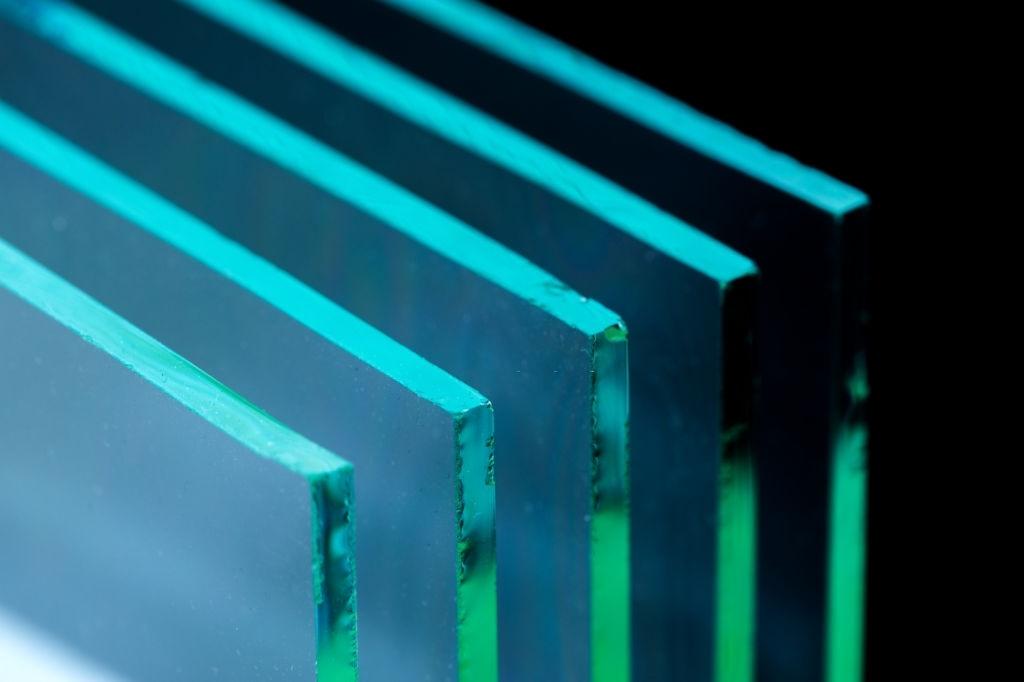
It has an invisible layer of protection that reflects and absorbs the heat. It offers protection against the harmful radiation of the sun. Low-emissivity glass reduces the heat gain and transmission of visible light. Thus creating an energy-efficient interior environment.

Glass that is tinted with small amounts of any color to reduce the heat transmission is called color tinted glass. The color is uniformly distributed across the glass panel without affecting its fundamental characteristics. The tint basically absorbs the sun’s rays to minimize their transmission. Bronze, green, blue, or gray are the most effective colors to achieve optimal thermal performance. ,

Insulated glass is specially designed for achieving maximum energy efficiency value. Double panes of glass are fused together with a vacuum or inert gas as the spacer material to block the flow of heat through the glass panel.
A window glass wall system is an all-glass structure that can be vulnerable to damage. Broken glass can cause injuries as well as structural safety issues. It is therefore important to take the safety value of the glass wall system into account. Strengthened glass is the best choice to counter this issue. Here are the two most common options which ensure optimum safety value of the building structure.

Toughened or tempered glass is a type of safety glass. It is more effective than the regular glass in terms of physical strength as well as thermal efficiency. Tempered glass is heat strengthened to endure hard impacts without breaking. Instead of shattering into sharp shards, it shatters into small harmless pieces on a very hard impact.
It is also categorized under the safety glass type. It has multiple glass panes in the basic structure. The glass panes are separated with an adhesive interlayer. This layer ensures ultimate strength and efficiency value. Laminated glass is almost unbreakable so it is the safest option for glass walls.


Along with the obvious aesthetic benefits, are there any other notable upsides to installing window glass walls? Let’s find out.
Although the window glass wall design feels like it’s strictly reserved for grandiose real estate projects and commercial buildings. This architectural design marvel can also be incorporated into residential buildings. In fact, it’s easier to install glass walls for small-scale projects. The clear walls with their clean lines and understated appearance are a terrific way to instantly add a touch of modern design to your house.

The amount of natural light that can enter an interior space is exceptionally boosted by installing window glass walls. You can light up the dark home interior through glass walls. It is also a great measure to reduce the use of artificial energy sources.
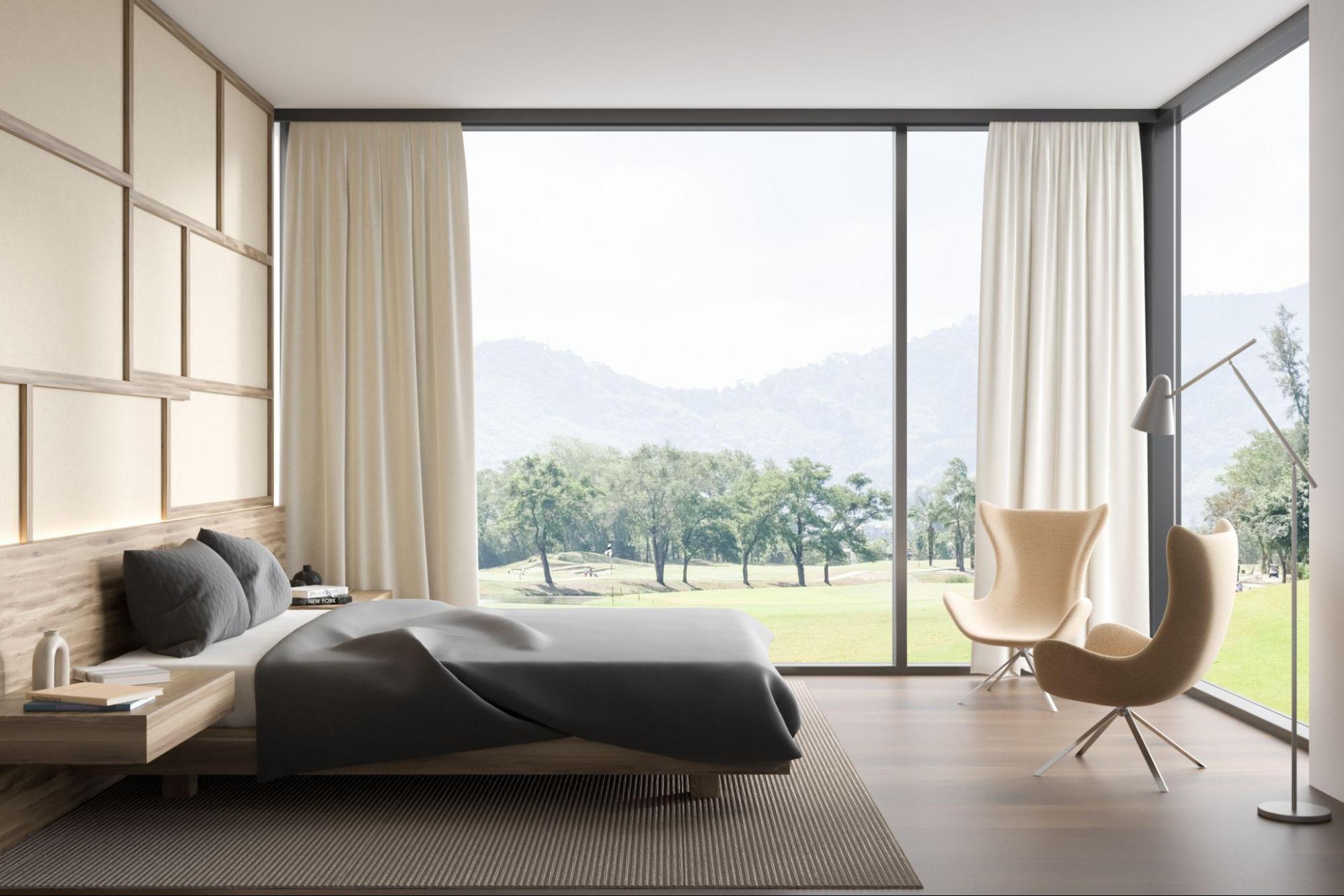
The glass walls open up the view to enjoy the panoramic landscapes from inside the house. Instead of the solid wall blockage, you have clear floor-to-ceiling walls that open up the whole scenery for the viewer.
Window walls maximize the thermal benefits of the building. Glass panels used in glass walls are created through modern engineering to tackle the energy losses. The insulated glass helps regulate an optimum interior temperature by preventing the outside air from entering the home interior. So you can enjoy a cozy and comfy interior with glass walls in the most exquisite and luxurious way possible.
The window walls are a style-forward attempt to create panoramic views and blur the line between the indoor and outdoor space. Window glass wall systems have a significant influence on the design market. With the help of advanced energy-efficient glass, it is definitely becoming the ultimate marvel of modern architecture.
Explore all things glass—from stylish table tops and insulated options to tinted and frosted designs. Discover guides on glass railings, custom cut glass, shelves, and stunning backsplash ideas for a modern home or office upgrade.