
My Cart
You have no items in your shopping cart.
When buying tempered glass from Fab Glass and Mirror, you are not just choosing clarity — you are investing in durability, safety, and precision fit. Whether for a tabletop, shower door, railing, or shelf, two key factors affect performance and price
These technical aspects influence strength, aesthetics, compatibility with hardware, and even legal code compliance.
In this guide, we will help you:
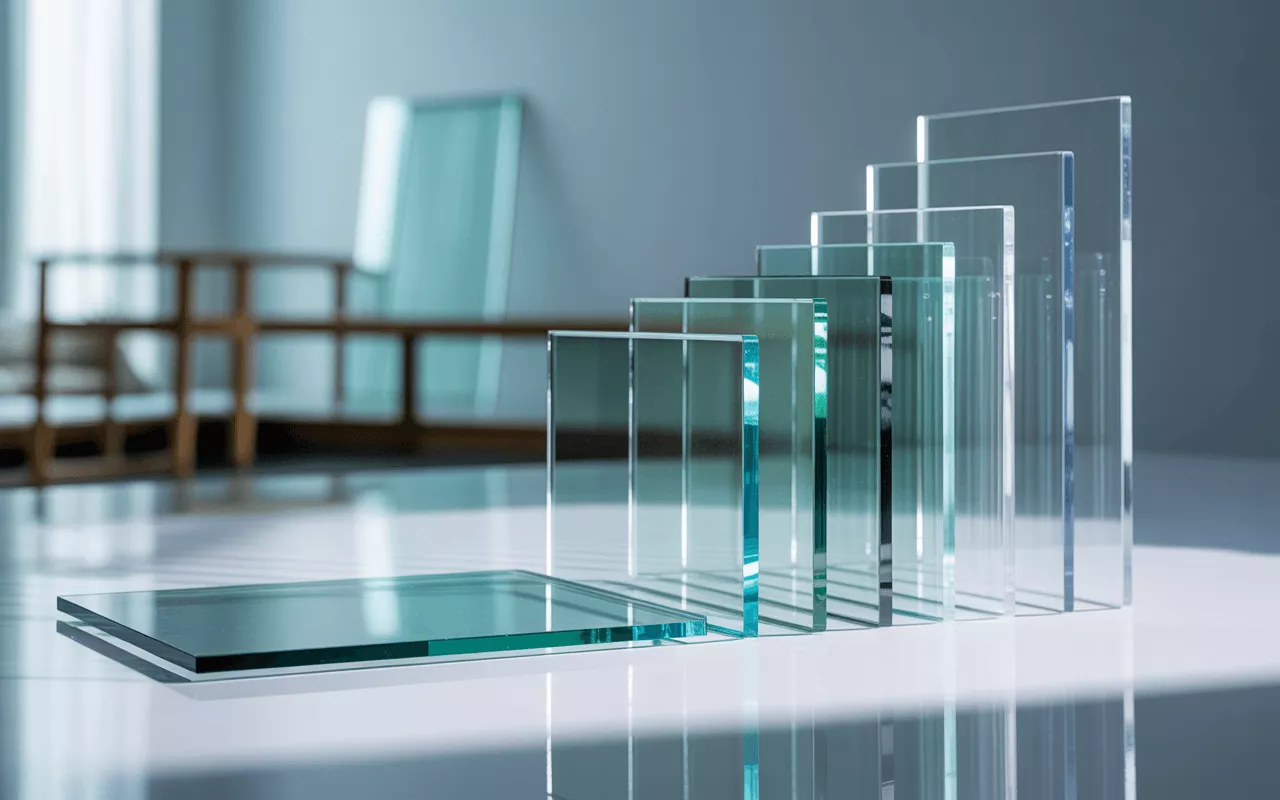
Table of Contents
Glass thickness is not just about appearance; it determines structural integrity, resistance to impact, load-bearing capability, and flexibility. Choosing the right thickness means the difference between long-lasting performance and product failure. Thicker panels are exceptionally strong, but they are not indestructible. To verify the heat-treatment quality of your heavy-duty shelves, follow our guide on how to know if glass is tempered.
Here is a breakdown of standard tempered glass thicknesses and what each is ideal for:
Thickness and weight are primary concerns, but you should also consider how the various types of tempered glass (like low-iron vs. clear) look at different depths. Generally, as thickness increases, the natural green tint of standard clear glass becomes more pronounced, making low-iron options more desirable for a truly transparent aesthetic
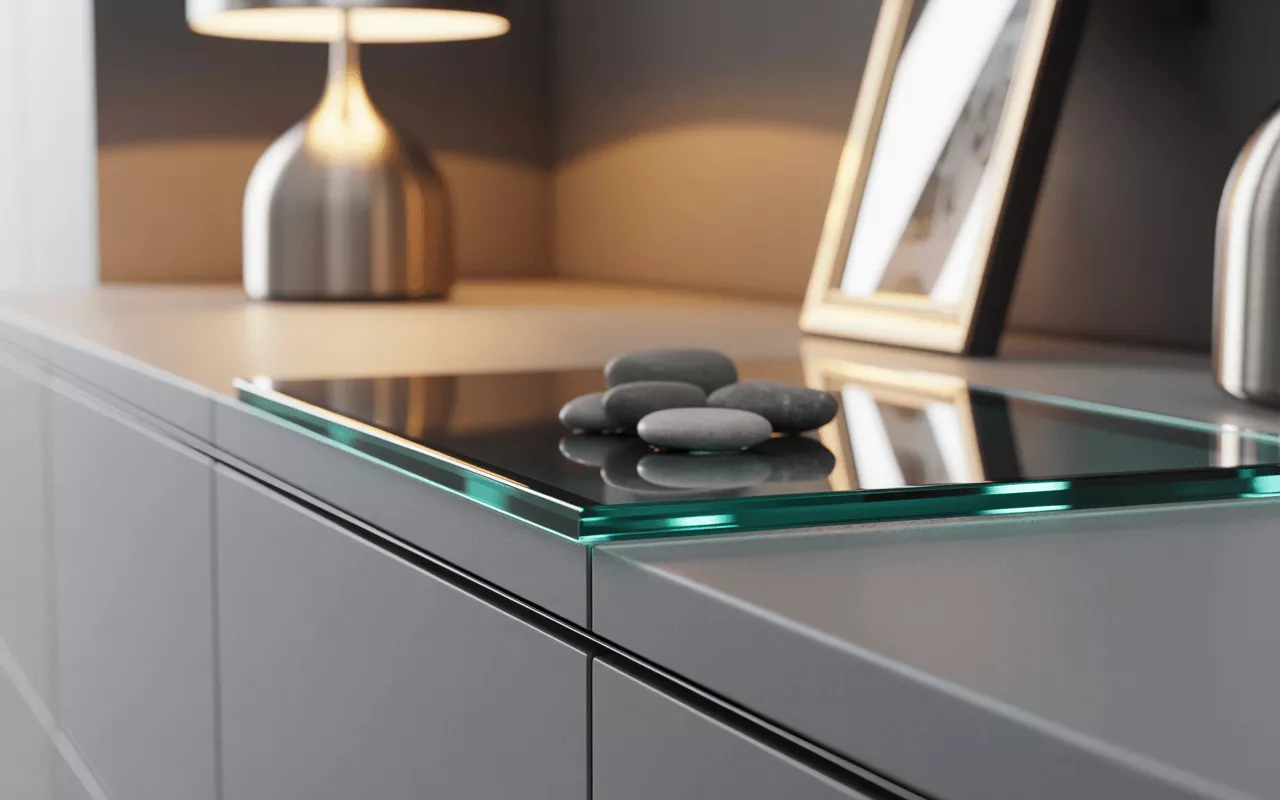
1/8″ tempered glass is the thinnest standard option, used in lightweight and non-structural applications. It is valued for its slim profile and is easy to handle, transport, and install. While not meant for high-load uses, it offers enough durability for protective coverings and decorative displays.
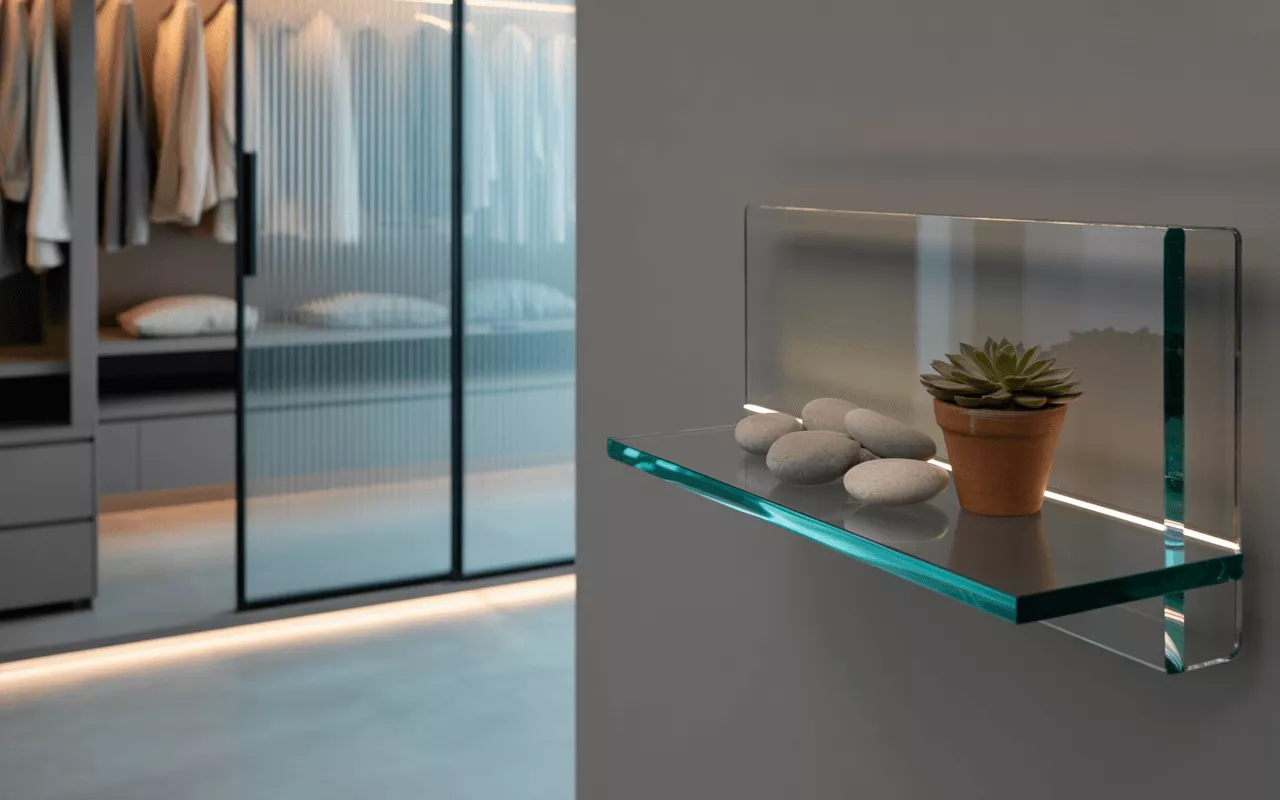
Offering a slight boost in rigidity, 5/32″ glass is a smart upgrade for those wanting lightweight glass with better resilience. It bridges the gap between decorative and functional, allowing for broader use without sacrificing minimalism.
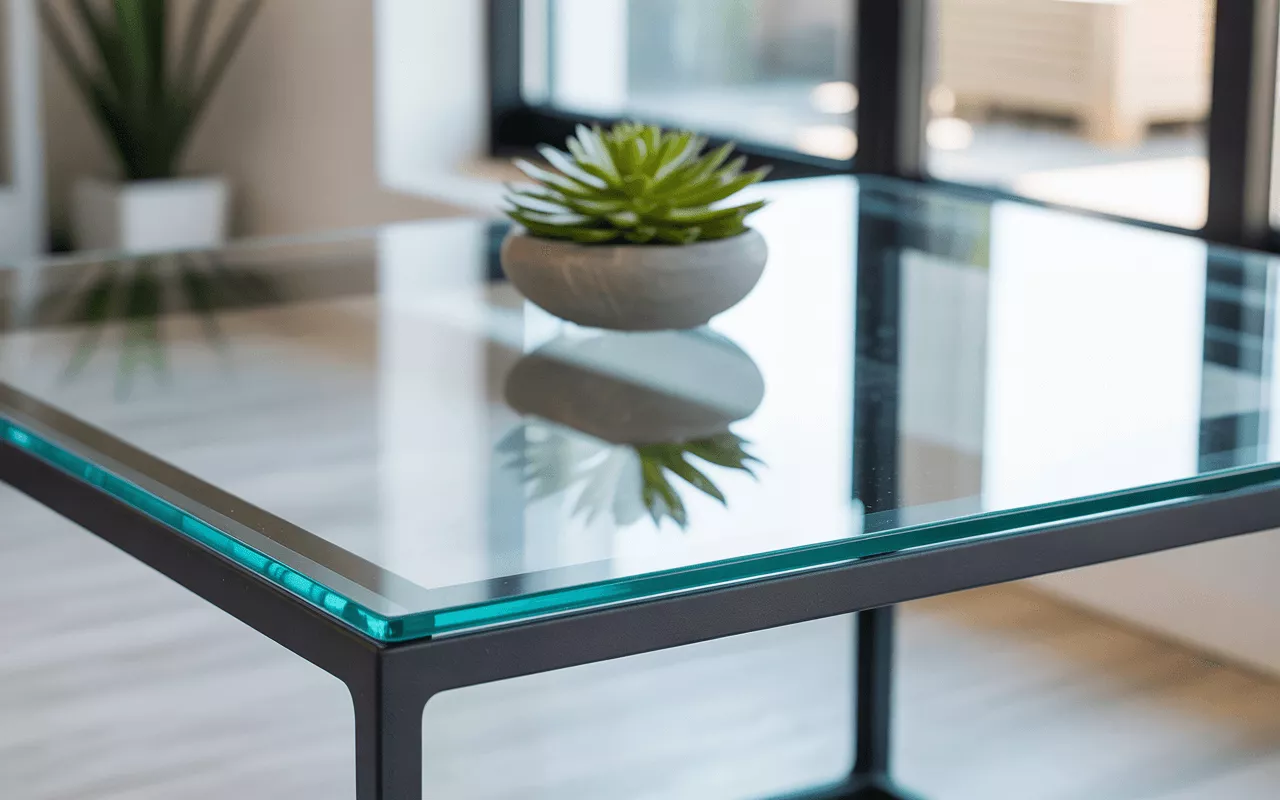
This mid-level thickness is often used in residential and light commercial settings where moderate strength is required. It is thick enough to handle day-to-day use and thin enough to remain budget-friendly. A common pick for decorative and low-load structural purposes.
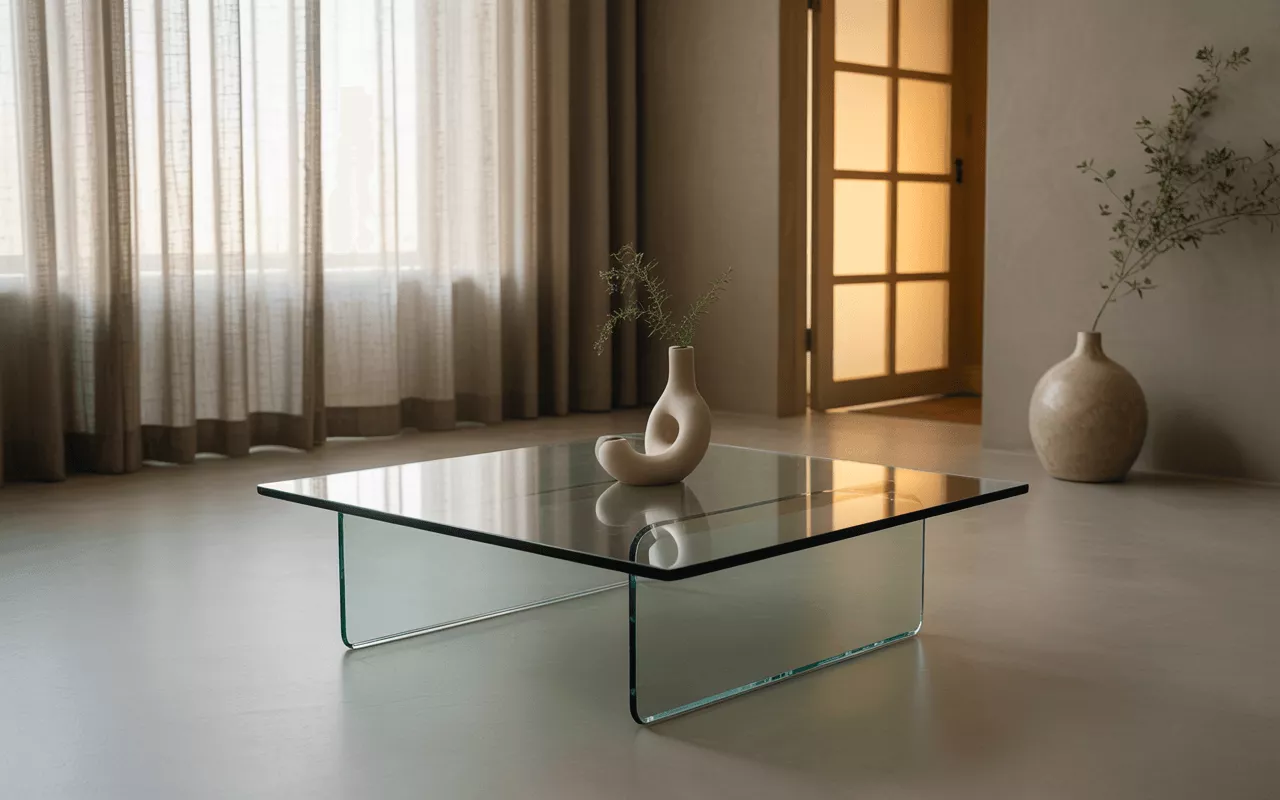
One of the most popular thicknesses, 1/4″ glass offers a strong combination of affordability and function. It is widely used in both horizontal and vertical applications and is thick enough for structural purposes in many residential environments.
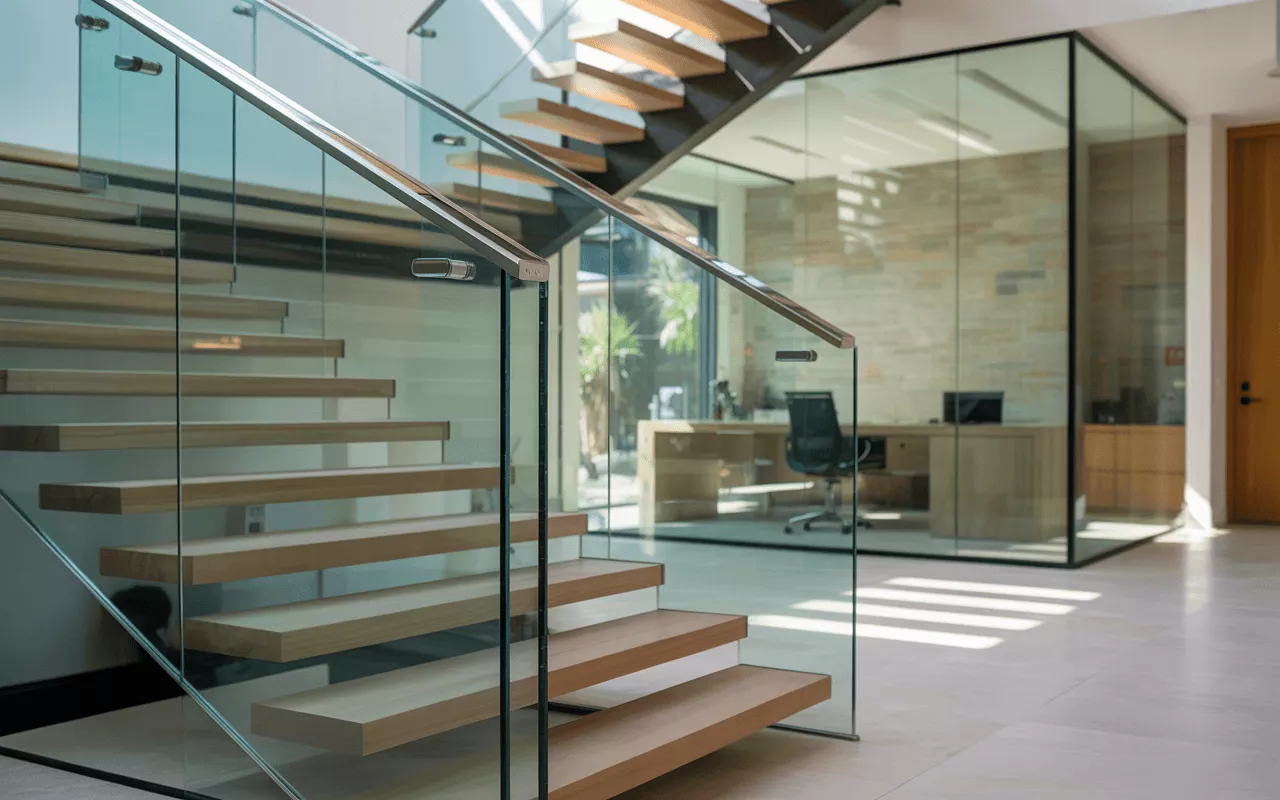
This thickness adds a significant increase in strength and visual presence. It is preferred for frameless and upscale installations, delivering a solid, elegant appearance that resists flexing and enhances acoustic isolation.
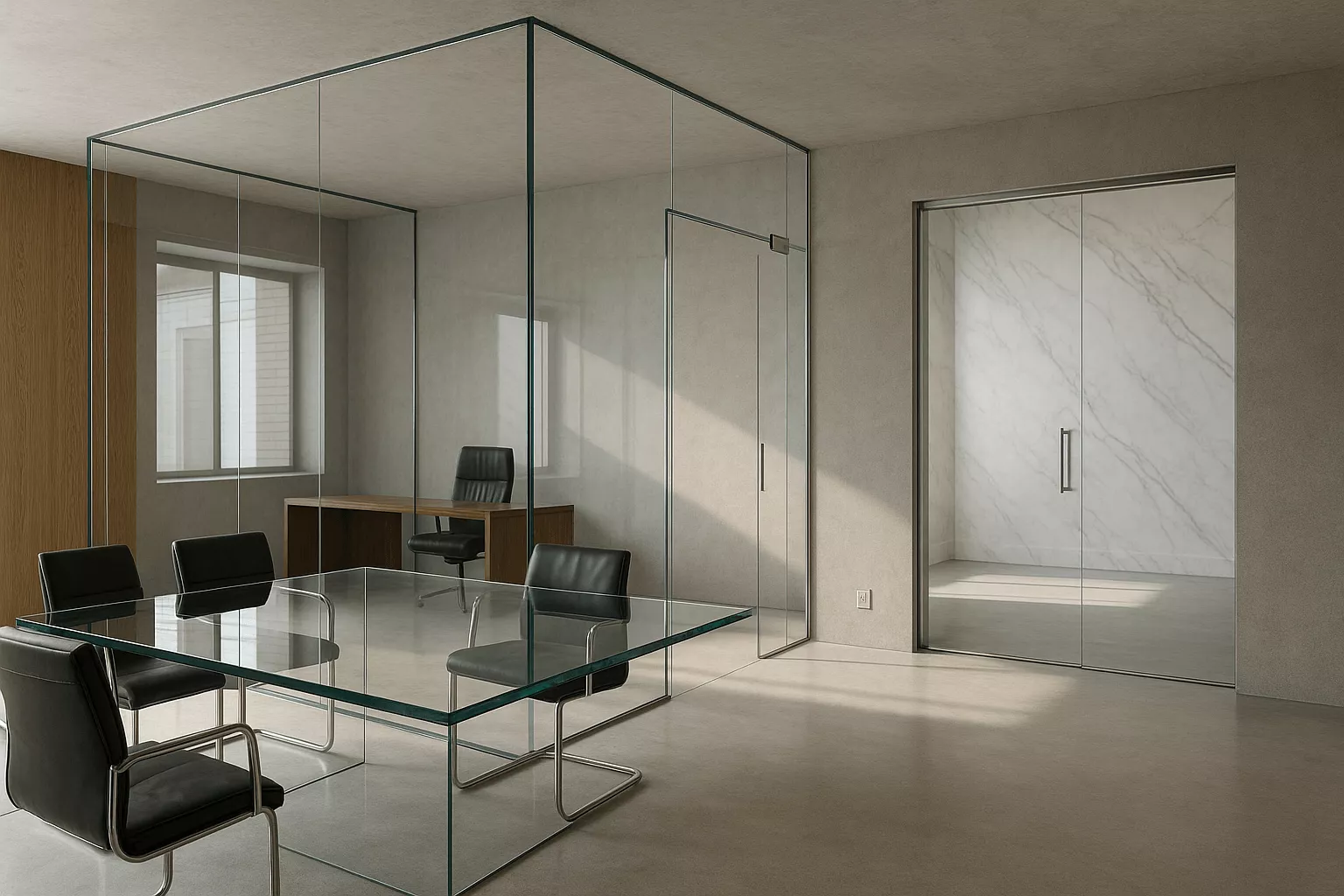
Designed for maximum safety and support, 1/2″ glass is used in areas with frequent usage and heavy loads. It is especially valued for high-traffic zones and large glass panels. Its thickness provides both durability and sophistication.
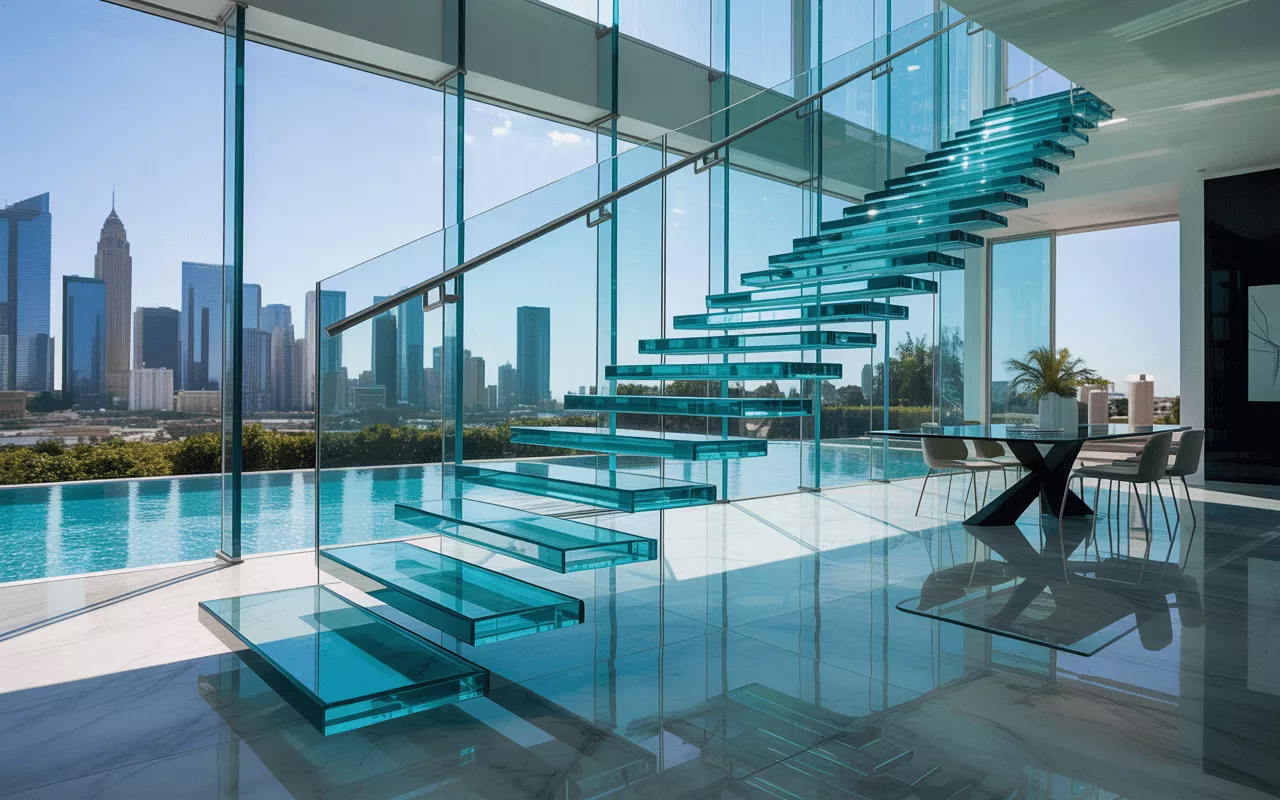
This ultra-thick tempered glass is rarely used in standard residential installations but is prized in premium architectural projects. Its solid mass makes it ideal for load-bearing and designer features, where strength and prestige are key.
Tempered glass cannot be drilled or cut after processing; any holes must be specified before manufacturing. Choosing the correct hole configuration depends on your hardware and installation style.
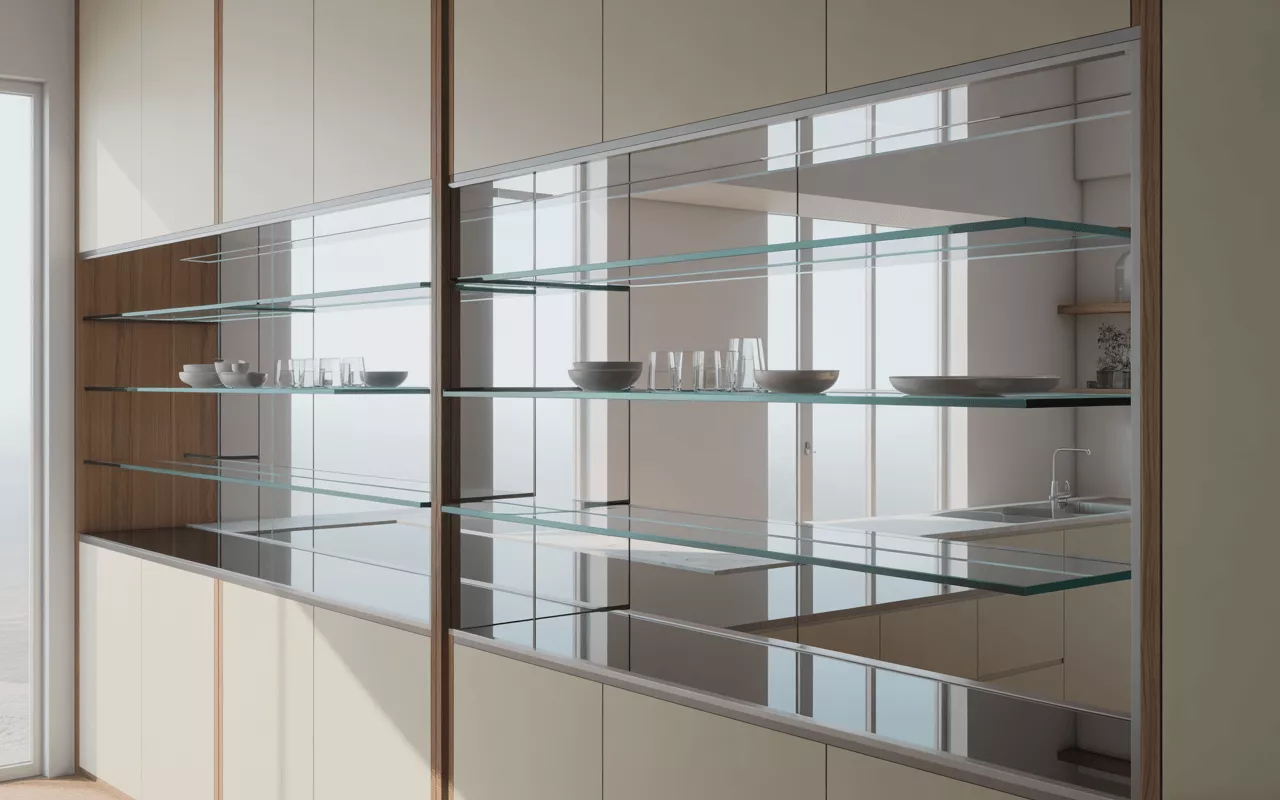
This is the standard choice for panels that do not require hardware attachment. It offers a clean finish and is often used when the glass rests in a frame or bracket.
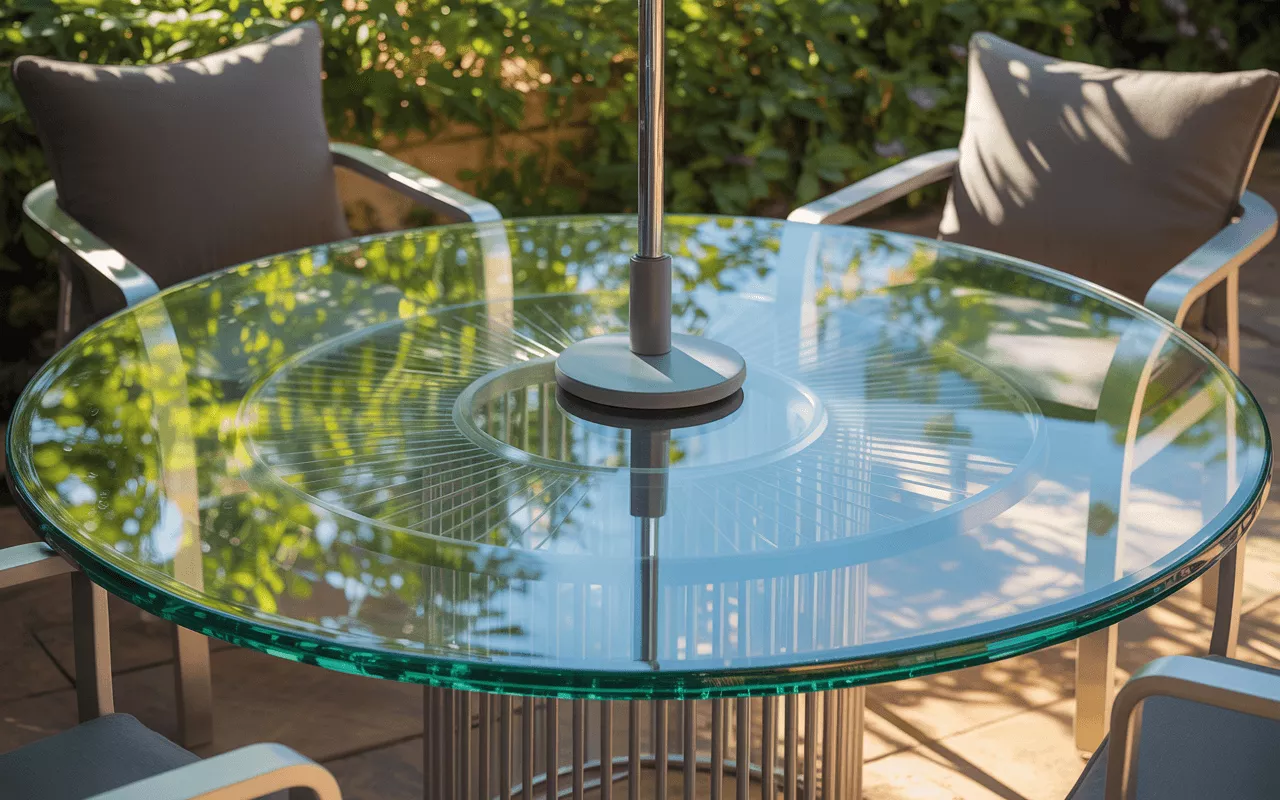
A pre-cut center hole is typically added to tabletops meant for outdoor use, particularly to accommodate umbrella poles or central-mounted hardware.
Edge finishing is not just about style, it ensures safety, durability, and a proper fit with furniture or framing components. Here are the three main types of edges available for custom cut tempered glass:
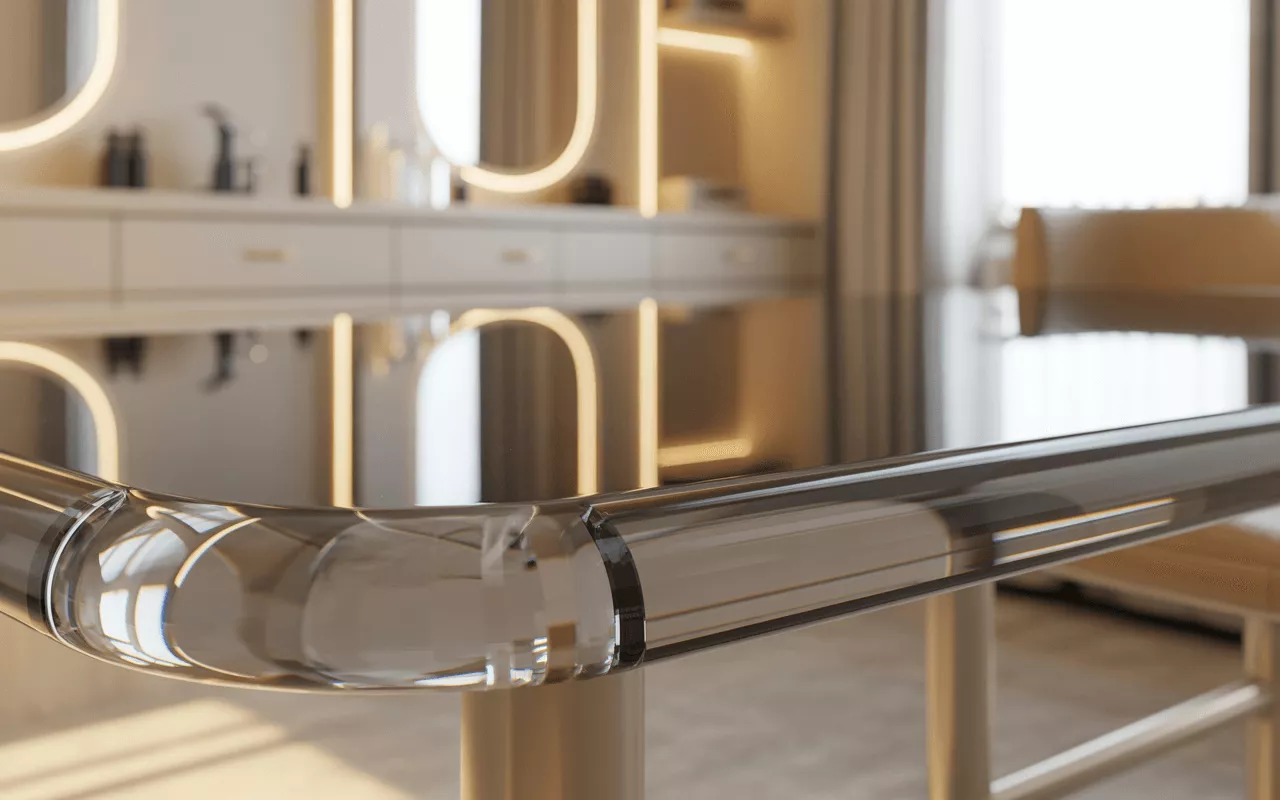
Pencil polished edges are rounded and smooth, offering a subtle, clean look. They are ideal for exposed edges in homes or commercial furniture where safety and softness are key.
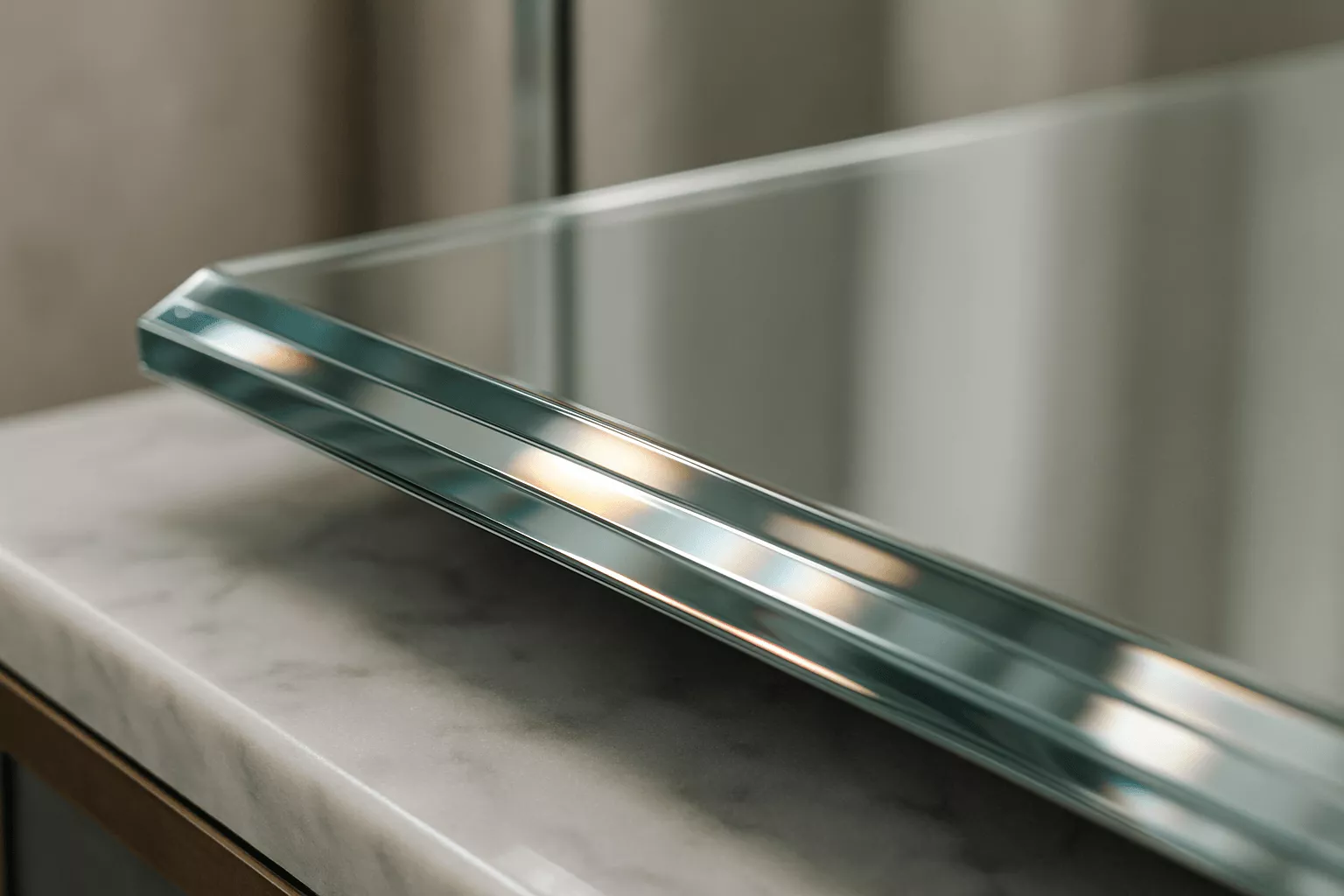
Beveled edges feature an angled surface, sloping inward from the face of the glass. This decorative edge adds a sophisticated, refractive look that catches the light, perfect for adding a premium design touch.
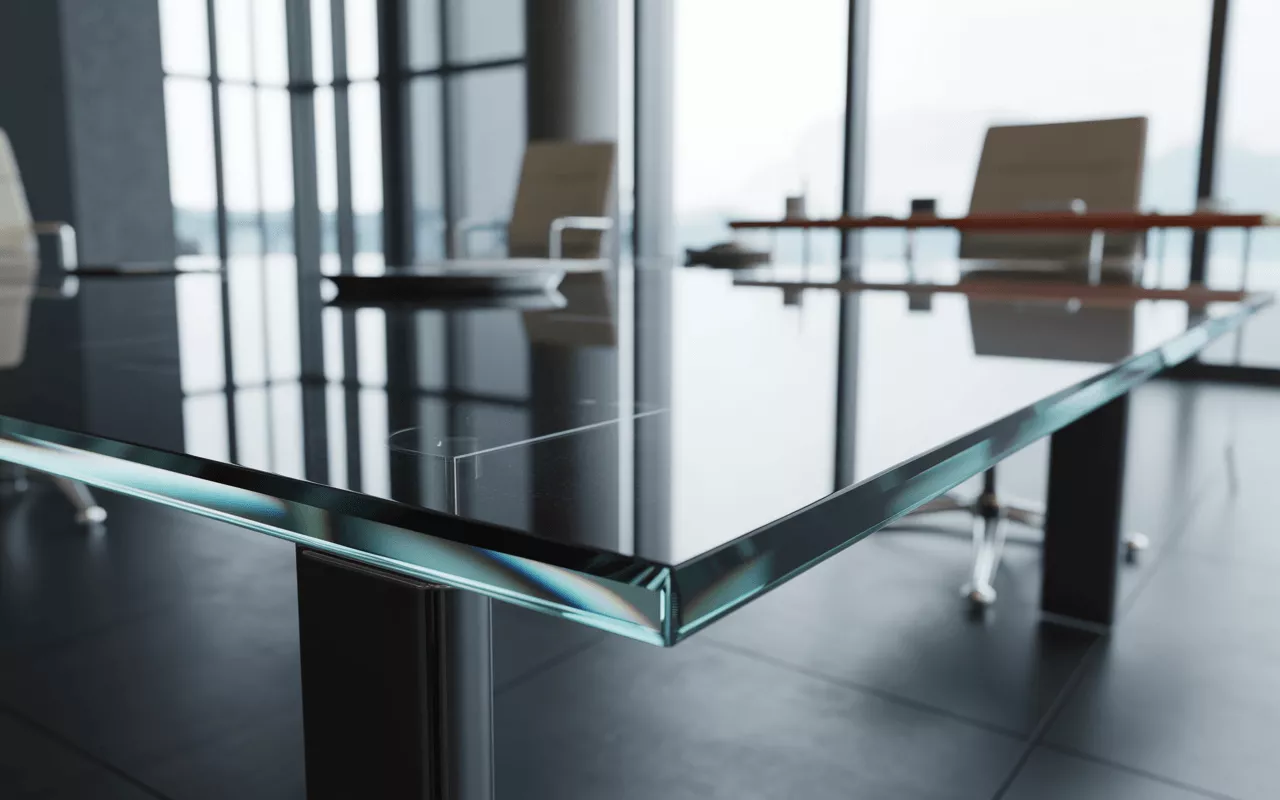
Flat polished edges have a crisp, squared-off appearance and are ground down to a glossy, precise finish. Ideal when the glass must fit tightly in a frame or serve a structural role.
When buying online, you will often see a customize-your-glass interface. To ensure a seamless experience, be ready with the following specs.
Precision in tempered glass fabrication is required to ensure that the edges are finished correctly before the glass enters the tempering furnace. Because tempered glass cannot be cut or drilled after it has been strengthened, your measurements and finishing choices must be finalized beforehand.
| Specification | What to Choose |
| Thickness | From 1/8″ to 3/4″ based on application |
| Edging Type | Pencil, Beveled, or Flat Polished |
| Hole Type | No Hole or Center Hole (location required) |
| Glass Dimensions | Exact Width × Height in inches or mm |
| Use Environment | Indoor, Outdoor, Load-Bearing |
| Quantity | Specify number of identical panels needed |
All tempered glass used in construction or furniture must meet safety standards set by U.S. regulatory bodies.
When ordering tempered glass sheets or panels, always verify that safety compliance is stated.
Here is a quick reference guide to help you choose the right configuration:
| Thickness | Common Uses | Recommended Edge | Hole Option |
| 1/8″ | Frames, cabinets, light fixtures | Pencil Polished | No Hole |
| 5/32″ | Shelves, partitions, doors | Pencil or Flat Polished | No Hole |
| 3/16″ | Signage, tabletops, transoms | Flat or beveled | Optional Hole |
| 1/4″ | Shower doors, mirrors, windows | Any (based on design) | No Hole or Center Hole |
| 3/8″ | Frameless showers, dividers, railings | Flat Polished | Optional Hole |
From small shelves to structural panels, your tempered glass cut to size, thickness, and edge style must be precise to perform its job safely and beautifully. Use this guide to inform your decision and ensure your project is backed by long-lasting clarity and resilience.
When shopping online, always choose Fab Glass and Mirror, allowing full customization, transparent pricing, and safe delivery options. Whether you are replacing a tabletop or designing a modern glass partition, knowing your options upfront will save time, money, and hassle.
The most common thickness is 1/4″ (6mm), widely used for tabletops, shower doors, and windows due to its balance of strength, versatility, and affordability.
No. Tempered glass cannot be drilled or cut after tempering; it will shatter. Holes must be specified before the glass is tempered.
Flat polished or beveled edges are best for table tops. Flat polished offers a clean, modern finish, while beveled adds a decorative touch.
Choose based on usage: 1/8″–3/16″ for decorative panels, 1/4″–3/8″ for functional furniture, and 1/2″–3/4″ for heavy-duty or structural applications.
Yes. By definition, tempered glass is safety glass because it is heat-strengthened to break into blunt, less harmful pieces.

Explore all things glass—from stylish table tops and insulated options to tinted and frosted designs. Discover guides on glass railings, custom cut glass, shelves, and stunning backsplash ideas for a modern home or office upgrade.