
My Cart
You have no items in your shopping cart.
This makes it the safer choice for doors, windows, shower enclosures, and furniture. In this guide, you’ll learn five simple ways to tell if your glass is tempered, so you can make informed, safe decisions for your space.
Order Custom Cut Tempered Glass

Table of Contents
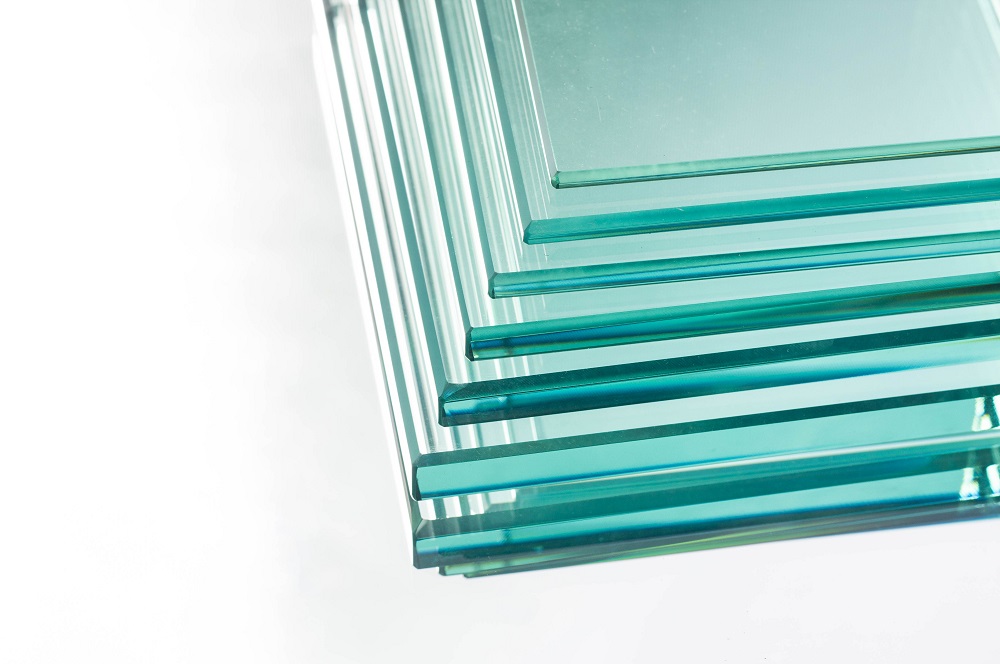
Most of you must have heard of a tempered glass used to protect your mobile’s screens. But it’s time to find out what exactly makes a glass tempered? This glass is created in a unique way.
First, the kind of glass is heated intensely and is then cooled down quickly. This process makes this glass super useful and gives it a unique structure.
The glass sheets undergo a tempering process. This is where it passes through an oven or a heating machine for tempering. This process can be done in batches or even in one continuous motion.
Further, the glass then goes through a process called “quenching”. Here, tempered vs laminated glass properties are taken into account as the glass is cooled down. This process lasts for barely any seconds. So, various nozzles are used to blast high air pressure on the glass surface. As the middle of the glass cools down first, this side of the glass contracts, whereas the outer surface compresses. This change allows the glass to become strong. This method is time-taking but super effective.

Thus, there are multiple ways to use tempered glass.
Isn’t it amazing how one basic resource can be used in multiple ways?
Identifying a tempered glass requires no mind games at all! It is an easy thing to do, if you know all these tricks.
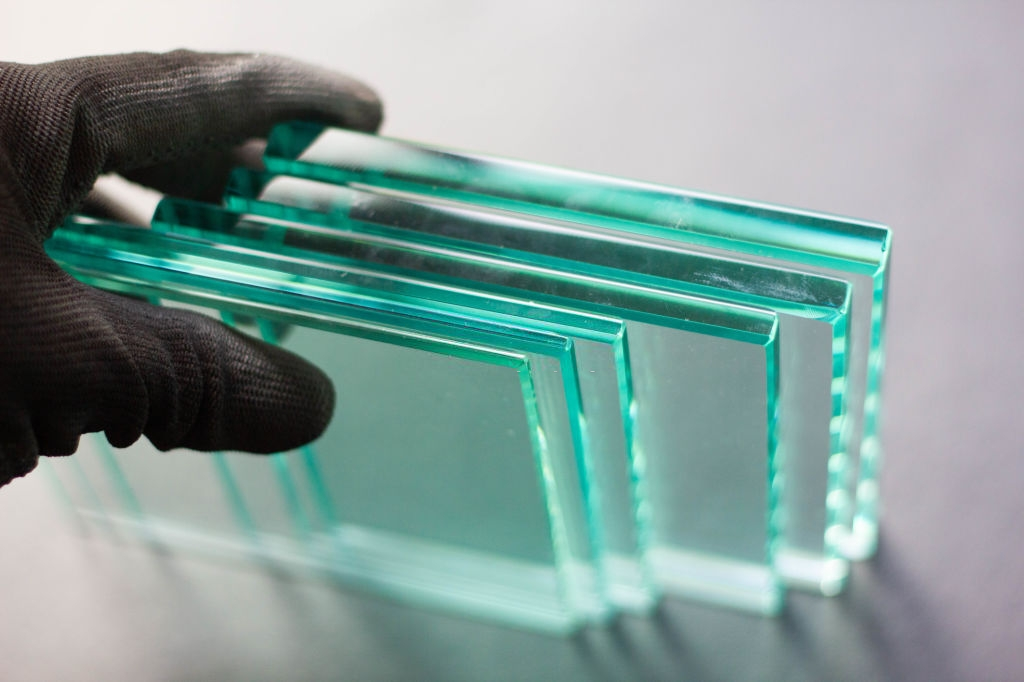
Tempered glass typically has smooth, polished edges due to extra processing. Run your finger along the edge, if it feels rough or sharp, it’s likely not tempered. Smoothness here isn’t definitive, but it’s a good early indicator. While most people look for stamps on square panes, identifying safety markings on custom glass shapes can be more difficult due to the unique edge polishing required. The smoothness of the feeling ensures that the glass is tempered.


Further, look for the little imperfections, including glass canopy details, Tempered glass may show slight waviness or optical distortions, especially when viewed at an angle or in reflection. These are caused by the rollers used during the tempering process. They’re subtle, but noticeable on close inspection.
One of the most reliable DIY tests: view the glass through polarized sunglasses under sunlight. If it’s tempered, you’ll see a pattern of darkish lines or spots due to stress birefringence. Regular glass will appear normal.

One of the most definitive ways to identify tempered glass is by examining whether it has been drilled or broken. Tempered glass cannot be drilled or cut after the tempering process, attempting to do so will cause it to shatter instantly. If you come across a glass panel with cleanly drilled holes, those modifications were made before the tempering process.
Additionally, the way glass breaks offers a strong visual clue. Tempered glass shatters into small, rounded, pebble-like pieces that are far less likely to cause injury. In contrast, standard annealed glass breaks into large, sharp shards that are much more hazardous. If the glass is already broken and exhibits this pebble-like break pattern, it is a reliable indicator that the glass was tempered.
Visual identification is just the start; you must also ensure the tempered glass thickness matches the structural load requirements for its intended use.

Tempered glass often has an etched logo in one corner. This mark may include the manufacturer’s name and safety code (e.g., “Tempered,” “ANSI Z97.1,” or “CPSC 16 CFR 1201”). If you can’t find a stamp, move to the next method — some older glass may lack visible labels.
While you can verify quality via a stamp, checking the tempered glass price for different safety grades helps you budget for large-scale replacements. After you confirm the safety stamp is present and review your budget, you should evaluate which of the different types of tempered glass, such as frosted or tinted, best suits your privacy needs.
Surprisingly, tempered and a normal glass break in an absolutely contrasting manners. When a tempered sheet breaks, the glass does not spread all over its surroundings. It breaks in a unique way, into small and relatively harmless pieces. This type of glass is frequently used in areas where human safety is a top priority. A normal glass, on the other hand, is much more fragile and breaks into big uneven pieces that are extremely dangerous. Consequently, this glass is used in multiple appliances and is often considered as a “safety glass”.
As we have discussed earlier, tempered glass can withstand high temperatures. It is around five times stronger than standard glass and resists heat, impact, and thermal stress. It’s ideal for safety-critical spaces like bathrooms, kitchens, and commercial areas. Even when it breaks, it reduces the risk of injury by shattering into harmless fragments. It’s scratch-resistant, durable, and trusted for everything from phone screens to storefronts. If your glass isn’t tempered and safety is a concern — it might be time to upgrade. To learn more, read our full guide on What is tempered glass? and Tempered Glass Cutting process.

Now you know how to tell if glass is tempered. Whether it’s a tiny etching in the corner or a subtle pattern seen through polarized lenses, these quick checks can help you confirm your glass is safe for use. When in doubt, remember: it’s better to be safe and replace potentially dangerous ordinary glass with certified tempered glass from the best glass and mirror provider in USA. Fab Glass and Mirror offers reliable tempered glass products made to the highest standards — get peace of mind with every panel you choose.
Unlike standard glass, which shatters into large, sharp, and highly dangerous shards, tempered glass is specifically designed to shatter into small, rounded, pebble-like pieces. This unique break pattern makes it relatively harmless and significantly reduces the risk of injury.
Yes! One of the most reliable DIY methods is to view the glass through polarized sunglasses under sunlight. If the glass is tempered, you will see a subtle pattern of dark lines or spots (caused by stress birefringence from the tempering process). Regular glass will appear completely normal.
During the manufacturing process, glass is heated intensely and rolled through machines. These rollers can sometimes leave very subtle optical distortions or slight waviness on the surface. While barely noticeable, spotting these imperfections at an angle is a good indicator that the glass is tempered.
Not necessarily. While most modern tempered glass features a small, etched logo or stamp in one of the corners indicating the manufacturer and a safety code (such as ANSI Z97.1 or CPSC 16 CFR 1201), some older or custom-cut glass may lack visible labels. If there is no stamp, you can use other visual checks like the polarized lens test.
Often, yes. Tempered glass requires extra processing, which typically results in incredibly smooth, polished edges. If you run your finger along the edge of a glass pane and it feels unexpectedly rough or sharp, it is highly likely that it is standard, non-tempered glass.
Tempered glass gets its strength from a process called “quenching.” Standard glass is heated intensely in an oven and then rapidly cooled using high-pressure air blasts. Because the middle of the glass cools slower than the rapidly compressing outer surface, it alters the tension of the glass, making it up to five times stronger than standard glass.
Because it is highly resistant to heat, impact, and thermal stress, tempered glass is frequently used in safety-critical areas. Common household applications include shower enclosures, tabletops, large windows, architectural doors, refrigerator trays, and even the dishes used inside microwaves and baking ovens.

Explore all things glass—from stylish table tops and insulated options to tinted and frosted designs. Discover guides on glass railings, custom cut glass, shelves, and stunning backsplash ideas for a modern home or office upgrade.