
My Cart
You have no items in your shopping cart.

Choosing the right shower door for your bathroom can significantly impact both the functionality and aesthetics of your space. With various options available, including custom shower glass, understanding the differences between framed vs frameless and semi-frameless shower doors is crucial. This guide will delve into these types, helping you make an informed decision for your bathroom renovation. Whether you prefer a sleek, modern look with custom shower glass or a more traditional framed door, selecting the right style will enhance your bathroom’s design and usability.
Table of Contents
1. Framed Shower Doors
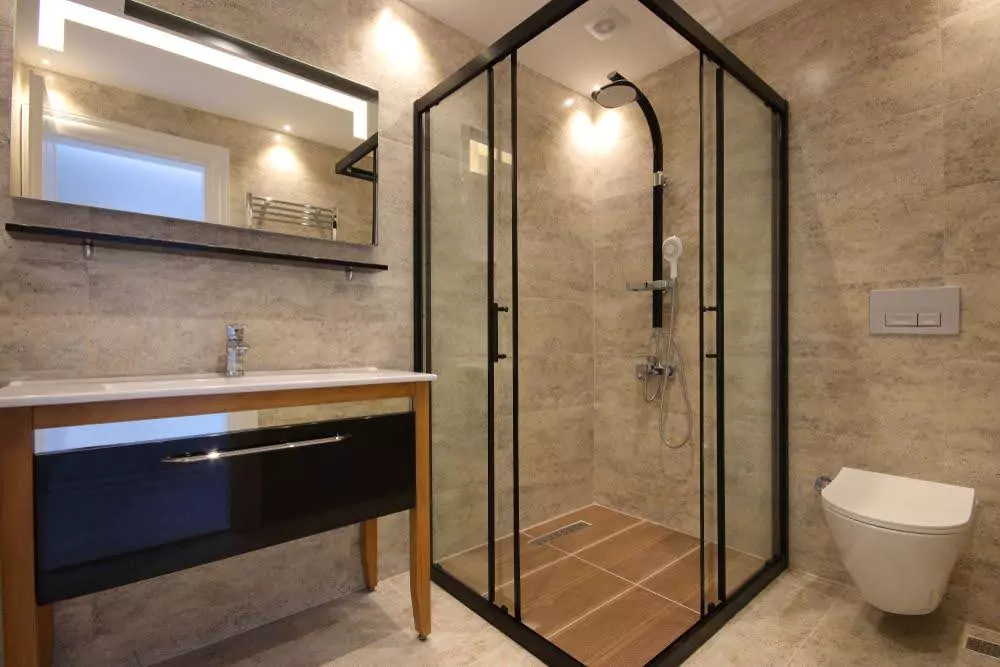
Framed shower doors have a metal frame that surrounds the entire structure, providing support and stability. These doors typically have a more traditional look and are available in a variety of finishes to match other bathroom fixtures.
2. Frameless Shower Doors

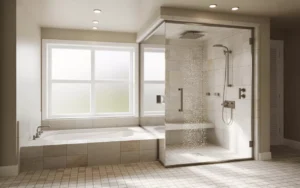
Frameless shower doors are constructed from thick tempered glass and have minimal hardware, offering a sleek and modern appearance. The absence of a frame creates an open and airy feel, enhancing the overall look of the bathroom.
3. Semi-Frameless Shower Doors

Semi-frameless shower doors have a frame around the edges but minimal to no framing around the door panel. This design offers the stability of framed doors while maintaining a sleek, modern look similar to frameless doors.
The primary difference between framed and frameless shower doors lies in their construction and appearance. Framed doors have metal support, which can be advantageous for stability but may detract from a contemporary design. In contrast, frameless doors provide a minimalist aesthetic but require precise installation to ensure proper support, affecting the shower door installation cost.
Semi-frameless shower doors combine framed and frameless areas, making them a top choice for many homeowners. They offer the benefits of both styles: the frame provides stability by holding the glass securely, while the frameless areas bestow a contemporary look.
Aesthetically, unique shower doors, like frameless models, offer a cleaner, more modern look, while framed doors tend to blend well with traditional and transitional bathroom designs. Semi-frameless doors combine elements of both styles, providing a contemporary appearance with some structural framing that enhances stability, making them a great choice for those seeking a balance between modern and classic designs.
Functionally, you won’t experience more watertight and easier-to-install shower doors than the framed ones. While frameless doors require more maintenance to prevent water leaks and maintain their pristine appearance. Semi-frameless doors strike a balance between the two, offering the stability and ease of installation of framed doors, along with a sleek, modern look that requires less maintenance than fully frameless options.

The key difference between frameless and semi-frameless shower doors is the presence of some framing in the latter. This framing can offer additional support and ease of installation while still providing a more modern look compared to fully framed doors.
Visually, semi-frameless doors offer a compromise between the sleek look of frameless doors and the sturdiness of framed ones. Structurally, the partial frame can enhance durability and reduce the risk of leaks.
When deciding between frameless and semi-frameless doors, consider your bathroom’s style, your budget, and factors like the sliding door glass replacement cost. Frameless doors tend to be more expensive but provide a high-end look, while semi-frameless doors offer a similar aesthetic at a lower cost, making them a budget-friendly option for those concerned about potential replacement expenses.
| Aspect | Framed Shower Doors | Frameless Shower Doors |
| Design and Functionality | Designed with a complete metal frame around the glass panels, providing additional support and stability. | Designed without a metal frame, offering a sleek and modern look with thick tempered glass for sturdiness. |
| Materials | Frames are typically made from lightweight yet strong aluminum; glass is thinner due to frame support. | Constructed using heavy-duty tempered glass (3/8 to 1/2 inch thick); minimal high-quality hardware. |
| Popular Styles | Includes pivot doors, sliding doors, and bi-fold doors; customizable with different glass textures and frame finishes. | Includes pivot doors, hinged doors, and sliding doors; customizable with various glass textures and hardware finishes. |
| Maintenance and | Easier to maintain as the | Requires regular |
| Durability | frame contains water; metal frames can corrode over time and may require regular cleaning. | maintenance to prevent water spots and soap scum; needs proper sealing to avoid leaks; highly durable with proper care. |
Understanding the pros and cons of frameless and framed showers helps in making an informed decision. Let’s explore the specific advantages and disadvantages of each type.
Pros and Cons Framed Shower Doors
Pros and Cons of Frameless Shower Doors

Cost Comparison
Framed shower doors are typically less expensive than frameless doors. The cost difference is due to the materials and installation process. Frameless doors, often part of a seamless shower design, require thicker glass and precise installation, which increases the price.
Factors Affecting Cost
Frameless shower doors, often used as a glass partition in bathroom, are constructed from thick tempered glass and feature minimal hardware, offering a sleek and modern appearance. The absence of a frame creates an open and airy feel, enhancing the overall look of the bathroom. This seamless design not only improves aesthetics but also adds functionality by creating a clear division within the space.
Investment Analysis
While frameless shower doors are more expensive, they can add significant value to your home. Their modern appearance and high-end look can make a bathroom more attractive to potential buyers. To complete the look, you can shop for glass and mirrors online, where you’ll find a variety of options to elevate your bathroom’s style.
Budget and Value Tips
When choosing between framed and frameless doors, consider your budget and the long-term value. If you’re looking for a cost-effective option that offers durability, framed doors are a good choice. If you want to invest in a luxurious, modern look, frameless doors are worth the higher cost.
Additional Differences
Beyond the basic construction and appearance, other differences between framed and frameless shower doors include customization options, the ease of repair, and the overall lifespan.
Installation Considerations
Frameless doors require more precise installation to ensure proper alignment and sealing, which may require professional help. Framed doors are generally easier to install and can be a DIY project for those with basic handyman skills.
Longevity and Wear
Frameless shower doors, with their thicker glass and minimal hardware, tend to last longer and show less wear over time compared to framed doors, which may require more frequent repairs and maintenance due to the frame.
Ultimately, the choice between framed, frameless, and semi-frameless shower doors depends on your personal preference, budget, and bathroom style. Each type has its own set of benefits and drawbacks, so consider all factors carefully before making a decision.
A framed shower door can last anywhere from 15 to 20 years with proper maintenance and care.
If not properly installed or sealed, the frameless glass shower doors can leak. Regular maintenance is required to ensure they remain watertight.
Yes, frameless shower doors are typically more expensive than framed doors due to the thicker glass and precise installation required.
Frameless shower doors can add value to a home by enhancing the modern aesthetic and making the bathroom appear larger and more luxurious.
Explore all things glass—from stylish table tops and insulated options to tinted and frosted designs. Discover guides on glass railings, custom cut glass, shelves, and stunning backsplash ideas for a modern home or office upgrade.