
My Cart
You have no items in your shopping cart.

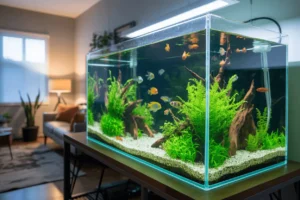
Some fish species do better in hard water, but that’s no good for the shiny panes of glass that line our aquariums. Sometimes, the evaporation of hard water might leave a white residue on the glass surface. This residue is typically harmless to your fish and aquarium. However, it can obscure the view and make your tank look cloudy. Considering the cost of tempered glass, maintaining its clarity and longevity becomes even more important. So here we have an in-depth guide on how to clean aquarium glass. So, let’s get inside it!
Table of Contents

In terms of aesthetic value, the aquarium glass, whether tempered or laminated glass, is largely irrelevant. Why, then, should you bother scrubbing the aquarium’s glass? When you keep the aquarium’s glass clean, you prevent the buildup of algae and limescale. Algae and mineral buildup will eventually ruin the aquarium’s aesthetics and disrupt the ecosystem within it. Cleaning the aquarium’s tempered and laminated glass on a regular basis helps keep the ecosystem stable by removing dirt and debris and preventing the growth of algae. Here’s how to clean aquarium glass step by step; follow the guideline to get a brand-new look for your aquarium.

Now that the dust has settled on the topic of tank upkeep, here is a detailed guide for your regular reference:
Water tests should reveal no more than 40 ppm of nitrates, no more than 0 ppm of nitrites, and no more than 0 ppm of ammonia. Exposure to high concentrations of these waste chemicals is harmful to fish. It is recommended that nitrate levels be maintained at or below 40 ppm in a cycled aquarium. Take readings with a nitrate test kit to figure out how much water needs to be drained and whether or not any extra measures are required. Additionally, understanding how to identify tempered glass can be crucial when setting up an aquarium, as tempered glass is more durable and safer for housing aquatic life.
Use an algae scraper to keep the tank walls clean so we can continue to see our fish. With the blade attachment, you can easily cut through any stubborn patches of algae. The lid may be readily cleaned in the sink if algae has formed on it. (Soap could be toxic to your fish, so don’t use it.) If algae grows on the rocks, plants, or other aquarium decorations, try brushing it off with a clean toothbrush.
Dead leaves and overgrown foliage should be trimmed every now and then if you have live aquarium plants, especially if you aim for a clean and aesthetically pleasing setup like a glass canopy design. Cutting off the top few inches of a tall stem plant and replanting it into the substrate is an easy way to multiply that plant. If the water’s surface is entirely covered by floating plants, roughly 30-50% of them should be removed to allow sunlight to reach the plants below. Oxygen can also easily reach the fish by allowing the light to reach the leaves near the base of the stems, hence the ones in the worst nutritional shape. Pruning helps plants prioritize leaf health.
It is imperative that all machinery be turned off or unplugged before the water is removed. Aquarium equipment like heaters and filters might get damaged if used in wet conditions.
Pull out your aquarium siphon and remove almost one-third part of the substrate. Debris tends to accumulate under ornaments and hardscape elements, so it’s important to move them as needed. Fish waste and dead leaves in the gravel or sand can all be vacuumed up by the siphon, and the old tank water and its excess nitrates can be dumped down the drain.
The filter should be cleaned after every month or if possible twice a month. In actuality, filters are a lot more like garbage cans in that they serve to accumulate trash until they are emptied. Filters do the same thing, collecting fish waste, but they still need to be cleaned on a regular basis so that they don’t get blocked up or overflowed. If your filter is a sponge, take out the foam section and wring it out in the bucket of tank water multiple times.
After this, you can refill the aquarium with new, clean water of the same temperature as the water already inside. Fill the bucket back up with fresh tap water, then reuse the water from the tank to water your indoor or outdoor plants. Dechlorinator can be added either in the bucket (dosed according to the volume of the bucket) or in the aquarium (dosed according to the volume of the aquarium). You can also supplement the substrate with liquid fertilizer and root tablets at this time. If you’re redecorating, consider incorporating glamorous living room ideas to create a stylish and cohesive space while caring for your aquarium.
With all that debris floating on the surface of the water, your freshly cleaned tank may look dirtier than before. Now turn on the filter or heater, and the dust and dirt should settle or be sucked up by the filter within an hour or two.
Using a glass/acrylic cleaner, thoroughly wipe down the tank’s outside walls to remove water spots and smudges for a flawless, crystal-clear appearance. Dust should also be removed from the aquarium’s lid, light, and base. You may now amaze your friends and relatives with an aquarium worthy of posting on Instagram.
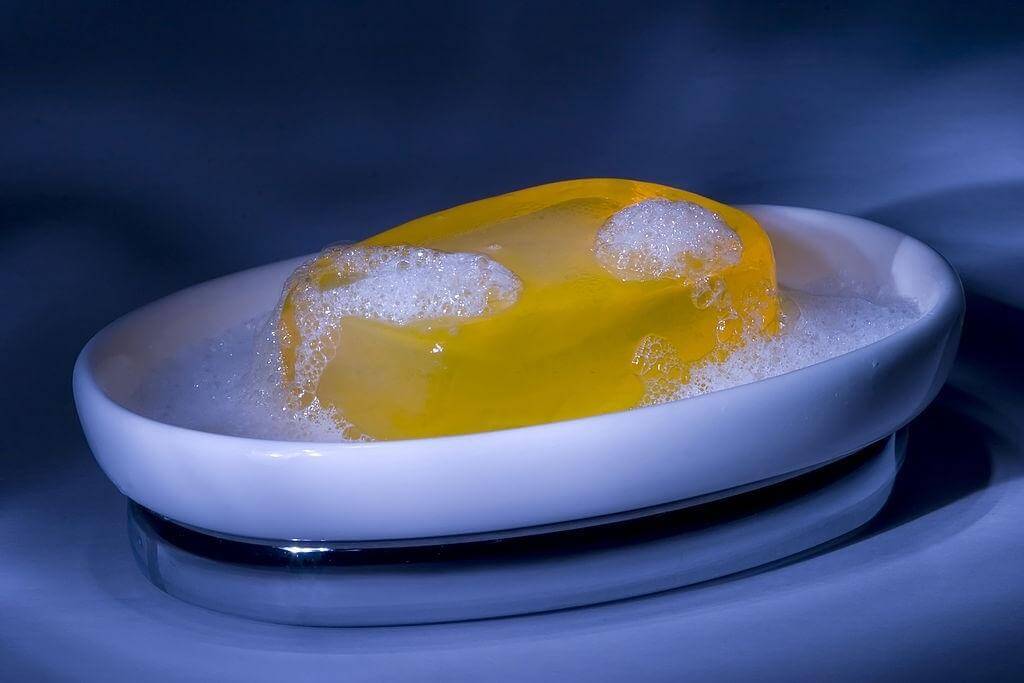
Do not use soap of any kind to clean a fish tank; even trace amounts of such chemical soaps can be fatal to fish. To remove stubborn algae, simply put a pot of water to boil, then remove it from the heat and submerge the items for 20 minutes.
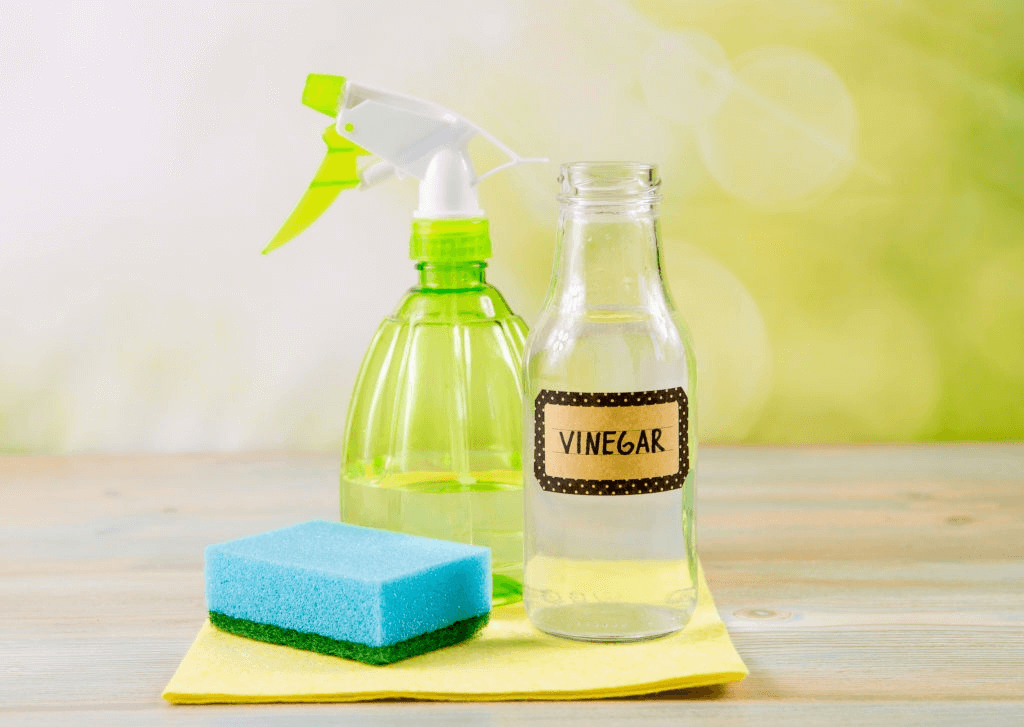
Vinegar can be used effectively to disinfect aquariums. Cleaning a tank without any fish in it is no problem at all, and you may even use this solution on tanks that currently have fish in them if you dilute it.
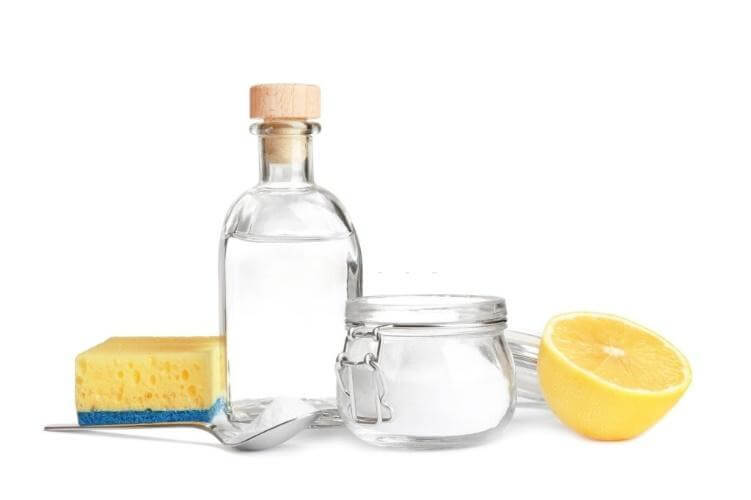
Minerals or calcium deposits present in the water are to blame for the white buildup. It can be cleaned with vinegar. Vinegar is preferable, although lemon juice will also serve in a pinch. You can just apply some of the DIY cleaner to a clean cloth and rub it over the buildup of calcium.
Why does the aquarium glass always seem so spotless and clear? I don’t see how even little aquariums can support gallons of water. The answer is tempered glass. It’s a unique form of glass, which can be used for the fish tank’s base for a number of reasons, including safety and strength. Aside from its unique transparency, glass and ceramic are also notable for their superior cleanliness and thickness. No doubt, tempered glass is your best bet for a permanent, spotless, and scratch-proof fish tank.
Acrylic is far more lightweight than glass. Considering the trend toward ever-larger aquariums, it’s better to know that there are alternatives to glass. It can provide at least half the weight savings without sacrificing durability. Acrylic sheet is much stronger than glass, making it a more durable material. Also, you can easily cut it down to any shape you ever wanted for your custom aquarium.
Maintaining a spotless aquarium is easy with consistent maintenance. The aquarium’s outside glass, including any local glass and mirror components, just has to be cleaned once or twice weekly. Maintaining a cleaning routine will prevent any buildup of debris or stains on the aquarium’s glass. Or simply follow this guide on how to clean aquarium glass for a better outcome!
Explore all things glass—from stylish table tops and insulated options to tinted and frosted designs. Discover guides on glass railings, custom cut glass, shelves, and stunning backsplash ideas for a modern home or office upgrade.