
My Cart
You have no items in your shopping cart.



Yes, acrylic is a plastic, specifically, a type of transparent thermoplastic known as PMMA (Polymethyl Methacrylate). It’s commonly used in products that need clarity, strength, and versatility, like Plexiglass sheets, display cases, and protective barriers. Acrylic belongs to the category of engineering plastics, and it’s widely recognized for its clarity, light transmission, and durability.
Let’s explore the composition, properties, specifications, and key differences of acrylic to help you understand why it’s one of the most widely used plastics in both home and industrial applications.
Table of Contents
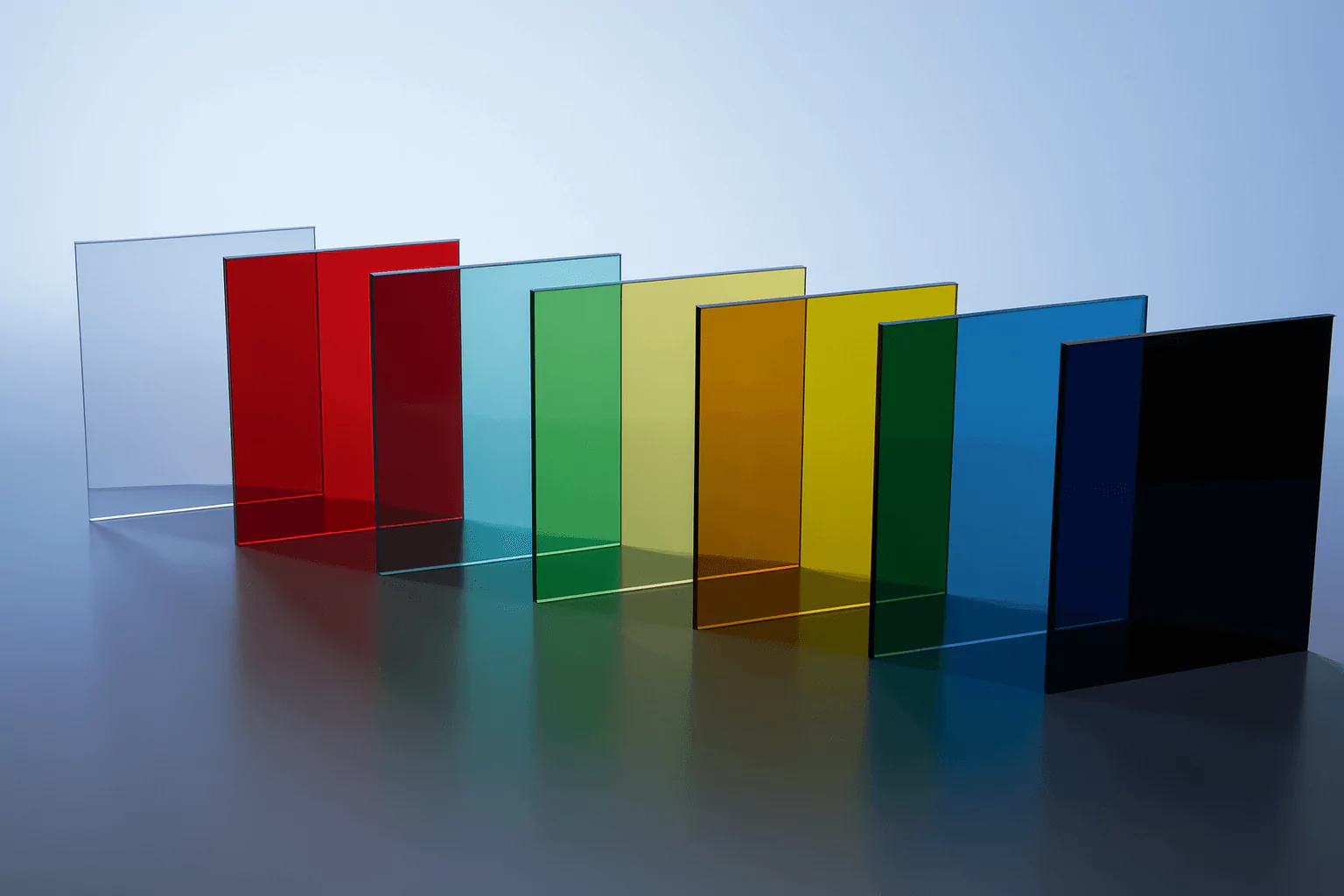
Acrylic is a synthetic plastic polymer derived from natural gas. It’s known chemically as PMMA (Polymethyl Methacrylate) and marketed under brand names like Plexiglass, Lucite, and Acrylite. Despite looking like glass, acrylic sheets are actually plastic, clearer, lighter, and more shatter-resistant.
Acrylic is manufactured through a simple process. It is lightweight and easy to handle. It bonds well to adhesives and solvents. It thermoforms easily and outperforms several other transparent polymers when it comes to weathering. It is also great for milling, bending, and hot shaping purposes. Therefore, it qualifies as a versatile material.
Acrylic plastic is known for:
| Chemical Name | Polymethyl Methacrylate |
| Density | 1.19 g/cm³ |
| Light Transmission | 92% |
| Melting Point | 320°F (160°C) |
| UV Resistance | Excellent in cast acrylic |
| Recyclability | Yes (Category #7 plastics) |
Many people use “Plexiglass” and “acrylic” interchangeably, but here’s the truth:
In essence, Plexiglass is acrylic, but not all acrylic is branded as Plexiglass. Think of it like tissues and Kleenex.
Acrylic sheets come in various thicknesses, finishes, and grades. Here are the most important properties you should know:
| Nominal Thickness | Approx. Metric | Common Use |
| 1/16 inch | 1.5 mm | Crafting, hobby projects |
| 1/8 inch | 3 mm | Display covers, signs |
| 1/4 inch | 6 mm | Windows, guards, shields |
| 3/8 inch | 9.5 mm | Aquariums, sneeze guards |
| 1/2 inch | 12.7 mm | Structural applications |
Understanding the cast vs extruded acrylic differences helps you pick the right material for your project. When shopping for acrylic sheets, you’ll often see two types: cast and extruded.
| Property | Cast Acrylic | Extruded Acrylic |
| Surface Finish | Smoother, better for laser cutting | Slightly softer, may have surface variations |
| Thickness Tolerance | More variation | More uniform |
| Cost | Higher | Lower |
| Strength | Slightly more impact resistant | Less durable in comparison |
| Best For | Display cases, precision cuts | Budget-friendly glazing, signage |
Acrylic is one of the most used thermoplastics. Acrylic has a glass-like clarity. But it is much stronger than the regular glass sheets. This property of acrylic makes it a preferred choice in modern construction applications.
Acrylic is manufactured through a simple process. It is lightweight and easy to handle. It bonds well to adhesives and solvents. It thermoforms easily and outperforms several other transparent polymers when it comes to weathering. Acrylic sheets are also great for milling, bending, and hot shaping purposes. Therefore, it qualifies as a versatile material.
Acrylic glass has emerged as a great alternative to glass in many applications. And its popularity graph is still on the rising end. From high-end commercial applications to daily-use things, acrylic can be found everywhere. Acrylic is becoming a household name. Here are some of the main applications of acrylic glass.
Its durability makes acrylic an ideal choice for structural glazing. Weather and storm-resistant windows, skylights, and clear ceilings are all applications of acrylic glass in structural glazing.
Due to its strength, acrylic glass is used as a popular building material in the construction industry. It adds aesthetic and structural brilliance to the building projects.
Clear acrylic display boards are made for high-end exhibitions and trade shows. It is also used for product displays in the retail sector.
Glass is replaced with acrylic plastic in most decor items due to its durability. The clear and shiny decor items you see in the market are usually made of acrylic nowadays.
Glass can not be used in DIY projects because it is hard to cut and handle. Acrylic has emerged as the absolute substitute for DIY projects. You can easily cut and handle acrylic glass at home and execute your DIY projects.

Acrylic is an excellent substitute for standard glass. Here are some main reasons why acrylic has superiority over other clear materials.
Here are a few constraints of using acrylic as well.

With so much similarity in appearance, it doesn’t come as a surprise that people get confused between acrylic and clear plastic. “Is acrylic plastic?” and “Is all plastic acrylic?” are prominent questions in the minds of people. However, there is a basic structural difference between the two and many differences in the properties.
Acrylic belongs to a class of petroleum-based thermoplastics. It is derived from natural glass and goes by the name of acrylic or plexiglass. Acrylic plastic refers to a specific group of plastic. All plastic is not acrylic. So there is a group or classification difference between the two.
Acrylic is tougher than plastic and resembles glass in its transparency.
Considering the properties and applications of acrylic, we come to the point that acrylic is a part of the general term “Plastic” because it belongs to its family “Thermoplastics”. But every plastic product is not made of acrylic. Plastic is a broad category and there are many other types of plastic. Acrylic resembles glass in its properties more than plastic.
Explore all things glass—from stylish table tops and insulated options to tinted and frosted designs. Discover guides on glass railings, custom cut glass, shelves, and stunning backsplash ideas for a modern home or office upgrade.