
My Cart
You have no items in your shopping cart.

The selection of the thickness of plexiglass concerns not only its durability but also means safety, perception, thermal insulation, and overall efficiency of use. Whether you are replacing a window, constructing a display case, putting up barriers, or doing a DIY project, choosing the right thickness of the plexiglass is important since you want it strong without unnecessary cost or bulk.
This article plunges into the three most prevalent thicknesses, 1/8-inch, 1/4 inch, and a 1-inch, so that you can know how to use them in the best way. Size and density of plexiglass sheets, along with strength, clarity, and weight will also be discussed.
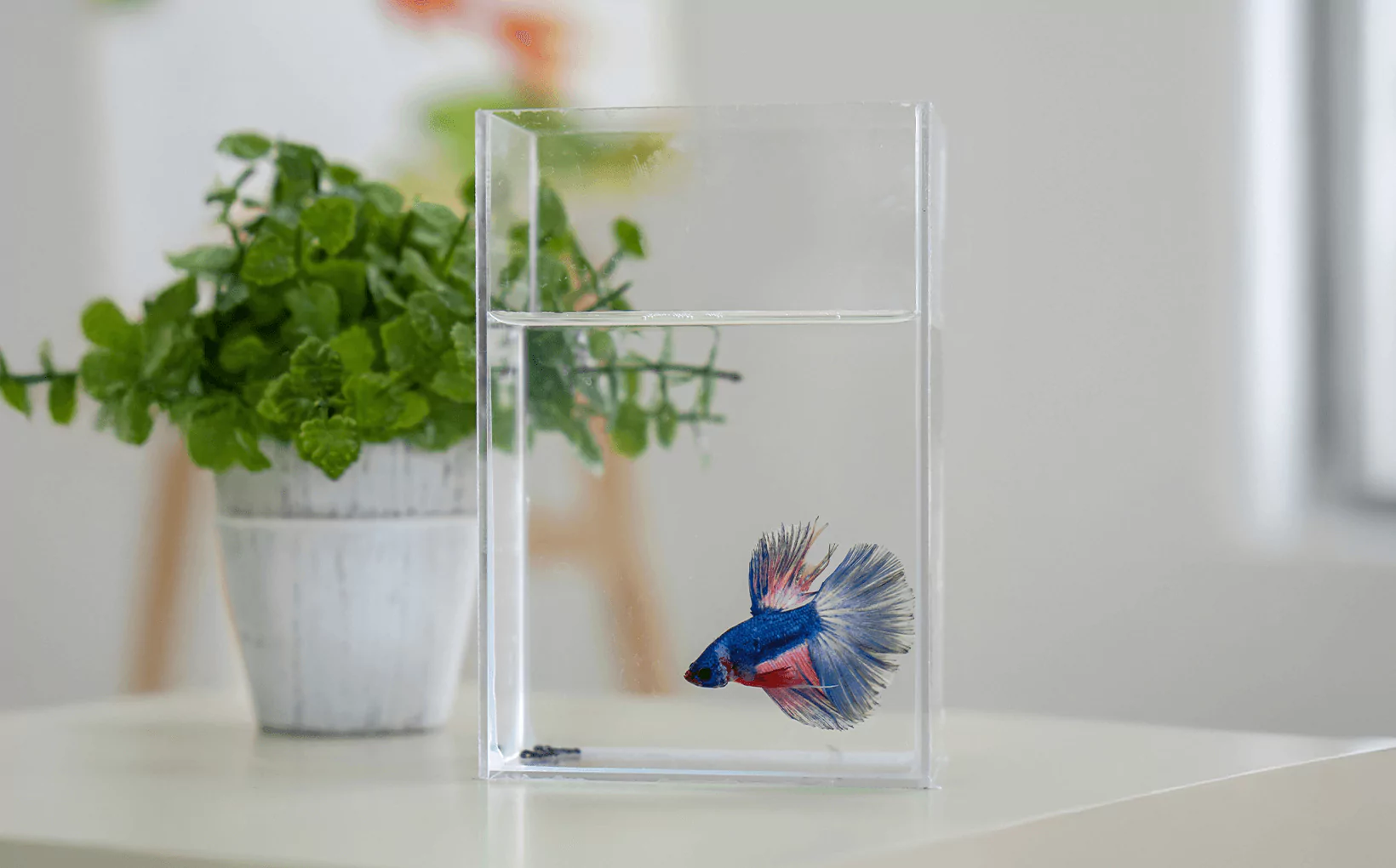
Table of Contents
Plexiglass, also known as acrylic glass or acrylic sheets, comes in a range of thicknesses, from ultra-thin 1/16″ to heavy-duty 2″ or more. But for most practical and consumer-based applications, three thicknesses are the most commonly used:
Let’s explore each in more detail to find out which one fits your specific needs.
1/8-inch plexiglass is the most popular choice for low-stress applications. It’s lightweight, easy to cut, and offers moderate strength.
1/4-inch plexiglass offers greater strength and rigidity than 1/8″, making it suitable for both indoor and outdoor applications.
When durability and security are paramount, 1-inch plexiglass sheets deliver. These are used in heavy-duty industrial or security applications where impact resistance and load support are critical.
| Thickness | Metric (mm) | Weight (lbs/sq.ft) | Best For |
| 1/8″ | 3mm | 0.65 lbs | Frames, signs, covers |
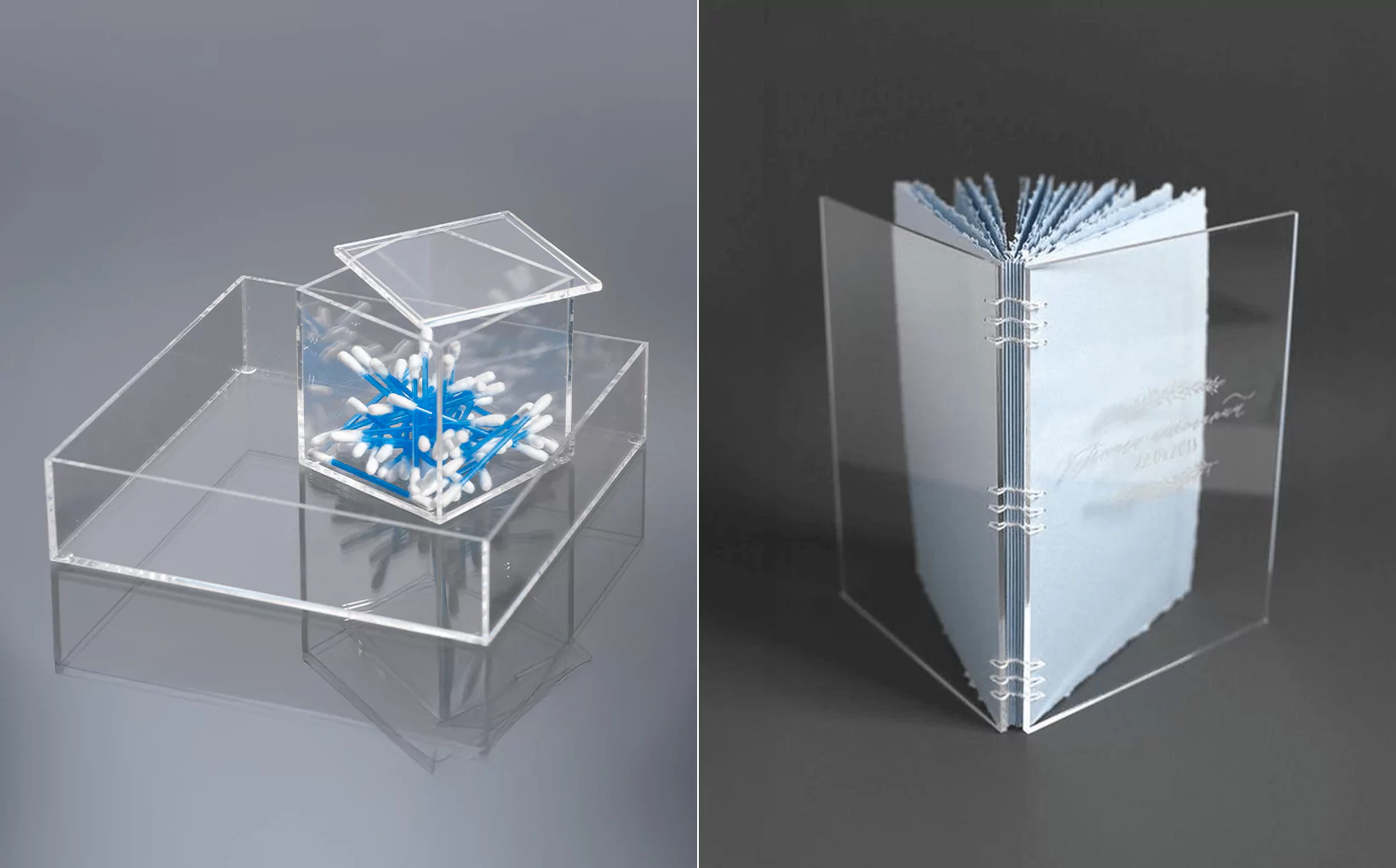
| 1/4″ | 6mm | 1.3 lbs | Windows, barriers, tabletops |
| 1″ | 25mm | 5.2 lbs | Aquariums, safety glazing, display cases |
All weight values are approximate and may vary by manufacturer or material type (cast vs. extruded acrylic).
The larger the panel, the thicker the plexiglass needs to be to prevent bowing or bending. For example:
Different projects demand different levels of strength:
For outdoor use, thicker sheets with UV resistance are ideal. Look for UV-filtering plexiglass if sun exposure is prolonged.
Ensure the supporting frame or hardware can handle the weight and thickness of the plexiglass. Thicker acrylic requires special fasteners and supports.
Use thicker and impact-resistant plexiglass for safety glazing, machinery barriers, or environments prone to vandalism or breakage.
While thickness determines strength, the manufacturing type also affects performance:
Always check if your sheet is cast or extruded before making cuts or installations.
You can find 1/8″, 1/4″, and 1″ plexiglass sheets in:
Always ensure that you select cut-to-size options for custom needs. For large-scale projects or professional applications, ordering directly from a manufacturer ensures better pricing, quality, and variety.
The right plexiglass thickness is not one-size-fits-all, it depends on usage, safety, size, and environmental exposure. If you’re unsure:
Always consider sheet size, framing support, and intended use when deciding what thickness of plexiglass you need.
Whether you are creating home decor, retail displays, or protective barriers, knowing the difference between 1/8″, 1/4″, and 1″ plexiglass can save you time, money, and effort. Explore premium-quality clear, frosted, and colored plexiglass sheets in all standard and custom thicknesses at Fab Glass and Mirror, your trusted source for durable acrylic solutions.
Only for small, non-structural panes. For anything larger than 24″ x 36″, consider at least 1/4″ to prevent bowing.
Yes. Thicker sheets offer better impact resistance and are less likely to crack under stress.
Slightly. While 1/8″ to 1″ plexiglass retains high optical clarity (up to 92% light transmission), thicker versions may appear slightly darker if not polished or cleaned properly.
Yes, but use a plastic-specific drill bit, go slow, and support the sheet to prevent chipping.
Explore all things glass—from stylish table tops and insulated options to tinted and frosted designs. Discover guides on glass railings, custom cut glass, shelves, and stunning backsplash ideas for a modern home or office upgrade.