

My Cart
You have no items in your shopping cart.

When choosing a glass tabletop, thickness is not just a number, it is a vital design and safety decision. The right table top thickness can make the difference between a glass surface that cracks under pressure and one that confidently supports years of use. It affects everything from durability and break resistance to aesthetics and safety, especially in busy or high-load environments.
In addition to function, thickness also plays an aesthetic role. Thicker glass exudes a bold, modern edge, while thinner glass complements minimalist spaces. For shoppers in the consideration phase, this guide will walk you through everything you need to know from standard glass thickness to material types, edge finishes, and how to measure glass thickness, so you can choose the perfect tabletop that fits both your style and your budget.
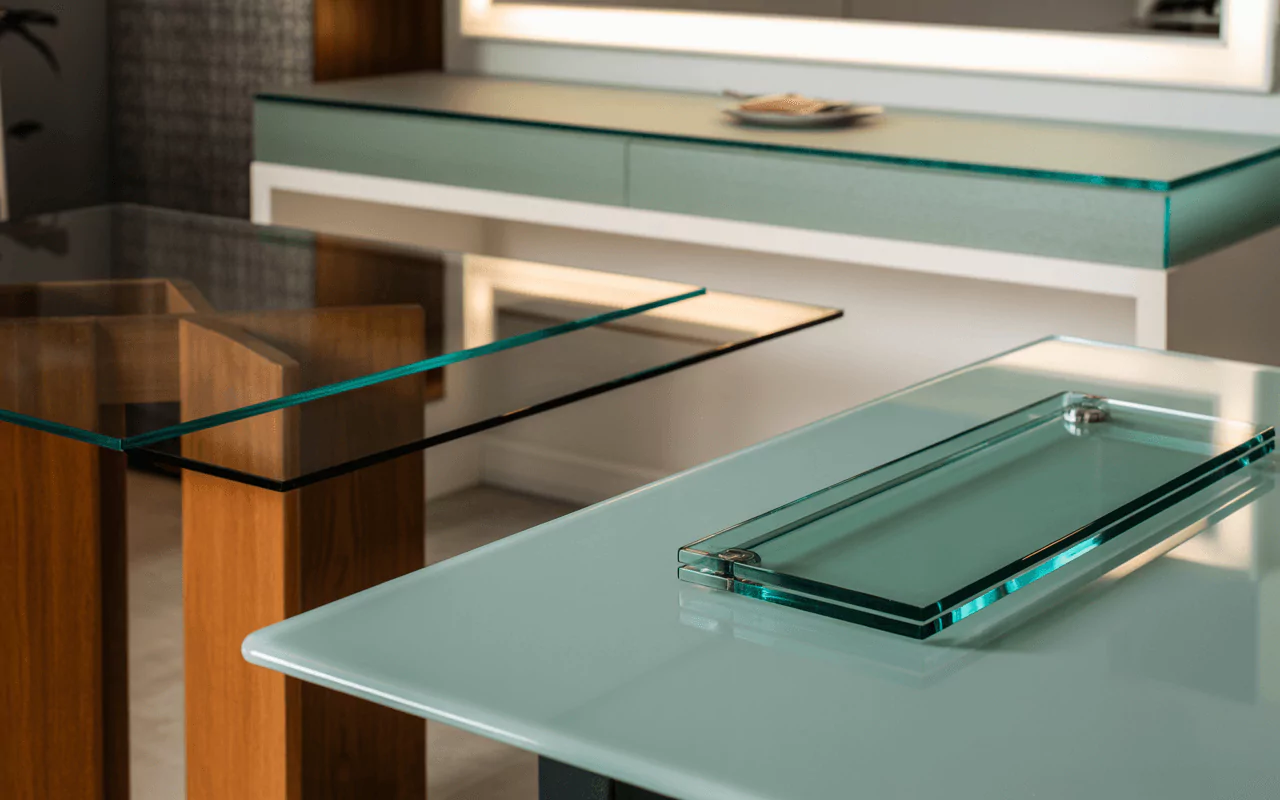
Table of Contents
The type of glass you select will directly influence the appropriate thickness for your tabletop. Let’s explore the most commonly used options.
Tempered glass is heat-treated to be several times stronger than standard annealed glass. It is engineered to shatter into blunt, granular pieces rather than sharp shards, making it much safer in case of accidental breakage. That is why tempered glass thickness is often preferred for dining tables, coffee tables, and outdoor furniture.
Annealed glass, on the other hand, is traditional float glass that breaks into sharp, hazardous fragments. While it is cheaper, it is not recommended for high-traffic or load-bearing applications without proper support or lamination.
For added safety and sound insulation, laminated glass is an excellent option. This type of glass sandwiches a flexible PVB (polyvinyl butyral) or EVA (ethylene vinyl acetate) interlayer between two glass sheets. The result? Even when shattered, the interlayer holds the pieces in place, preventing injury and deterring break-ins.
Laminated glass thickness usually requires slightly more consideration because it involves multiple layers. It is ideal for tabletops in homes with kids, commercial settings, or areas exposed to sunlight and noise.
These styles don’t just impact aesthetics, they can affect how thick the glass appears and how it interacts with surrounding lighting and colors.
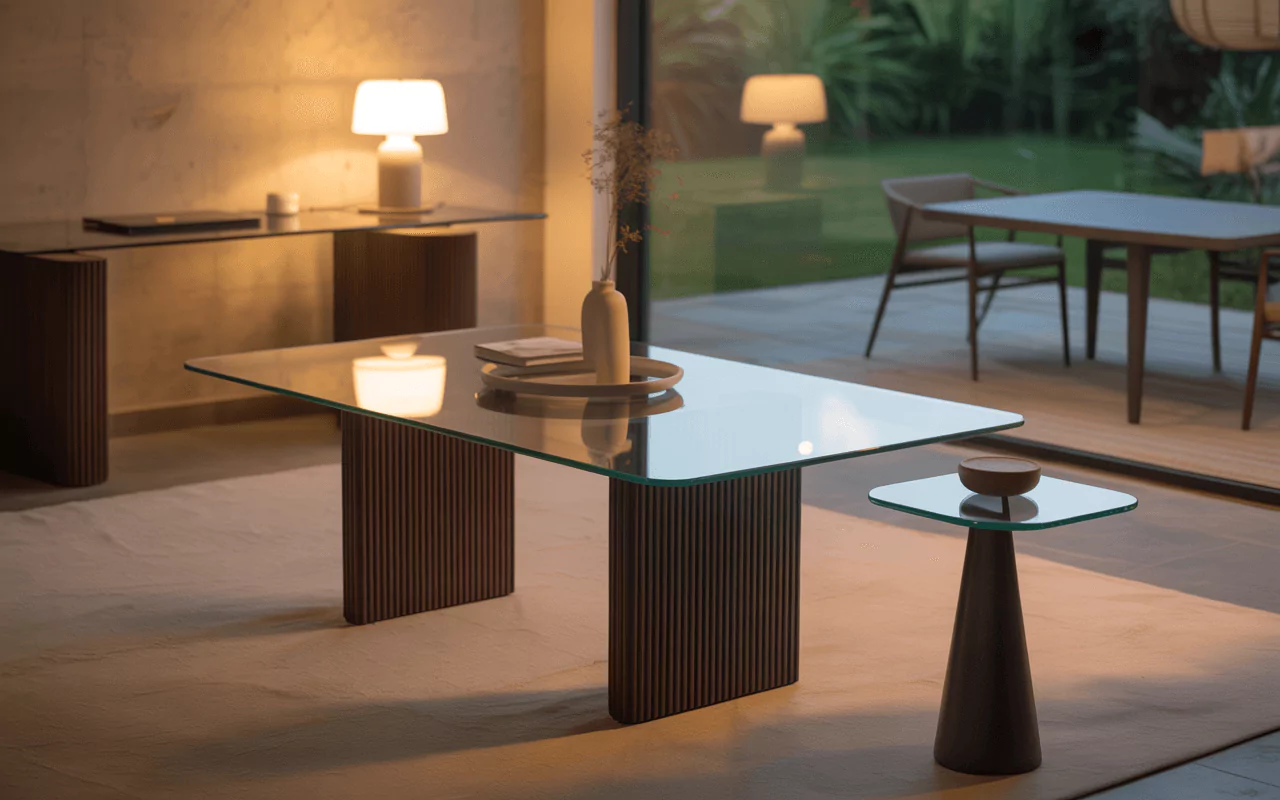
Choosing the right glass thickness for table top is not a one-size-fits-all task. The right choice depends on a combination of structural and stylistic factors.
Large tables or those used daily like conference tables, dining tables, or desks need a more robust glass surface. Smaller occasional tables, such as side tables or decorative pieces, can work with thinner glass.
A larger surface area naturally has more stress and span to support, making thicker glass more suitable.
Is your table fully framed or does it rest on a pedestal? Support matters.
For areas with high usage (like kitchen tables or retail countertops), you will need to account for constant pressure, impacts, and loads.
Tables holding electronics, heavy décor, or multiple place settings should be designed with extra-thick or tempered glass.
Your style preferences also come into play:
Outdoor glass tables must withstand more than just people, sunlight, moisture, and temperature changes demand tempered or laminated glass with added thickness.
Tempered glass not only resists weather-related stress but also ensures safety in case of accidents during wind or storms.
One of the most practical ways to guide your purchase is through a glass thickness chart that matches application type with recommended glass thickness.
| Application Type | Recommended Thickness |
| Table top covers / Light-use tables | 3/16″ (5 mm) |
| Wood protection / Small tables | 1/4″ (6 mm) |
| Dining tables / Desks / Medium tables | 5/16″–3/8″ (8–10 mm) |
| Large dining / Conference tables | 1/2″ (12 mm) |
| Statement pieces / Heavy-duty uses | 3/4″ (19 mm) and above |
Each thickness comes with specific use-cases:
Always consider the base strength, table span, and type of use when finalizing the appropriate thickness.

Once you have selected the right glass thickness, the next critical consideration is how the edges and corners are finished. These not only influence aesthetics but also impact safety and usability, especially in high-traffic environments.
Corners can make or break both the safety and style of your table.
Whether you are working with 1/4″ or 1/2″ tempered glass, choosing the right edge and corner combination enhances both the design and functionality of your tabletop.
Not Sure Which Glass Style or Edge Finish Looks Best?
Explore custom-cut glass with polished edges, rounded corners, and tints that match your décor perfectly.
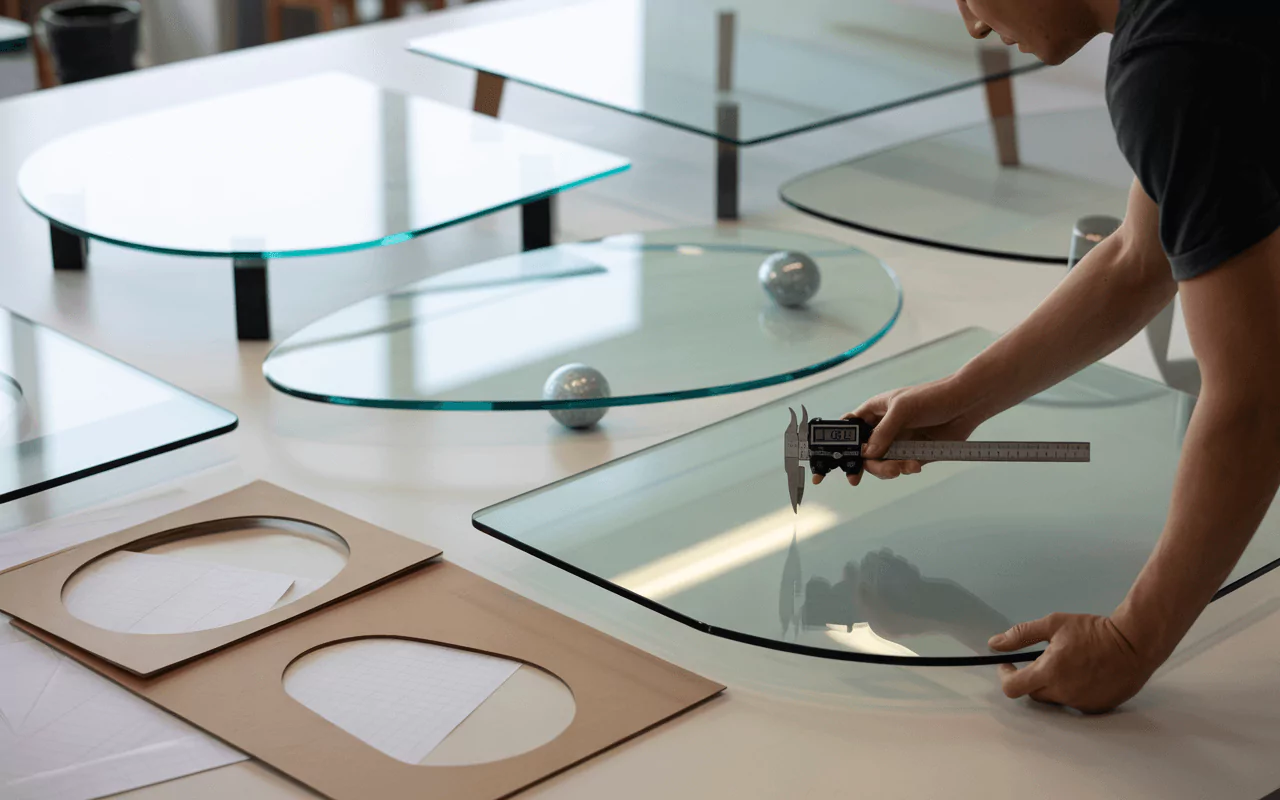
The shape of your glass tabletop is not just about fitting your furniture, it is a reflection of your style, function, and space optimization. Customization also allows better compatibility with your existing furniture or design theme.
For the best fit and performance, precise measurement is non-negotiable. Here is how to measure glass thickness and tabletop size effectively:
Not Sure How to Measure the Glass for Table Top?
Our experts compiled tips and steps on how to measure the glass table top. For better understanding, read on to learn more.
How to Measure the Glass for Table Top
Customization ensures your table is not only stylish but functional and safe, especially when laminated glass thickness or added weight calls for precision-engineered support.
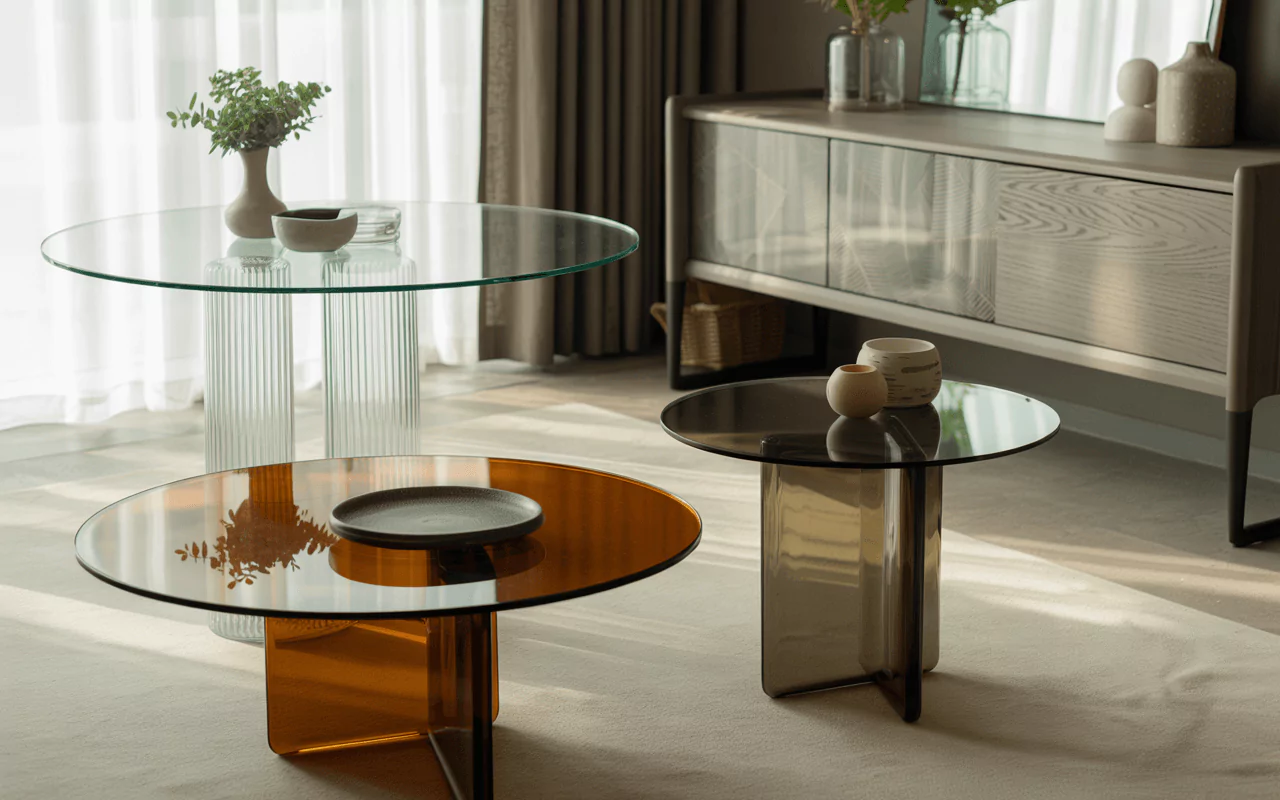
Glass tint and texture go beyond style, they influence UV resistance, light diffusion, and even the apparent thickness of glass.
Use these enhancements strategically to create tables that match both your functional needs and design vision.
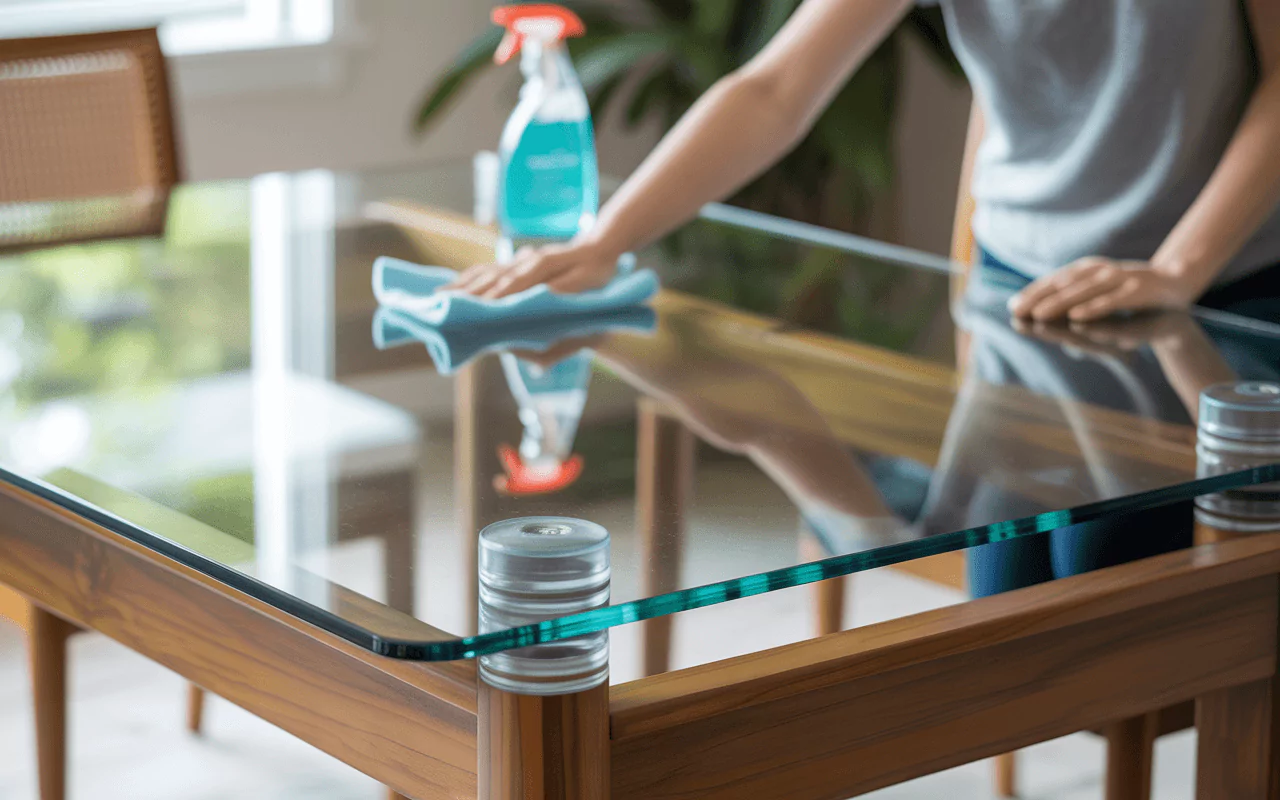
Even the best glass selection can fail if it is not installed properly. Use the following guidelines to ensure your glass tabletop remains safe, level, and in top condition.
Proper care and setup not only extend the life of the glass but also uphold the aesthetic and safety value you invested in.
As with most design choices, your glass tabletop should balance form, function, and cost. Here is how to assess pricing variables.
Choosing the right glass thickness for table top doesn’t have to be expensive, it just needs to be informed.
Ready to Order a Tabletop That Fits Perfectly?
Order your custom-cut glass tabletop with the ideal thickness, finish, and fast delivery, all from one trusted source.
Order Your Custom Cut Glass Table Top
Glass tabletops bring elegance, durability, and modern appeal to any space, but it is the right table top thickness that ensures they perform as beautifully as they look. From standard glass thickness options to custom cuts, edge styles, and tints, this guide empowers you to make confident, informed decisions.Whether you need something minimal or a heavy-duty showpiece, Fab Glass and Mirror is here to help. We offer custom cut glass solutions with fast delivery, precision edge finishing, and expert guidance at every step.
For most dining tables, 5/16″ to 3/8″ (8–10 mm) tempered glass offers the perfect balance of strength, safety, and style.
Large or oversized tables typically require 1/2″ (12 mm) to 3/4″ (19 mm) thick glass, especially if the support base is minimal or the surface sees heavy use.
Tempered glass is the safest choice due to its strength and break-safe shatter pattern. Laminated glass is also safe, as it holds together even when cracked.
Use a digital caliper to get an accurate thickness in millimeters or inches. Standard tabletop thicknesses range from 1/4″ (6 mm) to 3/4″ (19 mm).
Yes, generally. Thicker glass improves durability and load-bearing capacity, but the best thickness depends on table size, support, and use case.
Explore all things glass—from stylish table tops and insulated options to tinted and frosted designs. Discover guides on glass railings, custom cut glass, shelves, and stunning backsplash ideas for a modern home or office upgrade.