
My Cart
You have no items in your shopping cart.
From home shower doors and tabletops to skyscraper facades and commercial partitions, tempered glass design offers a perfect balance of strength, elegance, and utility. serving as the foundation for high-end custom glass solutions. But not all tempered glass is created equal.
At Fab Glass and Mirror, we understand how the right type of tempered glass can transform both residential and commercial spaces. Before buying tempered glass for a specific project, it’s vital to know whether you need a clear, tinted, or frosted finish for the best result. This guide breaks down these most common options. Whether you are planning a residential renovation or managing a large commercial build, understanding these variations can help you make smarter, safer, and more stylish decisions.
This guide is created to assist buyers, answer early-stage questions, and provide the foundational knowledge needed to confidently explore, compare, and select custom tempered glass solutions
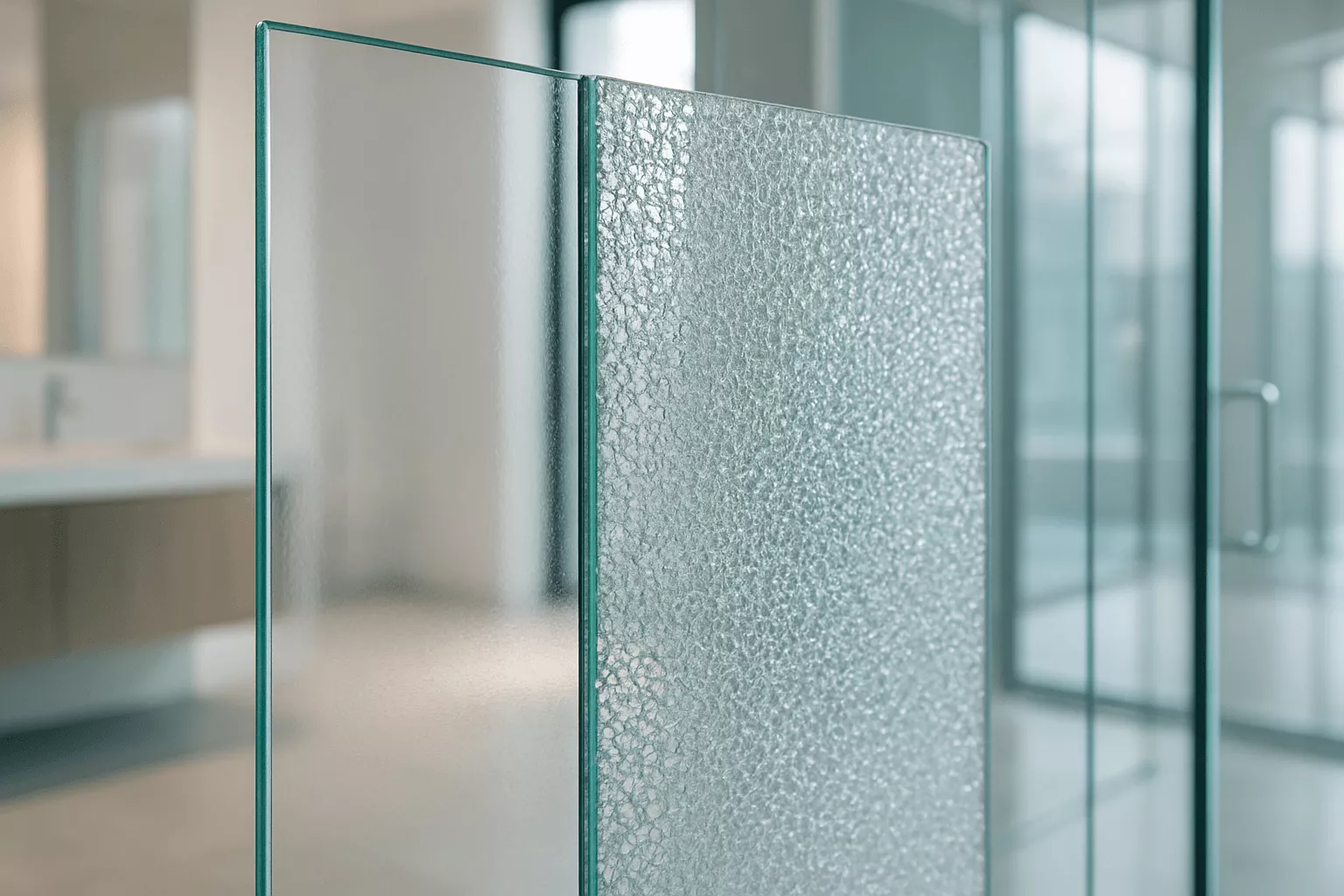
Table of Contents
The term safety glass refers to any glass designed to minimize injury if broken. Tempered glass earns this title because:
Tempered glass is often legally required in public spaces, wet areas like bathrooms, and areas prone to human impact.
Below is a detailed breakdown of 12 common types of tempered glass;
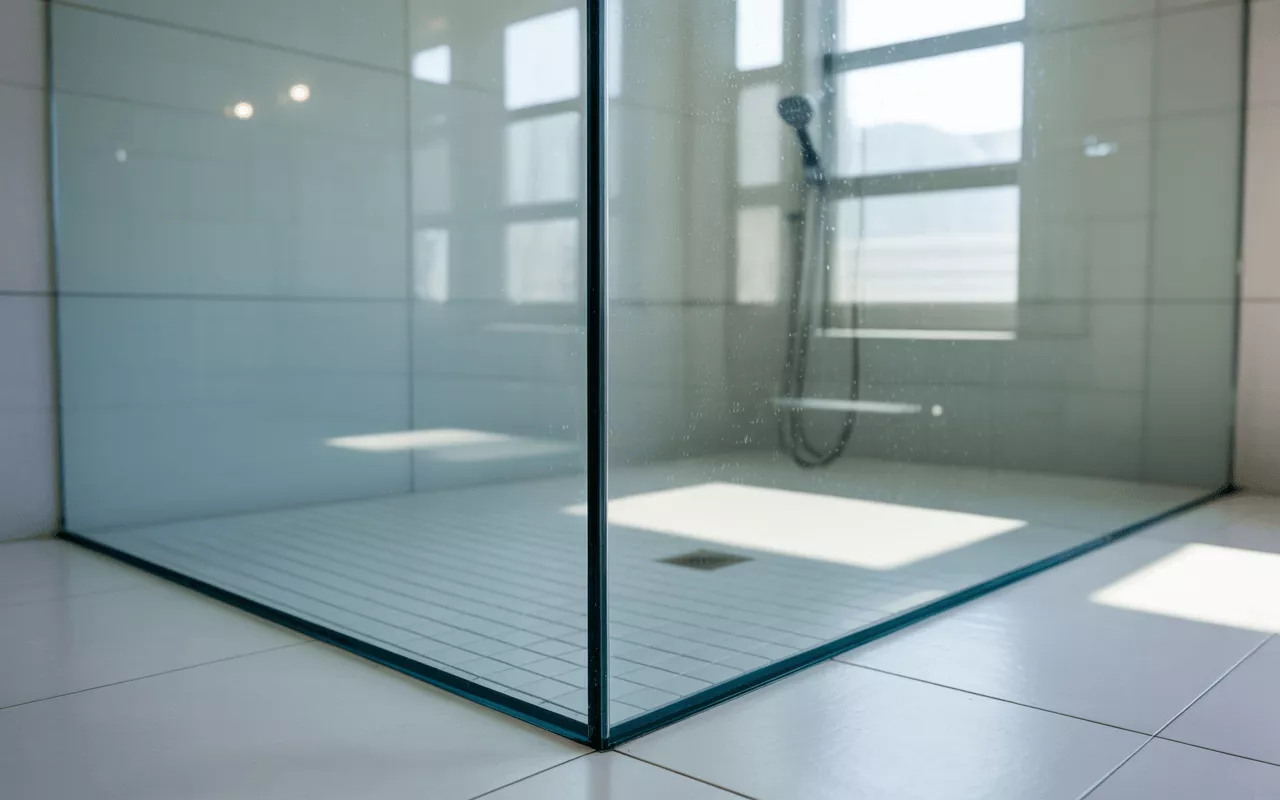
Clear tempered glass is the most widely used and versatile option in both residential and commercial applications. It undergoes a thermal tempering process that increases its strength while maintaining maximum transparency.
With no tints or distortions, clear tempered glass provides a clean and modern appearance, allowing uninterrupted visibility and natural light flow. It is an ideal solution for spaces where safety, visibility, and aesthetics are all priorities.
This type of tempered glass seamlessly integrates with any architectural style or interior theme.
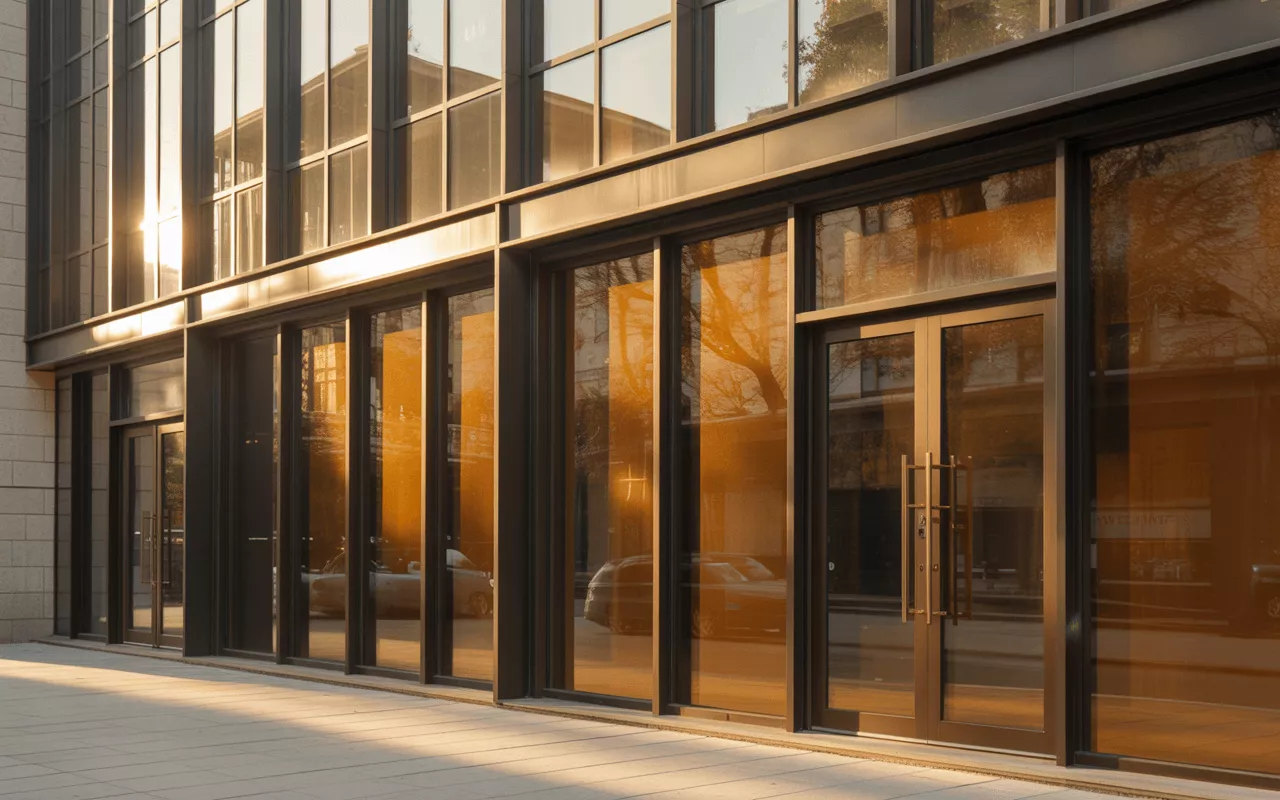
Bronze-tinted tempered glass offers a unique combination of visual warmth, solar control, and safety. Its rich, brownish hue gives it a distinctive look that complements both traditional and modern architectural designs.
The tint helps in reducing glare and heat gain, making it suitable for environments exposed to direct sunlight. Apart from its practical benefits, bronze tempered glass adds a touch of sophistication and elegance to any space. The color remains consistent over time and does not peel or fade like applied films.
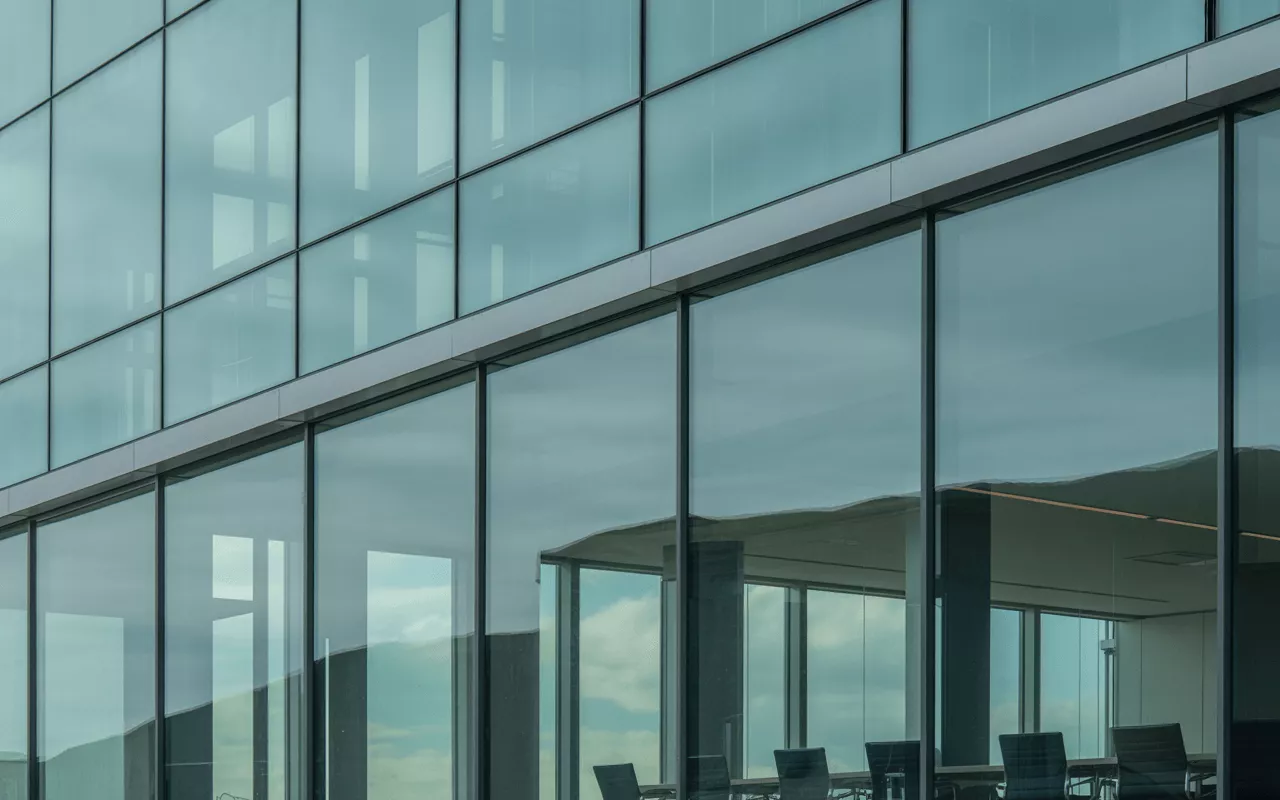
Grey-tinted tempered glass is a refined choice for those who want subtle sophistication with functional benefits. The neutral grey tint minimizes harsh sunlight, reduces UV exposure, and adds a moderate level of privacy without completely obscuring visibility.
Often used in contemporary architecture, this glass type provides an elegant contrast to bright interiors or exteriors.
Grey glass also contributes to energy efficiency by filtering solar heat, making it a practical choice for sunlit areas. Its versatility makes it popular in both decorative and structural applications.
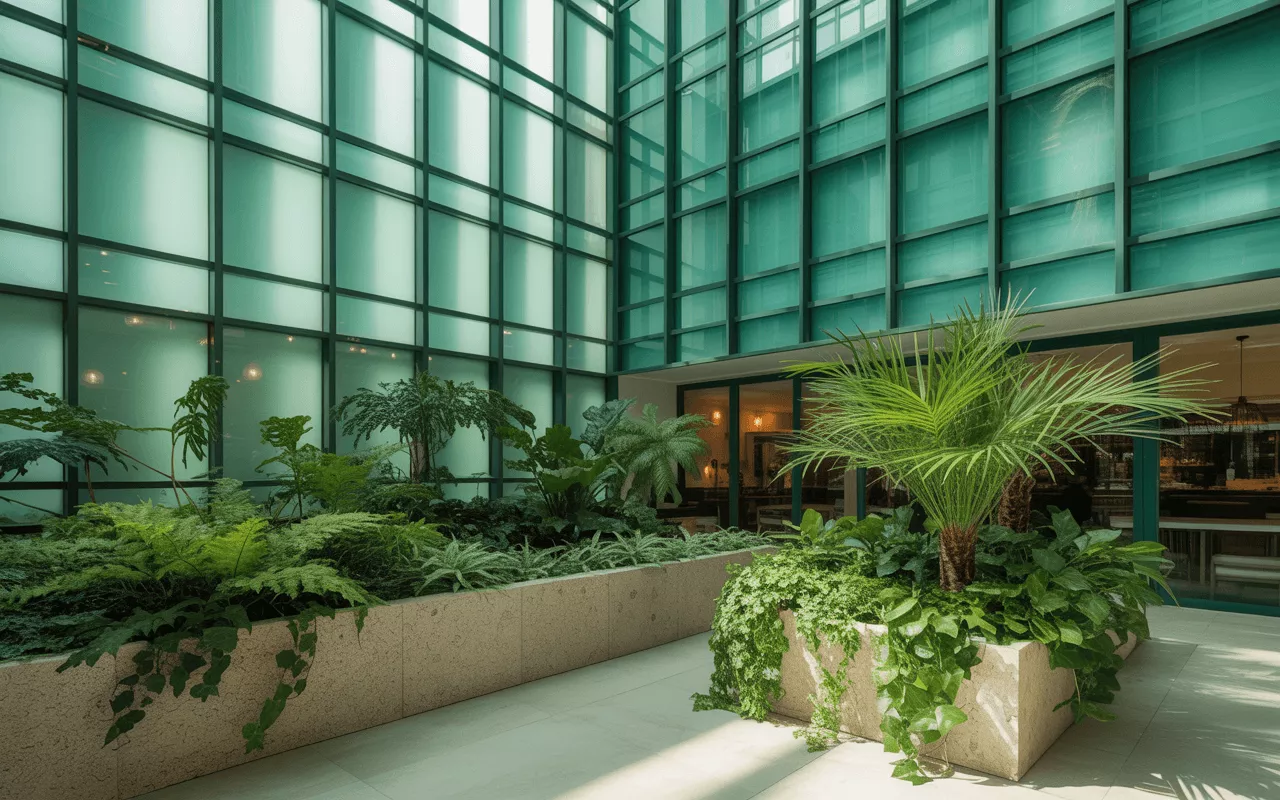
Green-tinted tempered glass combines aesthetic appeal with environmental efficiency. Its light green hue enhances the appearance of glass installations while helping to minimize solar radiation and glare.
This type of tempered glass is known for its ability to reduce heat absorption, making it an energy-conscious choice for eco-friendly designs. The tint harmonizes beautifully with natural surroundings, especially in sunrooms, atriums, and gardens. It retains the safety and strength of standard tempered glass while providing a cool and calming visual experience.

Greylite II is a high-performance tinted tempered glass designed to offer exceptional solar control while maintaining visual comfort.
Unlike standard grey-tinted glass, Greylite II has a deeper, more controlled tint that enhances glare reduction and limits solar heat gain significantly. It’s particularly effective in hot climates and large buildings where thermal efficiency is a top priority.
Its subdued, modern appearance also complements a variety of exterior finishes. As with all tempered glass types, it provides the necessary safety performance for high-traffic or high-risk zones.
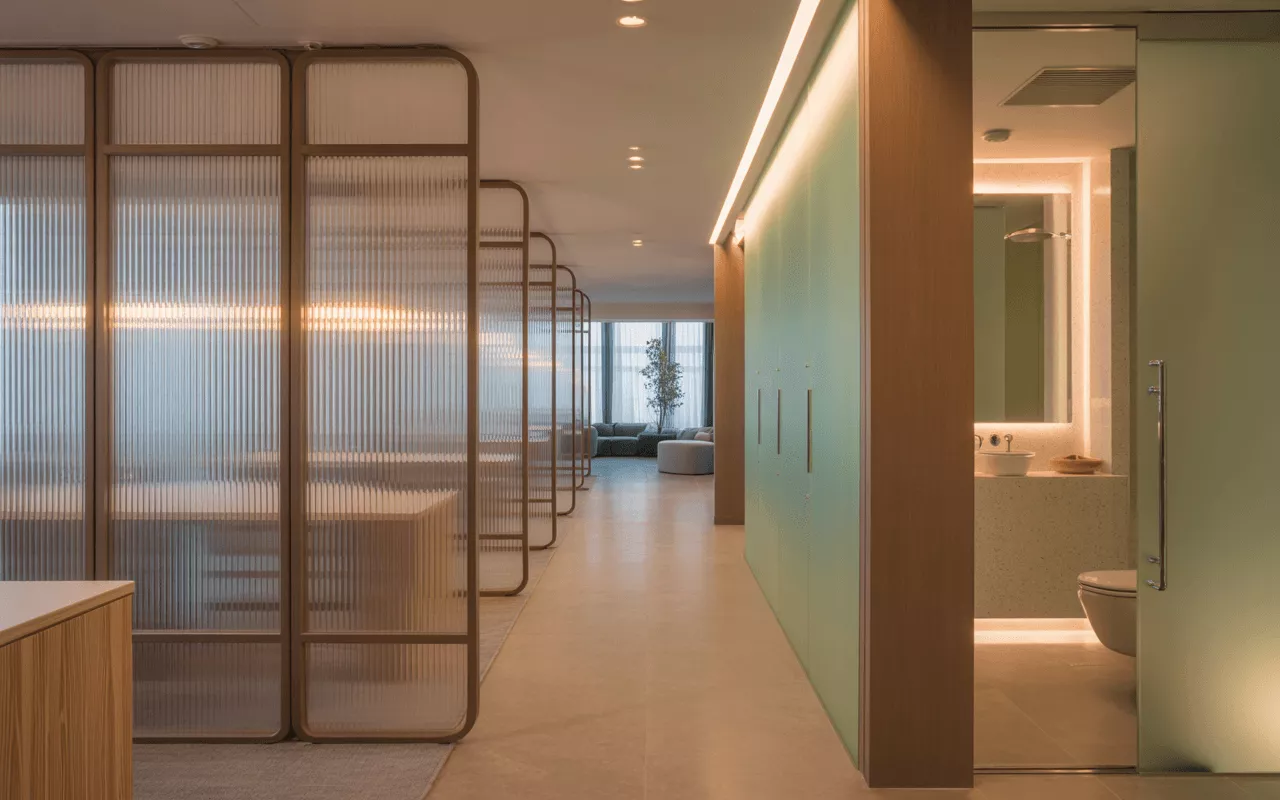
Spraylite tempered glass is a specially treated glass that offers a semi-opaque or diffused surface to enhance privacy while still allowing light to pass through. The name comes from its frosted appearance, which looks as if the surface has been gently sprayed or misted. It is particularly valued in commercial and healthcare settings where visual separation is needed without compromising illumination.
Spraylite maintains the durability and safety properties of standard tempered glass and is frequently chosen for its clean, minimal, and soft aesthetic appeal.
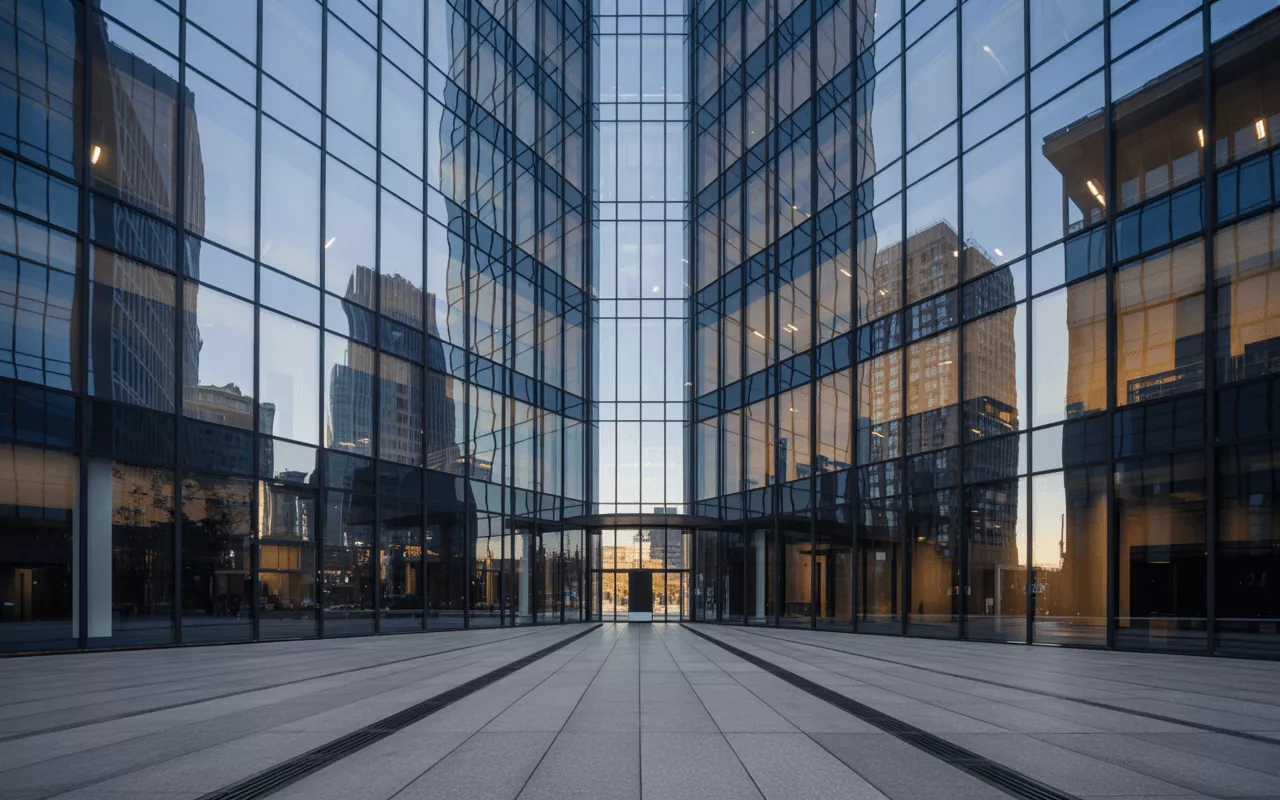
Super Grey tempered glass is a deeper, darker alternative to standard grey-tinted glass, offering enhanced privacy and solar control. Its bold tint delivers a dramatic and modern visual effect, ideal for high-end architectural applications.
This glass is popular in spaces that require superior light filtering and glare reduction without sacrificing aesthetic impact. Super Grey tempered glass also reduces interior fading caused by UV exposure.
Like all tempered glass types, it combines visual style with the strength and safety benefits required in both interior and exterior installations.
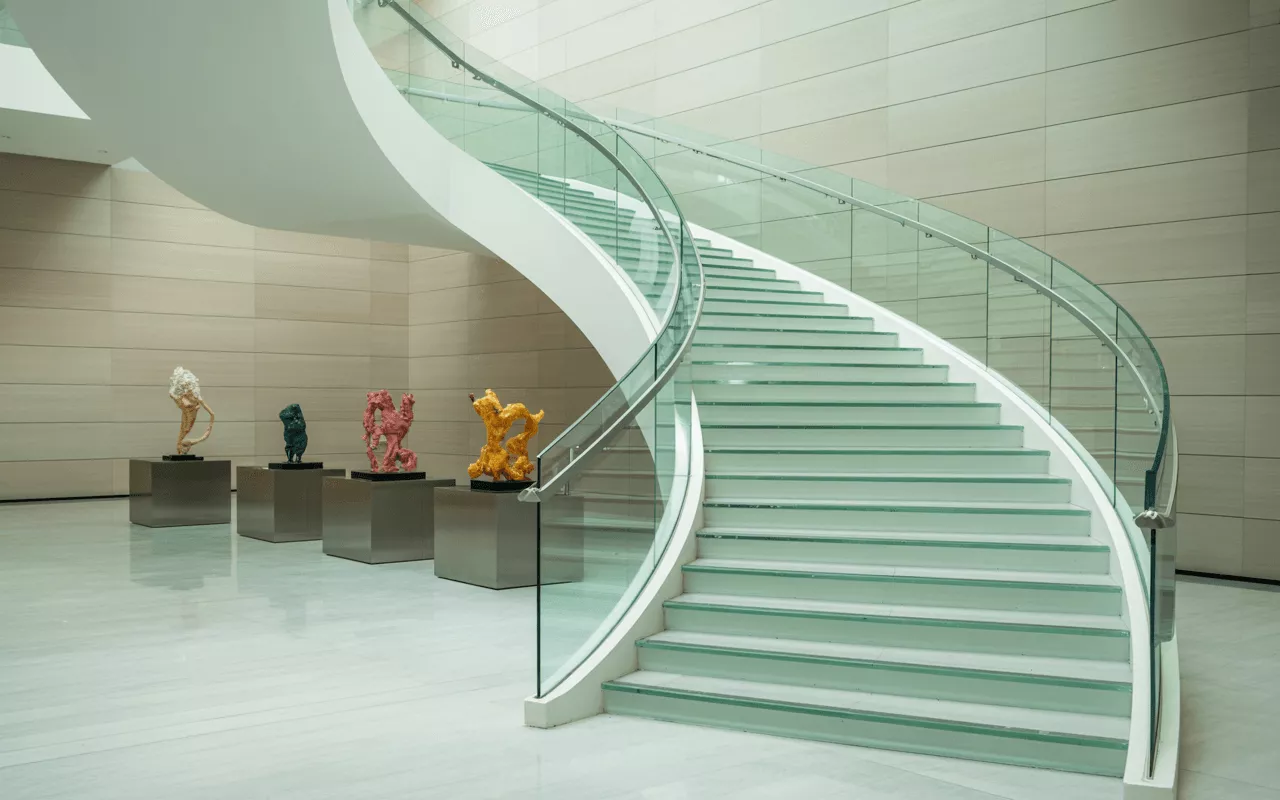
Low iron tempered glass is manufactured using raw materials that are extremely low in iron content, which eliminates the natural greenish tint found in standard clear glass. The result is an ultra-clear, high-clarity glass that allows for true color transmission and an almost crystal-like appearance.
This type of glass is highly favored in luxury projects where color accuracy and transparency are essential. Despite its refined appearance, it retains the full safety and strength characteristics of tempered glass, making it suitable for demanding installations.

Mirrorpane tempered glass is a reflective glass type with a specialized coating that creates a mirror-like finish on one side while remaining transparent from the other. This creates a one-way viewing effect, allowing those inside to see out, while preventing outsiders from seeing in during daylight. It is often used in privacy-sensitive environments and security-focused installations.
The tint adds a contemporary style while enhancing solar performance. As a tempered option, Mirrorpane glass is resistant to thermal stress and impact, ensuring both safety and functionality.
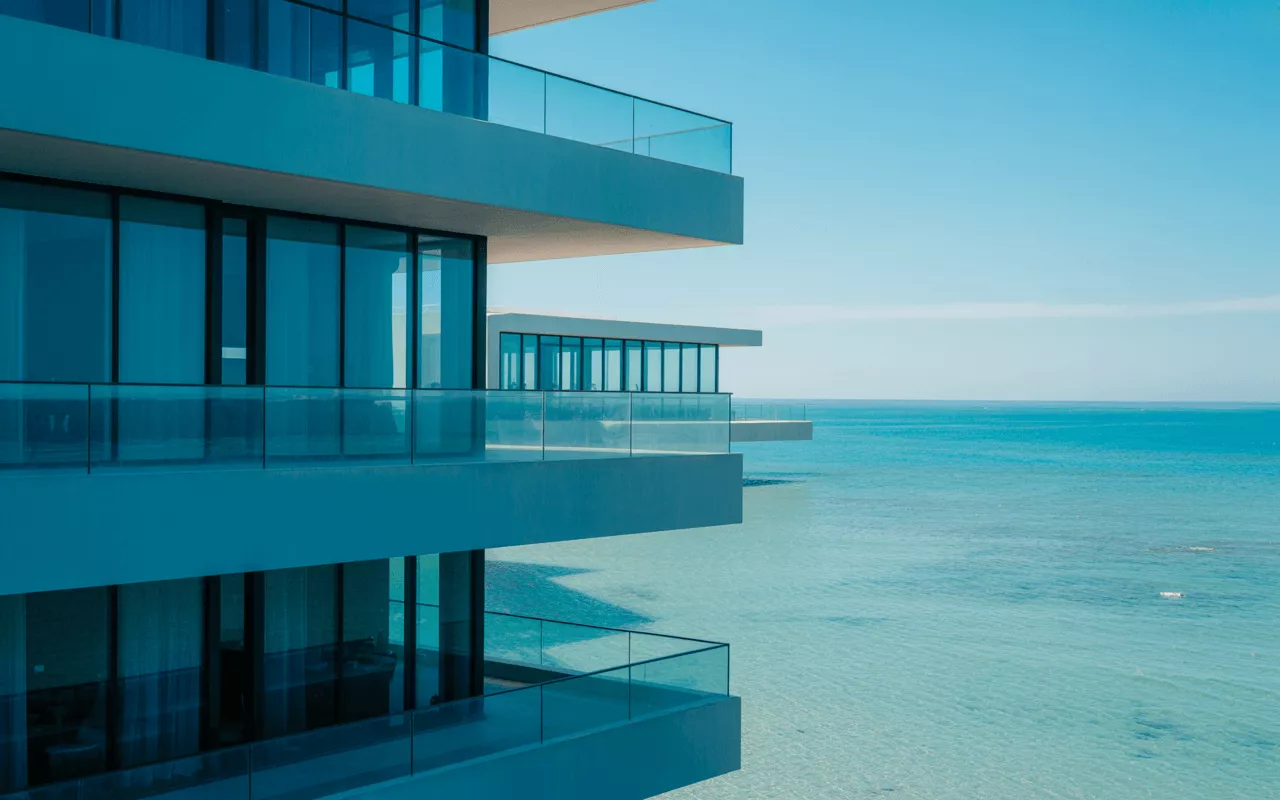
Blue-tinted tempered glass provides a unique aesthetic with a cool, calming visual tone. This type of glass is often selected for modern and minimalist designs where a splash of subtle color is desired. The blue tint not only adds a stylish edge but also helps reduce glare and UV rays, enhancing comfort in sun-exposed areas.
Blue tempered glass is favored in architectural settings for its visual impact and functionality. It delivers the same safety advantages as all tempered glass types, including heat resistance and break-safety.
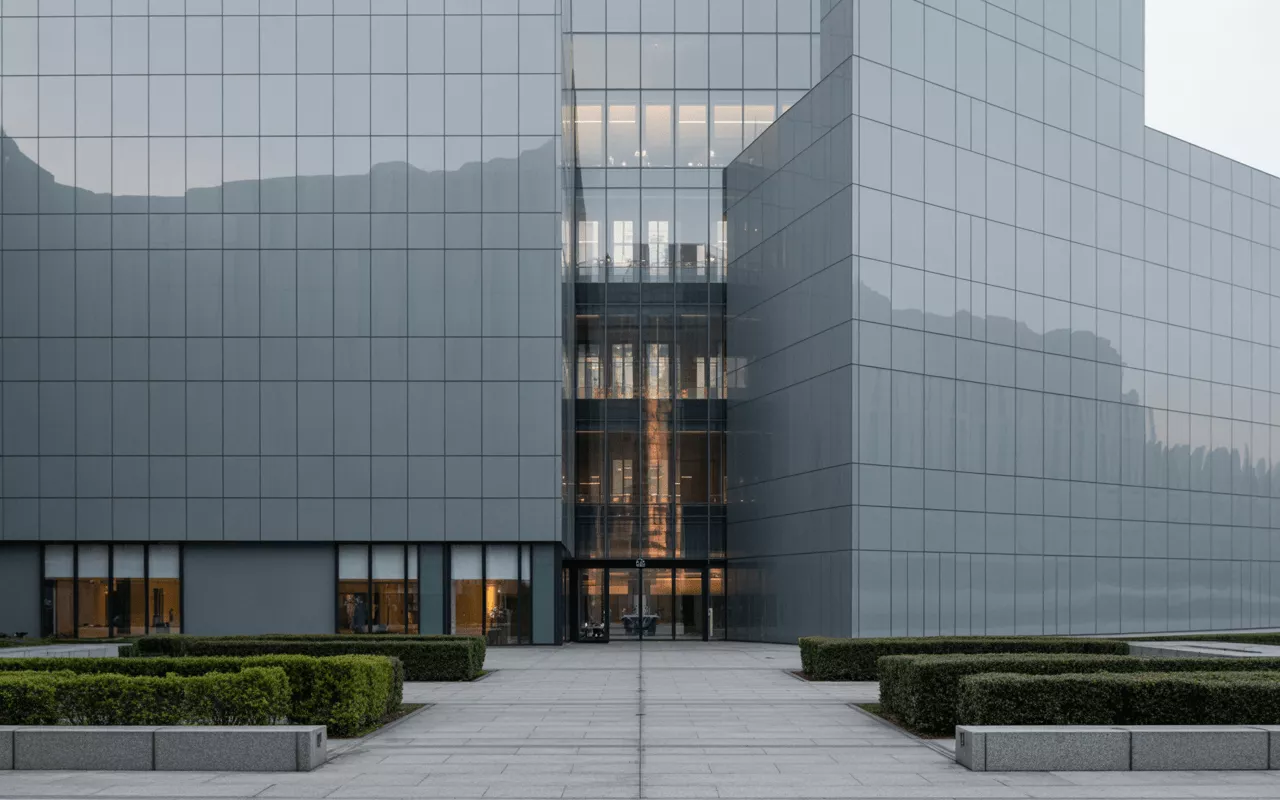
ECL Tint Grey glass is a premium grey-toned tempered glass engineered to offer high-end performance and energy efficiency. ECL stands for enhanced control layer, indicating its ability to filter light more effectively than standard tinted glass.
The glass provides excellent heat insulation, helping regulate indoor temperatures while maintaining a sleek and uniform exterior appearance.
Its subtle yet rich grey tone offers a modern look ideal for curtain walls and designer facades. It is a superior option for projects where performance and aesthetics go hand in hand.
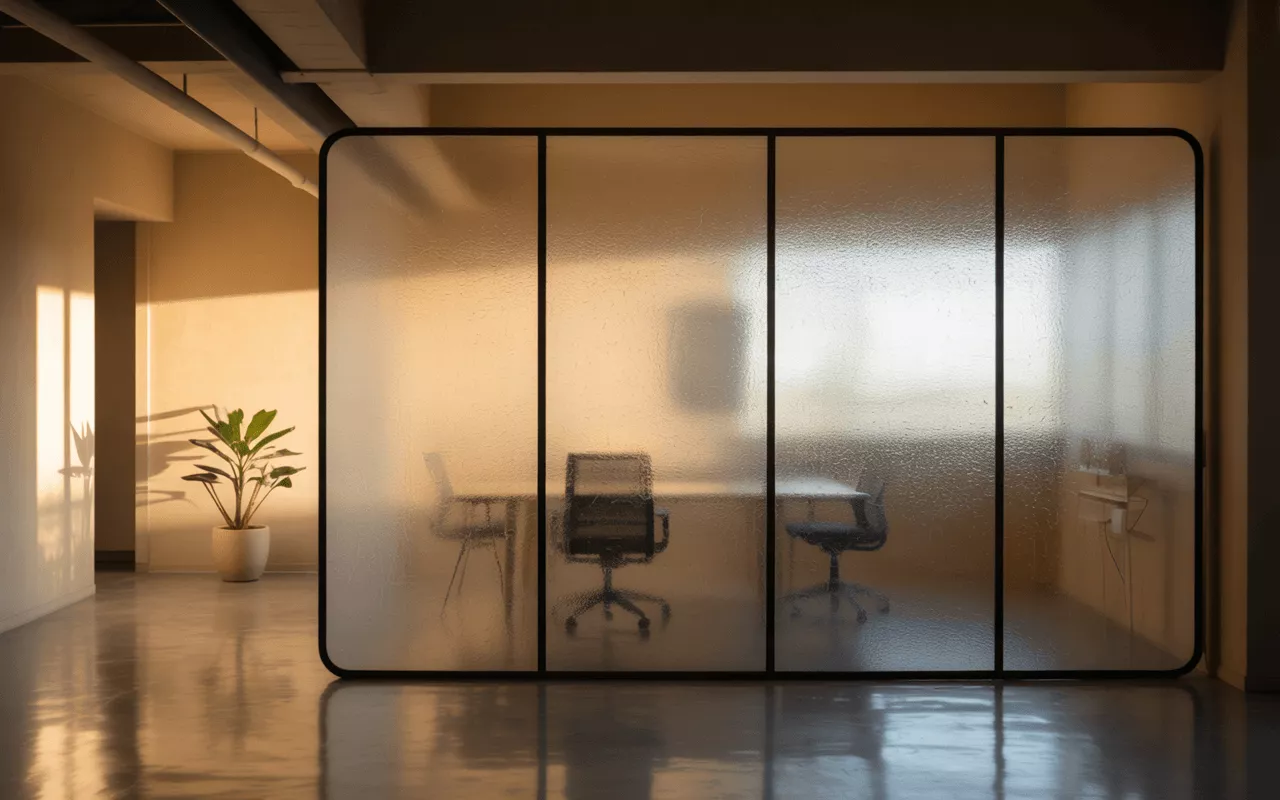
Frosted tempered glass, also known as acid-etched glass, is chemically treated to achieve a smooth, satin-like finish that diffuses light and obscures visibility.
This glass is ideal for applications requiring privacy without complete opacity. Unlike sandblasted glass, acid-etched surfaces are more consistent and easier to clean. It brings a soft, elegant appearance to interiors and is frequently used in contemporary and minimalist designs.
Frosted tempered glass delivers both safety and privacy, making it a preferred choice for designers and architects across commercial and residential settings.

While both serve similar structural and safety functions, tempered glass sheets are typically raw, flat panels without pre-drilled holes or fittings, ideal for custom cutting and further processing. In contrast, tempered glass panels often come pre-fabricated to size with hardware compatibility and are ready for installation in doors, balustrades, or railings. Understanding this distinction can guide you when selecting the right product for your project or requesting custom tempered glass cut to size.
Custom cut tempered glass allows buyers to specify exact dimensions, shapes, and edge finishes based on unique installation needs. Whether you need round glass for a coffee table, a trapezoid for an angled wall, or notched corners for clamps, custom tempered glass panels are the answer. Availability varies by style; for instance, certain decorative finishes are only available in a standard tempered glass thickness
These tempered glass sheets are engineered and cut before tempering to ensure safety and accuracy.
Tempered glass isn’t just one product; it is a category of high-performance, safety-focused solutions available in a wide range of tints, finishes, and levels of transparency. Understanding the various tempered glass types can help you select the right material for your application—be it security, privacy, energy efficiency, or style.
Regardless of the color or finish you choose, it is essential to know how to identify tempered glass upon delivery to ensure you haven’t received standard annealed glass by mistake. Whether you are a homeowner exploring custom tempered glass panels or a contractor sourcing bulk tempered glass sheets, knowing what is available will help you make smarter choices that combine safety, design, and long-term value
All tempered glass types offer enhanced strength, but some tinted and coated versions may offer better UV or heat resistance. Structurally, all are designed to meet the same safety thresholds.
No. Tempered glass cannot be cut after it has been treated. You must order your glass in the required size and shape beforehand.
It can be. Frosted glass is a surface treatment and can be combined with the tempering process for added strength and safety.
Tempered glass is a type of safety glass. Safety glass also includes laminated glass, which holds together when shattered.
Reputable glass manufacturers and suppliers like Fab Glass and Mirror offer tempered glass cut to size with shipping and customization options.

Explore all things glass—from stylish table tops and insulated options to tinted and frosted designs. Discover guides on glass railings, custom cut glass, shelves, and stunning backsplash ideas for a modern home or office upgrade.