
My Cart
You have no items in your shopping cart.

In a world where safety, comfort, energy efficiency, and aesthetic flexibility are critical design priorities, laminated glass has become a go-to material across residential, commercial, automotive, and high-security applications.
Made by bonding two or more layers of glass with a durable interlayer, usually polyvinyl butyral (PVB) or ionoplast (SGP), laminated glass remains intact even when broken. This prevents dangerous shards from scattering, significantly enhancing safety. Wondering how laminated glass provide safety? Its innovative design delivers a wide range of benefits beyond just safety. From impact resistance to sound insulation, UV protection, and energy efficiency, laminated glass panels provide long-term value and protection. But laminated glass isn’t just about safety, it also offers impact resistance, sound insulation, UV protection, and energy savings, making it a multi-functional, high-performance solution.
Let’s dive into the key advantages of laminated glass, explore its top applications, and understand why it’s a smarter and safer choice for modern living.
Table of Contents
Laminated glass dramatically improves safety by holding glass fragments together upon impact, which significantly reduces the risk of injury.
Regular glass breaks into sharp, flying shards. In contrast, laminated glass retains broken pieces on the interlayer, preventing hazardous scattering and reducing the chances of cuts and injuries.
In events like falls, accidents, or impacts, laminated glass remains in place even if cracked. The interlayer absorbs energy, maintaining a barrier against wind, rain, and intruders until it can be replaced.
In hurricane-prone regions or earthquake zones, laminated glass protects occupants from flying debris and collapsing windows, helping meet safety building codes such as ASTM E1886/E1996 or Miami-Dade County standards.
Beyond passive safety, laminated glass offers active protection against break-ins, vandalism, and forced entry.
Due to its layered structure, laminated glass is harder to breach than standard or even, tempered glass. It withstands multiple strikes from crowbars, bats, or hammers, slowing down intruders and activating alarms.
In high-traffic or vulnerable areas like storefronts, ATMs, and bus stops, laminated glass resists etching, scratching, and graffiti. It can also include anti-graffiti films for easy cleaning.
Laminated glass can be customized with bullet-resistant, blast-resistant, or privacy tints and films, making it ideal for banks, embassies, and VIP facilities where visibility and protection must be balanced.
Noise pollution is more than a nuisance, it affects health, sleep, and productivity. Laminated glass helps reduce this burden.
The PVB or acoustic interlayer between glass panes absorbs sound vibrations, significantly reducing external noise from highways, airports, or busy city centers.
Laminated acoustic glass is perfect for homes, offices, hotels, schools, and recording studios where sound clarity or silence is essential.
It also prevents sound leakage between rooms, maintaining confidentiality in meeting rooms, hospitals, and executive offices.
Laminated glass offers built-in UV filtering, preventing damage caused by sunlight exposure.
Laminated glass can block up to 99% of ultraviolet (UV) radiation, reducing health risks and protecting skin, eyes, and indoor air quality.
Prolonged UV exposure fades furniture, rugs, art, wood floors, and fabrics. Laminated glass slows discoloration, keeping interiors vibrant and like-new.
It’s widely used in art galleries, museums, and retail stores to protect artworks, displays, and valuable merchandise from irreversible fading.
Laminated glass contributes to energy conservation and lower utility bills.
It acts as a thermal barrier, keeping interiors cooler in summer and warmer in winter. This reduces the workload on HVAC systems.
Available with low-E (low-emissivity) coatings or solar control films, laminated glass helps reduce glare and solar heat gain, making spaces more energy-efficient and comfortable.
Laminated glass isn’t just functional; it’s an architect’s and designer’s dream.
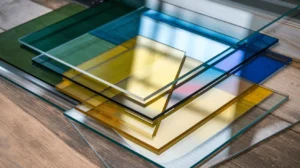
Available in frosted, etched, patterned, colored, mirrored, reflective, and gradient tints, laminated glass is perfect for interior partitions, railings, facades, doors, and canopies.
Custom interlayers allow you to add logos, artwork, or textured layers, supporting brand identity and creative expression in commercial or public spaces.
Laminated glass is designed for long service life and minimal maintenance.
Its construction helps it resist scratches, moisture, and environmental degradation better than many other types of glass.
Laminated glass stays clear and stable, avoiding yellowing or delamination when made with high-quality materials.
From coastal salt air to urban pollution, laminated glass performs well in challenging environments without losing integrity.
Whether you are an architect, homeowner, business owner, or facility manager, laminated glass offers a superior balance of safety, security, performance, and aesthetics. It’s not just a material; it’s a multifunctional solution that aligns with the demands of modern design and living. With its unique ability to provide impact resistance, reduce sound transmission, block harmful UV radiation, and enhance energy efficiency, laminated glass is not just a smart investment—it’s a necessity for modern living. Choose laminated glass to enjoy lasting protection, superior comfort, and stunning design. For added convenience, you can now order mirror and glass online to get custom laminated glass solutions delivered directly to your door.
Ready To Upgrade Your Space with Laminated Glass?
You can now order custom laminated glass and mirror panels online and have them delivered directly to your home or project site, easy, secure, and hassle-free.
Order Now
FAQ’s
While laminated glass is super safe, it has some drawbacks. It’s pricier than regular glass due to the extra layers and manufacturing. It’s also heavier, potentially needing stronger frames. Over time, moisture or sun can cause delamination, where the layers separate. And while tough, it can still crack under severe impact.”
Choose laminated glass when safety and security are top priorities. This includes places like windshields, glass floors, and balconies where breakage could cause injuries. It’s also great for noisy areas since it blocks sound well. Plus, it’s ideal for storm-prone places because it’s so strong.”
Yes, laminated glass is much better for safety. Regular glass shatters into sharp pieces, while laminated glass holds together, reducing injuries. It also offers perks like blocking noise and harmful UV rays. So, if safety and extra features matter, laminated glass wins.”
Laminated glass is built to last! Expect 20-30 years, or even longer with good care. Things like sunlight, temperature swings, and moisture can affect its lifespan. Indoors, it’s very durable. Outdoors, make sure it’s well-sealed to prevent damage. Overall, it’s a long-lasting safety choice.”
Explore all things glass—from stylish table tops and insulated options to tinted and frosted designs. Discover guides on glass railings, custom cut glass, shelves, and stunning backsplash ideas for a modern home or office upgrade.