
My Cart
You have no items in your shopping cart.

Laminated glass is a hallmark of modern material innovation, offering an exceptional combination of safety, durability, UV protection, and aesthetic flexibility. Especially in the form of custom laminated glass, this material can be tailored to meet specific architectural, automotive, and interior design requirements. Produced by bonding two or more layers of glass with a resilient interlayer, typically polyvinyl butyral (PVB) or ethylene-vinyl acetate (EVA), laminated glass transforms standard panes into high-performance safety solutions. This comprehensive guide explores the top applications of laminated glass across various sectors, including architecture, automotive safety, interior design, marine settings, and security systems, showcasing its growing importance in both residential and commercial environments.
Table of Contents
Beyond its innovative construction, what truly sets laminated glass apart is its ability to solve industry-specific challenges without compromising on appearance or performance. Architects favor it for meeting stringent building codes and safety regulations, especially in hurricane-prone or high-impact zones. Automotive engineers integrate it to enhance passenger protection and cabin quietness. In retail and banking, it supports security glazing systems that deter break-ins while maintaining clear visibility. Even in marine and aerospace sectors, its resistance to pressure fluctuations and moisture makes it a dependable material. These tailored benefits, combined with design flexibility, are what position laminated glass as an essential solution across commercial, industrial, and residential applications.
Laminated glass is a preferred material in modern architecture due to its combination of safety and visual appeal. Its ability to withstand environmental stress makes it an excellent choice for various structural elements in residential, commercial, and public buildings.
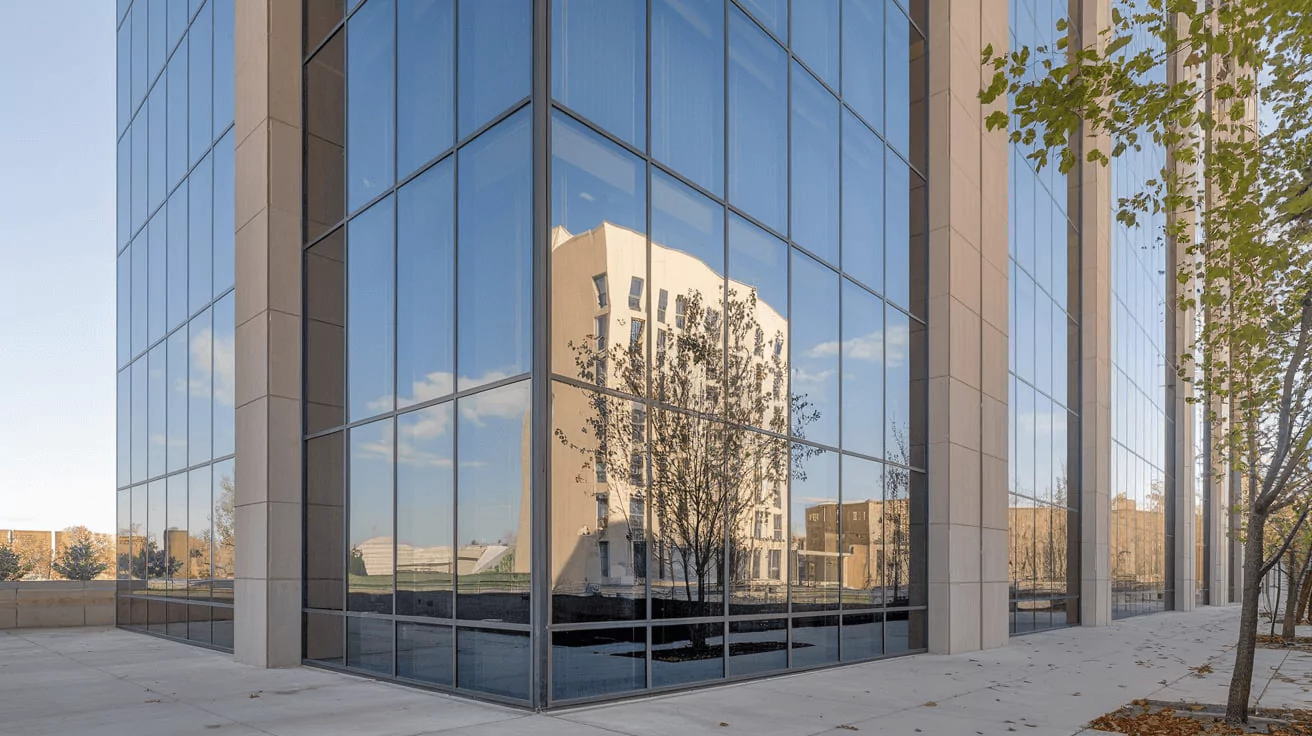
Laminated glass windows improve insulation, making buildings more energy-efficient while reducing noise pollution. These windows, often crafted from various laminated glass options like acoustic or coated variants, are particularly beneficial in urban environments where external noise can be a concern.
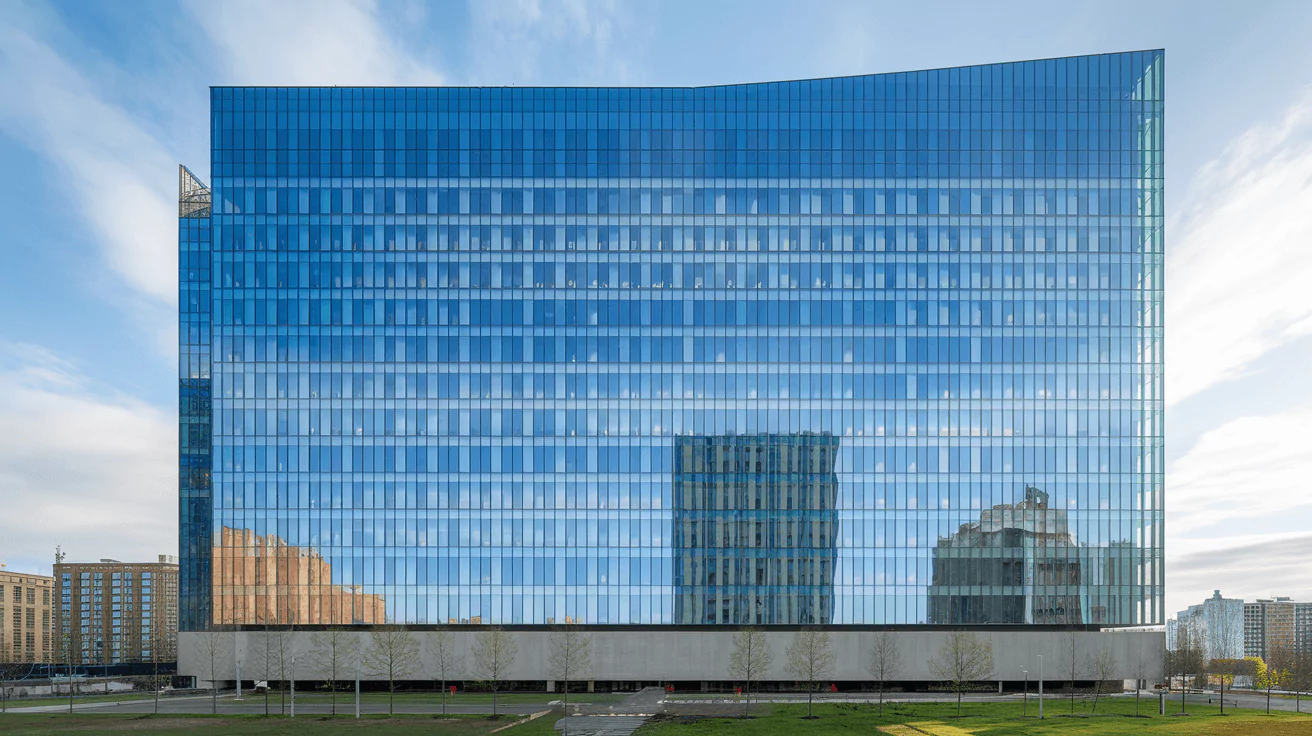
Large-scale laminated glass facades are a staple in contemporary architecture. They offer structural integrity, safety, and transparency, allowing natural light while maintaining protection against environmental elements.
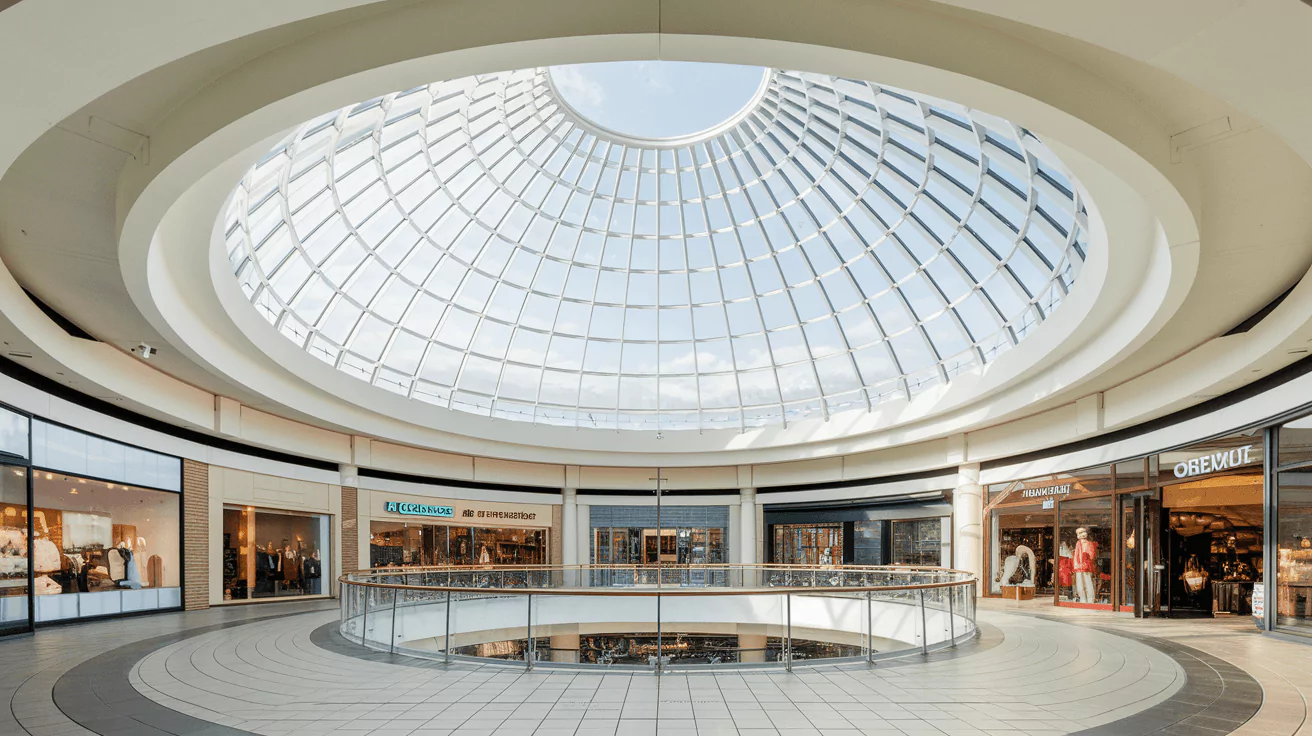
Laminated glass skylights are designed to allow natural light while ensuring safety in case of breakage. They are commonly used in commercial buildings, malls, and residential spaces.
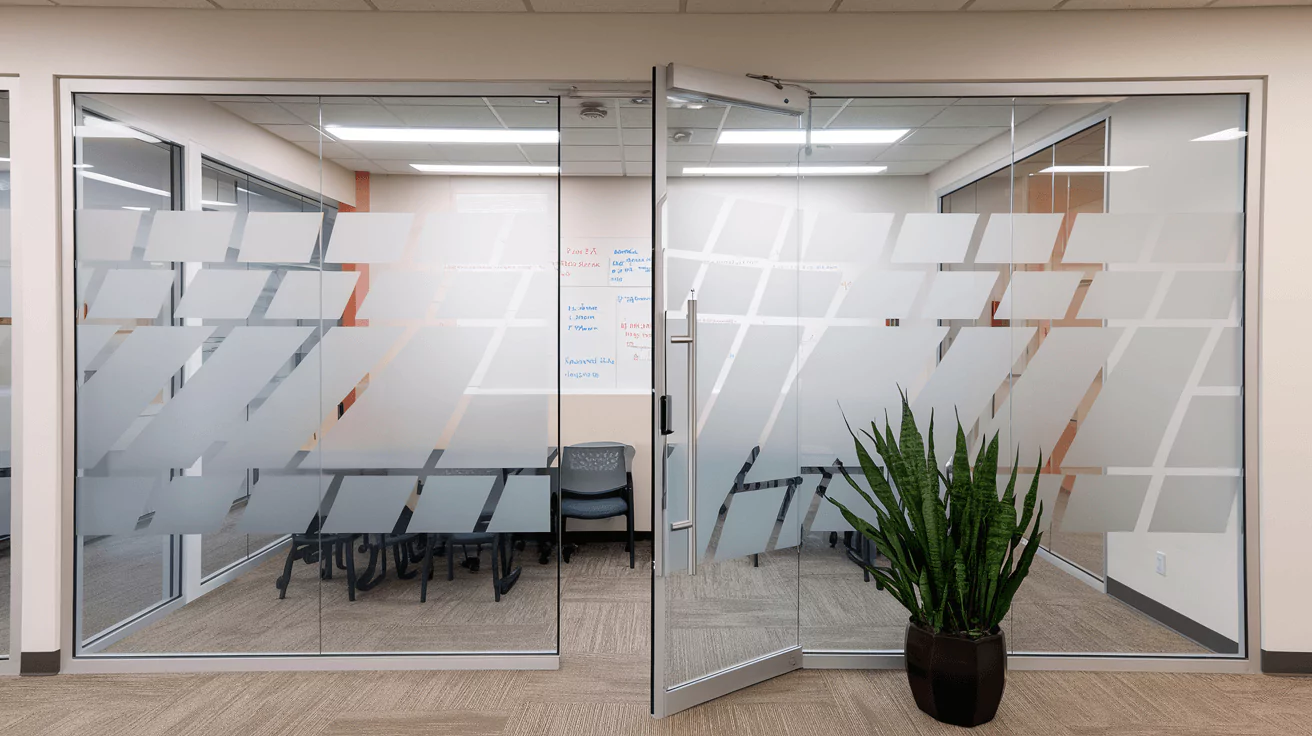
Laminated glass doors are commonly used in homes, offices, and retail spaces due to their strength and modern appearance. They offer an extra layer of security while maintaining a stylish look.
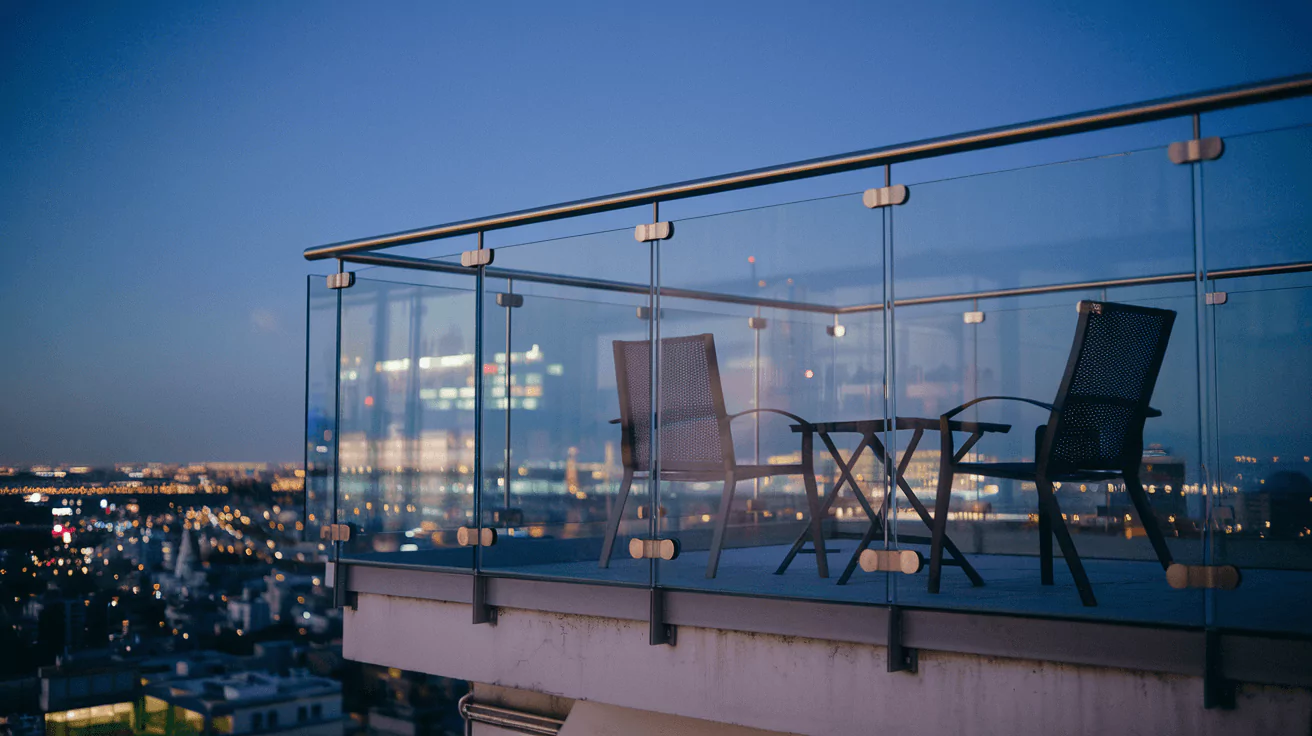
Glass balustrades and railings made from laminated glass provide safety without compromising the view. Used in high-rise balconies, staircases, and terraces, they offer elegance and strength.
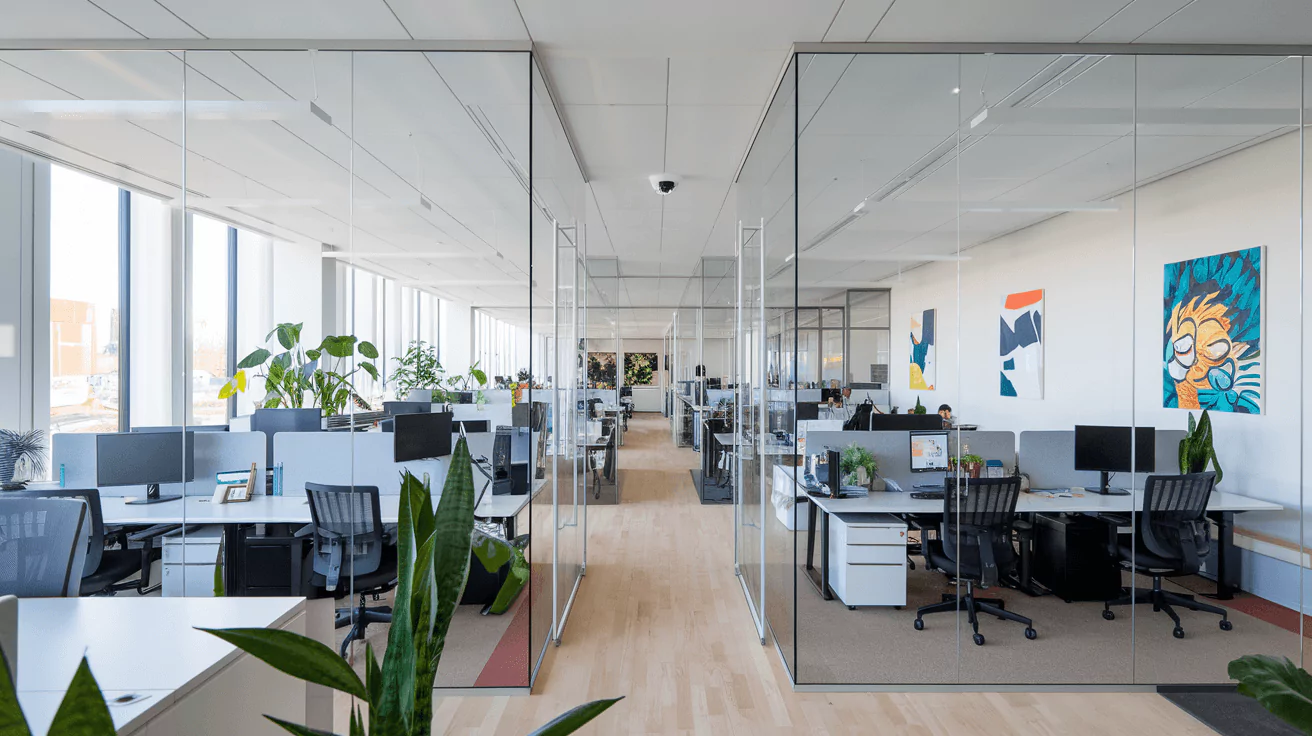
Laminated glass partitions are popular in modern offices, retail spaces, and homes. They help create open spaces while maintaining privacy and sound insulation.
Laminated glass plays a crucial role in improving vehicle safety by reducing impact risks and improving cabin insulation. It is widely used in windshields and side windows for enhanced security and durability.

Automotive windshields made from laminated glass ensure passenger safety by preventing shattering and providing structural support in case of an accident.
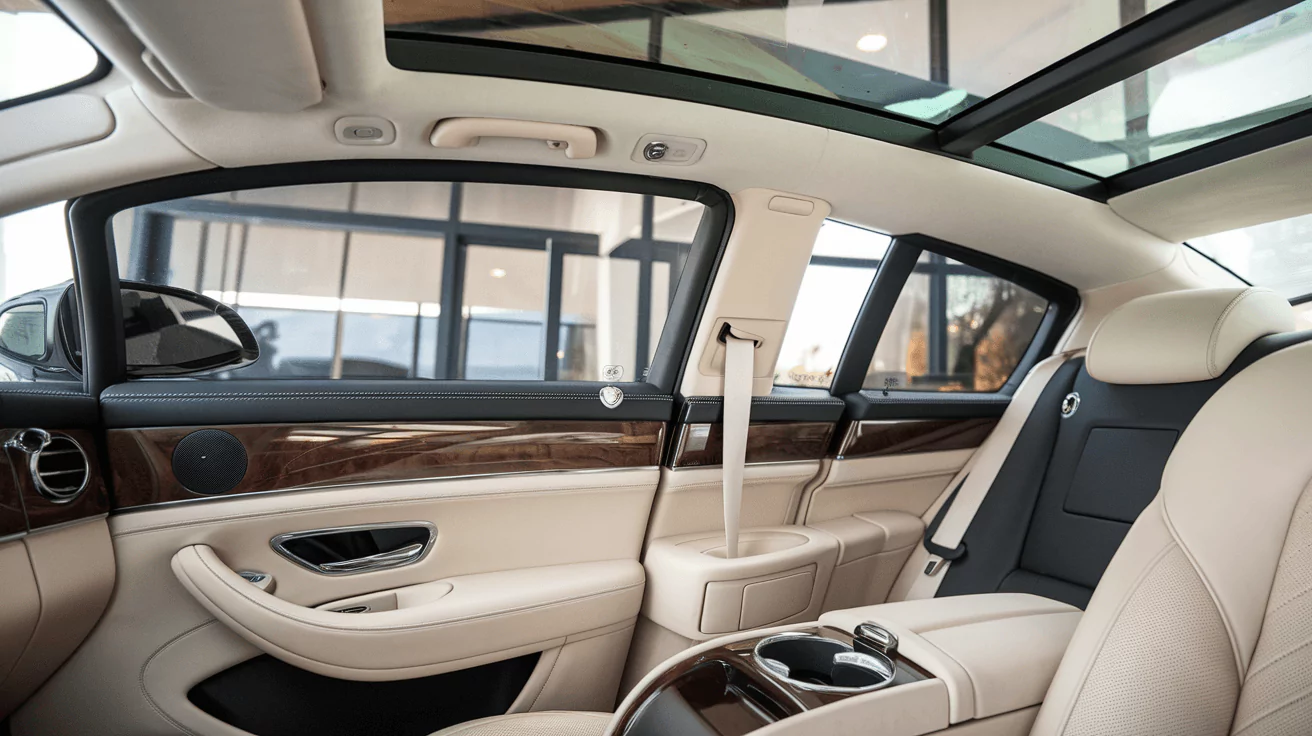
While tempered glass is often used for side and rear windows, laminated glass offers better protection against break-ins and noise pollution.
Laminated glass is a key component in security applications, protecting against forced entry, explosions, and ballistic threats. It is used in government buildings, financial institutions, and high-security areas.
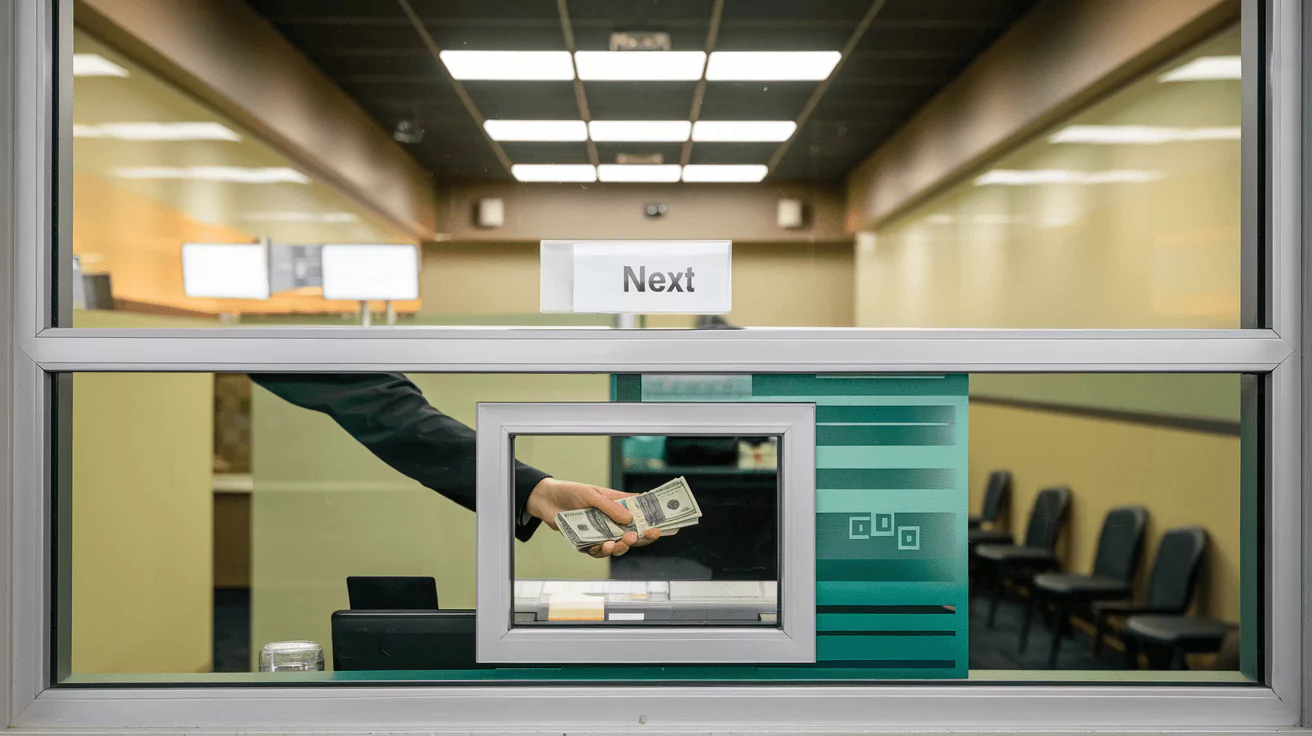
Multi-layered laminated glass can withstand bullets and high-impact forces, making it essentialfor security-sensitive areas.
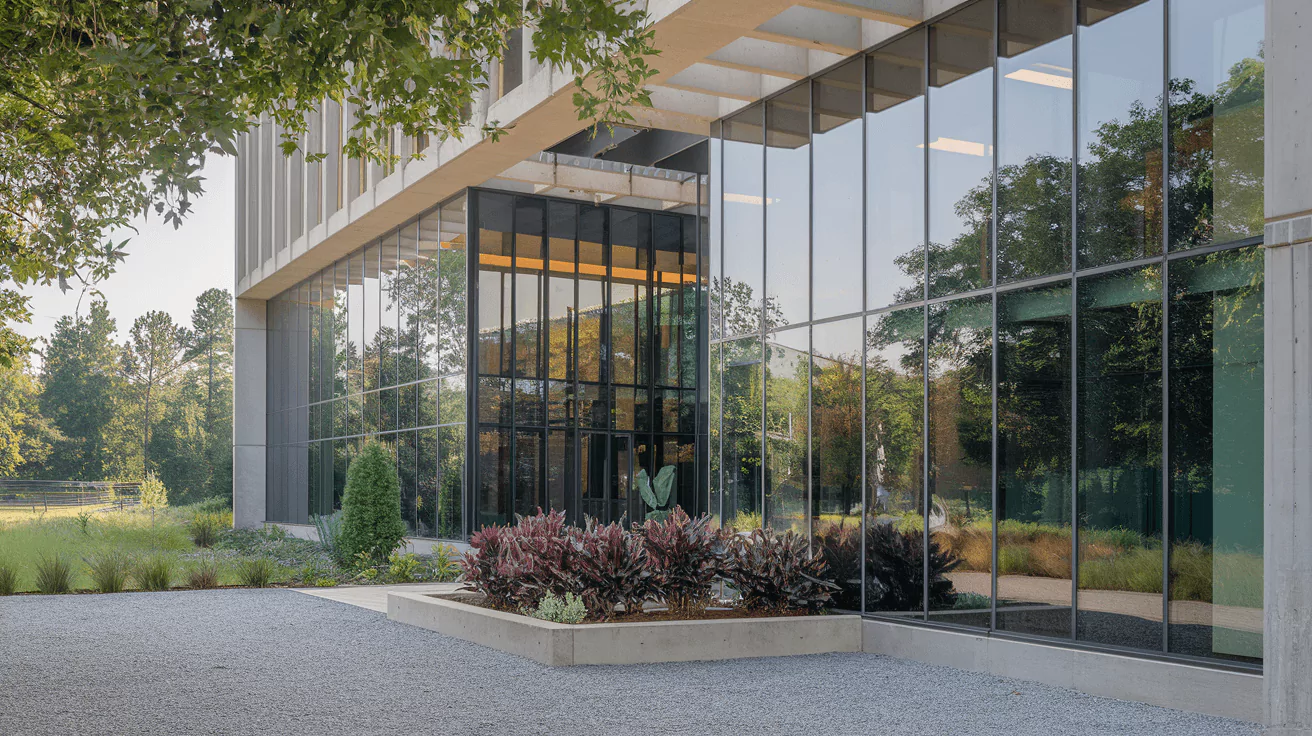
Blast-resistant laminated glass is designed to absorb shock waves from explosions, minimizing casualties and property damage.

Laminated glass used for anti-intrusion applications delays unauthorized access, giving security teams more time to respond.
Apart from architecture, automotive, and security applications, laminated glass is widely used in various industries due to its strength, safety, and versatility.
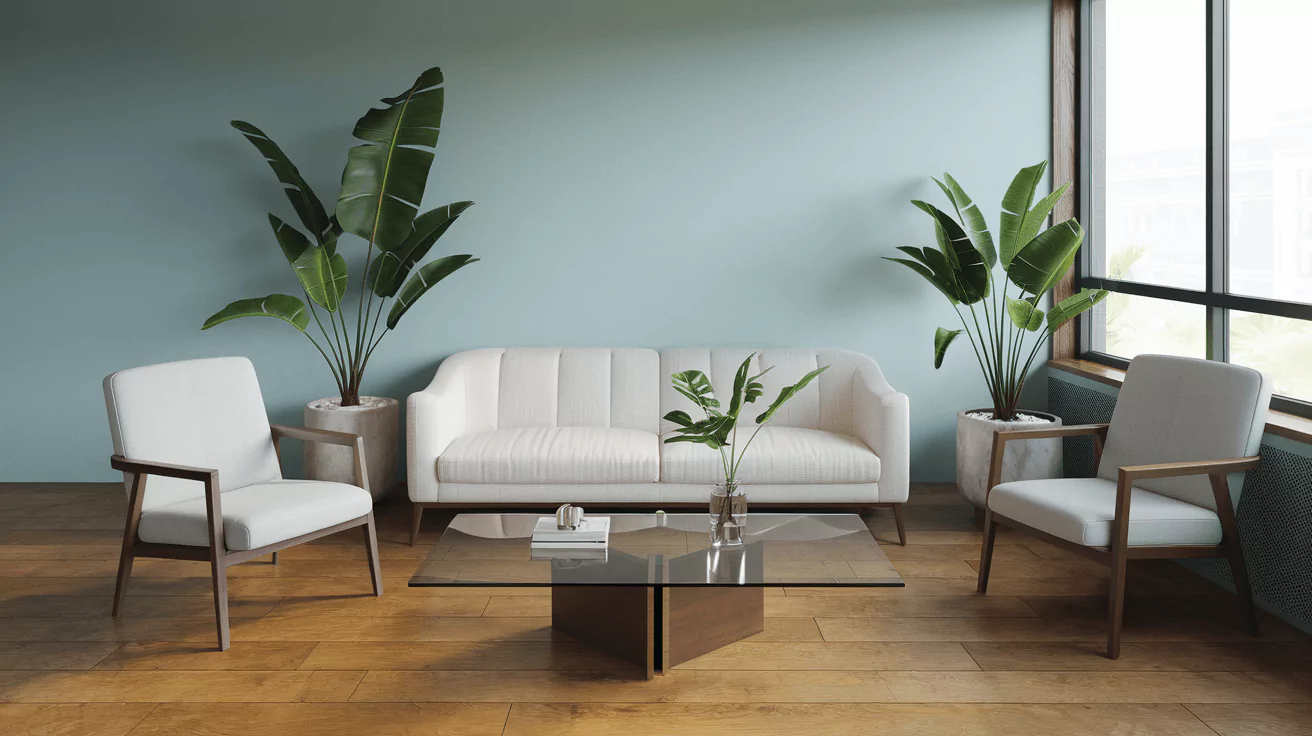
Laminated glass furniture is a popular choice for modern interiors, offering durability and an upscale look.
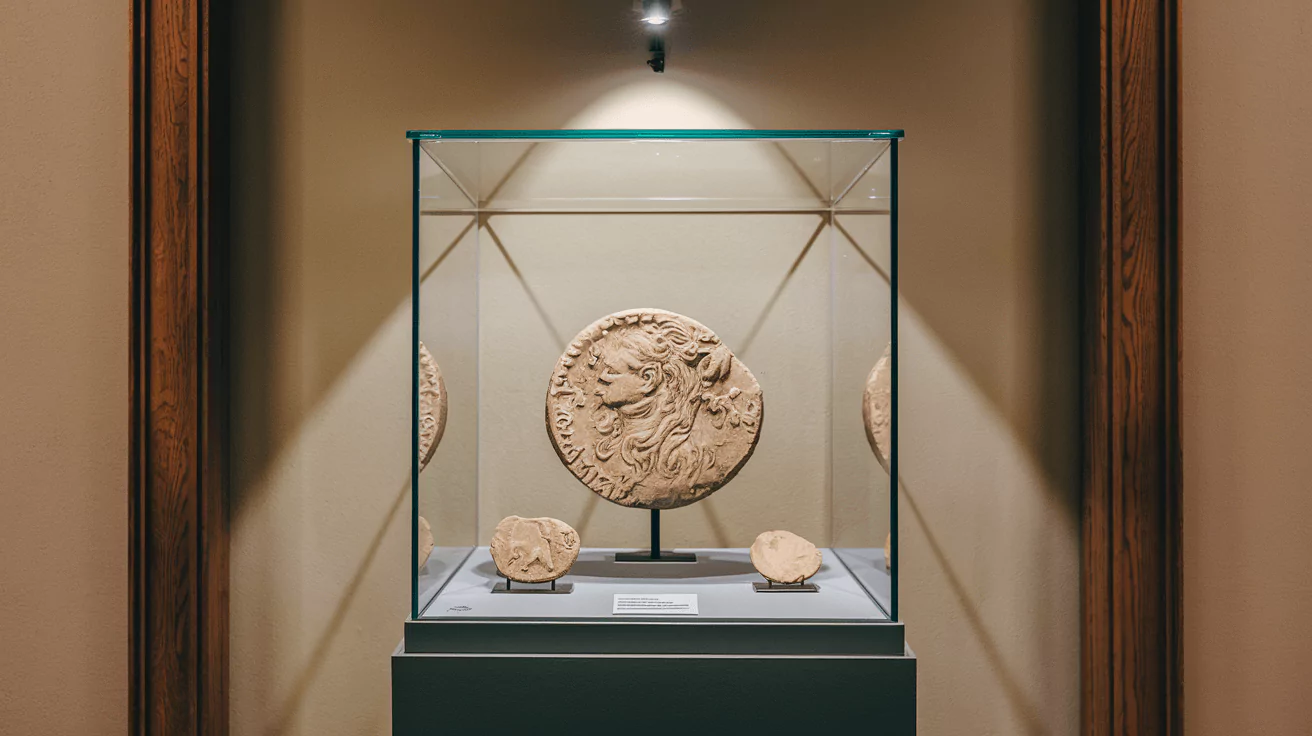
Museums, galleries, and retail stores use laminated glass display cases to protect valuable artifacts and merchandise.

Laminated glass is commonly used in marine applications due to its ability to withstand extreme conditions.
While both are considered safety glass, they serve different purposes.
Laminated glass offers multiple advantages that go far beyond traditional glass:
Laminated glass contributes to sustainability in multiple ways:
Laminated glass is no longer just a safety feature, it’s a versatile, high-performance material used across homes, offices, transport, and architecture. From UV protection and soundproofing to bullet resistance and design, laminate glass meets modern demands for safety, aesthetics, and sustainability.
To ensure you get the right product, consult a certified laminated glass manufacturer for expert advice, customization, and pricing. Whether you’re installing new windows or designing a modern office, laminated glass is a smart, stylish, and secure solution.
FAQ
It’s widely used in windows, doors, partitions, windshields, and facades due to its safety, noise control, and UV protection.
Yes, especially acoustic laminated glass, which significantly reduces noise transmission.
Absolutely. It is weather-resistant and ideal for balconies, railings, and skylights.
Tempered glass shatters into pieces, while laminated glass stays intact due to its interlayer, offering better security and noise control.
The laminated glass price varies based on thickness, customization, interlayer type, and manufacturer.
Glass is everywhere! In buildings, its windows, doors, and facades. In cars, it’s windshields and windows. But it’s also in your phone screen, your coffee table, and even solar panels. Glass combines function, durability, and style across countless industries.
Explore all things glass—from stylish table tops and insulated options to tinted and frosted designs. Discover guides on glass railings, custom cut glass, shelves, and stunning backsplash ideas for a modern home or office upgrade.