

My Cart
You have no items in your shopping cart.

When selecting glass for interiors, the choices go far beyond simple clear panes. Each type of glass or glazing system is engineered with specific properties, from privacy and safety to energy efficiency and aesthetics. Understanding these distinctions helps you choose the right material for your project while avoiding common misconceptions. With advancements like insulated tempered glass, it delivers a great deal of aesthetics and functionality under one roof.Whether you’re looking for standard panes or specialized options, visiting a glass and mirror store can provide clarity and guidance, ensuring you make the right choice for your needs. Here’s a guide to the most widely used categories of interior glass and glazing options.
Table of Contents
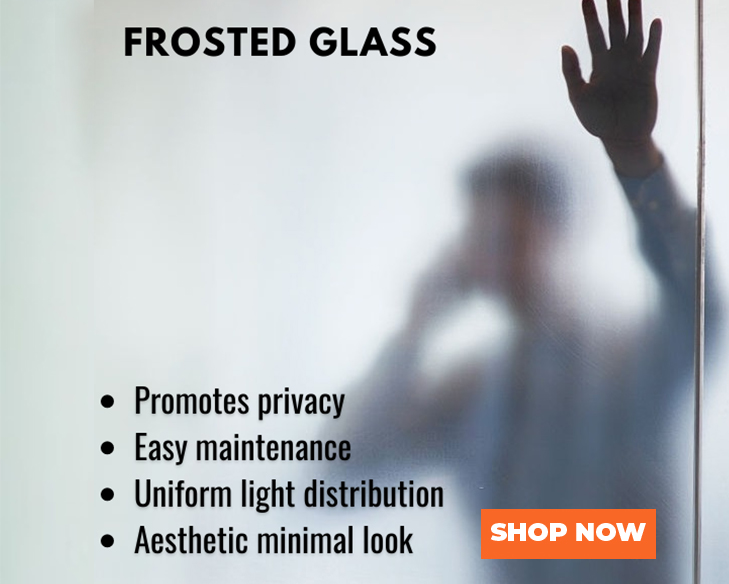
Choosing between the two types of frosted glass depends on the level of transparency and gradients needed for your interior space. Acid-etched glass is a cost-effective option, offering a smooth, permanent design that resists marks and fingerprints, making it a low-maintenance choice. On the other hand, sand-blasted glass provides a rougher texture and enhanced translucency, which demands more cleaning but offers superior privacy with its high opacity. If you’re wondering where to buy insulated glass unit online, ensure you choose a trusted source that provides quality options for your specific needs.
Clear glass that has been chemically etched or sandblasted to create a translucent surface. It diffuses light, offering privacy without completely blocking illumination.
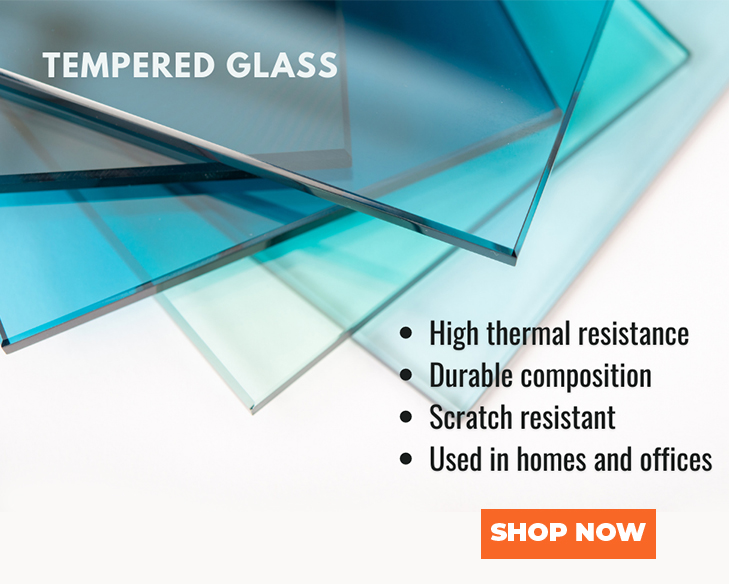
Next, we have another remarkable glass type which is manufactured through a technical process involving heating, softening, and then gradual cooling. The final product is an exceptionally sturdy material, up to four times stronger than ordinary annealed glass. This durable glass, often sought after for its resilience, is a popular choice for projects like how to replace door glass, where strength and safety are paramount. Its outer surface is characterized by a high compression state, enhancing its durability and resistance to damage.
Standard float glass that has been heat-treated to increase strength. When broken, it shatters into small granular pieces instead of sharp shards.
Not “bulletproof” or unbreakable, only safer on failure.
A glass is in itself a decent building material. What’s more preferable today is safety. This practical purpose is widely catered to by laminated glass. As both fall into the sturdier glass category, laminated glass and tempered glass are different in terms of numerous features.
Laminated glass is formed by bonding one or two layers of glass with a layer of resin in between that adds brittleness to the structure. Estimating the strength, these are up to 5 times stronger than ordinary glass.
Two or more sheets of glass bonded with an interlayer (commonly PVB or EVA). When struck, the interlayer holds fragments together.
Edges can delaminate if not properly sealed.
When it comes to choosing the best technologies in glass, insulated glass stands out as a superior option. This is because it helps you maintain ideal temperatures in your homes, offices, or apartments, ultimately reducing your utility bills. Insulated glass, also referred to as IG units, is highly preferred for doors and windows because of its excellent insulation properties, including heat resistance during summer. The incorporation of insulated window glass enhances both energy efficiency and comfort in living spaces.
Making of an insulated glass unit takes two glass separated together and sealed, leaving a vacuumed or gas-filled space in between. While choosing between the options in IG units, one must look for their security and personal preferences, as spacing or thickness can impact the soundproofing and temp-resistance abilities.
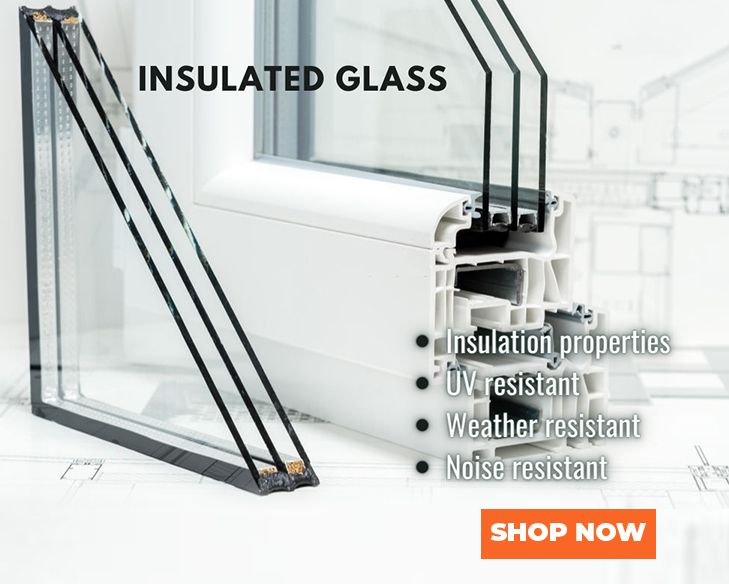
An assembly of two or more panes separated by a spacer and sealed to form a hermetic unit. The cavity is filled with air or inert gas (argon/krypton).
Exterior windows, glass facades, interior partitions requiring acoustic insulation.
Plexiglass is an environmentally friendly type of glass and a popular choice in the field of architecture. Often referred to as acrylic glass, it is created through a process known as polymerization. After processing, these durable and versatile sheets are widely available in the market. For those considering alternatives, understanding bow windows cost can also be beneficial when planning architectural projects.
This type of glass has opened new dimensions to the interior designers with the reckoned fact that they are 30 times stronger and 2 times lighter than glass and are chemical resistant.
The acrylic zone is widely versatile with its numerous finishes. If you desire a clear look through view, you can choose a clear plexiglass sheet. To give your rooms a wider look they can be the best alternative to mirrors with silver mirrored sheets and reflective abilities. You have more choices to go for, such as fully tinted or patterned sheets to add value to your interiors.
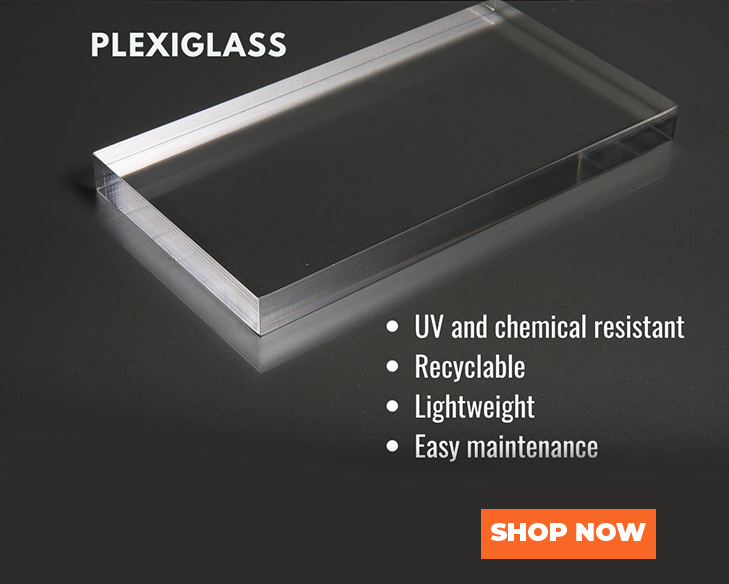
A transparent plastic (polymethyl methacrylate, or PMMA) often used as a substitute for glass. While not true glass, it competes in applications needing lightweight transparency.
The polycarbonate sheets are a good alternative to regular fragile glass equipped with a harder coating or generally a UV protection shield. They offer a good light transmission to your housing or commercial spaces while guarding you against harmful UV radiation.
Polycarbonate sheets are easy to mold and install. If you’re looking to design a dome-shaped panel or even a sunroom roof these are the lightweight materials that hold great molding and altering abilities. For the places where certain materials are unsuitable, it can be a decent and sturdy option to rely on.
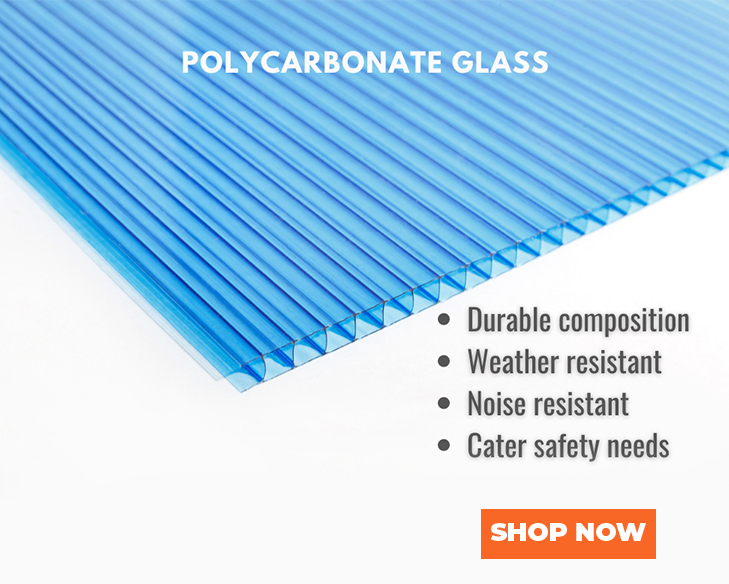
Another transparent thermoplastic with even higher impact resistance than acrylic.

Beyond the six categories above, there are many specialized products worth noting:
An unimaginable creativity you can bring out with great embellishing material l or simply using different types of glass in your interior. You have many options available to go for from designing glass window panes, doors, furniture tops, ceilings to even roofs or simple and sturdy glass as tempered glass sheets.
Explore all things glass—from stylish table tops and insulated options to tinted and frosted designs. Discover guides on glass railings, custom cut glass, shelves, and stunning backsplash ideas for a modern home or office upgrade.