Table of Contents
- 1 Standard Shower Sizes by Type
- 2 1. Walk-In Shower Dimensions
- 3 2. Shower Stall Sizes
- 4 3. Bathtub Shower Combo Dimensions
- 5 4. Corner Shower Dimensions (Neo-Angle or Curved)
- 6 5. Glass Shower Enclosure Standard Sizes
- 7 Minimum Shower Size for Comfort
- 8 ADA-Compliant Shower Dimensions
- 9 Shower Dimensions for Small Bathrooms
- 10 Best Shower Size for a Master Bathroom
- 11 Shower Pan Size Guide
- 12 Importance of Shower Door Width
- 13 1. 24-Inch Shower Doors
- 14 36-Inch Shower Doors
- 15 48-Inch Shower Doors
- 16 Popular Shower Layouts and Their Dimensions
- 17 Standard Shower Door Heights
- 18 Custom Shower Sizes – When to Consider Going Custom
- 19 Local Building Codes and Standards
- 20 Standard Shower Doors Sizes
- 21 Factors to Consider When Choosing Shower Door Sizes
- 22 Trends and Design Considerations for Shower Doors
- 23 Tips for Measuring and Installing Shower Doors
- 24 Maintenance Tips
- 25 Other Accessories with Shower door glass
- 26 Final Checklist Before Buying or Installing a Shower
- 27 Conclusion
- 28 Have Questions?
Standard Shower Sizes by Type
Let’s explore common shower enclosure dimensions based on shower type. These categories help guide layout planning and product selection.
1. Walk-In Shower Dimensions
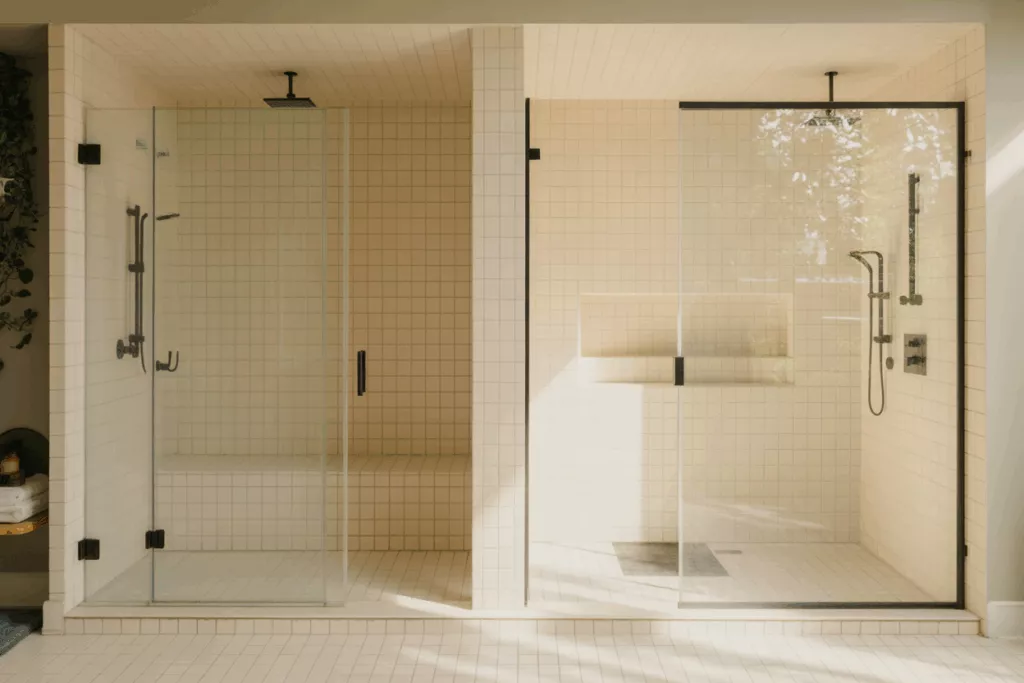
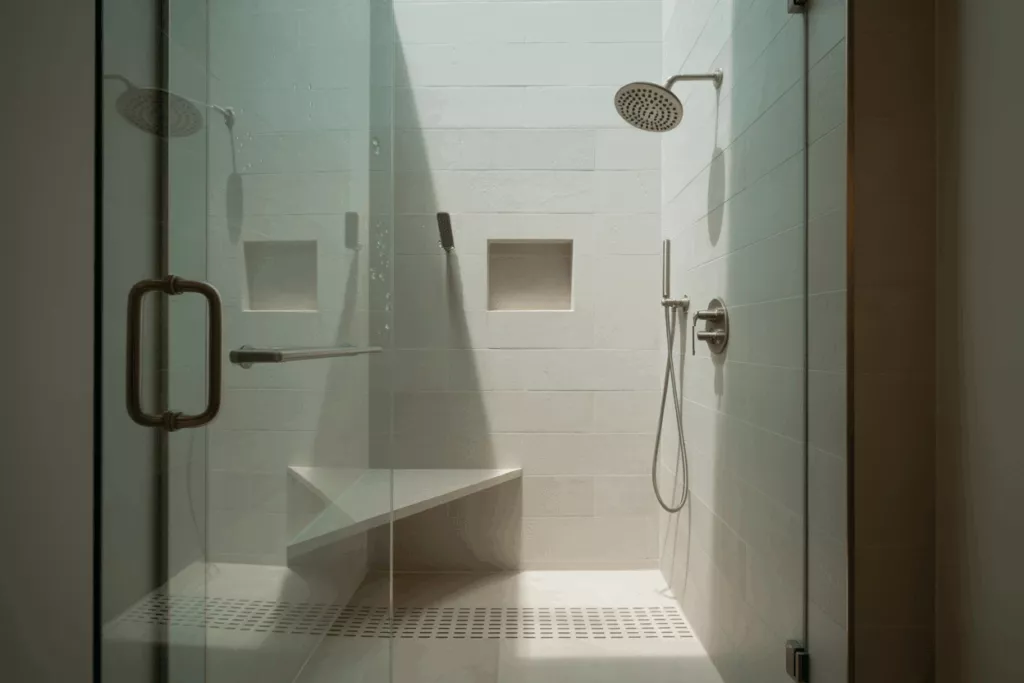
Walk-in showers are modern, open-style units without a tub. They’re popular in both small and large bathrooms due to their accessibility and minimalist appeal. These shower doors are ideal for homeowners wanting a barrier-free, modern design. Frameless glass shower doors often complement walk-in styles. Frameless shower door dimensions typically range from 22” to 36” wide and 72” to 78” tall. Walk-in shower dimensions include various sizes;
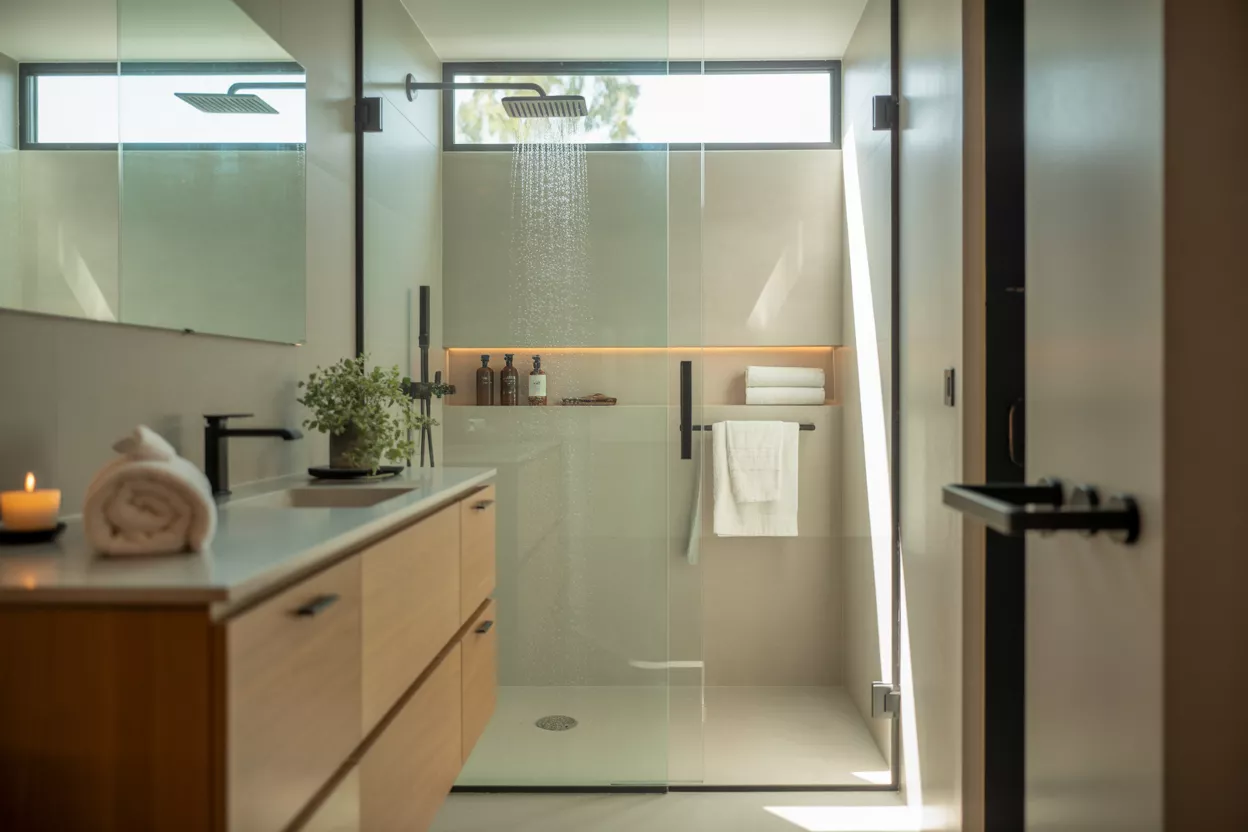
- 32” x 32” (minimum size)
- 36” x 36” (most common)
- 48” x 36”
- 60” x 36” or larger (luxury)
2. Shower Stall Sizes
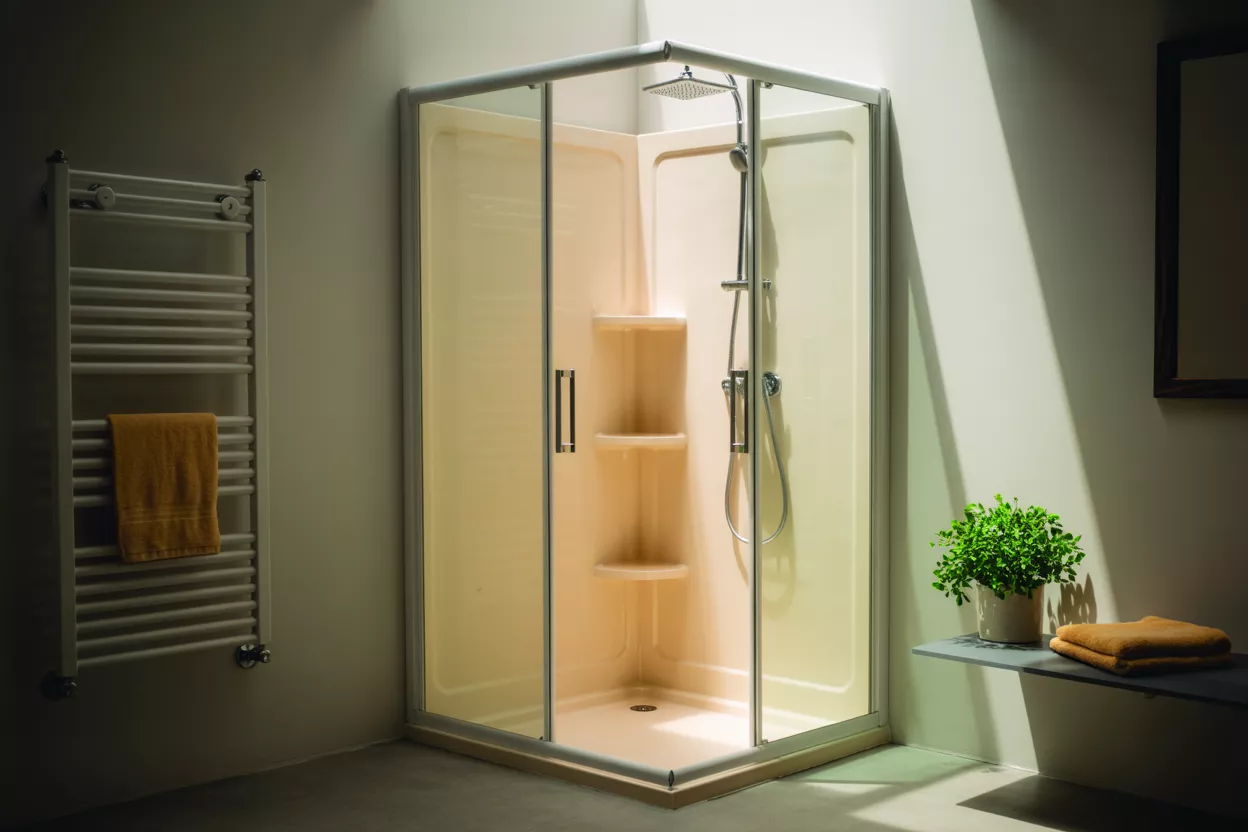
These self-contained enclosures often come prefabricated and include solid walls and a sliding glass shower door or hinged door. These shower doors are ideal for small to medium bathrooms, guest baths, and powder rooms.
- 32” x 32”
- 36” x 36”
- 36” x 42”
- 36” x 48”
3. Bathtub Shower Combo Dimensions
A classic for many American homes, this configuration combines a bathtub with a shower overhead. Bathtub shower combo dimensions are ideal for families with kids or homeowners who want both options without sacrificing space.
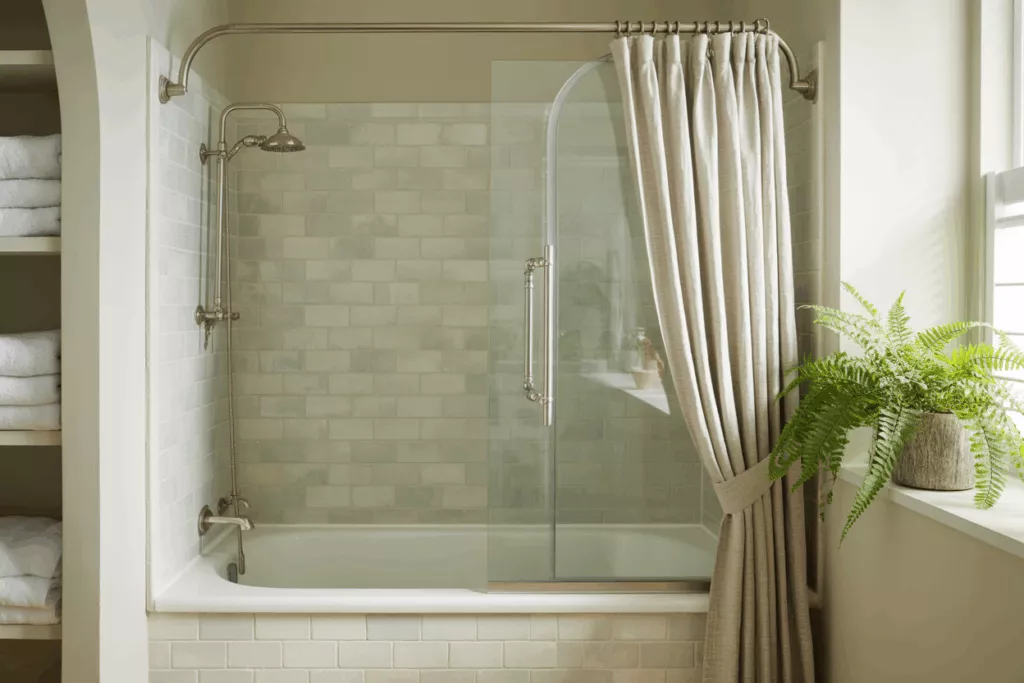
- 60” (length) x 30” (width) x 72” (height)
4. Corner Shower Dimensions (Neo-Angle or Curved)
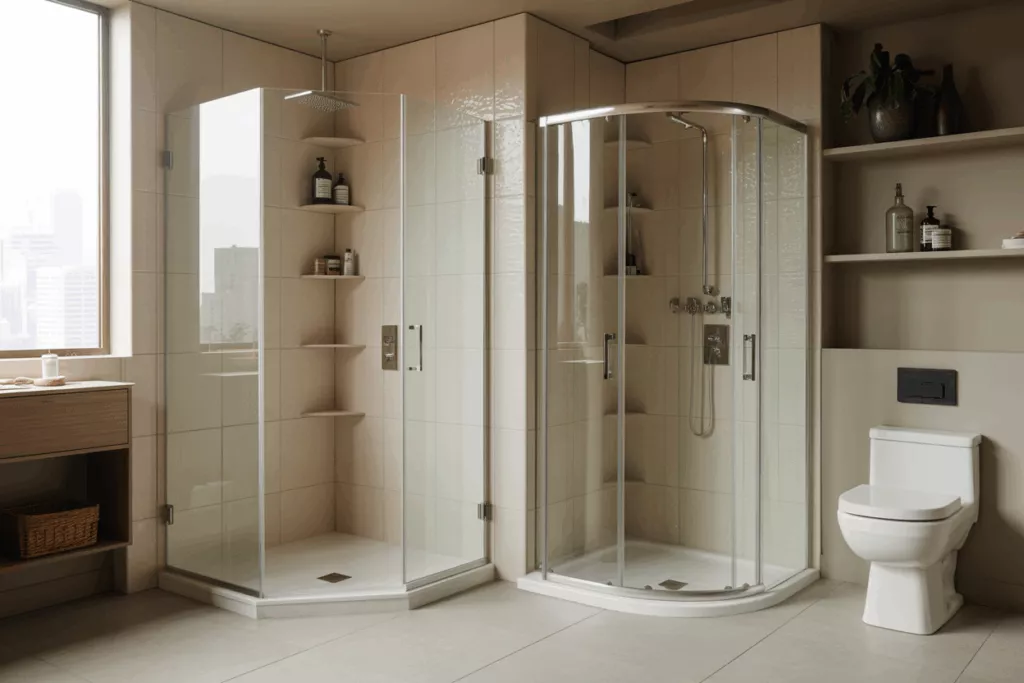
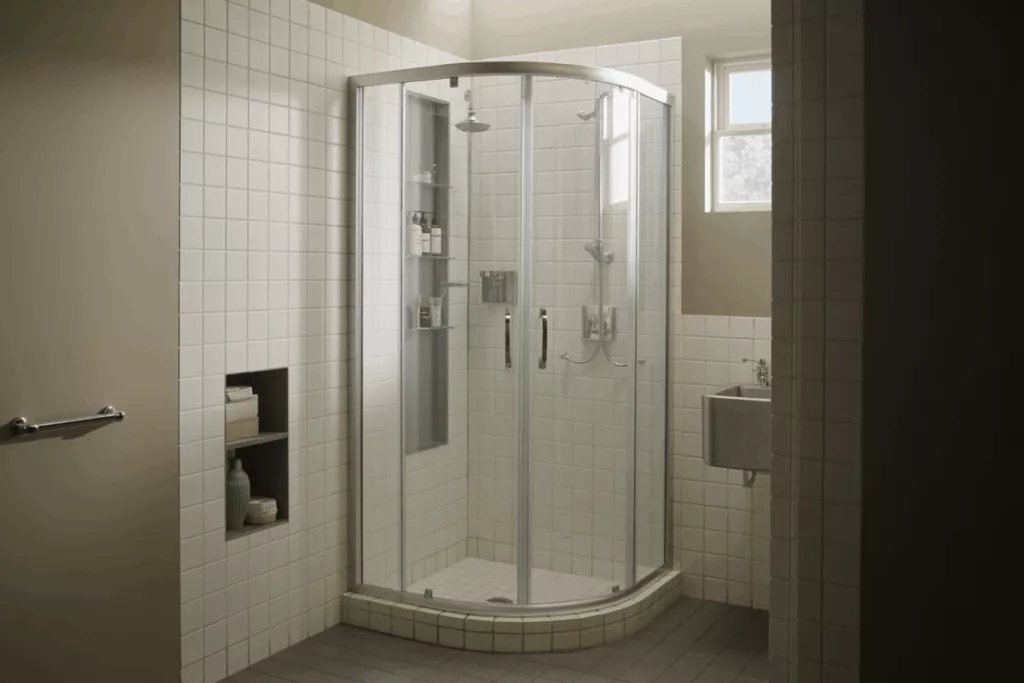
Corner showers are installed in the corner of the bathroom and often feature curved or angled glass doors to save space. These are perfect for small bathrooms or powder rooms and are often chosen for custom shower sizes.
- 36” x 36”
- 38” x 38”
5. Glass Shower Enclosure Standard Sizes
Glass shower enclosure standard sizes vary depending on design, framed, semi-frameless, or frameless. They add a modern, sleek appearance and are available in both standard and custom dimensions.
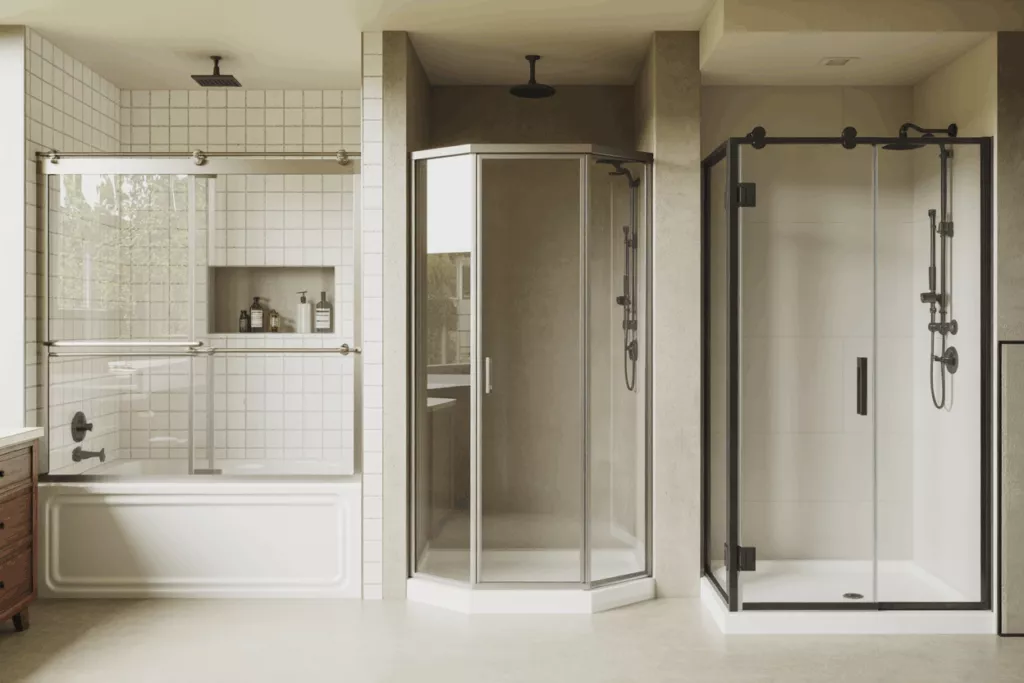
- 22” to 36”
- 72” to 78”
Minimum Shower Size for Comfort
Although the International Residential Code (IRC) states that the minimum shower size is 30” x 30”, this may not always be comfortable.
For a better experience:
- 36” x 36”
- 60” x 36” or larger
- At least 60” x 48” shower door size is ideal
ADA-Compliant Shower Dimensions
For accessibility, especially for individuals with mobility challenges, ADA-compliant shower dimensions must follow strict guidelines. Grab bars, low thresholds, and handheld shower heads are also required for compliance.
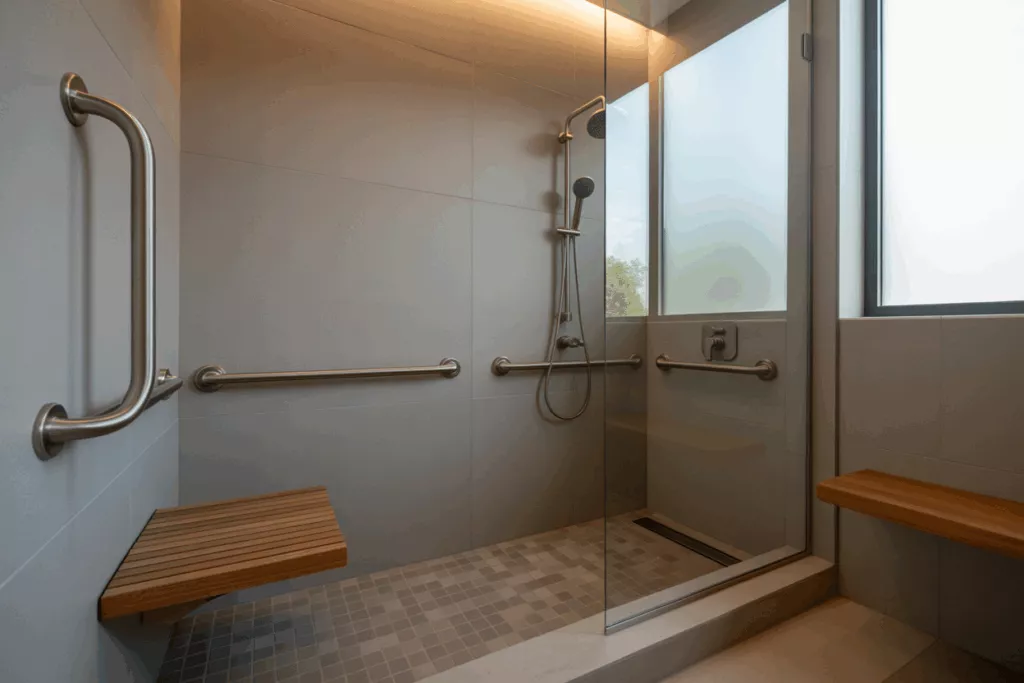
- 36” x 36” with a seat
- 60” x 30” minimum
- 30” x 60” in front of the shower
Shower Dimensions for Small Bathrooms
Designing for a small bathroom? Always prioritize efficient layout and consider incorporating storage with a shower niche. Here are some tips:
Recommended sizes:
- 32” x 32” or 36” x 36”
- Corner showers and sliding doors maximize usable space
- Curved glass doors reduce obstruction
Best Shower Size for a Master Bathroom
A master bathroom often allows more room for creativity and luxury. Consider:
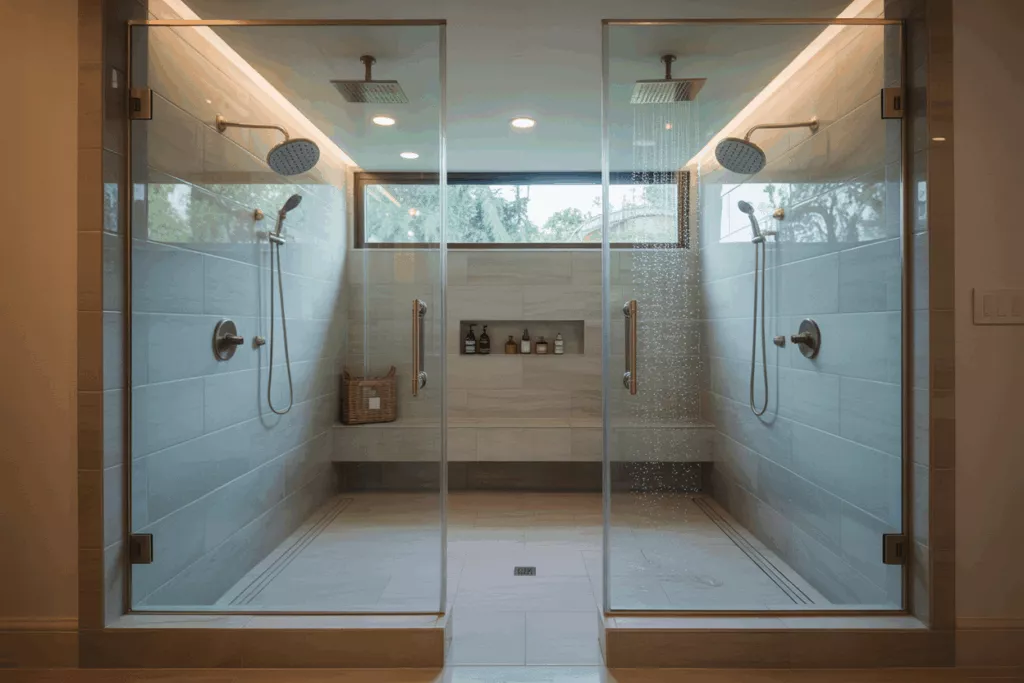
- Ideal walk-in size: 60” x 36” or larger
- Double entry or dual shower heads: 72” x 48”
- Incorporate a bench: Minimum shower bench dimensions are 15” deep and 17” to 19” high
Shower Pan Size Guide
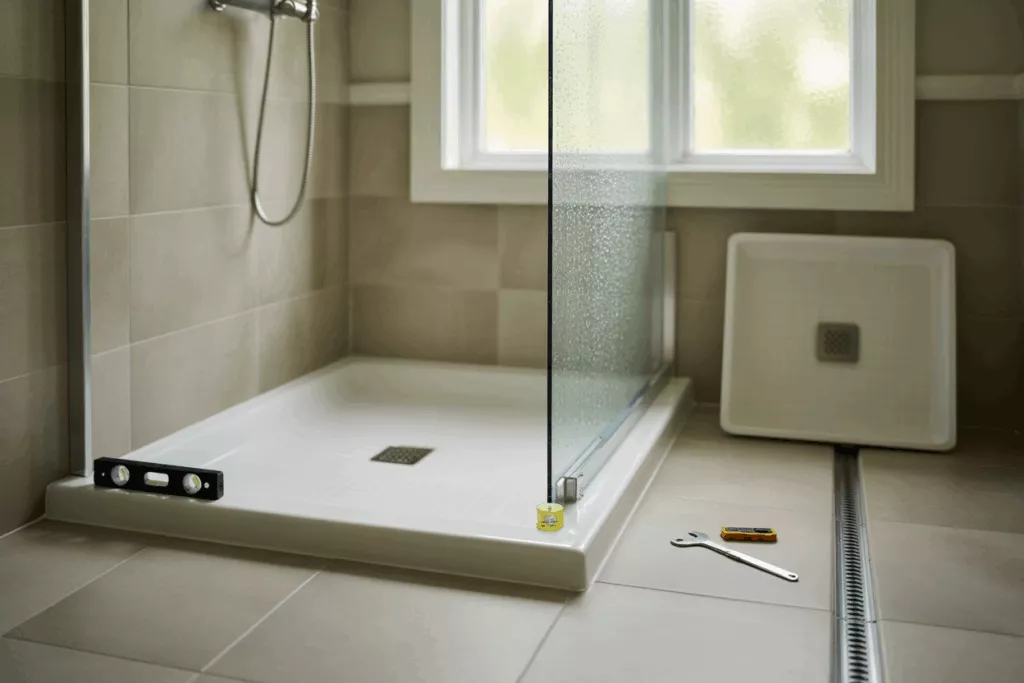
Down here is the information on the average and minimum shower sizes which are commonly used in most homes. It’s important to keep in mind that proper shower door adjustment is crucial for ensuring a secure and functional fit, especially when working with these standard shower sizes.
- 32” x 32”
- 36” x 36”
- 36” x 48”
- 60” x 30” (for tub-to-shower conversions)
The minimum shower size required for functionality and comfort is generally 30 x 30 inches. This size ensures that even the smallest bathrooms can accommodate a shower without compromising on usability.
The average shower size in most homes is around 48 x 36 inches. This size strikes a good balance between comfort and space efficiency, making it a popular choice for many homeowners.
Importance of Shower Door Width
The availability of a wide range of standard glass shower door sizes enhances the accessibility of glass shower doors. The standard range caters to a broad spectrum of user requirements.
There are many types of showers that are good for different types of shower areas. Additionally, it’s important to choose the right types of glass for shower doors as they can impact both functionality and aesthetics. The right shower door width ensures functionality and style, while a trusted glass and mirror manufacturer provides quality dimensions for a seamless, elegant bathroom fit.
1. 24-Inch Shower Doors
24-inch shower doors are compact. They are suitable for small bathrooms or shower enclosures.
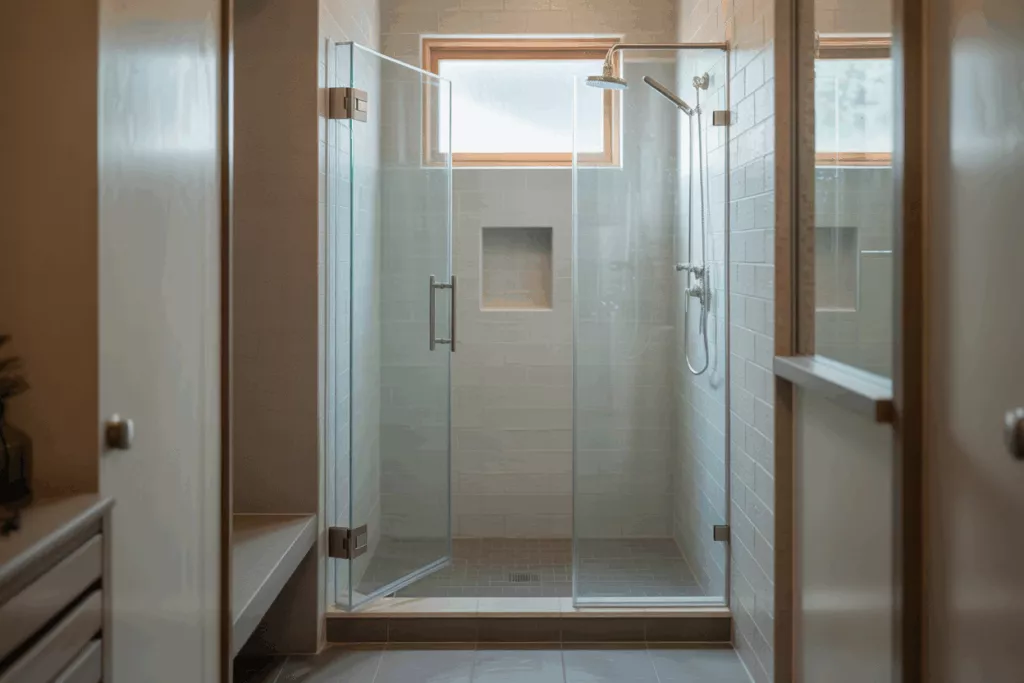
- The compact dimensions make these doors ideal for bathrooms with limited space.
- These doors offer a minimalist and sleek look to achieve a modern bathroom interior.
- Depending on the user’s preferences and available space, they can be installed as swinging or sliding shower doors.
- 24-inch shower doors allow for efficient use of the available space.
- These doors are more affordable compared to larger-sized options.
- While being compact, a 24-inch door provides adequate space for ease of use.
- The 24-inch doors have a relatively narrow opening. Before purchasing, make sure that the door opening size aligns with your requirements.
- Consider whether the compact size of a 24-inch shower door works well to achieve your desired shower experience.
36-Inch Shower Doors
36 inches is a common standard size for shower doors. It offers several operational benefits. Here’s an overview.
- 36-inch shower doors are widely available as standard options and fit most shower enclosure styles.
- The 36-inch width provides a spacious opening, allowing for ease of use while offering ample room for movement within the shower enclosure.
- These doors are available in a range of styles including swinging, sliding, and pivot doors.
- The generous width of a 36-inch door ensures easy accessibility.
- The 36-inch size provides a balanced and visually appealing look in the bathrooms.
- Make sure that your shower area has enough space to accommodate the door operation without compromising its functionality.
- Depending on the door type, check if the surrounding walls or enclosure can support the door’s weight and operation style.
- Consider your desired comfort level.
48-Inch Shower Doors
48-inch shower doors are larger than the above-mentioned standard glass shower door sizes. Some features and benefits of the 48-inch shower doors are as follows.
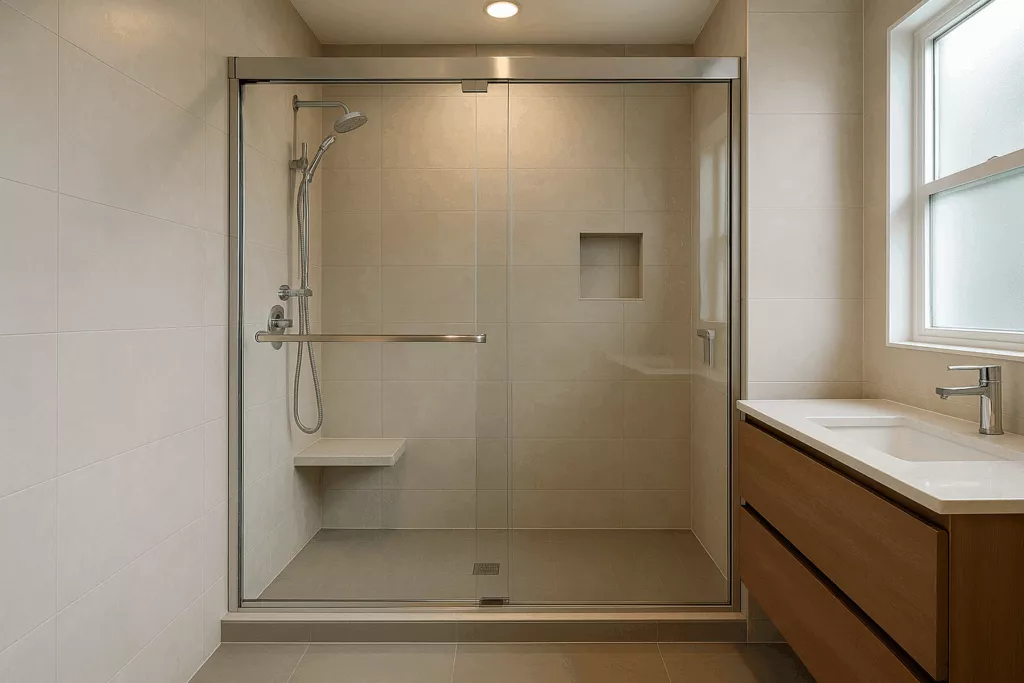
- A 48-inch shower door offers a significantly wide opening space, creating a generous opening for easy entry and exit from the shower enclosure.
- These doors are available in various styles like swinging, sliding, and pivot doors. This versatility allows customization and compatibility with different bathroom layouts.
- 48-inch shower doors make a great visual impact in the bathrooms and serve as a focal point.
- The wide opening allows effortless accessibility for individuals with mobility issues.
- It offers abundant space to move and shower comfortably.
- A 48-inch shower door can create a visually striking look. It adds a sense of elegance and sophistication to the overall design.
- Make sure that your bathroom has sufficient space to accommodate the wider door swing or sliding motion.
- Depending on the door type and weight, it’s important to consider that the shower enclosure or surrounding walls can support the door operation.
- Consider your desired aesthetics. A 48-inch door is ideal for those who prioritize a grand and spacious shower experience.
Popular Shower Layouts and Their Dimensions
Each layout suits different types of bathrooms:
| Layout Style | Dimensions (Approx.) | Best For |
| Alcove Shower | 60” x 32” | Tub replacements |
| Corner Shower | 36” x 36” | Small bathrooms |
| Walk-In Shower | 48” x 36” – 60” x 36” | Master or luxury bathrooms |
| Neo-Angle Shower | 36” x 36” | Space-saving design |
| Tub-Shower Combo | 60” x 30” | Family use |
Other Common Sizes and Their Applications
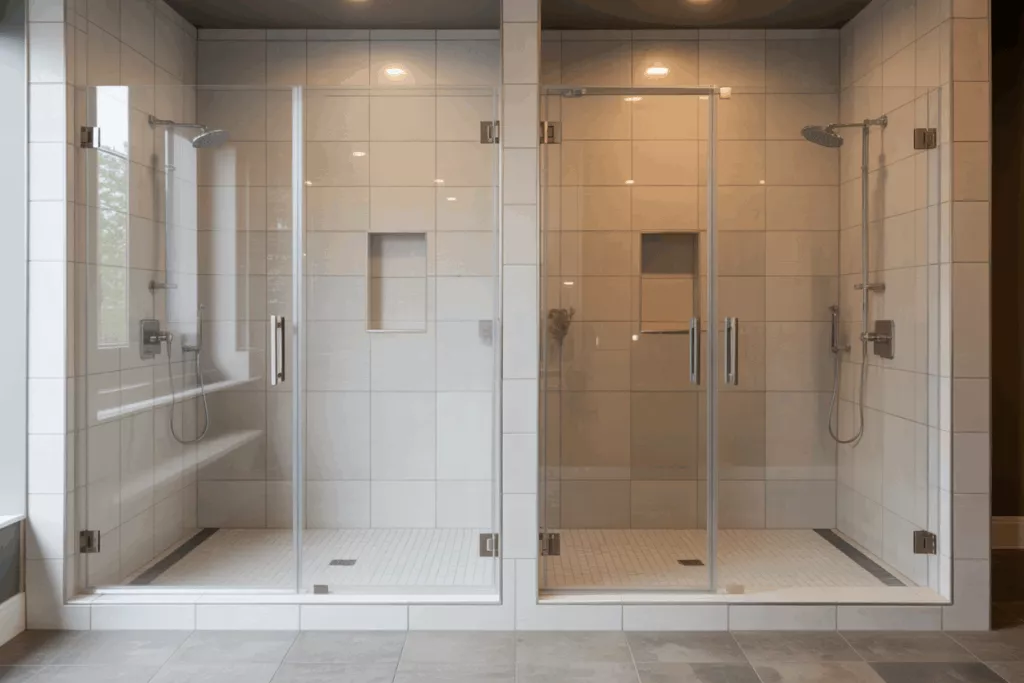
Other common shower door dimensions include 60-inch or 72-inch shower doors. These sizes are typically used for walk-in showers or luxury bathrooms to provide a grand entrance into the shower space.The recommended glass shower door thickness varies based on the door width. For standard-sized doors up to 36 inches, a glass thickness of 3/8 inches is generally used. For wider shower doors, glass with a thickness of 1/2 inch is preferred to maintain stability and structural integrity. When choosing between clear vs frosted shower doors, the style and privacy preferences will play a significant role in your decision. If your shower layout is unique or you aim for a personalized look, you can also get custom shower doors to achieve the aesthetics.
Standard Shower Door Heights
The standard shower door dimensions are typically considered in terms of shower door width rather than height. However, when it comes to standard shower door heights, there are some common options.
- 72 Inches: A 72-inch height is a standard shower door height. It provides sufficient coverage to prevent water from splashing out of the shower enclosure while accommodating average-height individuals comfortably.
- 78 Inches: Some shower doors are available in a taller height to cater to the requirements of the heightened individuals. This option offers additional headroom and ensures a comfortable experience for heightened people.
- Make sure that your bathroom has sufficient ceiling height to accommodate the chosen shower door height.
- Consider any potential obstructions such as light fixtures or ventilation systems before choosing the shower door height.
- If your shower enclosure has a non-standard layout, custom-sized shower doors may be required to fit your specific requirements.
Custom Shower Sizes – When to Consider Going Custom
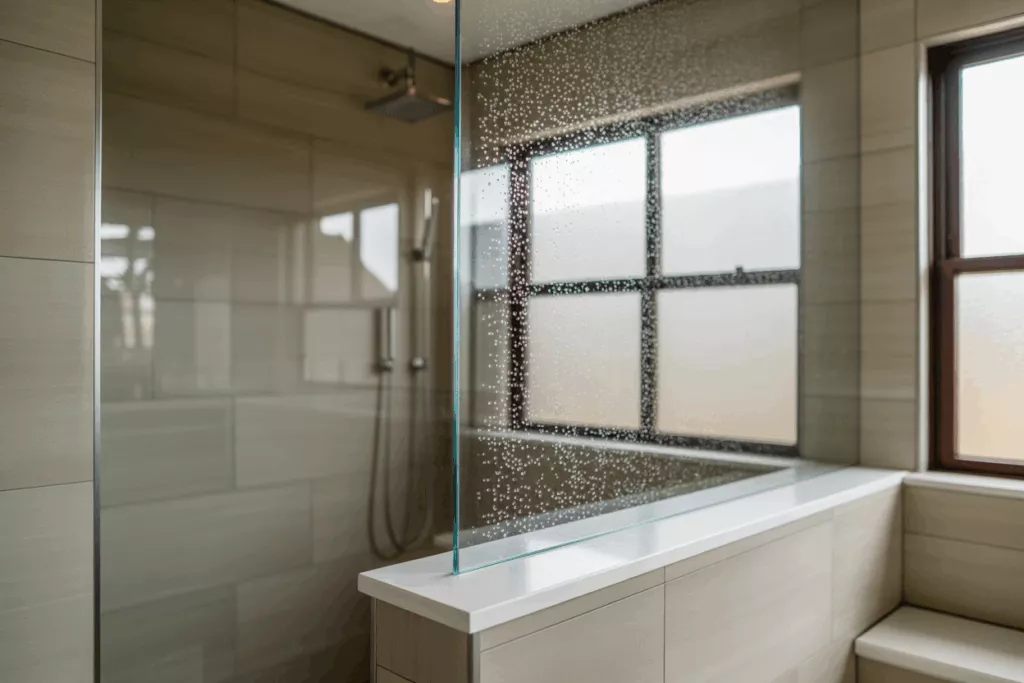
If your bathroom has a non-standard layout, odd dimensions, or unique design vision, custom shower sizes are your best bet. Working with custom glass fabricators like Fab Glass and Mirror allows for precise sizing, hardware matching, and seamless installations.
- Irregular angles or layouts
- Oversized or undersized bathrooms
- ADA compliance for specific user needs
- Luxury features: built-in seating, body jets, multi-panel glass walls
Local Building Codes and Standards
Always consult your local building code office before starting renovations. Most U.S. codes follow IRC guidelines:
- Minimum interior shower space: 30” x 30”
- Minimum ceiling height: 80”
- Drain size: 2” standard
- Slope: ¼” per foot toward drain
Standard Shower Doors Sizes
Here are the standard shower door sizes which are commonly used.
| Shower Door Types | Standard Sizes (Inches) |
| Stand-up Showers | 32×32, 36×36, 48×36 |
| Walk-in Showers | 48×36, 60×36, 60×48 |
| Shower Stall Sizes | 32×32, 36×36, 48×36 |
| Corner Shower Doors | 36×36, 38×38, 42×42 |
| Sliding Shower Doors | 48×36, 60×36, 60×48 |
| Neo-Angle Shower Doors | 36×36, 38×38, 42×42, 48×48 |
| Pivot Shower Doors | 36×36, 48×36, 60×36 |
| Bi-Fold Shower Doors | 32×32, 36×36, 48×36 |
| Hinged Shower Doors | 36×36, 48×36, 60×36 |
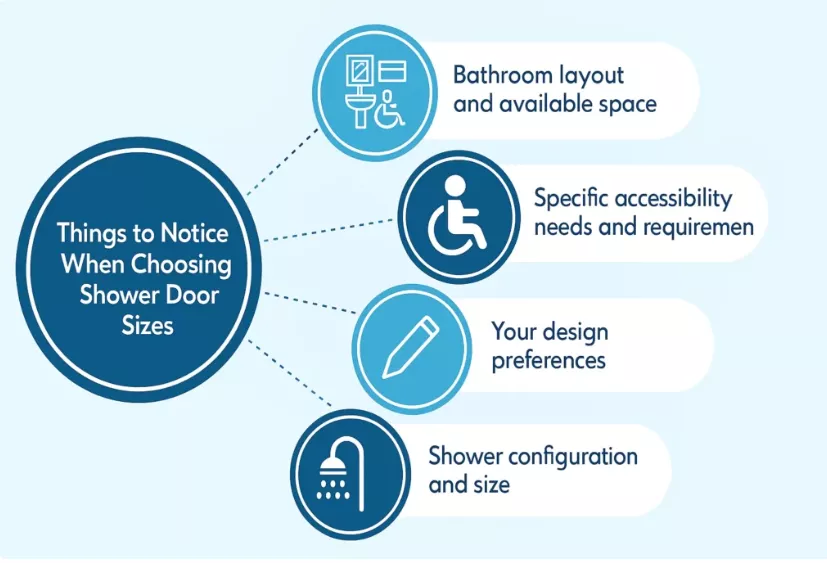
Factors to Consider When Choosing Shower Door Sizes
There are several important factors that you need to consider while choosing the right shower door size. You can make an informed decision by considering these factors.
- Bathroom layout: Consider the bathroom layout and available space for the shower enclosure. It will help you determine the size of the shower door that would fit in the space.
- Accessibility requirements: Take into account any specific accessibility needs or preferences. If the shower needs to accommodate individuals with mobility issues, a wider door should be used.
- Design preferences: Consider the overall aesthetic that you want to achieve. A large door makes a bold statement while a smaller one provides a more intimate ambiance.
- Desired shower configurations: The shower configuration, like an alcove, corner, walk-in, or neo-angle, will directly affect the right size for the door. Determine the shower configuration and choose a door size that suits the specific layout.
- Ease of maintenance: A large door requires more space for operation and maintenance and vice versa. Make sure that the door size aligns with your maintenance routine.
Trends and Design Considerations for Shower Doors
Current trends in standard shower door sizes reflect a wide range of design preferences, including considerations for common issues like shower door leaks at bottom. Here are some modern trends and their impact on shower design aesthetics.
- There is a growing trend towards larger shower door sizes to create a sense of luxury in the bathroom.
- Frameless shower doors are popular due to their sleek and contemporary look.
- Custom-sized shower doors are gaining popularity as homeowners want unique and tailor-fit shower door solutions for their bathrooms.
- The use of different combinations is emerging as a new design trend in shower doors. Combining different materials, such as shower glass types, metal, and wood accents, adds visual interest to the bathroom interior.
Tips for Measuring and Installing Shower Doors
Proper measurement and installation are significant for a well-fitted and functional shower door, whether you’re opting for a traditional design or a half wall shower no glass setup. Follow proper instructions and seek professional help to ensure a proper fit. Here are some tips to keep in mind while measuring and installing shower doors.
- Take precise measurements of the shower opening. Measure multiple times to ensure accuracy.
- Account for the space required for the door operation as well as the clearance needed for proper installation and sealing.
- Read the frameless shower door installation instructions for a smooth and hassle-free process.
- Consider consulting a professional installer to ensure accurate measurements and proper installation.
- Use proper tools and materials for a secure and long-lasting installation.
Looking for in-depth Tips:
Maintenance Tips
Proper maintenance and care can effectively extend the service life of shower doors. Here are some maintenance and care tips for shower doors.
- Regularly clean the shower door to prevent the buildup of soap scum, mineral deposits, and mold, or mildew growth.
- Avoid using abrasive cleaners. Stick to mild homemade cleaners for maintenance purposes.
- Inspect the seals and door strips regularly.
- Lubricate the shower door hinges and tracks to ensure smooth operation. It is especially important for larger doors.
- Larger shower doors may require additional care due to their size and weight. Ensure proper support and stability for larger doors. Get a protective glass coating to prevent water spots on the glass surface.
Looking for in-depth Tips:
Other Accessories with Shower door glass
Final Checklist Before Buying or Installing a Shower
- Confirm your bathroom layout and existing space
- Choose between prefab vs. custom design
- Double-check dimensions: shower base width, depth, height
- Ensure compliance with local codes or ADA needs
- Plan for door swing or sliding clearance
- Choose shower pan, door, and wall finish
Conclusion
Selecting the right shower size is a critical aspect of any bathroom remodel. Understanding the standard shower sizes, dimensions, and types will help you make an informed decision that enhances the functionality and aesthetics of your bathroom. Measure your space carefully and choose a shower size that meets your needs while fitting seamlessly into your bathroom layout.
Have Questions?
Commonly Asked Questions. Find the answer to all your queries at a glance. Need Expert Opinion Contact Us Anytime!
Shop NowConsider factors such as user comfort, space availability, future resale value, and accessibility needs when choosing the right shower size.
The best glass thickness for a shower door is typically between 3/8 inch and 1/2 inch for added durability and safety.
Tempered glass is the most popular choice for shower doors due to its strength and safety features.
The standard thickness of glass doors ranges from 3/8 inch to 1/2 inch, depending on the desired durability and aesthetic appeal.
The standard size for a shower typically ranges from 36 x 36 inches to 60 x 36 inches.
Yes, shower sizes can be customized to fit your specific bathroom layout and personal preferences.
The smallest standard shower size available is usually 30 x 30 inches.