

My Cart
You have no items in your shopping cart.

Showerheads are considered an absolute bathroom necessity. Be it contemporary or traditional bathrooms, showerheads are an essential part of the showers. Changing the showerhead is usually a part of the bathroom remodeling projects. At Fab Glass and Mirror, we know the right showerhead height matters most in making a shower perfect. If you’re also considering a framed shower enclosure for your bathroom remodel, it’s important to ensure that the showerhead height is optimized for the best experience. We will talk about the ideal showerhead height in this blog, break some myths, and make recommendations. So, follow through to choose the perfect showerhead.
Table of Contents
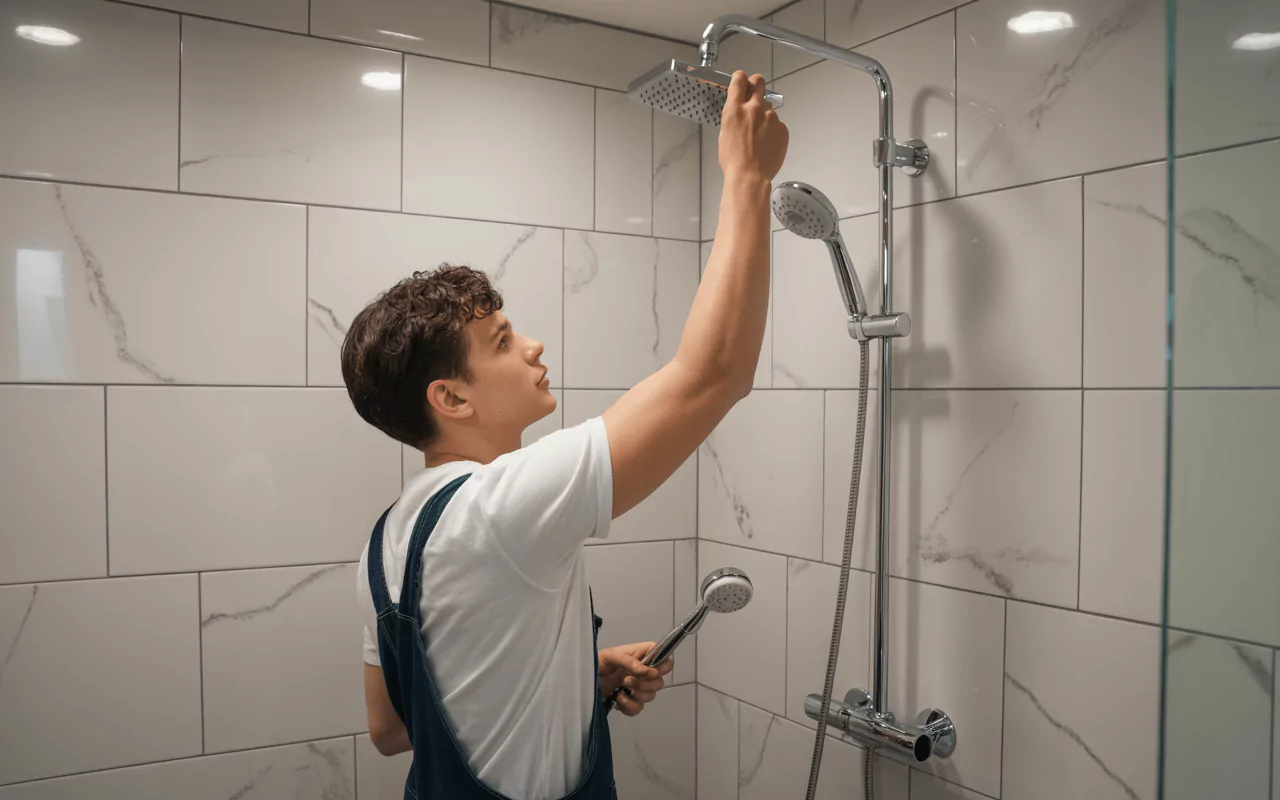
It’s a no-brainer that people with different heights require different shower head heights, and it’s quite understandable.
Tall people like their showerheads to be relatively higher as compared to shorter ones. Similarly, the showerhead style also plays an important role in determining the ideal shower height.
It is commonly perceived that 80 inches is the ideal height for a shower head; however, there are no special codes or requirements for the height of the showerhead. Eighty inches for 6 feet 8 inches is standard, but when planning a bathroom renovation, including the shower head height, it’s important to consider factors like the overall shower stall remodel cost, which can influence decisions on design and installation.
considered a standard shower head height because it caters to people with average heights. But there are no hard and fast rules. You can go higher or lower than 80 inches, depending on your requirements. Guest houses and hotels typically have showerheads Higher than 80 inches because they have to cater to the requirements of even the exceptionally tall guests. The interior designers, therefore, prefer handheld showers for public places.
The height of a shower head is measured from the finished floor to the center point of the water outlet pipe (the fitting known as the shower arm drop-ear elbow). This center point is referred to as the rough-in height. While the finished shower head height can be adjusted using different shower arms, the rough-in height is a permanent decision made during the wall framing and plumbing phase. Key rough-in dimensions to know:
80 inches (6 feet, 8 inches) above the finished floor is the industry norm. This accounts for the average human height and is considered the standard for a vertical wall-mounted setup.
The center of the shower valve (the handle that controls temperature/flow) is typically installed between 48 and 54 inches (4 to 4.5 feet) above the finished floor. This ensures it is easily reachable by most users, including those seated.
Making these rough-in choices accurately is critical, as correcting them after the walls are closed is a costly and disruptive process.
There is no rule of thumb for choosing the ideal shower for your bathroom. The best approach, however, is to measure the height of the tallest person in your family. And add a cushion of excess 3 to 4 inches to the height to stay on the safe side. Mark a point on the calculated height and install the shower head there. It would be the ideal height of shower head for your bathroom. Additionally, don’t forget to consider the shower door bottom seal, as it plays a crucial role in preventing water leakage and maintaining a clean, dry bathroom floor.
This method is very random but enough to give you a head start on choosing the right showerhead. The showerhead style and shower space also have an impact on the right shower height. So make sure to consider other constraints as well while choosing the showerhead for your bathroom.
There are different types of showerheads. Each type of shower head corresponds to different sets of requirements. Different heights are deemed ideal for different kinds of showerheads. Additionally, when considering the overall design of your bathroom, it’s important to account for elements like frameless shower door installation, which can impact the shower space layout. Let’s explore some different showerhead styles and their ideal heights.

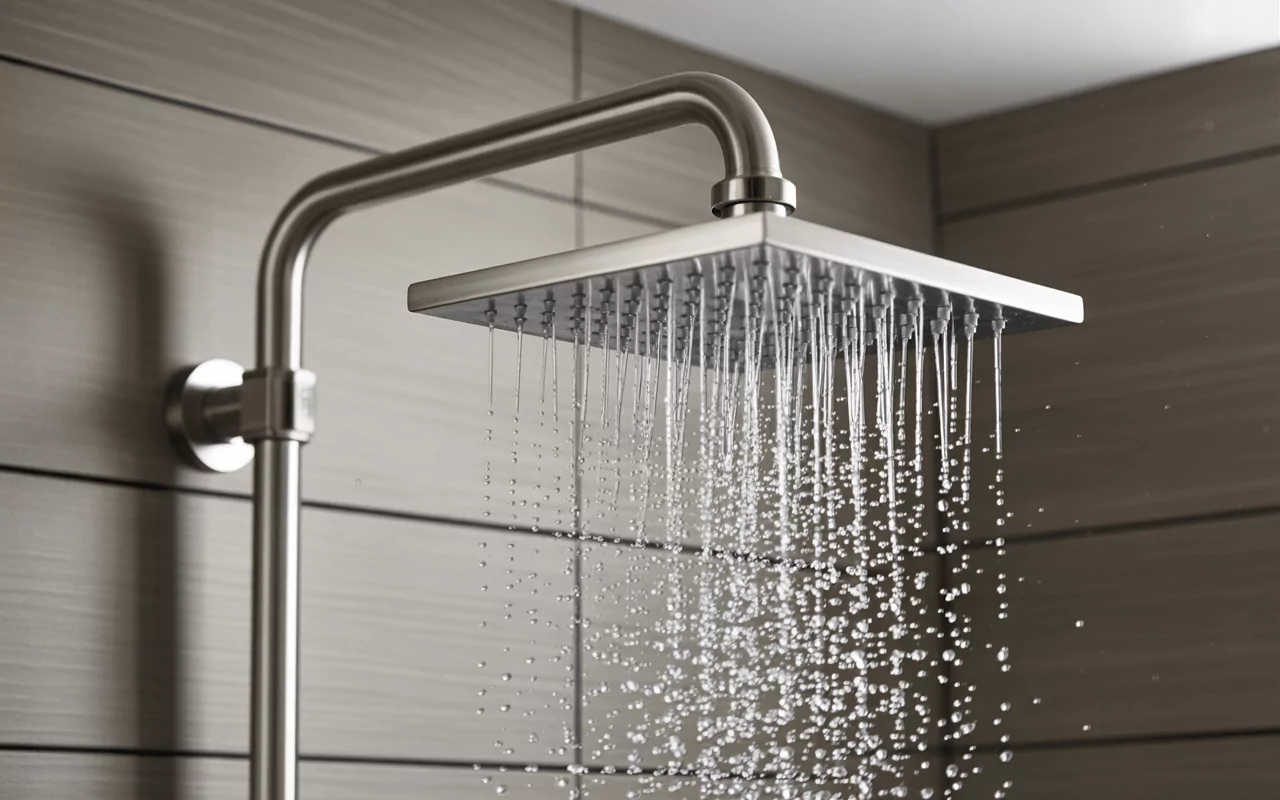
The wall-mounted shower head is one of the most common types of showerheads used in our homes. This type of showerhead is installed in the main shower wall; thus, named wall-mounted. Eighty inches is considered the perfect height for a wall-mounted showerhead, and the average human height falls under 80 inches. If you want to be specific about it, go on with the average family height method. Measure the height of the adults in the household, calculate the average now, add three to four inches to the average height, and install your shower head at the calculated height. If you are also considering removing shower doors, it’s essential to take the overall shower space into account for optimal placement and comfort.
Please do not consider the children’s height while taking the measurements because they are still growing up.

As the name implies, rain shower heads make you feel like you are standing in the middle of the rain. These showerhead models let the waterfall on your head in the form of tiny rain droplets. Rain showerheads are designed so that the water spreads before leaving the showerhead, and they are a perfect fit for low ceiling showers. The ideal height for rain shower heads is also somewhere between 85 inches to 90 inches depending on the height of residents.

Handheld showerheads are the perfect solution to all the height issues. They set you free from all the shower head height constraints.
As the name depicts, these showerheads are handheld and come with a flexible hose with varying lengths. You can adjust the showerhead length according to any height. It is recommended to install the handheld showerheads at the height of 72 to 78 inches so that anyone can take the showerhead off from its stand and use it. If you don’t want to install a wall-mounted shower head because of the ever-changing heights of your kids, handheld showerheads are the best alternative for you, and it is super trendy as well! Additionally, if you’re renovating your bathroom and wondering how to remove shower glass, it’s a process that can be done carefully with the right tools.
While 80 inches is the standard height for the rough-in plumbing, the shower arm you choose will determine the final height of the shower head itself. The total distance the water stream begins from the floor can vary by up to a foot depending on the arm’s design:
A short, straight arm extending perpendicular to the wall will keep the final shower head height very close to the 80-inch mark.
These arms feature a curve to raise or lower the shower head significantly without changing the wall plumbing. A common S-shaped arm can add 4 to 10 inches of height, meaning an 80-inch rough-in could result in an 84 to 90-inch final shower head height. This is the simplest tool for tailoring a shower for tall individuals after the initial plumbing is complete.
Used almost exclusively for rain shower heads, this arm connects to plumbing directly above and will dictate the drop height to achieve the ideal 80–85 inch water dispersal level.
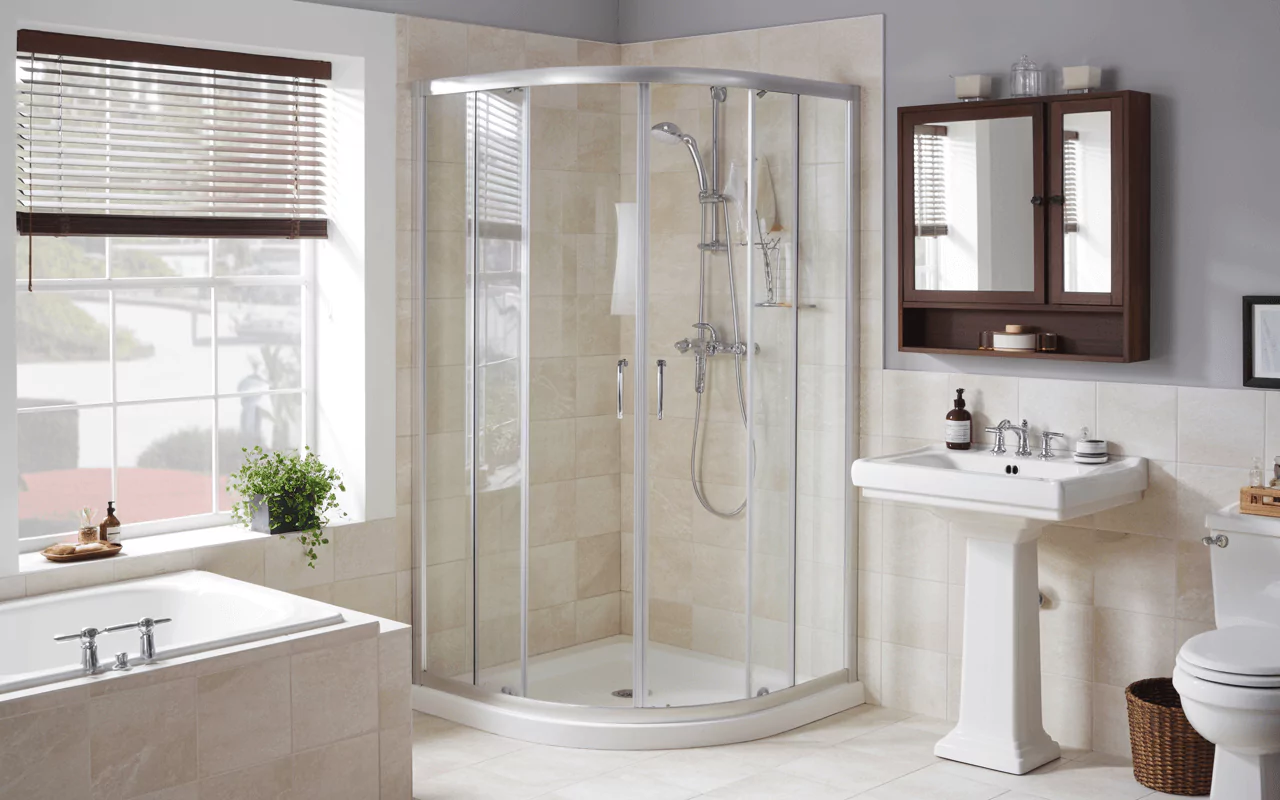
Shower areas are usually small; however, they shouldn’t be too small to make you feel claustrophobic. If you have a large bathroom, you can dedicate considerable space to the shower area. This shower area can be covered up with a suitable shower door that fulfills multiple functions at a time, including the appropriate shower door glass thickness for durability and safety. However, if you’ve got a small bathroom, you can only have a small area. Now the main concern is how to determine the ideal shower size for your small bathroom. The common approach is to stand with your arms outstretched and then turn in a circle, and it is the minimum space you would require to take a shower comfortably. The size may vary according to the experts, and the standard shower size can be from 32″ x 32″ to 60″ x 36″. The latter is preferable to have a perfect shower.
When installing a shower head in a bathroom that must comply with the ADA, specific height guidelines must be followed to ensure accessibility for individuals with limited mobility or those who use wheelchairs.
According to the ADA standards (ADAAG 609.2), a shower head should be installed between 38 inches (965 mm) and 48 inches (1220 mm) above the finished floor for accessible showers. These measurements are especially important in public facilities, hotels, hospitals, and senior-living environments.
However, ADA-compliant shower heads often include:
These features not only meet the height requirement but also make it easier for users to shower while seated or standing. If you’re remodeling or outfitting a bathroom for ADA compliance, choose a handheld shower head with a wall-mounted slide bar, which allows flexibility without compromising regulations.
Rain shower heads are designed to mimic the gentle, natural fall of rain—and to achieve this luxurious spa-like experience, the placement height is crucial.
The ideal installation height for a rain shower head is typically:
Because rain shower heads disperse water vertically downward, installing them too low can restrict movement and make the spray feel too direct. Mounting them too high, however, can reduce water pressure and spread.
Rain shower heads are most effective when:
Be sure to also consider the ceiling height of your bathroom. For standard 8-foot ceilings, a ceiling-mounted rain head works well. For taller ceilings, an extension arm may be necessary to bring the water flow to the ideal level.
As mentioned earlier, the ideal shower head height is different for different households. The experts suggest 80 to 85″ to be the ideal shower height. But since every house is different from the other, standard size may differ for each home. Some tools can help you alter your shower height.
The adjustable shower arm is an inexpensive and easy way to adjust the height of your showerhead according to your requirements. The flexible shower arm can conveniently be attached to the existing shower arm to serve as an extension. You can adjust the height of your shower head by setting the height of the adjustable shower arm.
The shower slide bar is a comparatively complex way of adjusting the height of the showerhead. It is used to change the height of the handheld showerhead. The slide bar is installed on the wall, and the showerhead moves along the track to change its height.
Swivel Ball Adapter is an all-rounder in showerhead adjustment. To fix the swivel ball adaptor between the shower arm pipe and showerhead and alter the height of the showerhead according to your choice.
When you move a shower head significantly higher than the standard 80 inches, you may notice a slight drop in water pressure. This is due to a simple combination of factors: gravity and the increased length of the pipe carrying the water.
1. Check for Flow Restrictors
Many modern shower heads contain a flow restrictor (a small plastic or rubber disc) designed to limit water usage. Removing this restrictor (if legally permitted in your area) can dramatically boost pressure.
2. Opt for a High-Pressure Head
Look for shower heads specifically labeled as “high-pressure,” “pulsating,” or “power spray” designs. These models are engineered to focus the water flow more forcefully, counteracting the effects of increased height.
3. Inspect Your Piping
If you are dealing with older homes or small-diameter galvanized piping, the volume of water available to reach a higher fixture may be inadequate. Consult a plumber if you suspect pipe diameter or mineral buildup is the root cause.
Evaluating the right height for your shower head is not really hard. You can easily estimate it on your own or take an expert’s advice. If you still think that your shower head is not at the perfect height, you can use the dedicated tools to adjust the shower head height according to your requirements. Additionally, when renovating your bathroom, consider adding cheap glass and mirror options to complement the updated design, enhancing both functionality and style.
FAQs
The standard shower head height is typically 80 inches (6 feet 8 inches) from the floor. This height suits most adults and offers comfortable water coverage.
For ADA-compliant bathrooms, the shower head should be installed between 38 and 48 inches from the floor and should include a handheld option with a sliding bar for accessibility.
A rain shower head should be mounted 80 to 85 inches from the floor or 3 to 6 inches above the tallest user to ensure full-body water coverage and an authentic rainfall effect.
Yes, using an adjustable shower arm or a sliding bar allows you to raise or lower the shower head to match user preferences or meet ADA requirements.
For taller users, it’s best to install the shower head at 85 to 90 inches from the floor to ensure adequate clearance and water coverage without ducking.
Explore all things glass—from stylish table tops and insulated options to tinted and frosted designs. Discover guides on glass railings, custom cut glass, shelves, and stunning backsplash ideas for a modern home or office upgrade.