
My Cart
You have no items in your shopping cart.
Bay windows are one such window type that grabs the attention of the majority. Their unique appearance is something one can’t overlook. Further, there are various types of bay window options, including those featuring tempered glass sheets for added durability and elegance.
This blog post is all about different types of bay windows, and their pros, and cons. So, let us get into it.
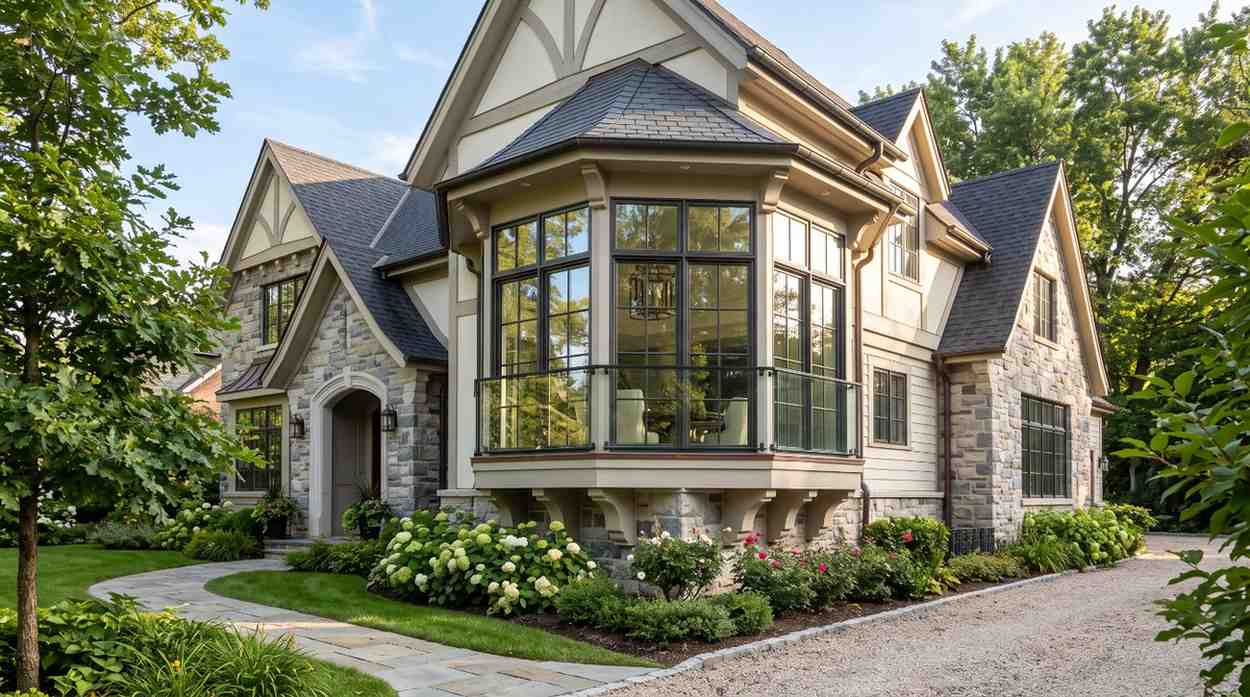
Before we dive any further, let us first find out what bay windows are. Bay windows are basically three-dimensional windows that sit outside the house exterior. Homes with bay windows installed have a distinctive look compared to contemporary homes. Bay windows are ideal for homes with little to no room for installing a window. Further, you can customize these windows by choosing the design, glass type, and size of your choice, which may involve processes like cutting tempered glass to achieve the desired fit and finish.
Before diving into the styles, it is common to confuse bay windows with bow windows. While they look similar, they have distinct differences:
| Window Type | Best Architectural Fit | Typical Panel Count | Price Range (Est.) | Key Feature |
| Canted | Victorian, Traditional, Craftsman | 3 | $1,500 – $3,500 | Classic angled sides with a flat front |
| Box | Modern, Contemporary | 3 | $1,200 – $2,500 | Boxy, 90-degree angles, budget friendly |
| Oriel | Tudor, Gothic, Historic | 3 | $2,500 – $5,000 | Upper-story window supported by brackets |
| Bow | Traditional, Colonial | 4-6 | $3,000 – $6,000 | Gentle, curved panoramic design |
| Circle | Modern, Art Deco | Multiple | $3,500 – $7,000 | Circular, curved glass look |
| Splay | Mid-Century, Transitional | 3 | $1,800 – $3,800 | Softer, wider angles for more subtle projection. |
Once you know different aspects to look for while buying a bay window, it’s time to explore its different types. Here are a few different types of bay windows discussed, along with their pros and cons.
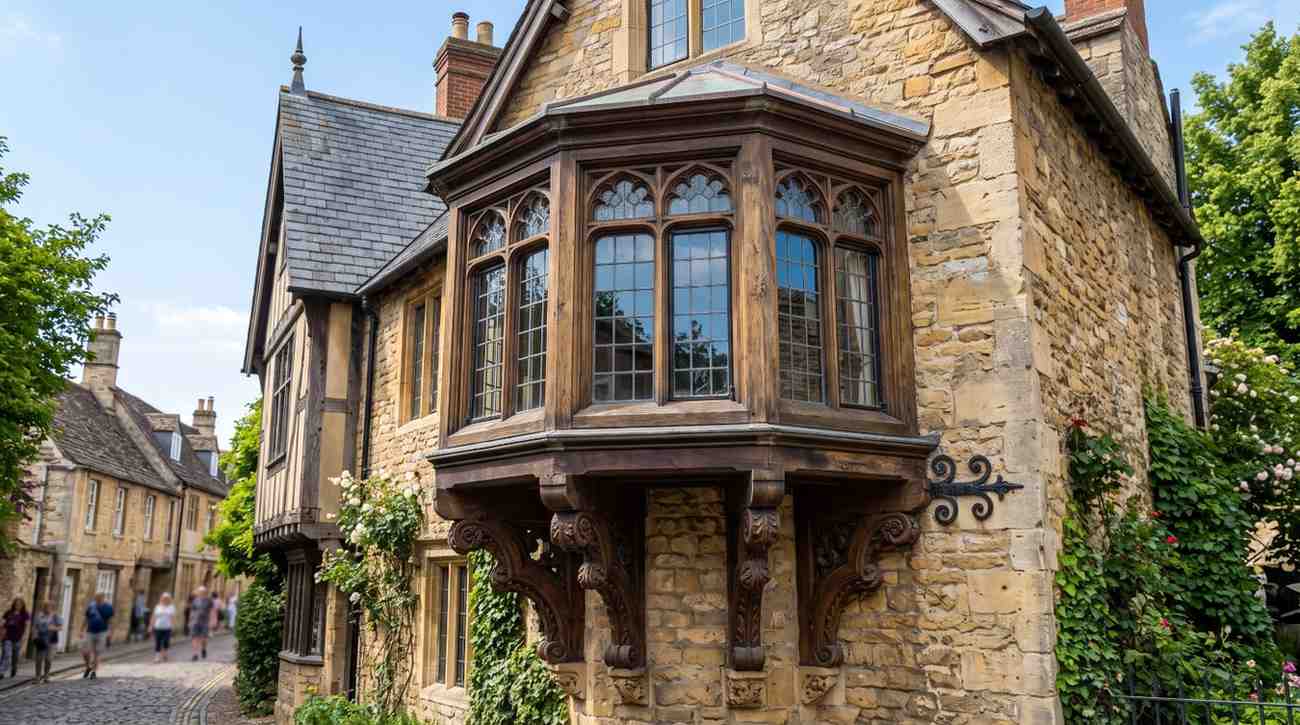
Oriel windows are highly distinct because they do not touch the ground. Instead, they are installed on the upper floors of a home, projecting outward and supported beneath by decorative structural brackets, corbels, or masonry. Originating in medieval and Tudor architecture, they are perfect for homeowners looking to add historic, dramatic charm to their home’s upper levels.
PROS
CONS
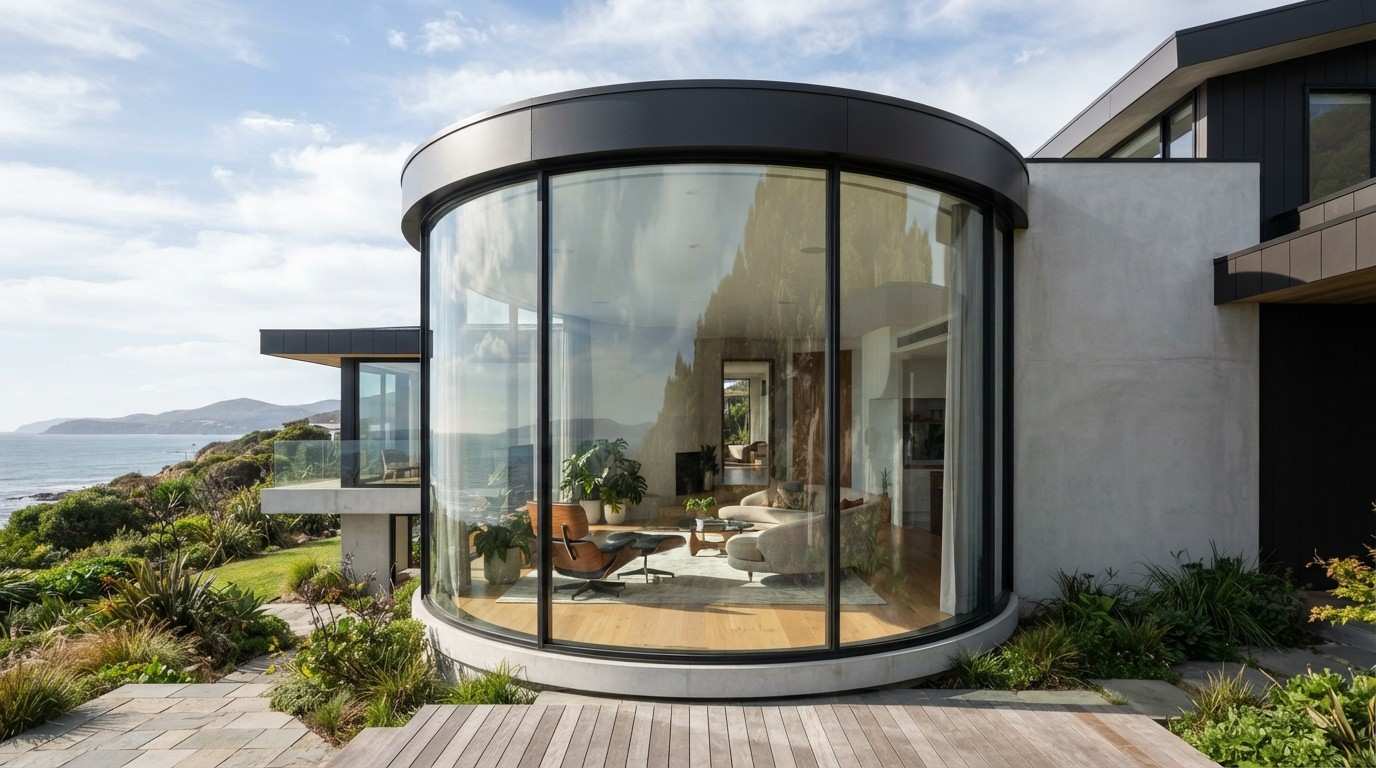
Almost every homeowner will get the design concept of circle bay windows. As the name says, these are bay windows that are installed in a circular shape. Circular bay windows are more suited for modern homes than oriel bay windows. Additionally, for those considering the best glass for aquarium setups, circular bay windows can offer inspiration for creating a modern and unique aesthetic.
PROS
CONS
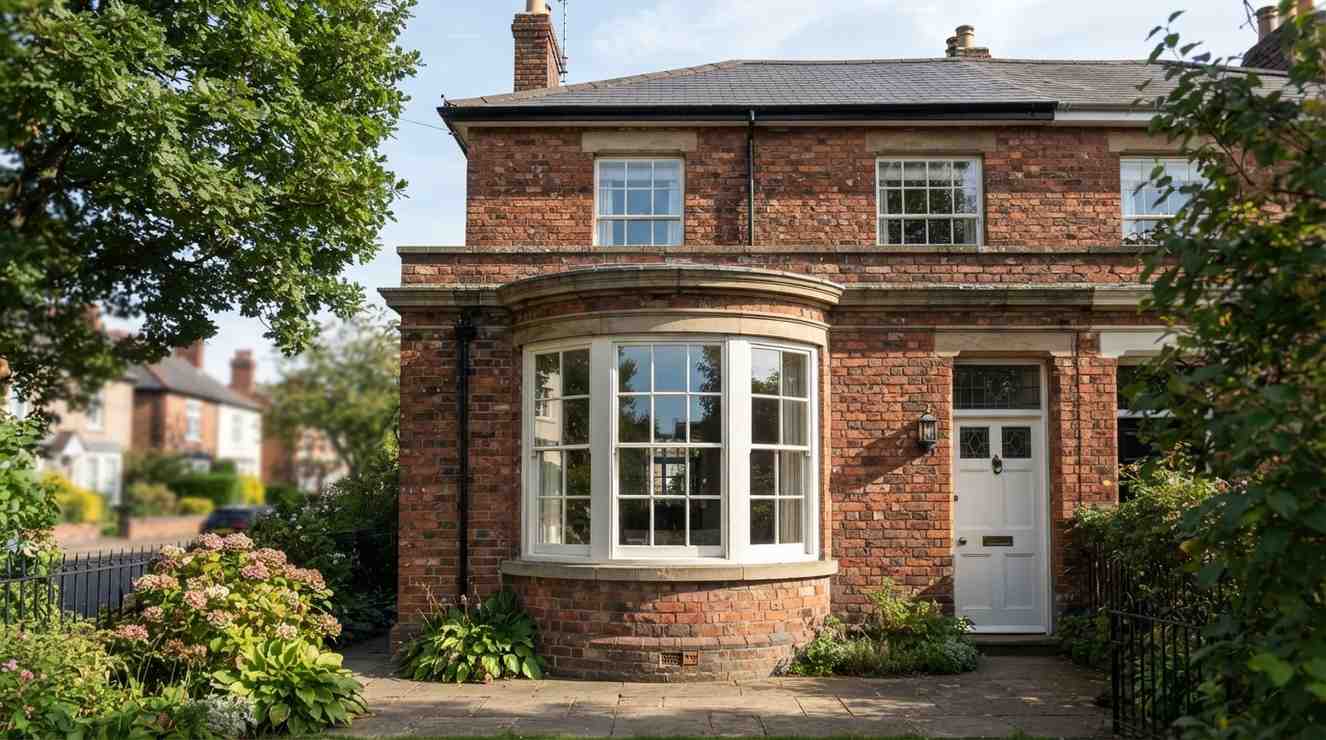
Next up, we have the bow bay windows. These windows are a mix-and-match of bay windows and bow windows. For those who are fans of both these window types, as well as interested in unique attic window types, these windows are a perfect option.
PROS
CONS

If you have ever pictured a classic bay window, you are likely thinking of a canted bay window. This is the most common and recognizable style in residential architecture. A canted window features a flat front pane with two side panes angled inward—typically at 30, 45, or 90 degrees. This timeless style is highly favored for Victorian, Edwardian, and Craftsman-style homes.
PROS
CONS
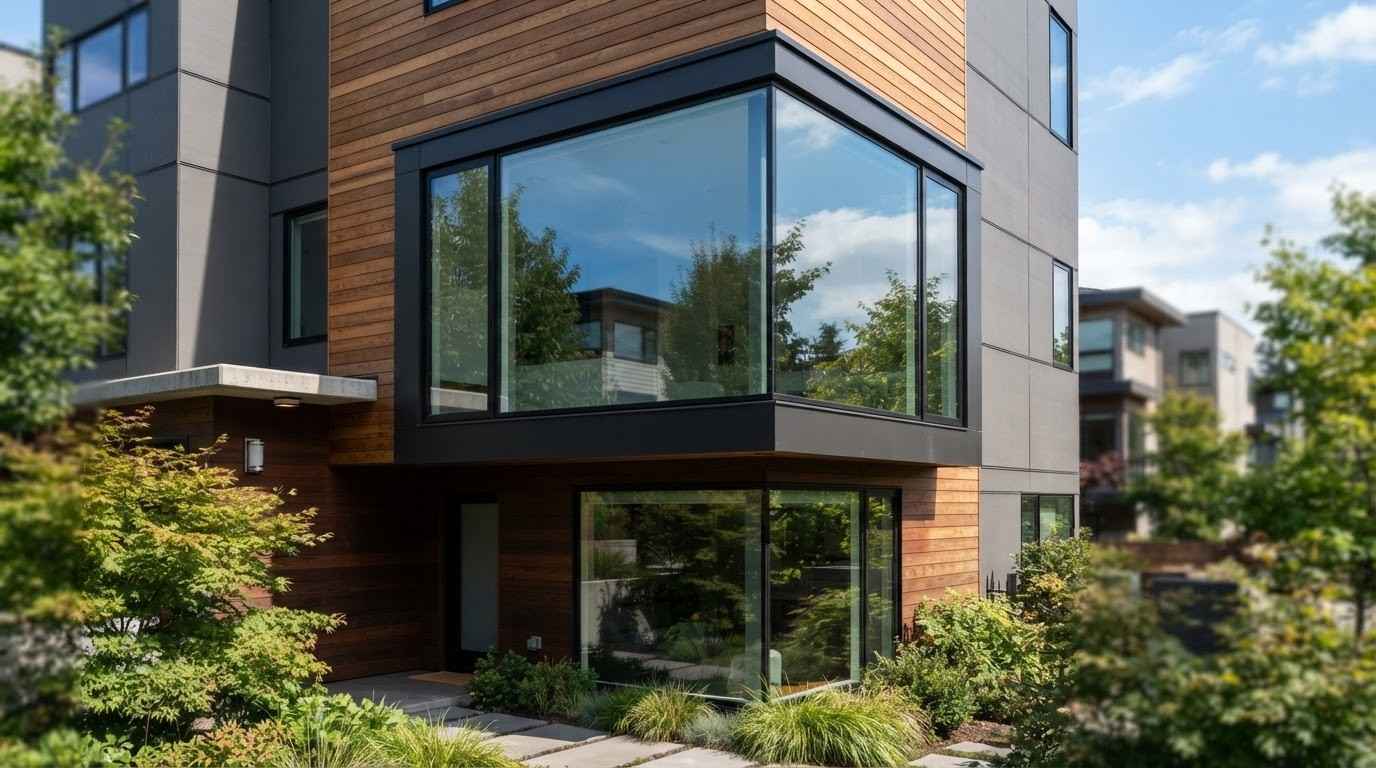
Out of all types of bay windows, the box bay windows are the most affordable ones. As their name highlights, these are bay windows with a boxier front. Apart from their boxy shape, other characteristics of these windows, including their compatibility with various interior wall materials and finishes, are pretty much the same.
PROS:
CONS:

Splay bay windows are very similar to canted windows, but with a much gentler slope. The side windows flare out at a much wider, more subtle angle (often 150 degrees). This creates a softer, more gradual transition from the exterior wall, making them a brilliant choice for transitional or mid-century modern home designs.
PROS:
CONS:
Does not project as far outward as a canted window, limiting space for a deep window seat.

As the name implies, polygonal bay windows feature more than three sides. They typically have five or more glass panels arranged in a semi-hexagonal or octagonal shape. This style bridges the gap between a sharp canted bay and a curved bow window, giving you a semi-rounded appearance without the extreme cost of curved glass.
PROS:
CONS:

A cascading bay window is a stunning, multi-story installation where bay windows are stacked directly on top of each other across two or more floors. This grand architectural feature is often seen in high-end luxury homes and historic brownstones, creating a seamless column of glass on the home’s exterior.
PROS:
CONS:
Now, let us find out what it takes to choose a quality bay window. Of course, there are different aspects to look for. Here are a few of these essential factors.
First, you must decide which bay window style grabs your attention the most. Usually, homeowners opt for box bay windows. That’s because they are a bit more affordable. However, you can also opt for any other window style.
Because bay windows feature a massive surface area of glass, choosing the right glass type is crucial for your comfort, safety, and energy bills. Here are the primary options to discuss with your provider:
The window frame material also determines the strength and durability of your bay windows. Therefore, choosing a durable material is the best approach here. Usually, aluminum is used as a window frame material for bay windows.
Not all bay windows open and close in a similar manner. Also, each home’s interior has different corners and sections to install a bay window. Therefore, you should also consider this factor. In this regard, it is best to consult with an expert designer.
Most of the bay windows are pretty energy efficient. However, to ensure maximum energy saving, opting for dual-pane glass panels for bay windows is best. That’s because dual-pane or insulated glass has excellent insulation characteristics. Additionally, understanding the difference between tempered and laminated glass can help you choose the right type of glass for durability and safety, depending on your specific needs.
The overall installation cost of each bay window varies. On average, a typical bay window may cost around $1200 to $3500 (for each window). Note that local labor charges will vary for every state. So, have a defined budget in your mind before choosing any bay window.
So, now you know different types of bay windows along with their pros and cons. For every home, bay windows are a perfect option. Depending on your interior space and budget, you can choose any of the above bay windows. Never compromise on the quality of the glass panel. We recommend buying glass panels from a reputable glass distributor. Fab Glass and Mirror is your go-to place to order glass and mirror panels for all your needs.
Yes. Because bay windows physically project outward, they add actual square footage to your home’s footprint and flood rooms with natural light, both of which are highly appealing to buyers and can increase curb appeal.
Box bay windows are generally the most budget-friendly. They feature simple 90-degree angles and standard window shapes, making them easier and less expensive to manufacture and install than curved circular or bow windows.
A bay window has three panels with sharp, angled lines. A bow window consists of four to six panels arranged in a gentle, sweeping curve.
Not at all. While canted bay windows have a traditional, classic feel, modern styles like box and circle bay windows are heavily used in contemporary, minimalist home designs.

Explore all things glass—from stylish table tops and insulated options to tinted and frosted designs. Discover guides on glass railings, custom cut glass, shelves, and stunning backsplash ideas for a modern home or office upgrade.